

Bamboo Cotton Baby Bib Set: Key Benefits, Materials & Buying Guide
The bamboo cotton baby bib set combines a soft bamboo-derived fabric with cotton to help manage drool, milk, spit-up, and small feeding spills. The main bamboo cotton baby bib benefits are softness, absorbency, breathability, and reusability. However, fabric composition, construction, fit, and care all affect performance, so the best bib depends on your baby's age and feeding stage.
What are the bamboo cotton baby bib benefits?
A bamboo cotton baby bib set can make everyday feeding and drooling easier by providing a soft, absorbent layer between your baby's skin, moisture, and clothing. Key benefits include:
- Soft contact: A smooth fabric can feel comfortable around the neck and chin when the bib fits correctly.
- Absorbency: Fabric bibs can soak up milk, saliva, and light food messes before they reach clothing.
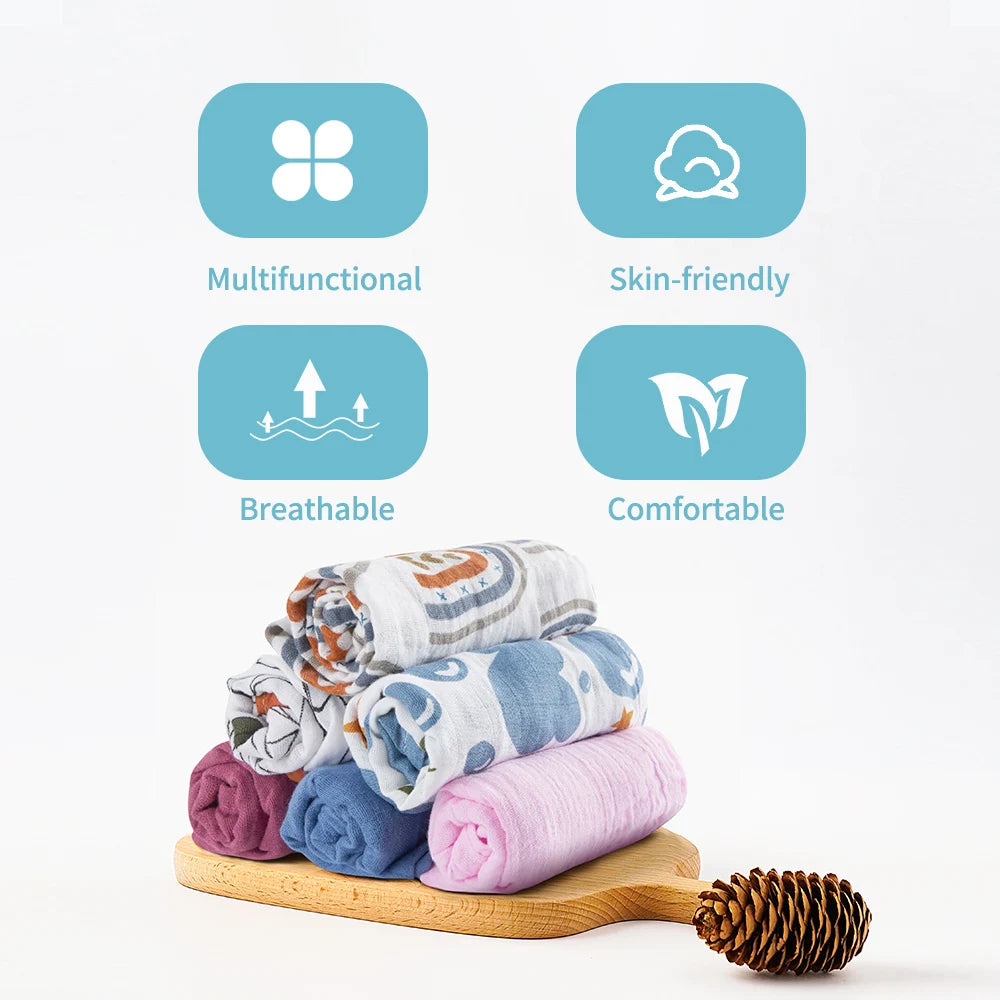
- Breathability: Bamboo-derived viscose and cotton fabrics generally allow more airflow than waterproof-coated materials.
- Reusability: Washable bibs can be used repeatedly, reducing the need for disposable alternatives.
- Everyday versatility: They can be useful for bottle or breastfeeding, burping, drooling, and early feeding stages.
These benefits do not make bamboo cotton automatically better for every situation. Fabric bibs are designed primarily for absorbing moisture; silicone or waterproof bibs may be more practical when a toddler is eating messy solid foods.
⏱ 6 min read
bamboo cotton baby bib set + nan — See it in action.
Why choose bamboo baby bibs over other materials?
Parents often choose bamboo baby bibs because they want a soft, washable fabric that can handle frequent drooling and light feeding messes. The important question is not simply whether a bib contains bamboo, but what type of bamboo material it uses, how much cotton is included, and how the finished fabric is constructed .
How bamboo-cotton blends are made
Most products marketed as bamboo fabric use bamboo-derived viscose or rayon , rather than fabric made from mechanically processed bamboo fibers. The bamboo is processed into a cellulose-based material and then spun into fibers. Cotton may then be blended with it to add structure, durability, or a different hand feel.
This distinction matters when evaluating product claims. A bib described as “bamboo” is not necessarily made from untreated or mechanically processed bamboo. Check the fiber-content label for the actual composition rather than relying only on marketing terminology.
Bamboo-derived viscose vs natural bamboo fibers
Bamboo-derived viscose can be smooth and comfortable, which helps explain its popularity in baby textiles. However, it should not automatically be described as naturally antibacterial, chemical-free, hypoallergenic, or completely sustainable . Those claims depend on the manufacturing process, finishing treatments, certifications, and the individual baby's skin sensitivity.
For parents researching organic baby bib safety , look for clear fiber labeling and relevant textile or chemical-safety certifications when available. “Bamboo” alone does not establish that a product is organic or free from every potentially irritating substance.
Top benefits of bamboo cotton baby bibs for everyday use
The practical benefits of bamboo cotton bibs come from the combination of fabric softness, moisture management, and repeat use. They are particularly useful when a baby needs a comfortable layer for frequent drooling or small feeding spills.
Softness and sensitive skin
A soft bib can reduce friction around the neck and chin compared with rough or stiff fabrics. This is especially useful when a baby wears a bib for extended periods during drooling or several feeds throughout the day.
However, no fabric can guarantee that a baby will not develop irritation. If redness or discomfort appears, remove the bib, keep the skin clean and dry, and consider whether detergent, dyes, saliva, friction, or moisture may be contributing factors.
Absorbency and drool control
A soft absorbent baby bib is useful for catching saliva, milk, and small amounts of liquid before they soak into clothing. This can be especially helpful during teething, when drooling may increase.
Absorbency has limits. A fabric bib can become saturated, and it is not a substitute for waterproof protection during large spills. For heavier solid-food messes, a silicone or waterproof bib may work better.
Breathability and temperature comfort
Fabric bibs are generally more flexible and breathable than waterproof-coated alternatives. That can make a bamboo cotton bib comfortable for everyday wear, particularly during warm weather or longer periods of drooling.
The bib should still fit without pressing tightly against the neck. If moisture collects underneath it, replace the bib with a dry one rather than leaving damp fabric against the skin.
Durability for daily washing
Reusable bibs are exposed to frequent washing, so stitching, fabric weight, closure quality, and laundering instructions all affect their lifespan. Cotton can add structure to a bamboo blend, while reinforced seams and secure snaps can help the bib withstand repeated use.
The practical advantage of a reusable baby bib is greatest when you have enough clean bibs available to rotate between feeds and laundry cycles.
bamboo cotton baby bib set + nan — See it in action.
Need more guidance on fabrics, fit, and feeding accessories? Explore practical resources for everyday feeding routines.
Cotton vs bamboo baby bib: Which is better?
There is no single best bib material for every baby. A cotton vs bamboo baby bib comparison should consider softness, absorbency, cleaning requirements, durability, and the type of mess you expect to handle.
| BIB TYPE | BEST FOR | ADVANTAGES | LIMITATIONS |
|---|---|---|---|
| Bamboo cotton | Drooling, milk, burping, everyday feeding | Soft, absorbent, breathable, reusable | Can become saturated; requires regular washing |
| 100% cotton | Everyday feeding and drooling | Widely available, washable, durable | Texture and absorbency vary by weave and fabric weight |
| Muslin cotton | Lightweight everyday use and warm weather | Light, breathable, quick to wash | May offer less protection against heavier spills |
| Silicone | Solid foods and toddler meals | Easy to wipe, waterproof, often includes a food catcher | Less absorbent and can feel less fabric-like |
| Polyester or synthetic fabric | Quick-drying or waterproof designs | Can dry quickly and resist some moisture | May feel warmer or less absorbent depending on construction |
Bamboo cotton vs muslin
Muslin is typically a lightweight woven cotton fabric, while bamboo cotton bibs may prioritize a smoother, softer hand feel and absorbency. For frequent drooling, choose based on actual fabric weight and absorbency rather than the material name alone.
Bamboo cotton vs silicone
Silicone is usually the better choice when the primary goal is protecting clothing from messy solid foods. Bamboo cotton is better suited to drool, milk, spit-up, and situations where a soft fabric layer is more comfortable around the neck.
Bamboo cotton vs polyester
Synthetic fabrics can offer useful features such as quick drying or water resistance, but performance varies substantially by construction. If softness and absorbency are priorities, compare the actual fabric composition and feel instead of assuming one fiber is always superior.
Who benefits most from bamboo cotton baby bibs?
A bamboo cotton bib can be useful from the newborn stage through toddlerhood, but the best design changes as feeding develops.
Newborns
For newborns, look for a lightweight bib with a comfortable neckline and secure closure. A fabric bib can help catch small amounts of milk or spit-up during and after feeds. It should never be fastened so tightly that it restricts the baby's neck or breathing.
Teething babies
Teething can bring increased drooling, making a baby bib for drooling and feeding particularly useful. Keep several dry bibs available and change them when they become damp to reduce prolonged moisture and friction against the skin.
Sensitive or eczema-prone skin
For babies with sensitive skin, softness and moisture control matter more than a particular fiber label. Choose smooth, well-finished fabric, avoid irritating detergents or fragrances when appropriate, and change damp bibs promptly. A bamboo label does not guarantee that a product will be suitable for every baby's skin.
Feeding stage
During milk feeding, absorbent fabric bibs can be highly practical. Once a baby starts eating solids, consider using a bamboo cotton bib for drool and a larger silicone or waterproof bib for foods that are likely to spill.
Are bamboo cotton baby bibs eco friendly?
A reusable bamboo cotton bib can have practical sustainability advantages, but “bamboo” does not automatically mean environmentally friendly. The environmental profile depends on how the bamboo is processed, what other fibers are used, how the textile is dyed and finished, how long the bib lasts, and how often it is washed.
Renewable bamboo considerations
Bamboo is a fast-growing plant, which is one reason bamboo-derived textiles are often marketed as sustainable. However, turning bamboo into viscose involves industrial processing, so the environmental impact cannot be judged from the raw material alone.
Manufacturing caveats
Look for transparent fiber-content information and credible textile certifications when sustainability or chemical management is important to you. Avoid assuming that terms such as “natural bamboo” or “eco” prove a product has a lower environmental impact.
Reusable advantages
One clear advantage of washable bibs is repeated use. A durable set that remains functional through many washes can replace numerous disposable bibs. Choosing an appropriate number of bibs, washing them efficiently, and using them for as long as they remain in good condition can help maximize that benefit.
How to wash and care for bamboo cotton baby bibs
Proper care helps preserve softness, absorbency, shape, and closure performance. Always follow the specific care label first because bamboo-cotton blends can differ in construction.
Washing tips
- Rinse or pre-soak heavily soiled bibs soon after use to reduce staining.
- Machine wash on the recommended gentle or normal cycle with a mild detergent.
- Avoid chlorine bleach unless the manufacturer specifically states that it is safe for the fabric.
- Wash new bibs before the first use according to the care instructions.
- Keep heavily soiled bibs separate from delicate garments when practical.
Drying recommendations
Air-drying can help reduce unnecessary heat exposure and may preserve fabric shape and softness. If the care label permits tumble drying, use a lower heat setting rather than excessive heat, which can contribute to shrinkage or fabric wear.
Keeping bibs soft
Use the recommended amount of detergent and avoid excessive fabric softener if maintaining absorbency is a priority. Product buildup can affect how readily fabric takes up moisture. Replace bibs when seams become damaged, closures stop working securely, or the fabric no longer provides adequate coverage.
How to choose the best bamboo cotton baby bib set
The best baby bib for feeding should match your baby's age, the type of mess you encounter, and your washing routine. Use this checklist before buying a bamboo cotton baby bib set.
Material blend
Check the fiber-content label rather than relying on the word “bamboo.” Determine whether the product uses bamboo-derived viscose, cotton, or another blend. A clearly stated composition makes it easier to compare products fairly.
Closure type
Snaps can provide multiple fit positions and generally hold securely when properly constructed. Velcro can be convenient but may catch on fabrics or lose performance with repeated use. Whichever closure you choose, check that it sits comfortably and cannot press into the baby's neck.
Layers and absorbency
For drooling and milk, prioritize a fabric with enough absorbency to remain comfortable without becoming saturated quickly. Multi-layer construction can increase capacity, but thicker bibs may also take longer to dry.
Safety certifications
When available, look for credible textile safety or chemical-content certifications appropriate to your market. Certifications can provide additional information about testing requirements, but they should be considered alongside proper fit, construction, care, and supervision.
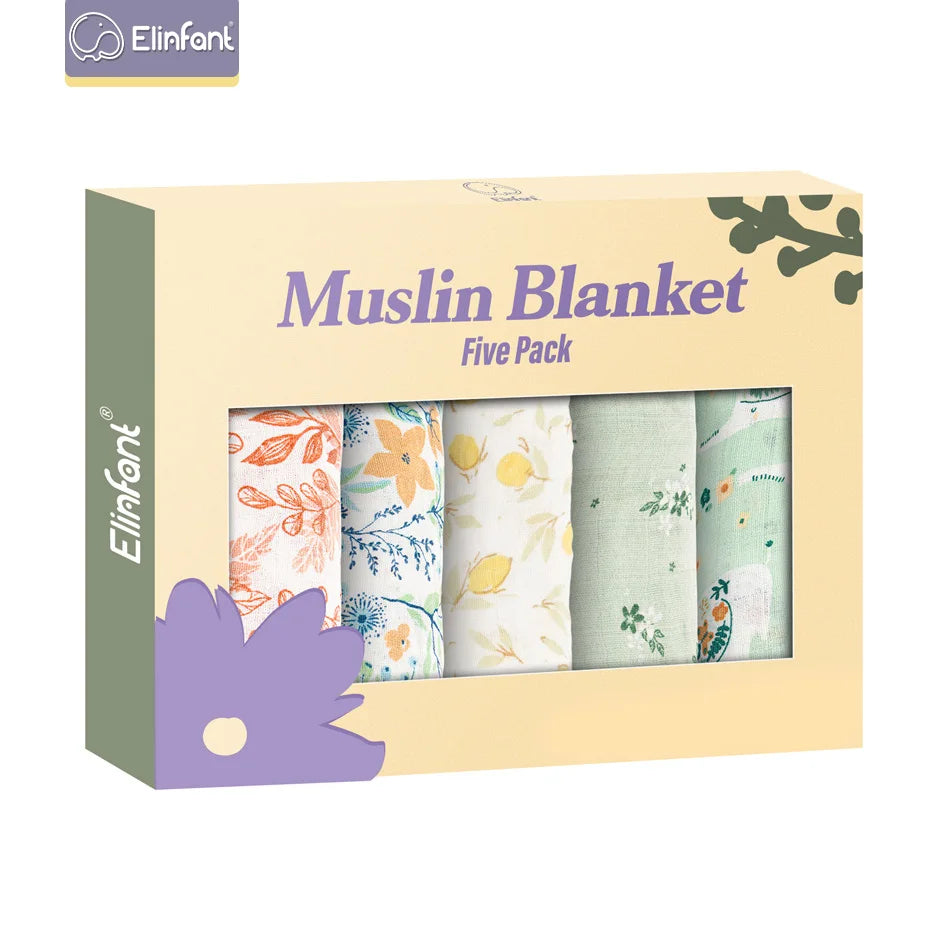
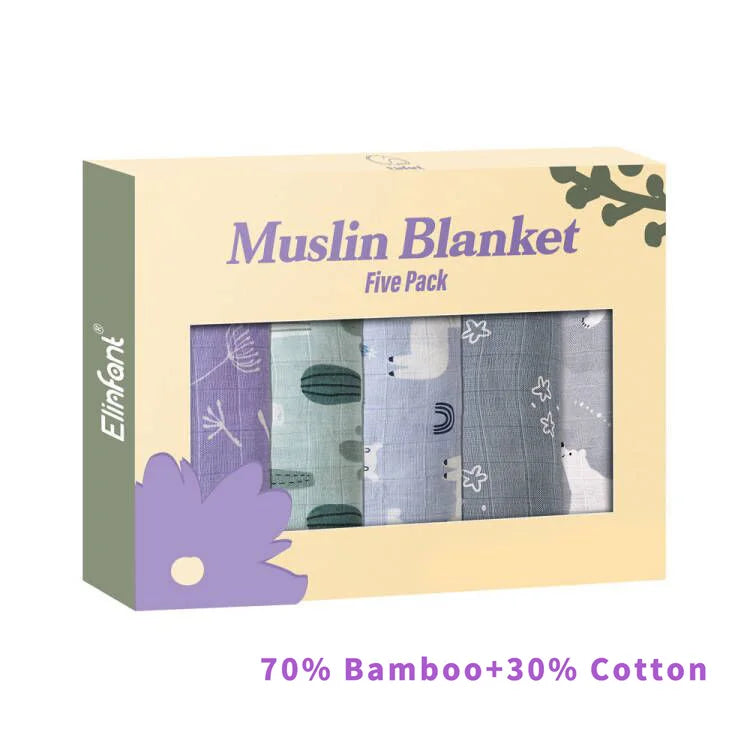
For the specific product featured in this guide, the listed specifications include bamboo viscose with cotton backing, machine-wash care, three-position snaps, and three bibs per set. Confirm current product specifications and care instructions before purchase.
bamboo cotton baby bib set + nan — See it in action.
Review the material, fit, closure, care requirements, and intended feeding stage before choosing a set.
Frequently asked questions
Are bamboo cotton baby bibs safe for newborns?
They can be appropriate for newborns when made from baby-suitable materials and correctly fitted. Choose a soft bib with a secure but non-restrictive closure, wash it before first use according to the care label, and replace it when it becomes wet or soiled.
What is the difference between bamboo cotton and 100% cotton baby bibs?
Bamboo cotton bibs combine bamboo-derived viscose with cotton, often providing a smooth hand feel alongside cotton's structure and durability. 100% cotton bibs vary considerably by weave and fabric weight, so neither option is universally better.
Do bamboo cotton baby bibs absorb more drool?
They can absorb drool effectively, but absorbency depends on the specific fiber blend, fabric weight, weave, and number of layers. A bamboo label alone does not guarantee greater absorbency than every cotton bib.
Are bamboo baby bibs good for babies with eczema?
A soft, breathable bib may be comfortable for babies with sensitive skin, but bamboo fabric is not a treatment for eczema and is not guaranteed to prevent irritation. Keep the skin dry, change damp bibs promptly, and choose products with clear material and care information.
How often should bamboo cotton baby bibs be washed?
Wash bibs whenever they become wet, visibly soiled, or contaminated with food. Babies who drool heavily may need several bib changes per day, so keeping a rotating supply can reduce the need for immediate laundry.
Do bamboo cotton bibs shrink after washing?
They may shrink or change shape if exposed to unsuitable washing or high heat. Follow the manufacturer's care instructions, avoid excessive heat when the label does not recommend it, and use appropriate drying settings.
Are bamboo cotton baby bibs really eco friendly?
Reusable bibs can reduce reliance on disposable products, but the sustainability of bamboo textiles depends on processing, fiber blends, manufacturing, durability, washing, and disposal. Look beyond the word “bamboo” when evaluating environmental claims.
How many bamboo cotton baby bibs does a baby need?
A set of 3–6 bibs can provide a practical starting rotation for everyday use, but babies who drool heavily or feed frequently may need more. The right number depends on how often bibs become wet or soiled and how frequently you do laundry.
FAQ (schema-ready)
Are bamboo cotton baby bibs safe for newborns?
Bamboo cotton bibs can be suitable for newborns when they use baby-appropriate materials, fit comfortably, and are washed according to the manufacturer's care instructions. The bib should never be tight around the neck.
What is the difference between bamboo cotton and 100% cotton baby bibs?
Bamboo cotton bibs combine bamboo-derived viscose with cotton, while 100% cotton bibs contain only cotton. Both can be soft and absorbent, so compare the actual fabric weight, weave, construction, and care requirements.
Do bamboo cotton baby bibs absorb more drool?
Bamboo cotton bibs can absorb drool effectively, but performance depends on the fabric blend, weave, weight, and layers. The presence of bamboo alone does not guarantee greater absorbency than cotton.
Are bamboo baby bibs good for babies with eczema?
A soft bamboo cotton bib may be comfortable for sensitive skin, but it does not treat eczema or guarantee that irritation will not occur. Change damp bibs promptly and choose materials and detergents that your baby's skin tolerates.
How often should bamboo cotton baby bibs be washed?
Wash bamboo cotton bibs whenever they become wet, visibly dirty, or contaminated with food. Heavy drooling or frequent feeding may require several bib changes each day.
Do bamboo cotton bibs shrink after washing?
Bamboo cotton bibs can shrink or change shape when washed or dried with excessive heat. Following the care label and using suitable drying temperatures can help minimize shrinkage.
Are bamboo cotton baby bibs really eco friendly?
Reusable bamboo cotton bibs can reduce disposable waste, but the environmental impact also depends on bamboo processing, other fibers, manufacturing, durability, washing, and end-of-life disposal.
How many bamboo cotton baby bibs does a baby need?
Three to six bibs can provide a useful starting rotation, although babies who drool heavily or feed frequently may need more depending on how often bibs are changed and how frequently laundry is done.
Final note: Bamboo cotton baby bib benefits are most noticeable when the bib matches the baby's stage and the type of mess being managed. A soft, absorbent reusable bib can be a practical choice for drooling, milk, burping, and light feeding messes, while silicone or waterproof options may be better for heavier solid-food spills. For related feeding resources, explore Feeding & Nursing and Baby Care Essentials .
Pillar Article: Soft Breathable Baby Bibs: Features That Protect and Comfort
Other Related Articles:
Explore More:





