

Do soft breathable baby bibs really protect babies and keep them comfortable?
Answer: Yes. Soft breathable baby bibs help protect delicate skin by combining lightweight, moisture-wicking fabrics with breathable construction that keeps drool and small spills away from a baby's neck and chest. A well-designed bib reduces prolonged dampness, minimizes friction, improves airflow, and keeps babies more comfortable during feeding, teething, playtime, and everyday wear.
⏱ 14 min read
Soft Breathable Baby Bibs: Features That Protect and Comfort
Choosing the right baby bib is about much more than keeping clothes clean. The best soft breathable baby bibs help reduce drool rash, prevent soaked outfits, and keep babies comfortable throughout the day without adding unnecessary bulk. Whether you're shopping for a newborn or an active teething infant, understanding the differences between fabrics, absorbency, fit, and breathability can make everyday feeding routines much easier.
In this guide, you'll learn what makes a bib comfortable, which materials perform best, how to compare different styles, and what features matter most before buying. You'll also see how a bamboo-cotton option like the Bamboo Cotton Baby Bib Set combines softness, moisture management, and everyday practicality for busy parents.
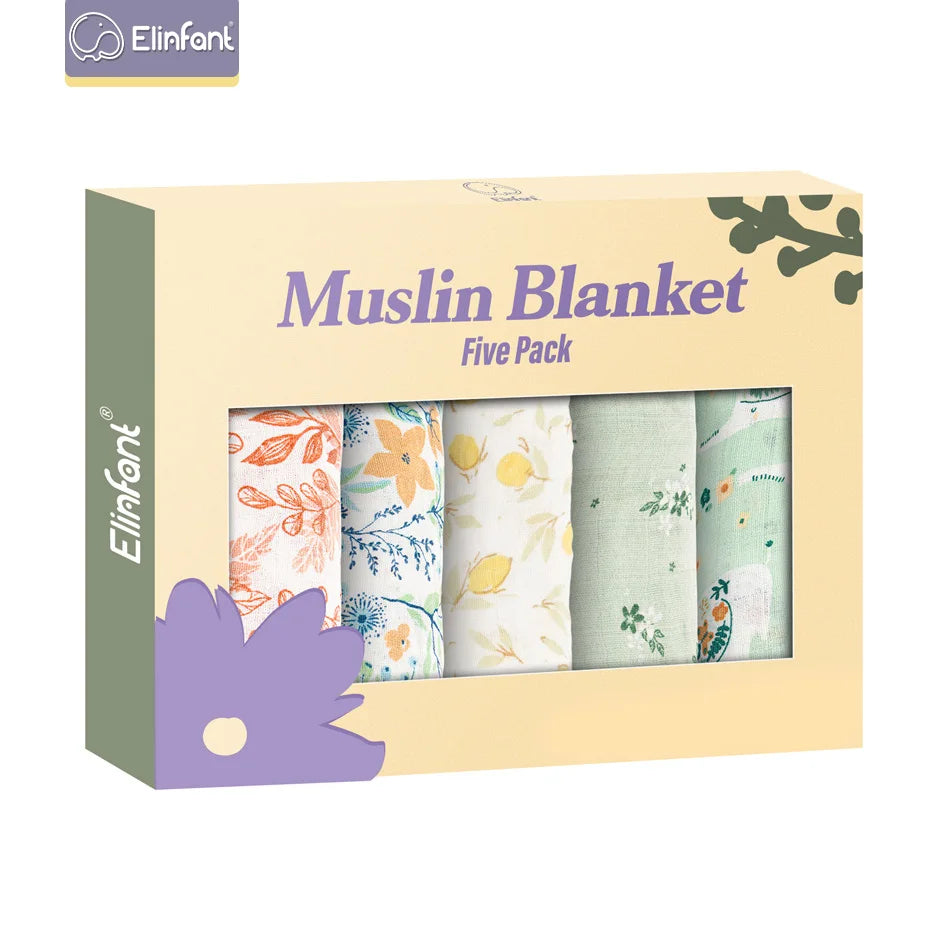
Soft breathable baby bibs help keep sensitive skin dry, cool, and comfortable throughout the day.
What makes "soft breathable baby bibs" different?
Direct answer: Soft breathable baby bibs are designed to keep babies comfortable by combining skin-friendly fabrics, moisture management, and lightweight construction. Instead of simply absorbing drool, they move moisture away from delicate skin while allowing air to circulate, helping reduce irritation, overheating, and damp clothing during feeding and teething.
The best comfortable baby bibs share four essential characteristics that improve everyday performance:
- Ultra-soft fabrics: Smooth natural fibers minimize friction around the neck and chin, making bibs comfortable enough for extended daily wear.
- Effective moisture management: Absorbent inner layers wick away drool and milk instead of leaving moisture against the skin.
- Excellent breathability: Airflow through the fabric helps reduce heat buildup, especially during warm weather or active play.
- Thoughtful construction: Flat seams, gentle edging, and adjustable closures reduce rubbing while providing a secure fit as babies grow.
A quality breathable bib balances comfort with protection, keeping babies dry without feeling bulky or restrictive.
Materials compared: fabrics, layers, and finishes
The material used in a baby bib has the greatest influence on softness, absorbency, durability, and drying speed. Each fabric offers different strengths depending on whether your baby is primarily drooling, bottle feeding, or eating solid foods.
Natural fibers
- Bamboo-cotton: Combines exceptional softness with excellent breathability and moisture-wicking performance. It dries relatively quickly, feels gentle on sensitive skin, and works well for everyday drooling and feeding.
- Organic cotton: A popular choice for newborns thanks to its natural softness and breathable feel. While highly comfortable, single-layer cotton may remain damp longer after heavy drooling.
- Muslin: Lightweight, airy, and flexible. Multiple muslin layers improve absorbency while maintaining excellent airflow, making muslin ideal for warmer climates and mild-to-moderate drooling.
Engineered and blended fabrics
- Microfiber blends: Extremely absorbent and quick drying, making them practical for heavy droolers. However, lower-quality microfiber can retain more heat than natural fibers if ventilation is limited.
- Breathable waterproof backings: Modern waterproof layers with micro-perforations or breathable membranes help prevent soaked clothing while allowing better airflow than traditional plastic-backed bibs.
Layering strategy (what to look for)
Many premium soft baby bibs use multiple layers because each serves a specific purpose.
- Outer layer: Soft bamboo or cotton that sits comfortably against a baby's skin.
- Middle layer: An absorbent core that pulls moisture away from the surface and holds it inside the bib.
- Back layer: A breathable moisture barrier that helps prevent wetness from soaking through to clothing without trapping excessive heat.
This layered design offers a better balance of comfort, absorbency, and breathability than relying on a single thick fabric alone.
Design features that protect—necklines, closures, and fit
Material matters, but thoughtful design is what determines whether a bib stays comfortable through hours of feeding, teething, and play. The best comfortable baby bibs fit securely without rubbing delicate skin, restricting movement, or trapping excess heat.
Neck shape and seam placement
- Rounded neck openings with soft edging distribute pressure evenly and reduce friction around the neck.
- Flat or concealed seams help prevent rubbing beneath the chin and along the jawline, where moisture tends to collect.
- Tag-free construction eliminates another common source of irritation for babies with sensitive skin.
Adjustable closures
- Plastic snap fasteners provide a secure fit while remaining gentle against delicate skin.
- Multiple snap positions allow the bib to grow with your baby, reducing the need to replace bibs every few months.
- Well-positioned closures keep the bib comfortably in place without feeling tight around the neck.
Length and coverage
- Longer front panels offer better protection for the chest during bottle feeding, breastfeeding, and messy solid-food meals.
- Wide shoulder coverage helps prevent drool from soaking shirt collars and sleeves.
- Lightweight, shorter bibs are often the better choice for warm climates or babies who drool lightly throughout the day.
When these design features are combined with breathable fabrics and an absorbent core, a bib stays comfortable for longer while requiring fewer changes throughout the day.
Use-case walk-throughs: feeding, drooling, sleep, travel
Feeding time: less mess, more focus
During breastfeeding, bottle feeding, or introducing solid foods, a soft absorbent bib catches drips before they soak into clothing. A breathable backing helps prevent moisture from sitting against the skin, while a lightweight design allows babies to move comfortably throughout the meal. Bibs with generous chest coverage are especially useful during the transition to self-feeding.
Teething and drooling phases
Drooling often peaks between 3 and 12 months, making moisture control especially important. Choose a bib with a soft inner surface and an absorbent middle layer that quickly draws moisture away from the neck and chin. Rotating clean bibs throughout the day helps keep skin dry and reduces the chance of drool rash.
Sleep and nap protection
For babies who drool during naps, comfort should always come before convenience. If a bib is used while a baby is awake and supervised before or after sleep, choose a lightweight, breathable design that won't add unnecessary warmth. For unsupervised sleep, always follow safe sleep recommendations and remove bibs before placing babies in their crib.
Travel and daycare
Busy families benefit from bibs that wash easily and dry quickly. Packing several lightweight bibs allows caregivers to swap out wet ones throughout the day without carrying bulky extras. Quick-drying fabrics also make overnight washing practical when traveling.
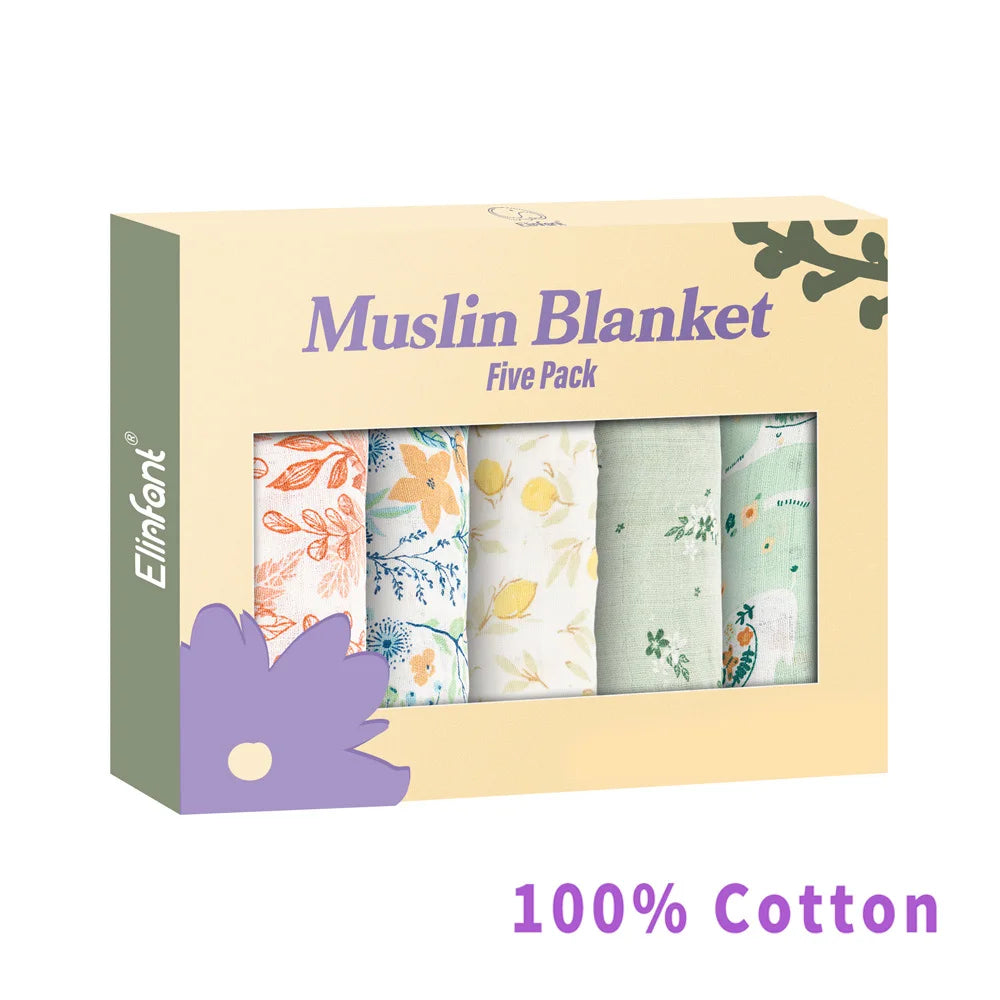
Soft breathable baby bibs provide everyday comfort for feeding, teething, travel, and daily adventures.
Care and maintenance for long life
Proper care helps preserve softness, absorbency, and shape, allowing high-quality baby bibs to remain comfortable after repeated washing.
- Rinse milk, formula, or food stains promptly before they have time to set.
- Machine wash on a gentle cycle using a mild, baby-friendly detergent.
- Avoid fabric softeners and bleach, which can reduce moisture-wicking performance and damage delicate fibers.
- Line dry whenever possible or tumble dry on low heat to help maintain softness and extend the life of waterproof layers and snap closures.
- Store clean bibs flat or neatly folded to prevent unnecessary creasing and protect fasteners.
Quick comparison: breathable vs. absorbent vs. waterproof baby bibs
Different bib styles solve different parenting challenges. The right choice depends on whether your priority is everyday comfort, maximum moisture absorption, or protection during especially messy activities.
| Feature | Breathable Soft Bibs | Highly Absorbent Bibs | Waterproof Bibs |
|---|---|---|---|
| Skin comfort | Excellent — lightweight fabrics, soft textures, and better airflow make them ideal for extended wear. | Good — absorbent materials handle moisture well but may feel thicker or stay damp longer. | Fair to good — excellent spill protection, but non-breathable backings may trap warmth around the neck. |
| Drool protection | Excellent for everyday drooling and teething stages when dryness and comfort matter most. | Very good for babies with heavier drool who need more moisture capacity. | Limited — prevents clothing from getting wet but may not manage moisture against the skin. |
| Spill control | Good for small milk drips, drool, and light feeding messes. | Best for larger spills during bottle feeding or solid-food meals. | Best for preventing liquids from reaching clothing during messy activities. |
| Drying time | Fast — lightweight materials are easier to wash and dry between uses. | Medium — thicker absorbent layers usually require more drying time. | Fast outer drying, but inner layers may retain moisture if airflow is limited. |
| Best for | Daily wear, newborn comfort, teething, warm climates, and sensitive skin. | Meal-heavy households and babies who frequently soak bibs. | Travel, crafts, messy play, and situations where clothing protection is the priority. |
How to choose the best soft baby bib for your baby
The best soft baby bibs balance comfort, absorbency, durability, and ease of cleaning. Use this checklist before buying:
- Check the neck area: Look for soft binding, smooth edges, and flat seams that reduce rubbing around delicate skin.
- Choose the right fabric: Bamboo-cotton, organic cotton, and breathable blends are strong options for babies who wear bibs for long periods.
- Look for moisture control: A layered design with a wicking core helps move drool away from the skin instead of trapping dampness.
- Evaluate closures: Adjustable snaps or soft fasteners provide a secure fit without creating pressure around the neck.
- Match coverage to your routine: Smaller lightweight bibs work well for drooling, while larger bibs provide better protection during solid meals.
- Consider washing needs: Machine-washable, quick-drying fabrics are more practical for daily use.
For parents looking for a balanced everyday option, the Bamboo Cotton Baby Bib Set combines gentle bamboo-cotton fabric with practical moisture management features designed to make feeding and drooling routines easier.
You are an expert SEO editor. Rewrite the article using the Upgrade Plan. MULTI-PART ARTICLE This article has been intentionally divided into 7 parts. You are rewriting ONLY PART 6 OF 7. Assume all previous parts already exist. Continue naturally from the supplied HTML. Do NOT restart the article. Do NOT repeat information already covered. Do NOT generate another H1. Do NOT generate another introduction. Do NOT summarize previous sections. Do NOT add transition paragraphs referring to omitted sections. Do NOT generate a conclusion unless it already exists in the supplied HTML. Rewrite ONLY the supplied HTML. GOAL Produce a stronger article capable of competing with Top 3 Google results while preserving the original page assets. INPUT ARTICLE HTML (THIS PART ONLY)How the right accessory makes cleaning effortless
Using a washable cover, a silicone tray liner, and removable pads turns a 30-minute deep clean into a 10-minute swap. A well-fitted cover protects straps and padding so the chair stays fresher longer.
Looking for accessories? Check Feeding & Nursing and Baby Hygiene Gadgets for liners and covers that fit most seats.
Before vs After — expected results
| Problem | After cleaning |
|---|---|
| Sticky tray and stained straps | Clean, residue-free surface; straps soft and safe. |
| Smell from dried milk | Odor removed after enzyme treatment and air-drying. |
Quick fixes when time is tight
- Microwave-safe silicone liners: wipe and dry in a minute.
- Pre-moistened baby-safe wipes for a fast tray swab between meals.
- Keep a spare harness strap set for emergencies if your model supports it.
Usage tips to get the most from soft breathable bibs
Using soft breathable baby bibs correctly helps maintain comfort, improve drying time, and extend fabric performance. A few simple habits can make daily feeding and drooling stages easier:
- Rotate multiple bibs throughout the day: Keep 2–4 bibs available so each one can fully dry between uses, especially during heavy drooling or frequent feeds.
- Match the bib to the activity: Use lightweight breathable bibs for teething and everyday wear, while pairing meals with a waterproof mat or additional protection for especially messy foods.
- Choose different fabrics for different needs: A softer muslin option can work well for light drooling and naps, while a layered wicking bib provides better coverage during active daytime use.
- Check the fit regularly: As babies grow, adjust closures so the bib stays comfortable without rubbing or sitting too tightly around the neck.
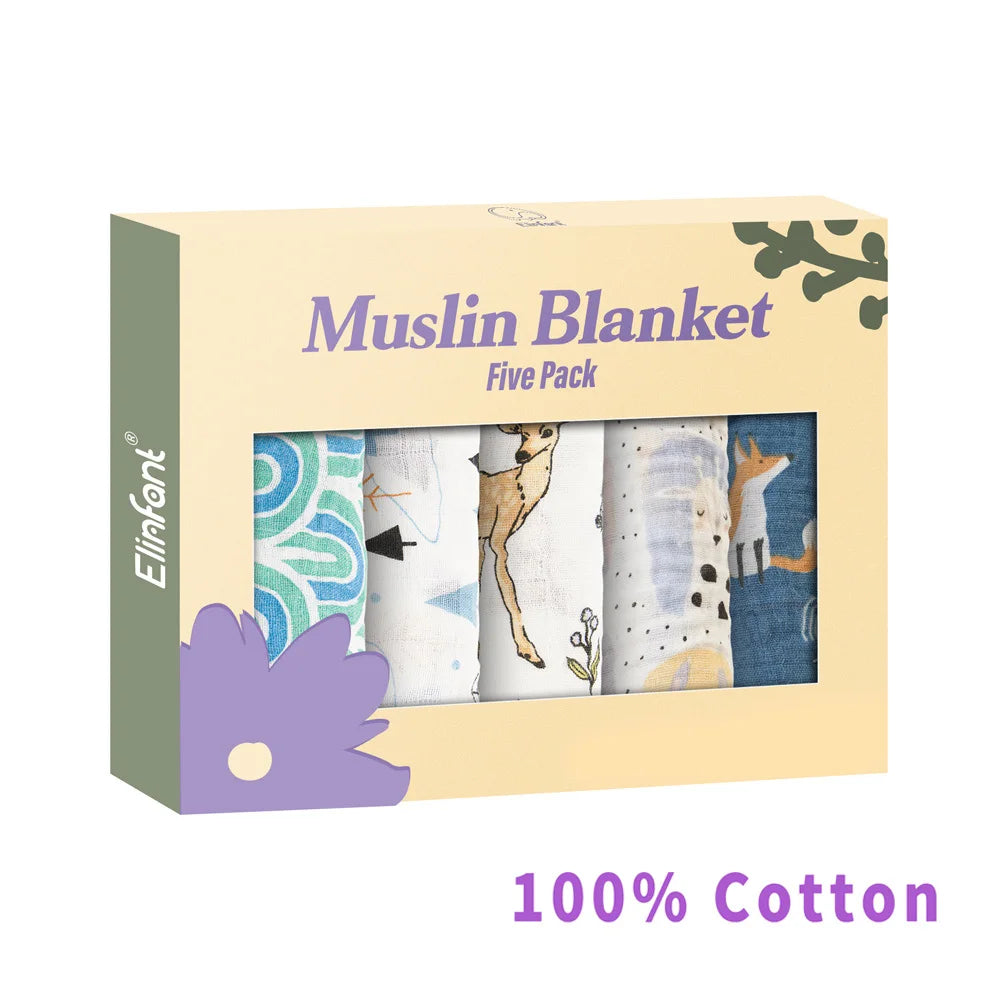
soft breathable baby bibs — soft fabrics, smart design, everyday ease. See it in action
Where to find complementary items
To create a more comfortable feeding routine, consider pairing breathable bibs with other baby-care essentials that support daily care, feeding, and sleep comfort:
- Feeding & Nursing — helpful for exploring feeding tools and accessories that simplify mealtime routines.
- Baby Care Essentials — includes everyday-care items that work alongside soft bibs for changing, cleaning, and backup needs.
- Sleep & Comfort — breathable clothing and sleep layers can help maintain a comfortable temperature during rest.
Pros & Cons (at a glance)
| Pros | Cons |
|---|---|
| Soft, breathable fabrics are gentle against delicate baby skin and help reduce prolonged moisture exposure. | Not designed to replace fully waterproof bibs when dealing with very large spills or extremely messy meals. |
| Quick-drying materials make daily rotation easier and can reduce the number of outfit changes. | Some thicker absorbent bibs may hold more liquid, which can be useful for longer outings. |
| Lightweight designs support comfortable movement during feeding, teething, naps, and everyday wear. | Fabric bibs may be less suitable for messy play activities involving paint, crafts, or heavy liquids. |
How to evaluate a bib in-store or on a product page
- Check the neck area first — the binding should feel smooth, flexible, and gentle without rough edges that may rub against delicate skin.
- Look for clear details about fabric construction, such as moisture-wicking layers, breathable materials, or multi-layer designs that help manage drool and spills.
- Review closure quality — rounded snaps, covered fasteners, or soft adjustable tabs are preferable because they reduce pressure points.
- Confirm care requirements — machine-washable fabrics with simple drying instructions are usually easier to maintain for daily baby use.
Buy Bamboo Cotton Baby Bib Set
Mini FAQ
-
Q:
Are breathable bibs safe for newborn skin?
A: Yes. Soft breathable baby bibs are generally suitable for newborns when they use gentle fabrics, smooth seams, and secure closures that avoid unnecessary friction. Materials such as bamboo-cotton blends and soft organic cotton are popular choices for sensitive skin. -
Q:
How often should I wash a breathable bib?
A: Wash bibs regularly based on use. Bibs used for frequent drooling or feeding are typically cleaned daily, while rotating several bibs allows each one to dry completely before the next use. -
Q:
Can breathable bibs prevent drool rash completely?
A: No bib can guarantee complete prevention, but breathable designs can help reduce drool rash risk by limiting prolonged moisture contact and improving airflow. If skin irritation continues or worsens, consult a pediatric healthcare professional. -
Q:
Is a breathable bib good for summer use?
A: Yes. Lightweight fabrics and improved airflow make breathable bibs a comfortable option in warmer weather because they add less heat around the neck compared with thicker, less ventilated styles.
Essential baby bib features to compare before buying
Beyond fabric softness and breathability, the best comfortable baby bibs balance everyday usability, secure fit, and long-term durability. These are the key baby bib features to compare before choosing an option for newborns and infants.
Closures
- Rounded snaps: covered or cushioned fasteners reduce pressure against delicate skin and help prevent irritation around the neck.
- Adjustability: multiple fastening positions allow the bib to grow with your baby and create a secure fit without feeling restrictive.
- Durability: reinforced closures hold up better through frequent washing and daily use.
Fit and sizing
- Neck comfort: a soft, flexible neckline should sit comfortably without gaps that allow moisture to reach clothing.
- Room to grow: newborn bibs should provide enough adjustment for changing sizes while avoiding excess fabric that can bunch during feeding.
- Easy movement: lightweight construction helps babies turn, play, and feed comfortably.
Coverage
- Daily drool protection: smaller soft bibs work well for teething stages and everyday moisture.
- Feeding coverage: longer front panels provide better protection during bottle feeding and solid meals.
- Layer compatibility: the best designs fit comfortably over clothing without creating unnecessary bulk.
Safety details
- Choose bibs made with baby-friendly materials and avoid rough edges, exposed hardware, or irritating seams.
- Follow washing instructions carefully to maintain fabric softness and absorbency.
- Inspect closures and stitching regularly, especially after repeated washing.
For a balanced option combining soft bamboo-cotton fabric, moisture management, and everyday comfort, the Bamboo Cotton Baby Bib Set is designed for frequent feeding and drooling stages.
Helpful links:
Related Articles:
- Bamboo Cotton Baby Bib Set: Key Benefits That Make Feeding Easier
- Premium Baby Burp Cloth Set: Why These Are Worth Every Parent’s Choice
Pillar Articles:





