

Best Bibs for Newborns: Comparing Soft, Breathable Options
Choosing the best bibs for newborns is about more than keeping outfits clean. A well-designed bib helps protect delicate skin from milk, spit-up, and drool while providing breathable comfort throughout feeding sessions. The best options combine soft, absorbent fabrics, secure closures, and easy-care materials that simplify daily routines for busy parents. In this guide, you'll discover which newborn bibs offer the ideal balance of comfort, protection, durability, and value for every stage of early feeding.
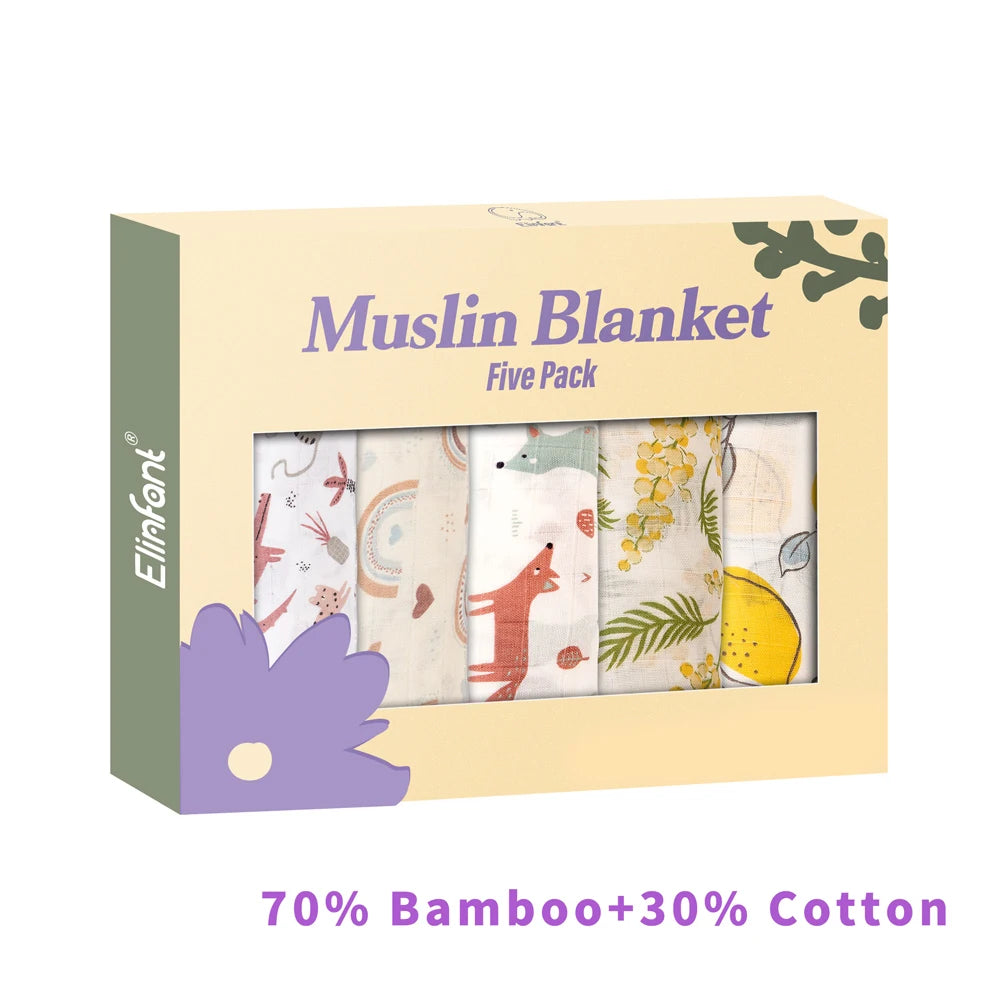
See the best bibs for newborns in action—designed to help protect clothing and keep babies comfortable during every feeding.
⏱ 5 min read
Why Soft, Breathable Bibs Matter for Newborns
The best bibs for newborns do far more than catch spills. They help shield sensitive skin from prolonged moisture, reduce clothing changes after feedings, and keep babies more comfortable throughout the day. Since newborn skin is delicate and prone to irritation, breathable, highly absorbent fabrics are often the safest and most practical choice.
During the first few months, many babies experience frequent spit-up, milk dribbles, or early drooling. A soft bib absorbs moisture before it soaks into clothing, helping minimize dampness that can contribute to skin irritation around the neck and chest. Lightweight materials such as bamboo blends, muslin, and organic cotton also improve airflow, making them suitable for year-round use.
Beyond comfort, a quality newborn bib can simplify everyday routines. Parents often spend less time changing outfits and cleaning up after feedings when using bibs that combine strong absorbency with secure, adjustable closures. Machine-washable fabrics also make it easier to keep several bibs in daily rotation.
Top Bibs for Newborns: Comparison & Features
The best bibs for baby combine softness, reliable absorbency, secure closures, and simple maintenance. Different styles serve different purposes, so choosing the right bib depends on whether your newborn needs protection from frequent spit-up, light drooling, or everyday feedings.
| Bib | Material | Closure | Absorbency | Ease of Cleaning | Best For |
|---|---|---|---|---|---|
| Bamboo Cotton Baby Bib Set | Soft bamboo cotton & 100% cotton muslin | Snap closure | High absorbency | Machine washable | Daily feedings, sensitive skin, eco-conscious parents |
| Organic Cotton Bandana Bib | 100% organic cotton | Adjustable snaps | Medium | Machine washable | Light drooling and everyday wear |
| Silicone Catcher Bib | Food-grade silicone | Adjustable neck strap | Low absorbency | Easy wipe clean | Older babies starting solid foods and travel |
Among these options, soft fabric bibs remain the preferred choice for most newborns because they absorb milk quickly while remaining gentle against delicate skin. Silicone bibs become more practical once babies begin eating solids, where catching food is more important than absorbing liquids.
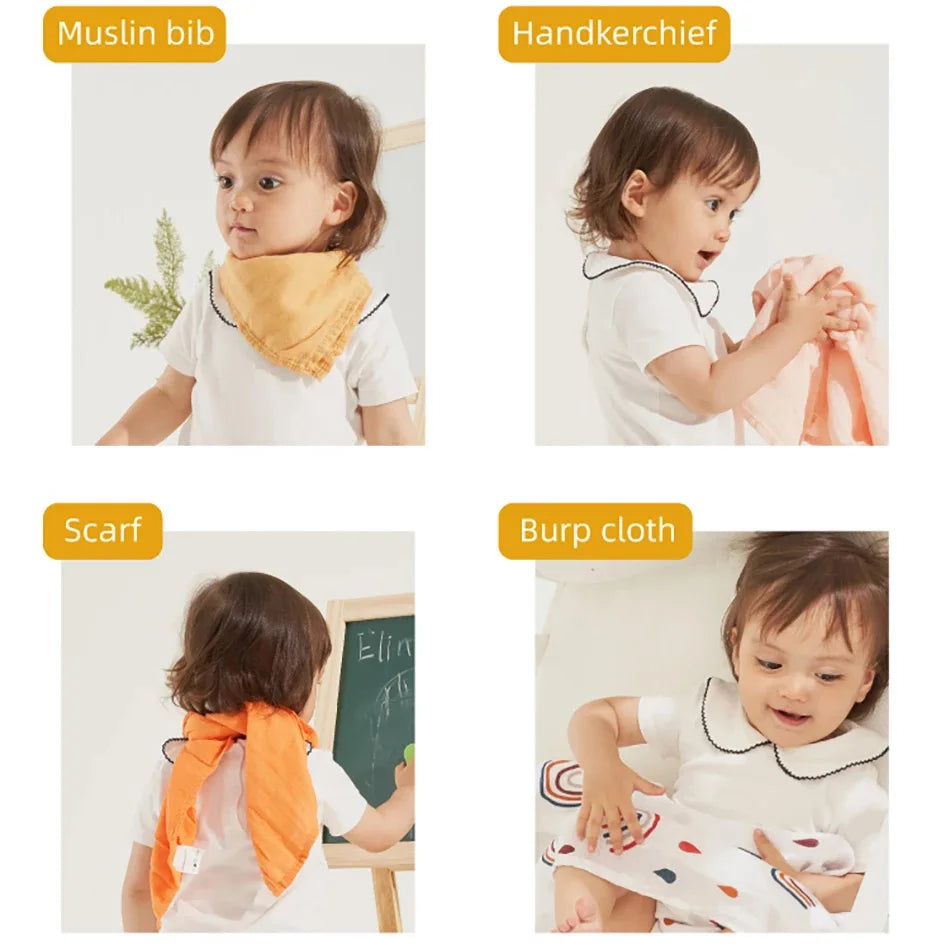
Mid-article view of soft baby bibs in action—see absorbency and fit. Check Feeding & Nursing for more essentials.
Pros & Cons at a Glance
- ✅ Soft fabrics help reduce friction against delicate newborn skin.
- ✅ Breathable materials improve comfort during longer feeding sessions.
- ✅ Snap closures provide a secure fit while reducing the chance of accidental removal.
- ✅ Machine-washable bibs simplify everyday care and frequent use.
- ❌ Silicone bibs excel at catching food but absorb very little milk or drool.
- ❌ Highly absorbent cotton bibs may require multiple changes throughout the day for heavy spit-up.
How to Choose the Right Bib for Your Baby
Selecting the best bibs involves more than appearance. The right combination of fit, absorbency, durability, and ease of care helps keep your newborn comfortable while making daily feeding routines more convenient.
Closure Types
Snap closures are generally the preferred option for newborns because they stay securely fastened, resist repeated washing, and allow adjustable sizing as your baby grows. Hook-and-loop closures can be convenient but may wear over time or catch on delicate fabrics during laundering.
Sizing
A newborn bib should comfortably cover the chest without extending so far that it bunches under the chin. Adjustable neck sizing helps maintain a secure fit while allowing enough room for comfortable movement.
Absorbency
For milk dribbles, spit-up, and early drooling, choose multilayer bamboo, muslin, or cotton fabrics that quickly draw moisture away from your baby's skin. Highly absorbent bibs reduce the need for frequent outfit changes throughout the day.
Washability
Since newborn bibs are used multiple times daily, machine-washable fabrics that retain their softness after repeated laundering offer the best long-term value. Durable stitching and colorfast materials also help bibs maintain their appearance over months of regular use.
Best Materials for Newborn Bibs
The material of a bib has a direct impact on comfort, absorbency, and durability. Choosing the right fabric helps protect delicate newborn skin while making daily feeding routines easier for parents. Each material offers distinct advantages depending on how and when the bib will be used.
Organic Cotton
Organic cotton is exceptionally soft, breathable, and gentle on sensitive skin. Because it is produced without harsh chemical treatments, many parents choose it for everyday feedings and babies prone to skin irritation.
Muslin
Muslin cotton features an open weave that promotes airflow while remaining lightweight. It dries quickly after washing and provides comfortable protection during warm weather or frequent feeding sessions.
Silicone
Food-grade silicone bibs are waterproof and simple to wipe clean, making them an excellent option once babies begin eating solid foods. For newborns who primarily consume milk, however, fabric bibs generally perform better because they absorb moisture instead of allowing it to run off.
Bamboo
Bamboo blends combine impressive absorbency with a silky-soft texture. They naturally wick moisture away from the skin, helping keep your baby's neck and chest dry during spit-up or drooling. Sustainably sourced bamboo fabrics are also a popular choice for families seeking environmentally conscious baby products.
Rather than focusing only on eco-friendly credentials, consider how each fabric performs in everyday use. The best newborn bibs balance softness, breathability, absorbency, and easy care to support comfortable feeding throughout the day.
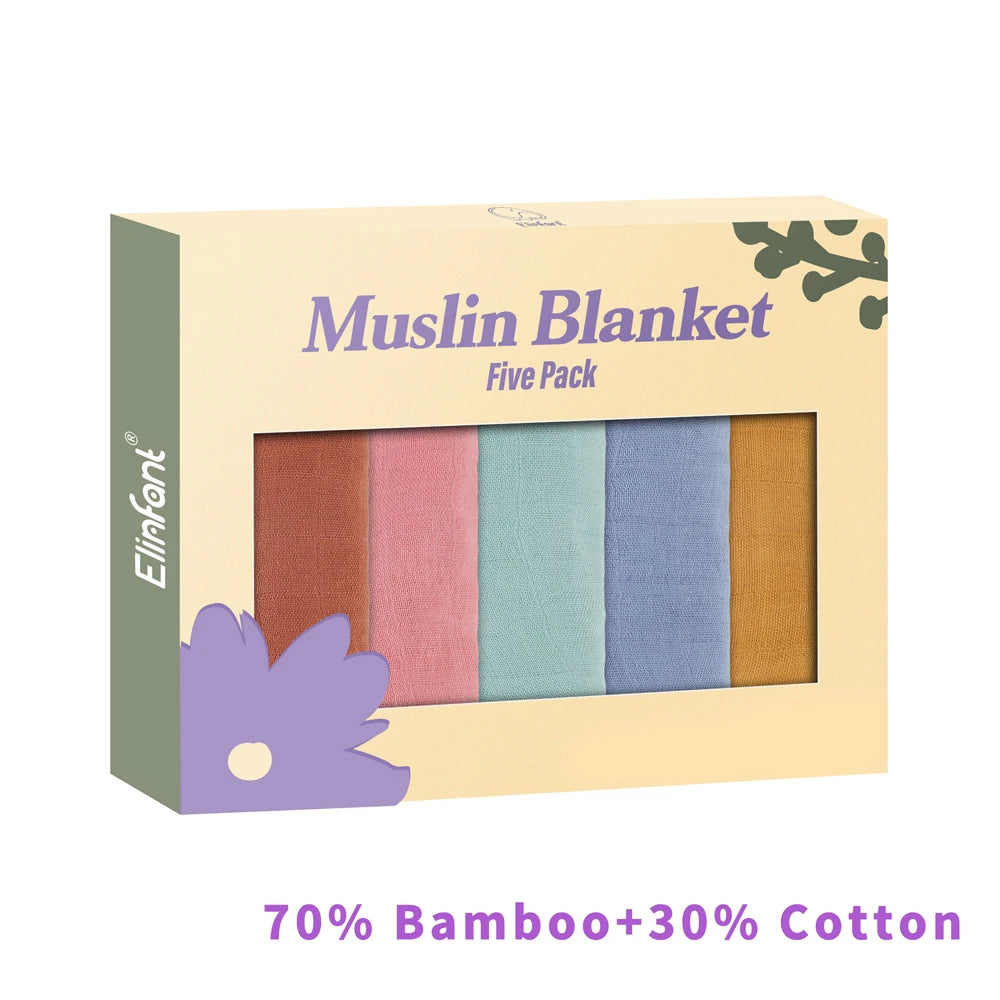
See how soft, breathable bib materials simplify everyday feeding—explore Baby Care Essentials for complementary items.
Frequently Asked Questions
What are the best bibs for newborns?
The best bibs for newborns combine soft, breathable fabrics, reliable absorbency, and a comfortable fit. Bamboo cotton, muslin, and organic cotton bibs with secure snap closures are popular choices because they protect delicate skin, absorb milk and drool effectively, and remain comfortable during daily feeding routines.
Do newborns need bibs?
Newborns do not always need bibs immediately, but they can be helpful from the early weeks when babies experience frequent spit-up, milk dribbles, or drooling. A soft bib can reduce clothing changes and help keep moisture away from sensitive skin during and after feedings.
Are bibs safe for newborns?
Yes, bibs are generally safe for newborns when used correctly. Choose lightweight designs with a comfortable fit, avoid overly tight neck openings, and remove bibs during sleep or when your baby is unattended. Regular washing also helps maintain hygiene and prevent skin irritation.
Can newborns wear bibs all day?
Newborns should not wear bibs continuously throughout the day. Bibs are best used during feeding, drooling periods, or times when spills are likely. Remove and replace damp bibs promptly to help keep your baby's neck area clean and dry.
What is the best material for newborn bibs?
The best material for newborn bibs depends on your baby's needs. Bamboo and organic cotton are excellent for softness and breathability, muslin offers lightweight comfort and quick drying, while silicone is better suited for babies beginning solid foods because it catches food but does not absorb liquids.
What are the most absorbent baby bibs?
The most absorbent baby bibs are usually made with multiple layers of cotton, bamboo, or muslin fabric. These materials help soak up milk, spit-up, and drool while keeping moisture away from your baby's clothing and skin.
How many bibs should a newborn have?
Most newborns benefit from having around 6 to 10 bibs available for daily rotation. Babies with frequent spit-up or heavy drooling may need more, while families with regular laundry routines may need fewer. Having several bibs ready helps ensure a clean option is always available.
When should babies start wearing feeding bibs?
Babies can begin wearing bibs during the newborn stage whenever feeding messes become frequent. Many parents introduce bibs during breastfeeding or bottle feeding to protect clothing, while larger feeding bibs become more useful when babies start eating solid foods.
What is the difference between newborn bibs and feeding bibs?
Newborn bibs are designed primarily for milk, spit-up, and drool protection, so they focus on softness, breathability, and absorbency. Feeding bibs for older babies are often larger and may include waterproof materials or food-catching pockets to handle solid foods.
Pillar Article: Feeding Tips for Newborn: Top Products Reviewed for Busy Parents
Other Related Articles:
- Why My Newborn Keeps Spitting Up: Products That Actually Help
- Infant Feeding Problems: Review of Solutions Every Parent Needs
- Tips for Bottle Feeding Newborn: Products That Make Life Easier
- Newborn Burp Cloths: Which Sets Keep Your Baby Dry Best
Explore More:





