

Best Temperature for Wipes Explained: Prevent Startles and Nighttime Fuss
⏱ 7 min read
A cold baby wipe can quickly turn a peaceful nighttime diaper change into a crying spell. While warming wipes is not medically necessary, many parents find that gently warmed wipes make diaper changes more comfortable, especially for newborns and young infants. In this guide, you'll learn the recommended wipe temperature, why warmth can help reduce nighttime fussiness, and how to warm wipes safely without exposing your baby to excessive heat.
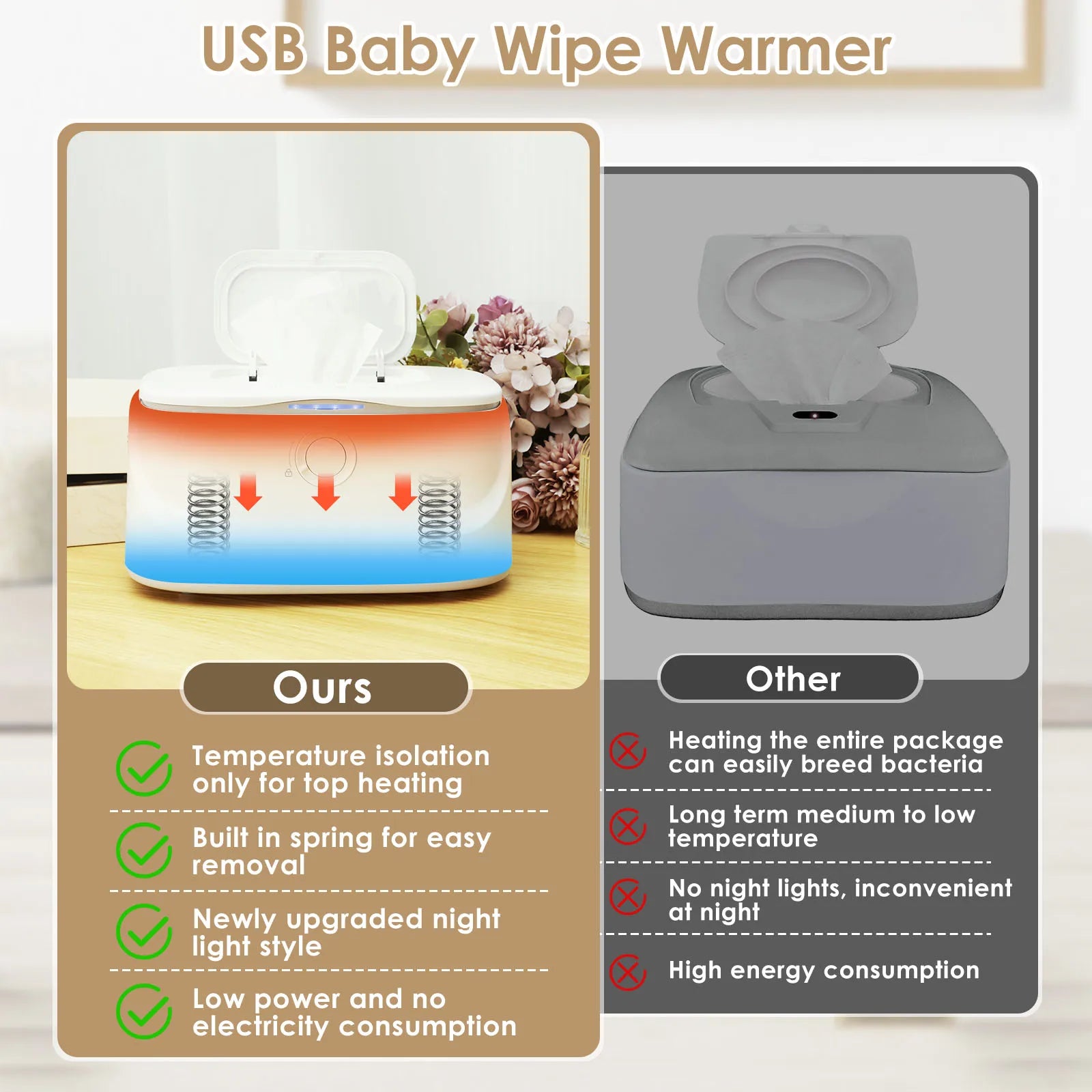
Best temperature for wipes during nighttime diaper changes.
Curious how small comfort upgrades can make daily routines smoother? Start here.
What Temperature Should Baby Wipes Be?
The ideal wipe temperature is close to your baby's natural skin temperature—about 98–100°F (36.5–38°C). Wipes in this range feel comfortably warm instead of cold, helping reduce the sudden sensation that often causes newborns to startle during diaper changes.
A wipe should never feel hot. The goal is gentle comfort rather than added heat. Before using any warmed wipe, briefly test it against the inside of your wrist. If it feels neutral or slightly warm, it's generally an appropriate temperature for use.
Should You Warm Baby Wipes?
Warming baby wipes is completely optional, but many families appreciate the added comfort during nighttime diaper changes. Newborns are especially sensitive to sudden temperature changes, and a cold wipe can interrupt a calm, sleepy routine.
Benefits
- Helps reduce the surprise of cold wipes against delicate skin.
- May decrease crying and squirming during overnight diaper changes.
- Can help babies settle back to sleep more quickly after changing.
- Makes diaper changes feel more comfortable for both baby and caregiver.
Although warm wipes can improve comfort, they are not required for healthy diaper care. Clean wipes used gently are effective whether they are warmed or kept at room temperature.
When room-temperature wipes are fine
Many babies tolerate room-temperature wipes without any issues, particularly during daytime changes or in warmer climates. If your baby doesn't react to cool wipes, there's no medical reason to warm them. A wipe warmer is best viewed as a convenience item rather than a necessity.
Which products help?
If you decide to warm wipes, choose a wipe warmer specifically designed for baby wipes. These devices provide gentle, consistent warmth while helping reduce moisture loss when used correctly. For additional nursery essentials, consider pairing your setup with tools from Temperature Tools or browse Baby Hygiene Gadgets for complementary products.
Safe Temperature Range and How to Measure It
Baby wipes should be comfortably warm rather than hot. The safest target is approximately 98–100°F (36.5–38°C), which closely matches normal skin temperature. Staying within this range helps improve comfort while avoiding unnecessary heat exposure.
| Setting | Temperature (°F) | What It Means |
|---|---|---|
| Cool | <90°F | Safe but may feel cold and cause discomfort during nighttime diaper changes. |
| Recommended | 98–100°F (36.5–38°C) | Feels close to body temperature and provides gentle comfort. |
| Too Hot | >105°F | Can increase the risk of skin irritation, burns, and wipes drying out. |
How to test wipe temperature
Before using a warmed wipe, press it against the inside of your wrist for a few seconds. It should feel comfortably warm without any sensation of heat. If you're using a warmer with adjustable settings, this quick check is usually enough before each diaper change. For added accuracy, you can also verify the temperature using an infrared or probe thermometer from Temperature Tools.
How to Warm Baby Wipes Step by Step
There are several safe ways to warm baby wipes depending on whether you're at home or traveling. The most important rule is to warm them gently and avoid creating hot spots.
Using a wipe warmer
- Choose a wipe warmer specifically designed for baby wipes rather than using a heating pad or other household appliance.
- Allow the warmer to preheat according to the manufacturer's instructions, typically 10–15 minutes.
- Remove one wipe and test it on the inside of your wrist before each use.
- Keep the warmer near your changing station to minimize heat loss.
- Refill the warmer as recommended so the wipes remain moist and evenly warmed.
Warm water method
If you don't have a wipe warmer, place a sealed package of wipes in a comfortably warm room before diaper changes or briefly warm your hands with warm water, dry them thoroughly, and hold a wipe for several seconds before use. Never soak wipes in hot water.
Hands and body heat method
For travel or quick diaper changes, hold a single wipe between your palms for 20–30 seconds or keep it inside your pocket briefly before use. While this won't reach the same consistency as a wipe warmer, it removes much of the chill without requiring electricity.
Avoid microwaving baby wipes. Microwave heating can create dangerous hot spots that are impossible to detect by appearance alone and may increase the risk of burns.
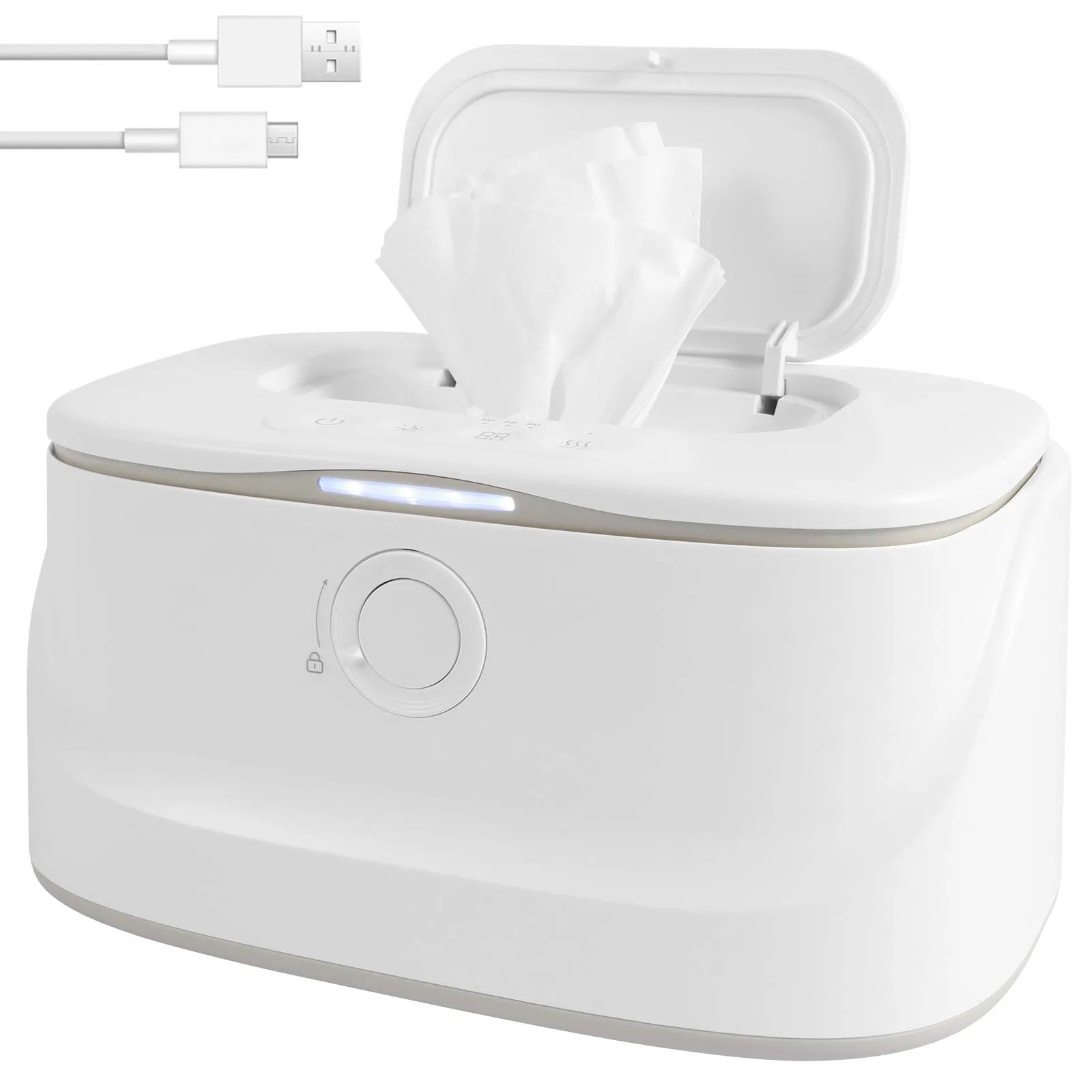
Using a dedicated wipe warmer helps maintain a consistent, gentle temperature.
Practical guides and nursery essentials can help make every diaper change smoother and more comfortable.
How to Use a Baby Wipe Warmer Correctly
Using a wipe warmer properly helps maintain consistent warmth while keeping wipes moist and ready for every diaper change.
Setup
- Place the warmer on a stable, dry surface near your changing station.
- Load wipes according to the manufacturer's instructions.
- Select the recommended temperature setting instead of the highest heat level.
Daily use
- Close the lid completely after removing each wipe to reduce moisture loss.
- Check the wipe temperature before use, especially after long periods of warming.
- Refill the warmer before it becomes completely empty to maintain proper moisture levels.
Maintenance
- Clean the interior regularly following the manufacturer's care instructions.
- Remove any moisture buildup or residue during routine cleaning.
- Inspect the warmer periodically to ensure it continues heating evenly.
For a complete nighttime setup, consider pairing your wipe warmer with products from Sleep & Comfort to create a calmer overnight diaper-changing routine.
Warm Wipes vs Room-Temperature Wipes
Both warmed and room-temperature wipes clean effectively. The right choice depends on your baby's preferences, your daily routine, and whether you want extra comfort during diaper changes.
Pros and cons
| Warm Wipes | Room-Temperature Wipes |
|---|---|
| May reduce startling during nighttime diaper changes. | No equipment or electricity required. |
| Can help make overnight changes feel calmer. | Ideal for travel and diaper bags. |
| Consistent comfort when using a quality wipe warmer. | Minimal maintenance and no additional cost. |
| Requires a warmer, power source, and occasional cleaning. | May feel cold to some newborns, especially overnight. |
Which families benefit most?
A wipe warmer can be worthwhile if you frequently change diapers overnight, have a newborn who reacts strongly to cold wipes, or simply want a more comfortable bedtime routine. Families looking for ways to keep baby wipes warm often appreciate the added convenience of having wipes ready at a consistent temperature.
If you mostly change diapers during the day, travel often, or prefer a minimalist nursery setup, room-temperature wipes are a practical choice. Many parents use warmed wipes at home and standard wipes while away from home.
Safety Checklist Before Every Diaper Change
- ✅ Test the first warmed wipe on the inside of your wrist.
- ✅ Keep wipe temperatures close to 98–100°F (36.5–38°C).
- ✅ Make sure wipes remain moist and are not drying out inside the warmer.
- ✅ Clean the wipe warmer regularly according to the manufacturer's instructions.
- ✅ Replace wipes promptly and keep the lid closed between uses.
- ✅ Stop using the warmer if it overheats or shows signs of damage.
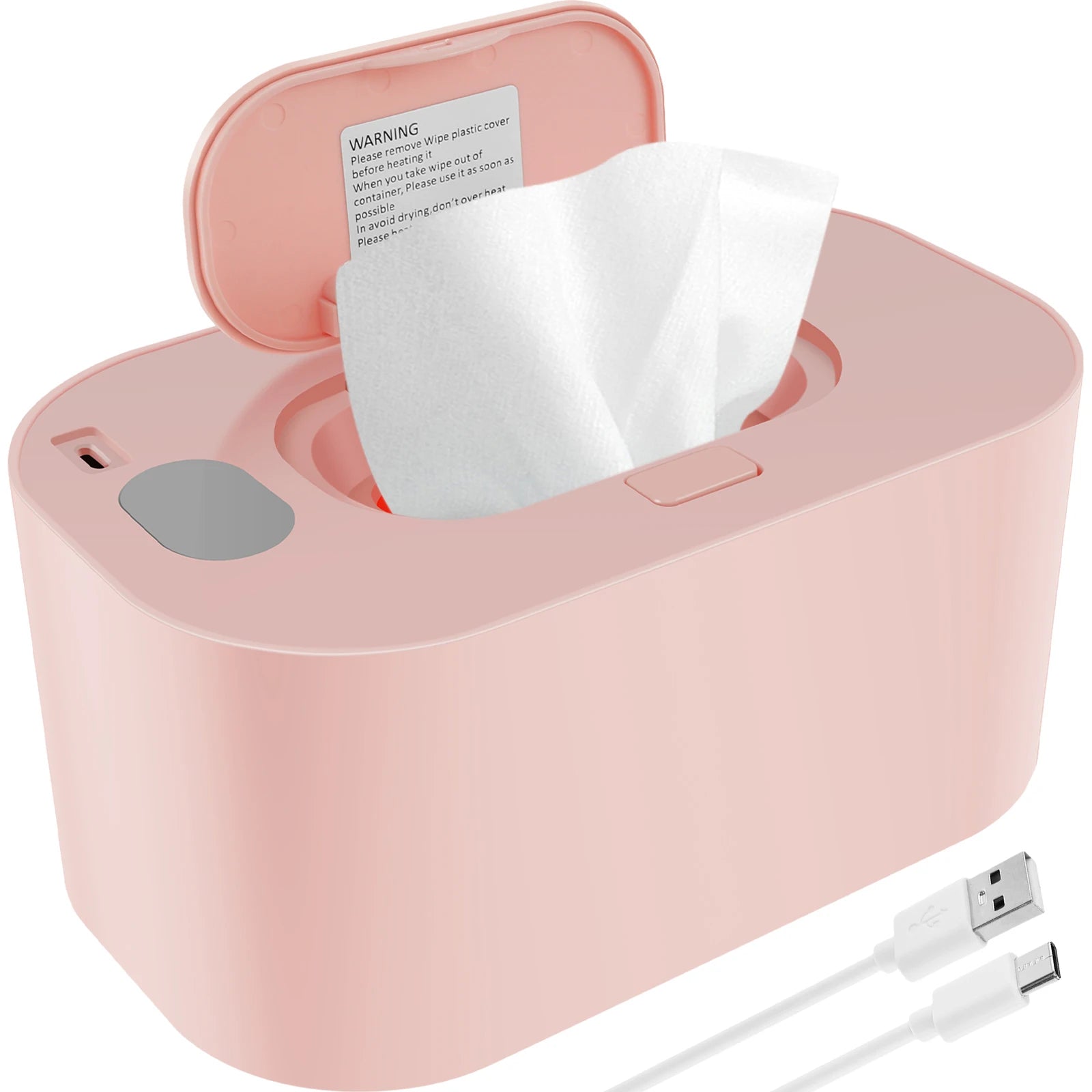
A properly warmed wipe can help create a more comfortable nighttime diaper-changing routine.
The USB baby wipe warmer helps maintain gently warmed wipes for overnight diaper changes while keeping them ready when you need them.
Frequently Asked Questions
1. How do you keep baby wipes warm all night?
A dedicated wipe warmer is the most reliable option for keeping wipes at a comfortable temperature throughout the night. Keep the lid closed between diaper changes, refill the warmer as recommended, and follow the manufacturer's care instructions to maintain moisture and consistent warmth.
2. How do you warm baby wipes without a wipe warmer?
If you don't have a wipe warmer, hold a single wipe between your hands for 20–30 seconds, keep the wipe pack in a comfortably warm room, or briefly warm the sealed package using body heat. These methods help remove the chill without overheating the wipes.
3. Can you microwave baby wipes?
No. Microwaving baby wipes is not recommended because it can create uneven heating and dangerous hot spots that may burn your baby's delicate skin. Use gentle warming methods instead.
4. Can you leave a wipe warmer on all day?
Many modern wipe warmers are designed for continuous operation, but you should always follow the manufacturer's instructions for your specific model. Choose a warmer with temperature regulation, inspect it regularly, and unplug it if recommended by the manufacturer.
5. Do baby wipe warmers grow bacteria?
A properly maintained wipe warmer does not automatically encourage bacterial growth. Keeping the warmer clean, replacing wipes regularly, and preventing excess moisture buildup are the best ways to maintain good hygiene.
6. What temperature should baby wipes be?
For the best balance of comfort and safety, baby wipes should be close to normal skin temperature—about 98–100°F (36.5–38°C). Always test the wipe on the inside of your wrist before use.
7. Will a wipe warmer dry out wipes?
Not when used correctly. Keeping the lid closed, refilling the warmer properly, and avoiding excessive heat help retain moisture. A quality wipe warmer is designed to warm wipes gently while minimizing drying.
8. When should you start using baby wipes?
Many parents begin using baby wipes shortly after birth, although some healthcare providers recommend using plain water and cotton pads for babies with very sensitive skin during the first few weeks. If your newborn has a rash or skin concerns, consult your pediatrician for personalized guidance.
Schema-ready answer: What temperature should baby wipes be? Keep baby wipes at approximately 98–100°F (36.5–38°C) so they feel comfortably warm without becoming hot. Always test a warmed wipe on the inside of your wrist before using it on your baby.
Pillar Article: How to Warm Wipes Safely: Step-by-Step Guide for Calmer Diaper Changes
Other Related Articles:
- Safe Wipe Warming Tips Every Parent Should Know for Stress-Free Changes
- Keep Baby Wipes Warm Easily: Simple Daily Routine Any Parent Can Follow
- Cold Wipes Hurting Baby? Top Warmers Reviewed for Gentle, Cozy Changes
Explore More:





