

Does warming baby wipes really help soothe fussiness during diaper changes?
Yes — safe wipe warming tips can make diaper changes more comfortable by reducing the sudden cold sensation of a room-temperature wipe on your baby’s skin. A properly used wipe warmer keeps wipes gently warm, but the best results come from combining comfortable temperatures, regular cleaning, and calm diaper-changing habits.
⏱ 7 min read
Safe Wipe Warming Tips Every Parent Should Know for Stress-Free Changes
If you are wondering do wipe warmers work or searching for wipe warmers safe practices, the key is learning how to use them correctly. A baby wipe warmer can reduce cold-wipe discomfort during diaper changes, but safe setup, proper temperature control, and good hygiene are essential for protecting your baby’s sensitive skin.
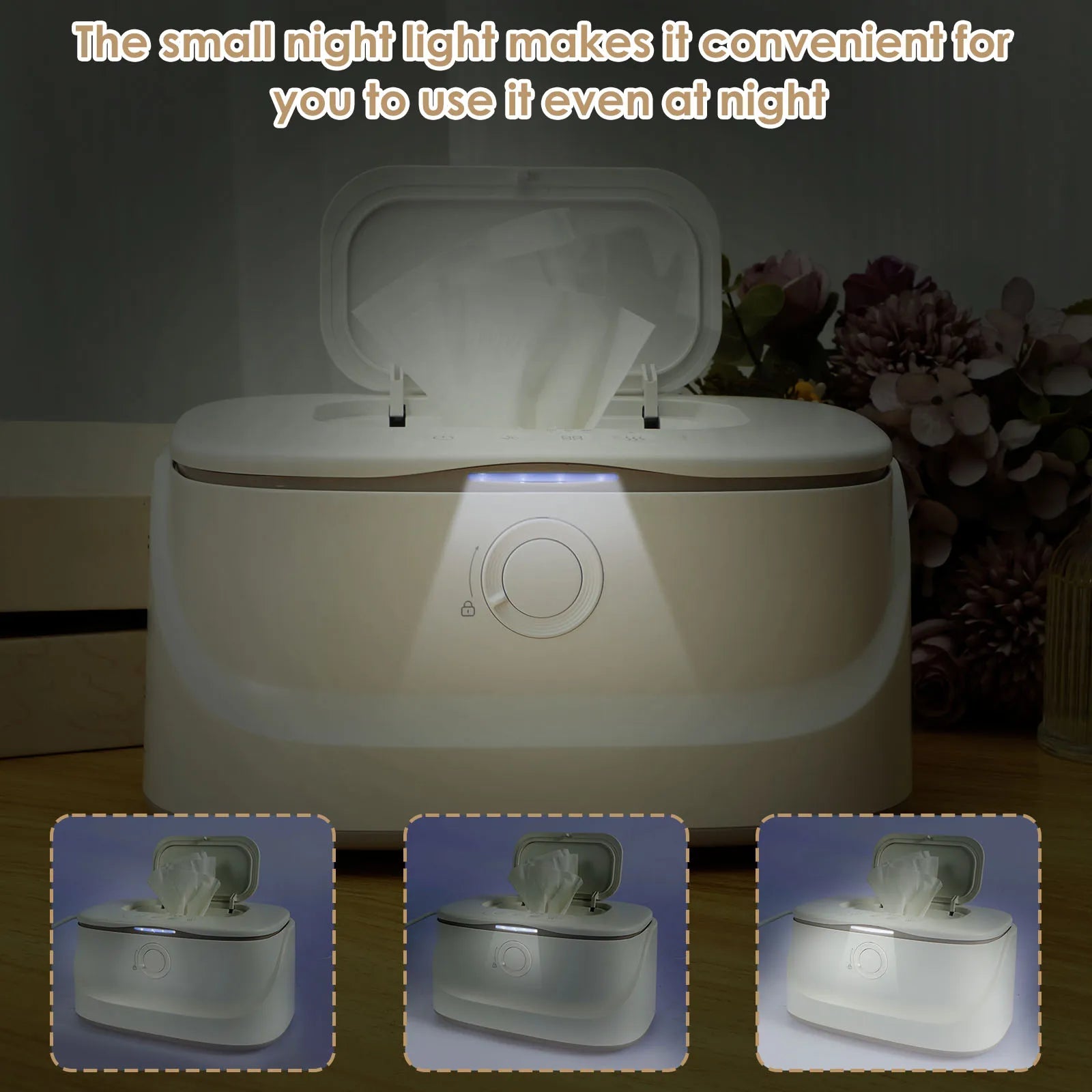
safe wipe warming tips + wipe warmers safe — See it in action.
Why warm wipes help (and when they don’t)
Direct answer: Warm wipes can help some babies tolerate diaper changes better because they feel closer to body temperature than cold wipes. When used correctly, they may reduce the initial temperature shock that causes some babies to startle, cry, or resist being changed.
Babies have delicate skin and can be sensitive to sudden temperature changes. A cool wipe during a nighttime diaper change may feel uncomfortable, especially when a baby is already sleepy or unsettled. A wipe warmer creates a more consistent experience, but it is not a solution for every diaper-change issue. Hunger, tiredness, diaper rash, room temperature, and handling technique can also affect your baby’s comfort.
Key benefits caregivers look for
- Reduces the sharp cold sensation of room-temperature wipes
- Creates a more predictable diaper-changing routine
- May make nighttime diaper changes less disruptive
- Helps caregivers slow down and handle changes more comfortably
Which baby gear suits your newborn best? Read on!
Top safety steps to make wipe warmers safe
Following proper wipe warmer safety tips helps you get the comfort benefits while reducing potential risks. The goal is gentle warmth — never heat.
- Keep temperatures low: Choose a gentle warming setting designed for baby products. Always test a wipe on the inside of your wrist before touching your baby’s skin.
- Use a temperature-controlled warmer: Automatic temperature regulation helps prevent excessive heating compared with homemade warming methods.
- Avoid keeping wipes stored too long: Warm, moist environments require proper rotation and cleaning to reduce the chance of odor, residue, or contamination.
- Check for uneven heating: If one area of a wipe feels noticeably warmer than another, remove it and check the warmer setup.
- Clean according to instructions: Regular maintenance helps prevent buildup inside the container where wipes are stored.
- Keep cords and devices away from children: Place the warmer on a stable surface where babies and toddlers cannot pull the cable or knock it over.
Do wipe warmers work? The quick reality
Yes, do wipe warmers work is a common question among new parents, and many find them useful for babies who dislike cold wipes. The biggest benefit comes from comfort and consistency rather than the warmer itself solving all diaper-change challenges.
For babies with sensitive skin, select gentle wipes without unnecessary fragrances or harsh ingredients, monitor for irritation, and avoid using wipes that feel hot rather than comfortably warm.
How to Use a Wipe Warmer: Complete Step-by-Step Guide
Learning how to use a wipe warmer correctly helps maintain a comfortable temperature while protecting wipe quality and your baby’s sensitive skin. Follow these wipe warmer instructions from setup to daily use for a safer diaper-changing routine.
First-time setup and preparation
- Choose a stable location near your changing station, away from water sources, direct sunlight, and areas where cords can be pulled.
- Read the manufacturer’s instructions before the first use, especially recommended temperature settings and cleaning requirements.
- Plug in the warmer or charge it if using a portable model, then allow enough time for the unit to reach the selected temperature.
- Start with the lowest comfortable warming setting. The goal is a gentle, skin-like warmth rather than a hot wipe.
How to load wipes correctly
The best way to use a wipe warmer starts with proper loading. Incorrect placement can lead to uneven heating, dried-out wipes, or difficulty pulling wipes out during changes.
- Open the warmer and place wipes according to the device design. Some models work best with full refill packs, while others are designed for individual stacks.
- Avoid overfilling the container because tightly compressed wipes may not warm evenly.
- Make sure the first wipe is positioned correctly so it can be pulled easily without exposing the remaining wipes to excess air.
- Close the lid completely after loading to help maintain moisture.
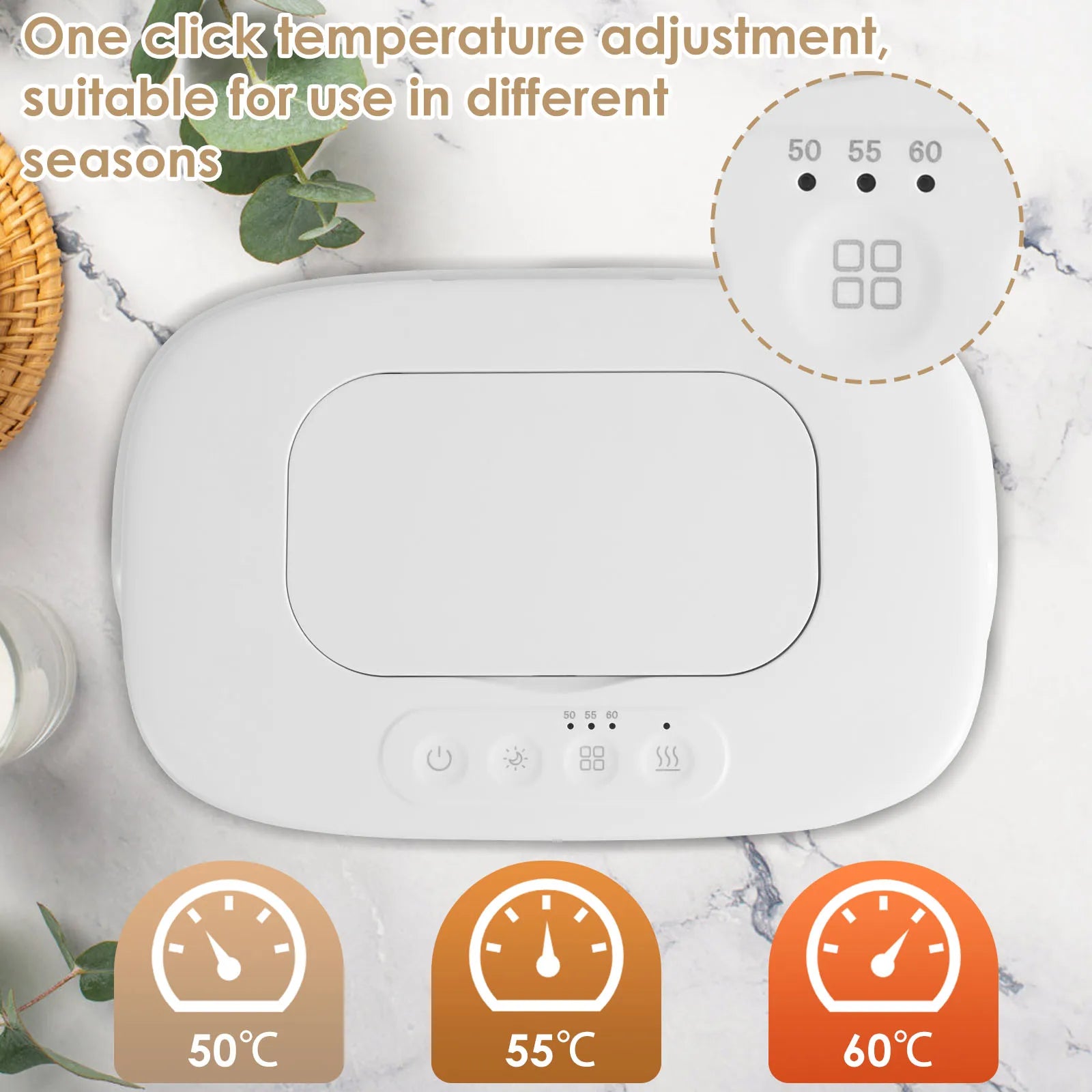
wipe warmers safe + crying during diaper change — See it in action.
Daily use routine for diaper changes
- Before each diaper change, check that the warmer is operating normally and the wipes are not overheated.
- Test the first wipe on the inside of your wrist. It should feel comfortably warm, never hot.
- Use warmed wipes during the cleaning portion of the diaper change while keeping your baby comfortable with gentle movements and a calm routine.
- Close the warmer lid after removing wipes to reduce moisture loss.
- Replace wipes regularly instead of allowing the same batch to remain inside the warmer for extended periods.
Quick checklist for safe warming
- Low temperature setting selected
- Wrist test completed before use
- Wipes loaded correctly
- Lid closed after every use
- Warmer cleaned according to schedule
- Device kept away from baby’s reach
How to Clean and Maintain a Wipe Warmer
Regular maintenance is an important part of keeping a wipe warmer safe. Because warmers hold moisture and are used frequently, consistent cleaning helps prevent buildup, odors, and dried residue.
Cleaning schedule and maintenance routine
- Daily care: Wipe away visible moisture or residue around the lid, opening area, and exterior surfaces.
- Weekly cleaning: Unplug the warmer before cleaning. Remove remaining wipes, clean interior surfaces according to the manufacturer’s recommendations, and allow the unit to dry completely before refilling.
- Regular wipe replacement: Avoid leaving wipes unused for long periods. Rotate refills regularly to keep wipes fresh.
- Check seals and lids: Make sure closures remain secure to help prevent wipes from drying out.
Preventing mold and unpleasant odors
- Do not store wipes in a warmer indefinitely.
- Dry the container fully after deep cleaning before adding new wipes.
- Clean immediately if you notice a musty smell, discoloration, or unusual residue.
- Follow the product manufacturer’s instructions instead of using harsh cleaners that may leave unwanted residue.
Common Wipe Warmer Mistakes to Avoid
Even when using a quality wipe warmer, small mistakes can affect performance, wipe moisture, and overall safety. Avoiding these common issues helps you follow the best way to use a wipe warmer while keeping diaper changes simple and hygienic.
- Loading too many wipes at once: Overfilling the container can prevent even warming and make wipes harder to pull out smoothly.
- Leaving wipes inside for too long: Rotate wipes regularly instead of storing the same batch for extended periods.
- Skipping routine cleaning: Moist environments need regular care to prevent odors, residue, and buildup.
- Using high heat settings unnecessarily: A warmer should create gentle comfort, not make wipes hot. Always check temperature before use.
- Forgetting to close the lid: An open lid allows moisture to escape and can cause wipes to dry out faster.
- Using incompatible wipes: Check the warmer instructions because some models work better with specific wipe sizes, refill styles, or materials.
Using a Wipe Warmer at Home and While Traveling
A baby wipe warmer guide should include both home routines and on-the-go situations. While most wipe warmers are designed for changing stations, parents can adjust their routine when traveling or spending time away from home.
Travel tips for keeping wipes comfortable on the go
- Pack a backup wipe supply: Keep a sealed pack of room-temperature wipes available in your diaper bag in case warming is unavailable.
- Use portable options when needed: Compact warmers can be useful for frequent trips, overnight stays, or visits where maintaining a familiar diaper routine helps.
- Prepare before leaving home: Warm wipes before short outings when possible, but avoid keeping warmed wipes stored for long periods without proper temperature control.
- Protect wipe moisture: Keep wipe containers sealed during travel to prevent drying.
At home, a wipe warmer works best when placed near your changing station with other everyday baby essentials. During travel, focus on convenience, hygiene, and having reliable backup supplies.
What About Babies With Sensitive Skin?
Babies with sensitive skin may still benefit from comfortable wipe temperatures, but choosing the right wipes and maintaining good hygiene are especially important. Warmth alone does not prevent irritation caused by ingredients, friction, or frequent diaper changes.
- Choose fragrance-free and alcohol-free wipes when possible.
- Keep warming temperatures low and always test wipes before use.
- Avoid rubbing aggressively; use gentle wiping motions during changes.
- Stop using any wipe product that appears to cause redness, dryness, or irritation.
If your baby develops persistent rash, swelling, or signs of discomfort, consult a pediatric healthcare professional for guidance on suitable skincare products and diaper routines.
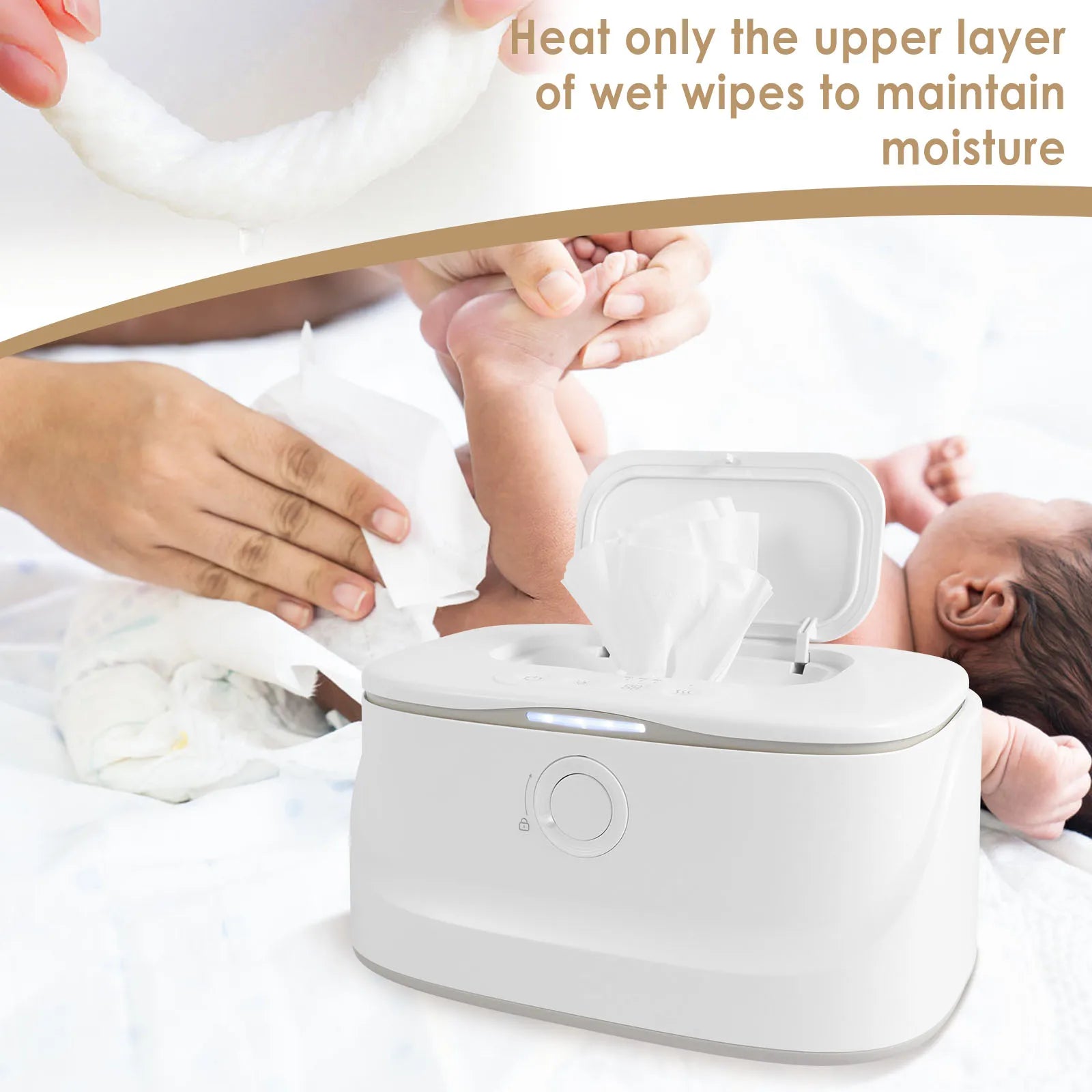
do wipe warmers work? + crying during diaper change — See it in action.
Final Practical Routines to Try Tonight
- Set your warmer to the lowest comfortable setting and complete a wrist test before each diaper change.
- Keep a sealed backup pack of room-temperature wipes available for travel, power interruptions, or quick changes away from home.
- Combine warm wipes with gentle handling, a calm voice, and a consistent diaper-changing routine to help your baby feel more comfortable.
Frequently Asked Questions About Wipe Warmers
-
Can you leave a wipe warmer on all day?
Many wipe warmers are designed for continuous use, but safe operation depends on following the manufacturer’s instructions. Keep the temperature setting low, clean the unit regularly, and avoid leaving wipes stored inside for longer than recommended.
-
Are wipe warmers safe for newborns?
Yes, wipe warmers can be safe for newborns when used correctly. Always check the wipe temperature before use, avoid overheating, maintain good hygiene, and keep the device and cords away from your baby’s reach.
-
How do you keep wipes warm without drying them out?
Keep wipes warm without drying by closing the warmer lid completely after each use, loading wipes correctly, avoiding overfilling, and replacing wipes regularly. Proper moisture balance helps maintain comfortable wipes while preventing unnecessary waste.
-
How often should you clean a wipe warmer?
Clean the exterior and wipe-access area regularly, and perform a deeper cleaning at least once a week or according to the manufacturer’s instructions. Regular maintenance helps prevent odors, residue, and moisture buildup.
-
Why are my wipes drying out in the warmer?
Wipes may dry out if the lid is not closing properly, wipes are stored too long, the container is overfilled, or moisture escapes during frequent use. Check the seal, reload correctly, and replace old wipes with a fresh pack.
-
Can all baby wipes be used in a wipe warmer?
Not every wipe warmer works equally well with every wipe type. Check the warmer instructions for recommended sizes and refill styles, and make sure wipes fit properly without being compressed too tightly.
Pillar Article: How to Warm Wipes Safely: Step-by-Step Guide for Calmer Diaper Changes
Other Related Articles:
- Best Temperature for Wipes Explained: Prevent Startles and Nighttime Fuss
- Keep Baby Wipes Warm Easily: Simple Daily Routine Any Parent Can Follow
- Cold Wipes Hurting Baby? Top Warmers Reviewed for Gentle, Cozy Changes
Explore More:





