

Does the best towel for toddlers really stop post-bath shivers?
The best towel for toddlers can stop post-bath shivers by combining high absorbency, a warm close-weave, and a fast-drying finish. Choose a soft, hooded muslin or terry option, pat—not rub—dry, wrap immediately, and move to a warm, drafted-free space for 30–60 seconds to lock in warmth and comfort.
⏱ 7 min readBest Towel for Toddlers: How to Stop Post-Bath Shivers Fast
Worried your toddler shivers immediately after bath time? You’re not alone. Many parents face cold, wriggly toddlers who hate being dried. This guide shows simple, practical steps, fabric choices, and quick parent-tested routines that stop shivers fast — and how a well-designed towel (like our muslin hooded poncho) makes bath-to-bed transitions calmer and warmer.
Why toddlers shiver after a bath (and what that really means)
Post-bath shivering is normal: toddlers lose heat quickly because of wet skin, a high surface-area-to-body ratio, and active circulation after warm water. Shivering is their body’s way to generate heat — but the good news is a few small changes in towel choice and routine reduce it dramatically.
Common pain points parents report
- Kids escape while wet and become chilled.
- Rubbing irritates sensitive skin or causes tangles.
- Towels that stay damp encourage repeat chills.
- Busy nights: drying + dressing feels rushed and stressful.
Which towel will keep your child warm and happy? Read on!
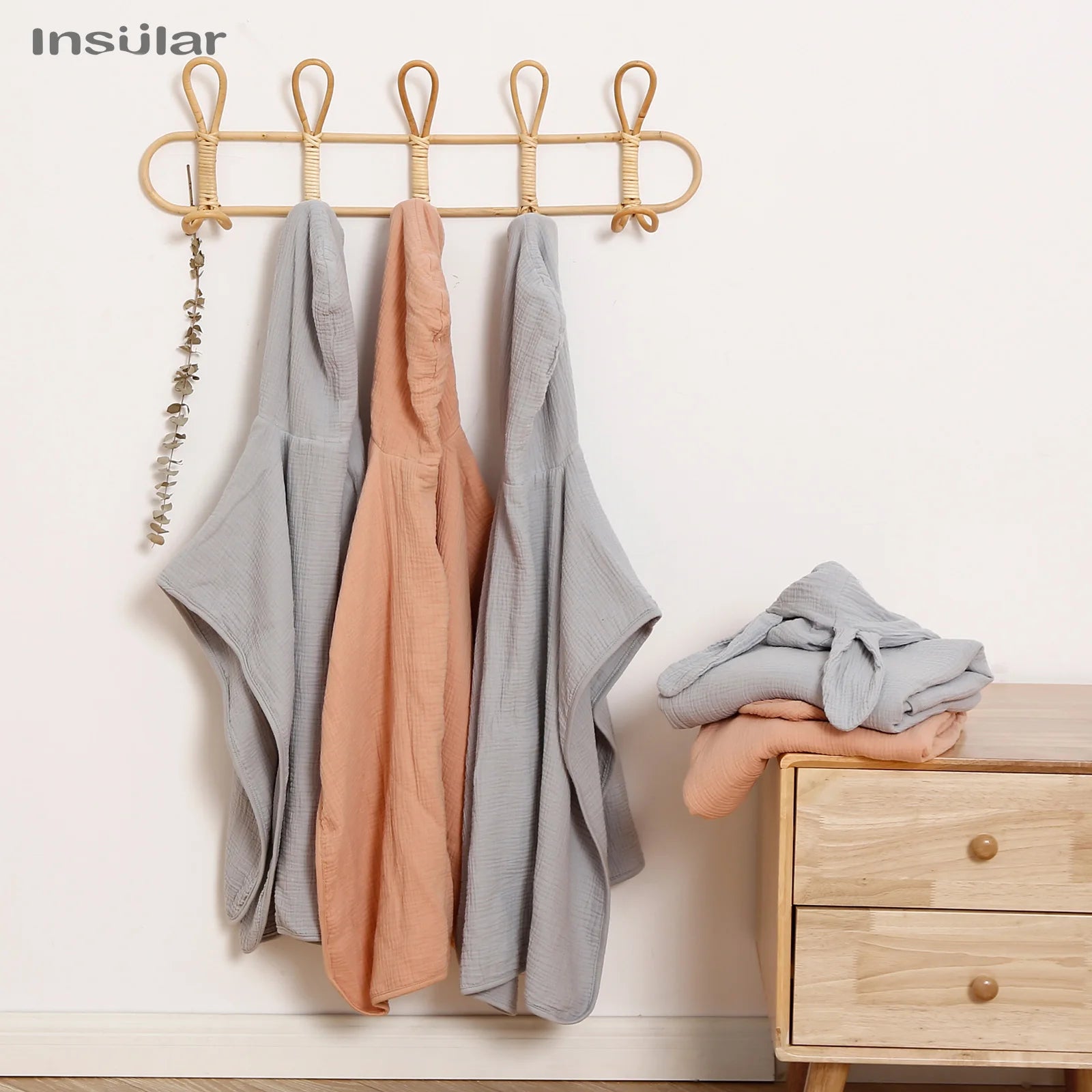
best towel for toddlers, nan — 💡 See it in action
Quick solution: the towel-first routine that stops shivers
Answer: The fastest way to stop shivers is to have a warm, absorbent hooded towel ready beside the tub, use a gentle patting method to remove surface water, immediately wrap and hood, then finish dressing in a warm, draft-free spot. The right towel speeds each step.
- Preheat towel (drape over radiator or warm in dryer for 2–3 minutes).
- Pat toddler from head to toes with a plush, absorbent towel—don’t rub.
- Wrap with hood on, snuggle for 30–60 seconds to stabilize temperature.
- Dress quickly into warm sleepwear or a romper; add socks if needed.
How to pick the best towel for toddlers
Light, fluffy, or thin? Here’s how each fabric behaves and which works best for toddlers who shiver:
- Muslin (woven cotton): lightweight, breathable, surprisingly warm when layered; dries fast — ideal for parents who need quick-turnaround laundry.
- Turkish cotton / long-staple cotton terry: highly absorbent and soft; great for colder homes but longer to dry.
- Bamboo blends: naturally soft and moisture-wicking; a good choice for sensitive skin.
- Microfiber: absorbent and fast-drying, but can feel less natural against delicate toddler skin.
For most families juggling bath time, a hooded muslin or a cotton-terry hooded poncho hits the balance of warmth, absorbency, and convenience. If you’re curious, try our muslin option: muslin baby hooded poncho towel.
Material checklist — what to look for
- Hooded design to trap heat at the head.
- High GSM for warmth, but not so dense it never dries.
- Soft seams and a roomy fit for quick dressing.
- OEKO-TEX or similar safety certification for chemical-free fabrics.
Step-by-step drying & warming routine (parent-tested)
Follow these steps each bath time to cut chills and tantrums.
- 1 — Prep the space: Close windows, turn on a bathroom heater or fan on low, and have towel and clothes within arm’s reach.
- 2 — Pre-warm the towel: Toss towel in dryer for 2–3 minutes or lay it over a warm surface so it doesn’t feel icy on skin.
- 3 — Quick pat-dry: Scoop your child from the tub, support their neck, and gently pat water off rather than rubbing.
- 4 — Hood + wrap: Place the hood and wrap the towel snugly; hold child close for 30–60 seconds to stabilize body temperature.
- 5 — Dress efficiently: Put on a warm onesie or sleep sack, socks, and a snug hat if the house is cold.
Compare top towel types (clear pros & cons)
| Towel Type | Pros | Cons |
|---|---|---|
| Muslin hooded poncho | Light, fast-drying, easy to wear | Less plush, may need layering in cold homes |
| Cotton terry hooded towel | Very absorbent, warm | Takes longer to dry |
| Bamboo blend | Soft, hypoallergenic | Can be pricey, varied dry times |
Quick recommendation
If you need one product to try: a hooded muslin poncho gives fast warmth, fast drying, and easy dressing — perfect for busy families and repeated nightly washes.
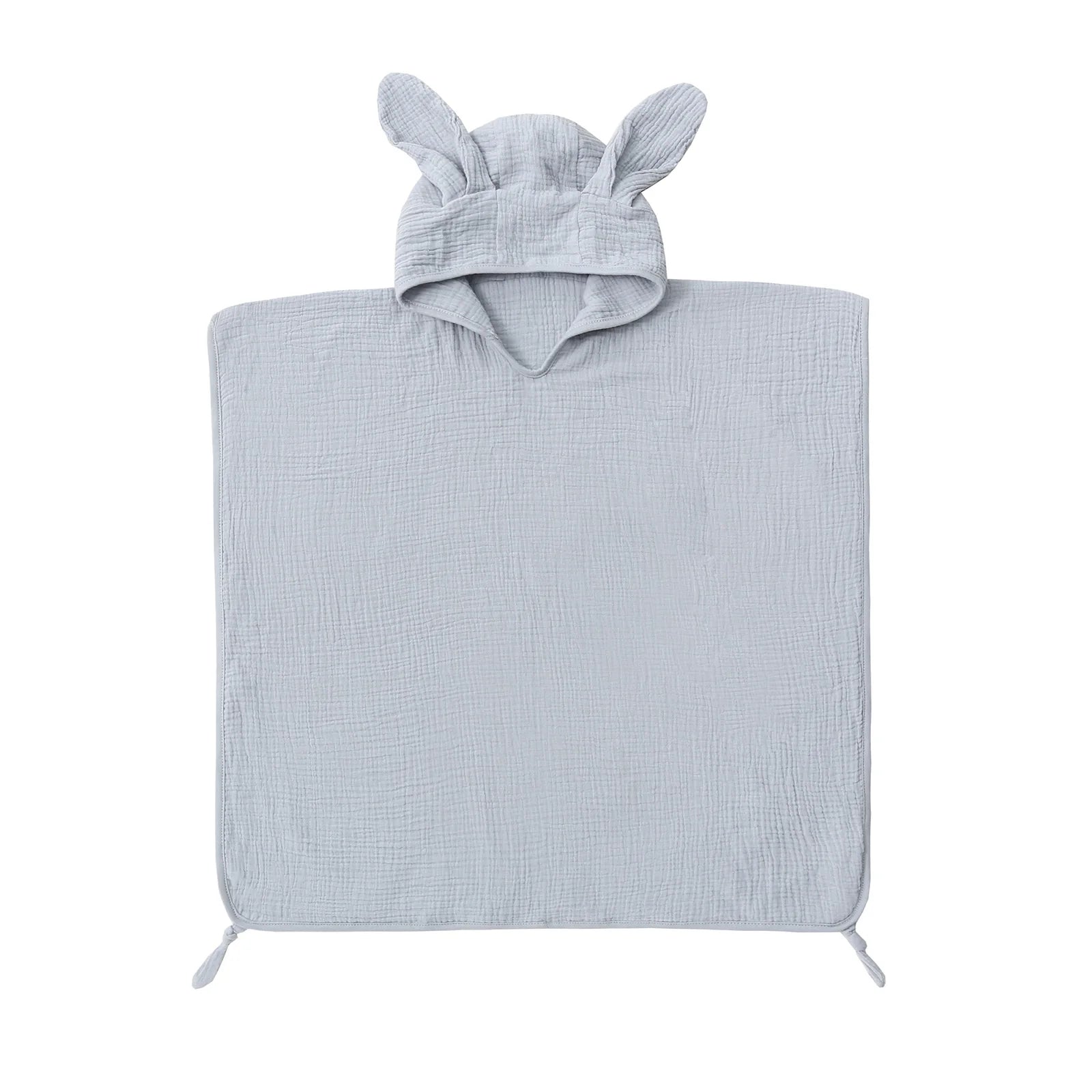
best towel for toddlers, nan — 💡 See it in action
How the muslin hooded poncho solves common bath-time problems
Direct answer: The muslin hooded poncho keeps toddlers warm by sealing the head and torso immediately after the bath, using breathable but insulating layers that wick moisture and reduce chill. It’s easy to slip on, encourages calm snuggles, and dries fast for daily use.
- Faster wrapping: Poncho design eliminates wrestling with a loose towel.
- Gentle on skin: Soft muslin avoids friction that irritates skin or hair.
- Quick laundry: Dries faster so you can reuse nightly without mildew.
See the product here: muslin baby hooded poncho towel.
Add-on tips: gear and small changes that help
- Warm changing stations: Keep a small blanket or a warmed pad to sit on during dressing. For gear ideas, check Sleep & Comfort.
- Temperature check: Ensure bathwater is 37–38°C (98–100°F). For gadgets, see Temperature Tools.
- Layer smart: Use a onesie under a sleep sack to trap heat efficiently.
- Plan transitions: Move from tub to bed in one smooth sequence to minimize exposure.
Safety note
Always support your toddler when drying and avoid leaving them unattended on elevated surfaces. Choose certified, non-toxic fabrics and double-check labels for recommended care to avoid shrinkage that reduces coverage.
What parents say — real quick reviews
- “No more post-bath screaming — the hooded poncho saved bedtime.” — Alicia, mom of two.
- “Dries overnight and still feels soft. We use it every day.” — Mark, toddler dad.
- “Light enough for summer, warm enough for winter when layered.” — Priya, new parent.
Mini FAQ
-
How often should I wash a toddler towel?
Wash after 2–3 uses or sooner if heavily soiled. Fast-drying muslin can handle nightly washing without losing softness.
-
Is hood necessary?
Yes — covering the head prevents the largest source of heat loss and helps toddlers feel snug and calm.
-
Can I warm the towel in the dryer safely?
Yes — 1–3 minutes on low heat is fine for cotton muslin or terry. Avoid overheating and always check fabric care instructions.
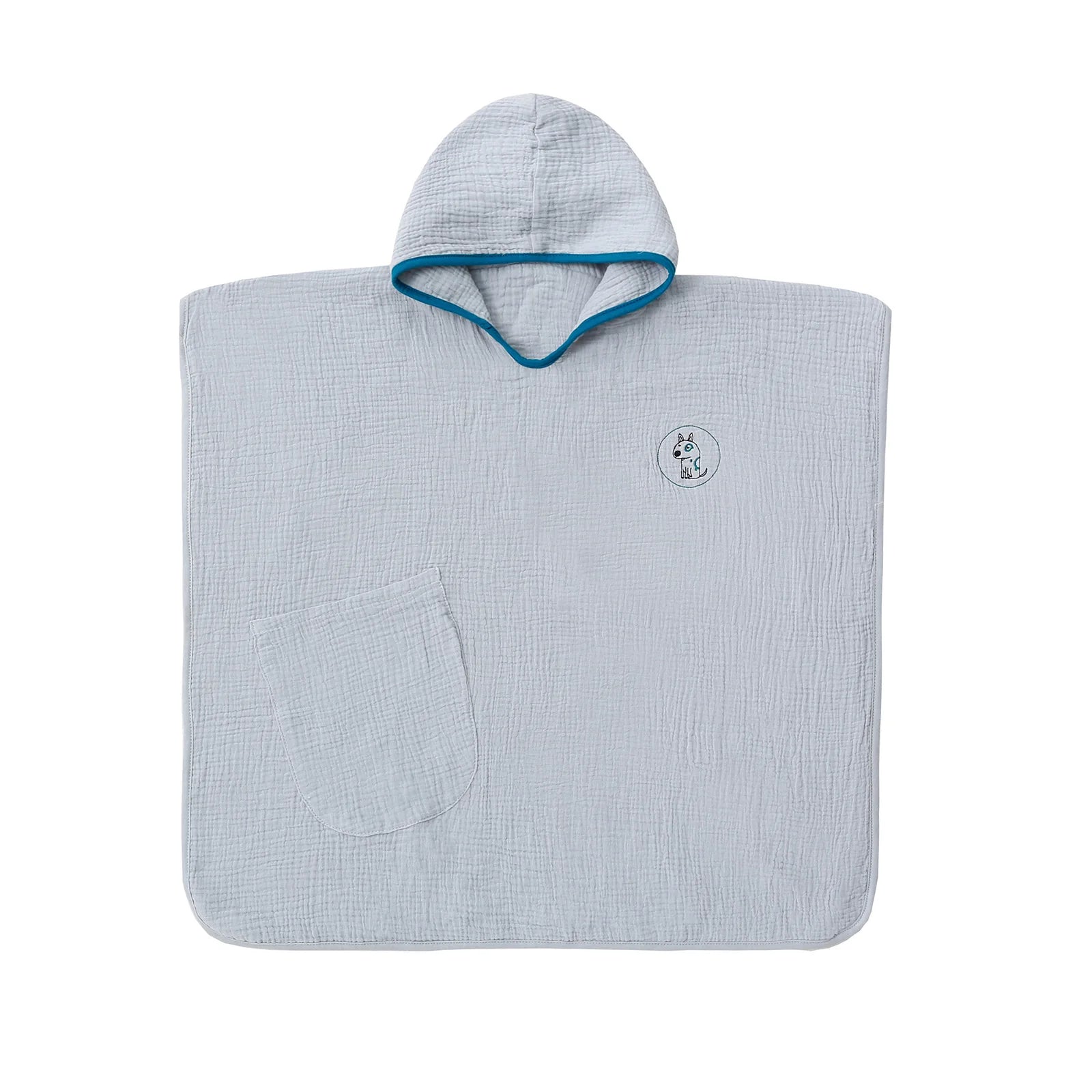
best towel for toddlers, nan — 💡 See it in action
Final thoughts — calm, warm, and simpler nights
Reducing post-bath shivers is mostly about speed and materials: pre-warm the towel, pat dry, hood and wrap, then dress in a warm spot. The best towel for toddlers is a hooded design that balances absorbency and quick drying. Try a muslin hooded poncho for an easy, parent-friendly routine.
Related gear you might like: Baby Bath Accessories, Baby Care Essentials, Temperature Tools.
Mini FAQ (schema-ready)
- What is the best towel for toddlers?
- A hooded muslin or cotton-terry towel with good absorbency and a hood is best — it traps heat quickly and makes dressing faster.
- How do I stop my toddler from shivering after bath?
- Pre-warm the towel, pat dry (don’t rub), wrap with the hood, and dress in a warm, draft-free area within 60 seconds.
- Can a towel be too warm?
- Overheated towels aren’t necessary; a slightly warm towel feels comfortable. Avoid very hot towels that might scald—test before use.
Pillar Article: How to Towel Dry Hair Safely for Faster, Frizz-Free Results
Other Related Articles:
- Quick Dry Baby Towel Tips Every Parent Should Use
- How to Keep Baby Warm After Bath Without Overheating
- Infant Towel With Hood: How to Wrap Baby Warm in Seconds
Explore More:





