

Does protecting babies during public diaper changes really work?
Yes. Protecting babies during public diaper changes works best when caregivers combine a clean changing surface, proper hand hygiene, and a physical barrier such as a waterproof changing mat. Dirty diaper changing surfaces can collect bacteria, moisture, and contaminants from previous use, but simple hygiene steps reduce direct contact and help create a safer diaper-changing environment.
Unsafe Baby Changing Areas Solutions for Keeping Your Little One Protected
⏱ 7 min read
Public diaper changes can feel stressful when you encounter a wet, crowded, or poorly maintained changing station. Parents often wonder how to clean diaper changing surfaces, how to reduce baby changing surface germs, and what protection actually helps during travel or daily errands.
This guide explains how to identify unsafe baby changing areas, improve safe diaper changing hygiene, and use practical tools such as a waterproof changing mat, changing pad washable, and folding changing pad to keep diaper changes cleaner and more comfortable.
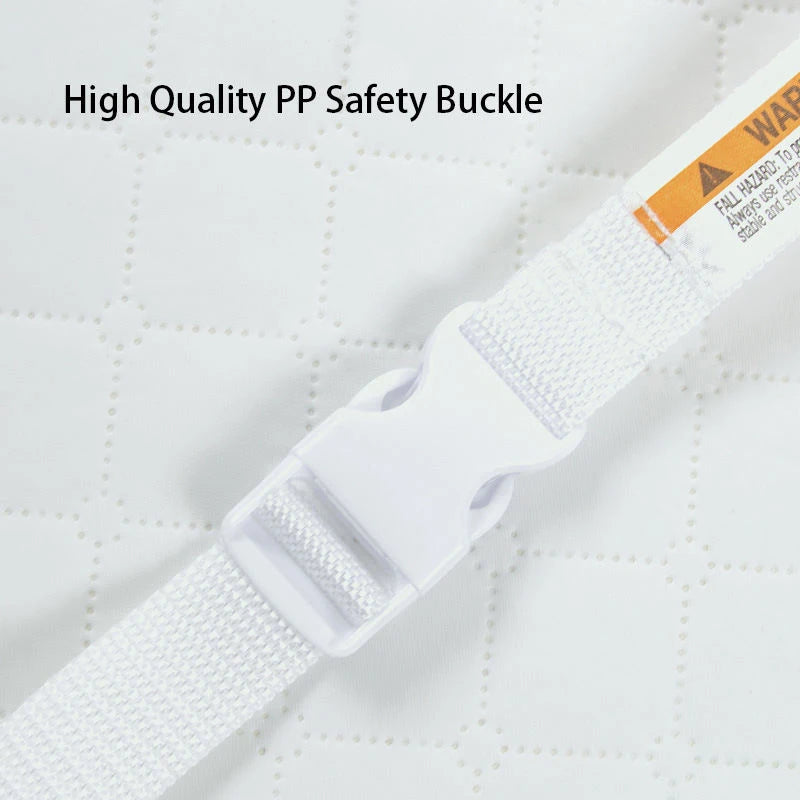
unsafe baby changing areas, waterproof changing mat — See it in action
What makes a diaper changing surface unsafe?
Unsafe baby changing areas are surfaces that may expose infants to germs, moisture, dirt, or physical hazards during diaper changes. Public changing stations, restroom counters, and shared baby-care areas can become contaminated through frequent contact with hands, diapers, clothing, and cleaning products.
Common contamination sources caregivers should know
Baby changing surface germs can come from several everyday sources, including:
- Diaper waste and residue: Small amounts of contamination can remain on surfaces after previous diaper changes if the area was not cleaned properly.
- Hands and frequently touched objects: Faucet handles, restroom doors, phones, and diaper bags can transfer germs back to a cleaned changing area.
- Moisture and spills: Wet surfaces can make it easier for dirt and microorganisms to remain on a changing station.
- Damaged surfaces: Cracks, peeling materials, or rough areas can be harder to clean and may irritate delicate baby skin.
Signs of dirty diaper changing surfaces include visible stains, leftover moisture, unpleasant odors, sticky areas, or surfaces that have not been maintained properly. When a changing station appears questionable, placing a clean barrier between your baby and the surface is an important safety step.
Quick solution summary
A waterproof changing mat creates an immediate barrier between your baby and shared surfaces. A changing pad washable helps manage repeated messes because it can be cleaned thoroughly, while a folding changing pad offers lightweight protection for travel, errands, and quick diaper changes.
Together, these options support safer diaper changing hygiene by reducing direct contact, containing mess, and making cleanup easier for caregivers.
How a waterproof changing mat reduces infection risk
A waterproof changing mat helps reduce exposure by creating a clean layer between your baby and potentially contaminated surfaces. Instead of placing delicate skin directly on a shared changing station, parents can use a wipeable, water-resistant barrier that helps contain liquids and makes cleanup faster.
The best options for hygiene-focused use typically include a non-toxic surface, easy-to-clean materials, and a design that folds compactly for diaper bags or strollers.
Top benefits at a glance
- Creates a physical barrier between baby and dirty diaper changing surfaces.
- Helps prevent liquids and messes from spreading onto clothing or bags.
- Allows quick cleaning with wipes or mild soap and water.
- Fits easily into travel routines, diaper bags, and stroller storage.
- Keeps essential diaper supplies organized for faster changes.
Best practices for safe public diaper changes
Safe diaper changing hygiene depends on more than the changing pad itself. A simple routine helps reduce germ transfer and keeps the process calmer in busy public places.
- Inspect the changing area first: Avoid visibly dirty, wet, damaged, or unstable surfaces whenever possible.
- Create a clean barrier: Place your waterproof changing mat or portable changing pad before putting your baby down.
- Keep supplies within reach: Prepare diapers, wipes, and disposal bags before starting to avoid touching unnecessary surfaces.
- Clean your hands afterward: Wash or sanitize hands after changing and after handling used diapers.
One-minute diaper station reset routine
- Remove your changing mat from the bag and place it over the station.
- Keep wipes, diapers, and clean clothing ready before opening the diaper.
- Complete the change while keeping one hand close to support your baby.
- Fold used items separately and clean or store the mat properly after use.
Pros and cons of different diaper changing surfaces
Different changing surfaces offer different levels of convenience, cleaning ability, and portability. The best option depends on where you change diapers most often, how frequently messes occur, and how easily you want to maintain safe diaper changing hygiene.
| Feature | Waterproof Changing Mat | Washable Changing Pad | Folding Changing Pad |
|---|---|---|---|
| Hygiene advantage | Creates a clean barrier between baby and shared surfaces | Can be washed thoroughly after repeated use or larger messes | Provides a portable protective layer for quick changes anywhere |
| Cleaning method | Wipe clean with mild soap or suitable cleaner | Machine wash according to care instructions | Spot clean or wipe after use |
| Best use case | Public restrooms, errands, and everyday outings | Home use, extended trips, and frequent diaper changes | Travel, airplanes, cars, and limited storage situations |
| Portability | Lightweight and easy to store | Usually thicker and less compact | Designed to fold into diaper bags or stroller compartments |
| Main limitation | May need replacement if waterproof coating wears down | Requires regular washing and drying | May provide less cushioning than thicker pads |
How to choose the easiest surface to keep clean
- Choose a waterproof changing mat when your priority is reducing direct contact with dirty diaper changing surfaces during public outings.
- Choose washable changing pads when you need deeper cleaning after frequent use, spills, or larger diaper messes.
- Choose a folding changing pad when traveling and saving space are more important than extra padding.
A hygiene-focused setup does not always require one single product. Many caregivers combine a waterproof diaper pad for immediate protection with a washable layer that can be cleaned regularly.
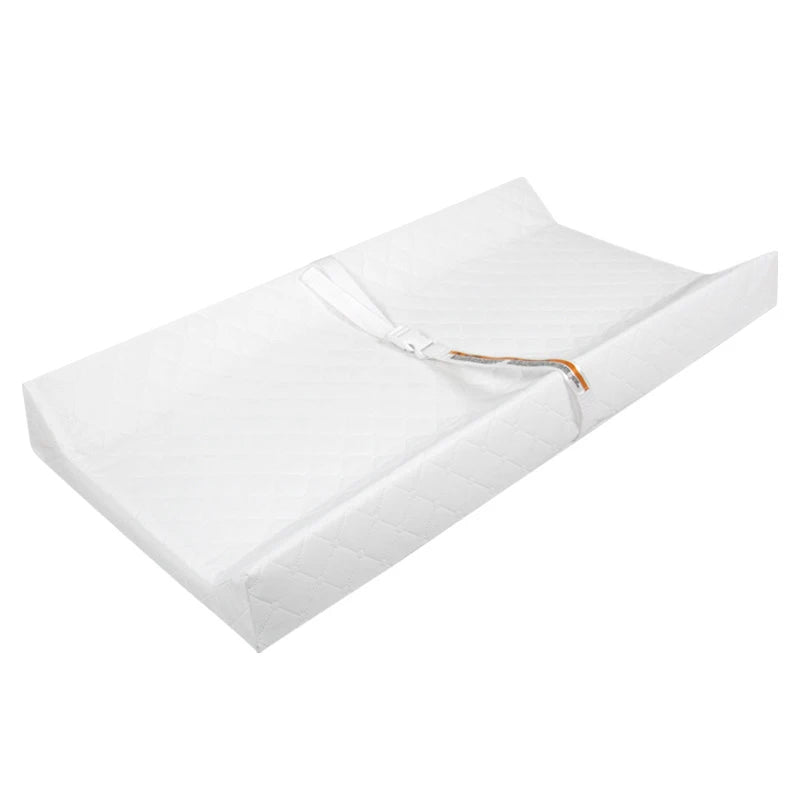
changing pad washable, folding changing pad — See it in action
How to clean and maintain your changing mat and pad
Regular cleaning helps maintain a safer diaper changing environment and extends the useful life of your changing gear. The right cleaning method depends on the material, but every pad should be cleaned after visible messes and allowed to dry completely before storage.
- Waterproof changing mats: Wipe the surface after each use with a baby-safe cleaner or mild soap solution. Avoid packing the mat while damp because trapped moisture can create odors.
- Washable changing pads: Follow the manufacturer’s washing instructions. Use a gentle cycle when recommended and allow the pad to dry fully before placing it back in a diaper bag.
- Portable changing pads: Clean frequently touched areas after travel or public use, especially after contact with wet surfaces or spills.
Sanitizing quick tips
- Remove visible dirt first because cleaning and disinfecting work best on a surface without debris.
- Use mild soap and warm water for routine cleaning when heavy contamination is not present.
- For situations requiring extra sanitation, use a suitable disinfecting method and follow product instructions carefully.
- Store used pads separately until they can be cleaned to avoid transferring messes to diapers, clothing, or other baby items.
How to clean different types of changing pads
Plastic and waterproof changing pads
Plastic and waterproof diaper pads are popular for travel because they resist liquid absorption and are easy to wipe down. Clean the surface after each use, paying attention to seams and folded areas where moisture or residue may collect.
Foam changing pads
Foam changing pads often provide extra cushioning but require careful cleaning to protect the inner material. Use a damp cloth with mild soap, avoid soaking unless the manufacturer allows it, and dry thoroughly before reuse.
Fabric and washable changing pads
Washable changing pads are designed for repeated cleaning. Remove any loose mess first, then wash according to the care label. Complete drying is important because damp fabric can develop odors over time.
Portable changing pads for travel
Portable changing pad travel solutions should balance hygiene and convenience. After using one in public places, wipe the surface before folding it away and keep it separated from clean baby supplies until it has dried.
Pros and cons of different diaper changing surfaces
- ✅ Pros: Waterproof mats provide quick protection from shared surfaces, washable pads support deeper cleaning, and portable designs make safer diaper changes easier during travel.
- ❌ Cons: Some lightweight models may offer less cushioning, and worn waterproof coatings or damaged seams can make cleaning less effective over time.
How to choose between hygiene-focused features
- If you change diapers mostly in public restrooms, prioritize a waterproof surface that creates a reliable barrier and is easy to wipe clean.
- If you regularly deal with larger messes, choose washable changing pads with removable or machine-washable components.
- If you travel often or carry a smaller diaper bag, select a folding changing pad that provides protection without adding bulk.
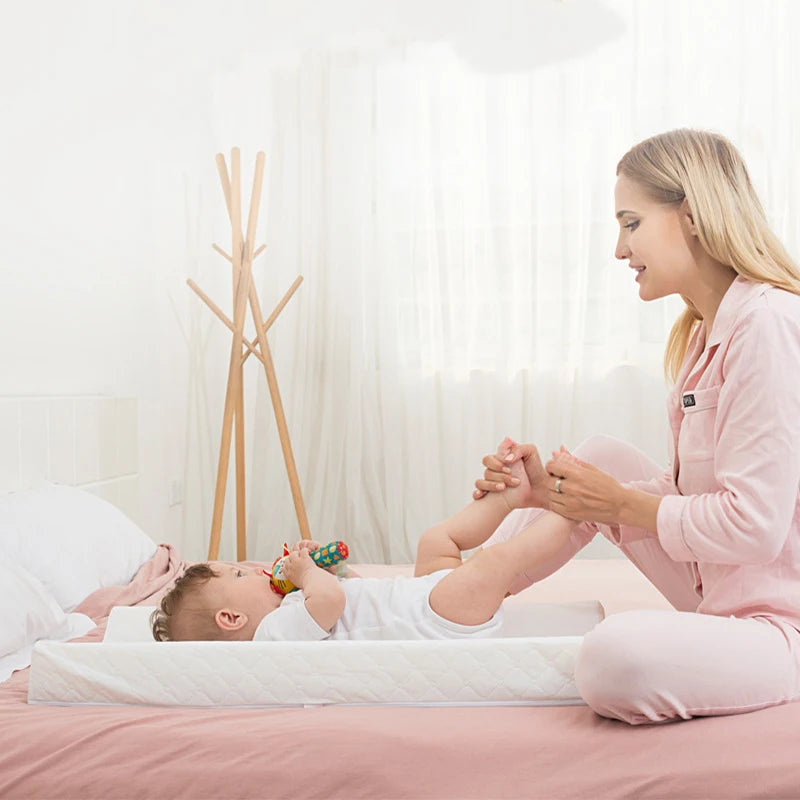
waterproof changing mat, changing pad washable — See it in action
Mini FAQ
- Q: How often should you clean a diaper changing surface?
- A: Clean the diaper changing surface after each use when there is visible dirt, moisture, or diaper residue. For regular daily use, wipe down waterproof surfaces frequently and perform deeper cleaning whenever the pad becomes soiled.
- Q: Can I use disinfectant wipes on a baby changing pad?
- A: Some changing pads can be cleaned with disinfectant wipes, but always check the manufacturer’s care instructions first. After using any cleaning product, allow the surface to dry completely before placing your baby on it.
- Q: What is the safest way to sanitize a diaper changing area?
- A: Remove visible mess first, clean the surface with an appropriate cleaner, disinfect when needed, and allow the area to dry fully. Washing hands before and after diaper changes is also an important part of safe diaper changing hygiene.
- Q: How do you clean a waterproof changing pad?
- A: Wipe a waterproof changing pad with mild soap and water or a suitable baby-safe cleaner. Focus on seams and folded areas where moisture or residue may collect, then dry completely before storing.
- Q: Can washable changing pads prevent germs?
- A: Washable changing pads can help reduce germ buildup when they are cleaned properly after use. They create a reusable barrier and allow caregivers to remove contamination through regular washing.
- Q: How do you clean a portable changing pad while traveling?
- A: During travel, wipe the portable changing pad after each use, remove any visible mess, and store it separately from clean baby supplies until it is fully dry. A small storage bag can help keep the rest of your diaper bag clean.
Final thoughts — keeping diaper changing surfaces clean and safe
Unsafe baby changing areas are easier to manage with consistent hygiene habits and the right protective gear. Cleaning dirty diaper changing surfaces, using a waterproof changing mat, and choosing washable changing pads or a portable changing pad travel solution can help reduce unnecessary exposure during everyday outings.
A simple routine — prepare supplies, create a clean barrier, sanitize when needed, and wash hands afterward — supports safer diaper changes at home and in public.
Related gear & resources: Baby Care Essentials • Health & Safety • Mom Essentials
Quick purchase link: portable baby changing pad
Pillar Article: How to Change Diapers on a Plane Safely for Cleaner In-Flight Care
Other Related Articles:
Explore More:





