

Hygiene for Infants When Using Public Changing Areas Made Simple
⏱ 8 min read
Does hygiene for infants in public changing areas really work?
Yes — hygiene for infants in public changing areas works when parents follow consistent cleaning habits and use the right supplies. A wipe-clean changing pad, portable baby changing pad, gentle cleaning products, and proper hand hygiene create a safer barrier between your baby and unfamiliar surfaces. The goal is not to eliminate every germ, but to reduce unnecessary exposure while protecting delicate newborn skin during diaper changes outside the home.
Changing your baby in a public restroom can feel stressful, especially when surfaces look dirty or you are unsure how previous users maintained the area. Many caregivers worry about germs, skin irritation, and whether their cleaning routine is enough. A simple approach makes these moments easier: prepare the right diaper changing supplies, choose materials that are easy to clean, and follow safe diaper changing practices every time. This guide explains how to create a reliable routine using practical tools like a changing pad wipe clean design and a foldable travel changing mat.
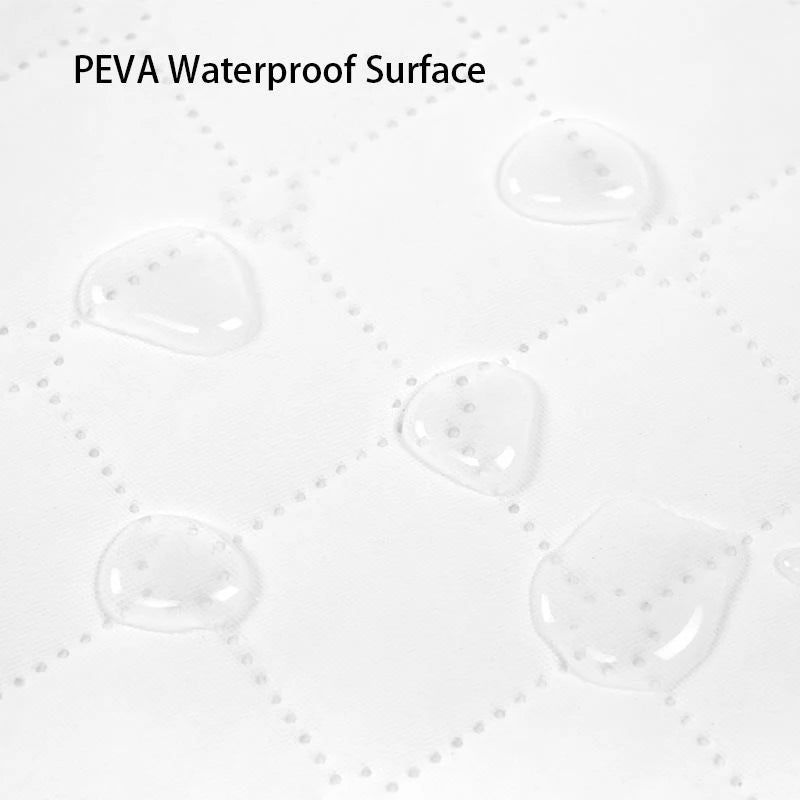
hygiene for infants • changing pad wipe clean • See it in action
Why hygiene for infants matters
Babies need gentle hygiene because their skin barrier is still developing. During diaper changes, moisture, friction, stool, urine residue, and unsuitable cleaning products can increase the chance of irritation. Practicing safe diaper changing practices helps protect sensitive skin while reducing exposure to unwanted germs from hands, surfaces, and changing areas.
What is hygiene for infants?
Direct answer: Hygiene for infants means protecting a baby’s skin and overall health by using clean surfaces, suitable cleaning products, proper wiping methods, hand hygiene, and safe disposal habits during diaper changes. Effective hygiene focuses on balance — removing dirt and waste without over-cleaning or damaging the skin’s natural protective barrier.
When changing diapers away from home, parents should focus on three priorities: keeping baby away from contaminated surfaces, choosing gentle products for cleaning during diaper changes, and creating a repeatable routine that works in different environments.
Quick solution: What to carry
A prepared diaper bag makes every change faster and cleaner. Instead of relying on whatever is available in a public restroom, keep a compact hygiene kit with products that support safe diaper changing practices.
- Portable changing pad or foldable travel changing mat: Creates a clean barrier between your baby and public changing surfaces.
- Disposable or washable liners: Adds an extra protective layer and makes cleanup easier after messy changes.
- Gentle baby wipes: Choose formulas designed for sensitive skin and avoid unnecessary irritants.
- Spare diapers and diaper sacks: Allows quick disposal and prevents waste from contaminating other items.
- Hand sanitizer and sanitizing wipes: Useful for cleaning caregiver hands and high-contact areas before and after diaper changes.
Product pick: For convenience, many parents keep one portable pad linked to their go-bag — see the portable baby changing pad for a compact option that pairs well with disposable liners and everyday travel routines.
Step-by-step hygienic diaper changing routine
Following a consistent diaper changing hygiene routine helps reduce germ exposure, protect your baby’s skin barrier, and make public changes more manageable. The key is preparing supplies before starting, cleaning gently, and preventing unnecessary contact with unclean surfaces.
- Prepare all supplies first: Place diapers, wipes, liners, diaper sacks, and your changing pad within reach before removing the dirty diaper. This prevents leaving your baby unattended or searching through your bag during the change.
- Choose and prepare a clean surface: Use a well-lit, stable changing area whenever possible. If the public changing table appears dirty or wet, place your foldable travel changing mat or portable changing pad between your baby and the surface.
- Clean your hands before handling baby: Wash or sanitize your hands before beginning, especially after touching public surfaces, door handles, or restroom fixtures.
- Remove the diaper and clean gently: Use gentle wipes or another suitable cleaning method. For girls, always wipe from front to back to help reduce the spread of bacteria. Avoid aggressive rubbing because friction can irritate delicate skin.
- Protect the skin barrier: Make sure the diaper area is clean and dry before putting on a fresh diaper. If your baby is prone to irritation, consider using a pediatrician-recommended barrier cream.
- Dispose of waste safely: Seal the dirty diaper, wipes, and disposable materials in a diaper sack before placing them in a trash bin. Keep waste separate from clean supplies.
- Clean up after the change: Sanitize your hands again and wipe down reusable changing surfaces according to the material instructions before storing them in your diaper bag.
Safe diaper changes away from home
Public diaper changes require extra planning because parents cannot control every surface or environment. Using portable supplies, safe disposal methods, and careful hand hygiene creates a cleaner experience while traveling, shopping, or visiting new places.
Portable changing mat hygiene
A portable changing mat should be cleaned regularly because it becomes the main barrier between your baby and public surfaces. After each outing, remove visible messes, wipe the surface with a baby-safe cleaner when needed, and allow it to dry completely before folding it back into your diaper bag.
For travel changing mat hygiene tips, avoid storing a damp mat with diapers or clothing. Moisture trapped inside a folded mat can create unpleasant odors and reduce cleanliness during future use.
Public diaper changing safety
Public diaper changing safety starts with minimizing direct contact between your baby and shared surfaces. Place your changing pad before setting down supplies, keep clean items away from used diapers, and avoid placing wipes or clothing directly on restroom counters.
- Check the changing station before use and avoid visibly contaminated areas.
- Keep one hand on your baby at all times during changes.
- Use disposable liners when extra protection is needed.
- Close diaper sacks securely before leaving the changing area.
- Sanitize hands after touching waste or public fixtures.
Baby hygiene on the go
Baby hygiene on the go becomes easier when supplies have dedicated places in your diaper bag. Keeping diapers, wipes, liners, and cleaning products organized allows you to complete changes quickly without mixing clean and used items.
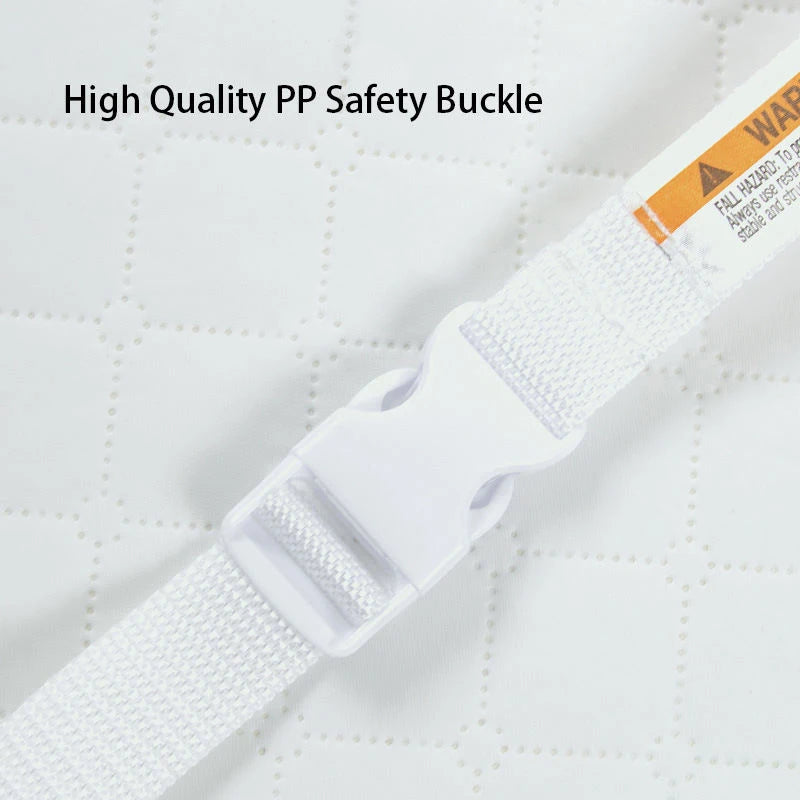
changing pad wipe clean • portable changing solutions • See it in action
Product selection checklist for every diaper change
Choosing the right products for cleaning during diaper changes helps create a safer, more comfortable routine at home and while traveling. The best supplies should match your baby’s skin needs, your cleaning preferences, and how often you change diapers away from home.
Ingredient checklist
- Fragrance-free formulas: Reduce exposure to added scents that may irritate sensitive baby skin.
- Alcohol-free products: Avoid unnecessary drying ingredients that can weaken the skin barrier.
- pH-balanced cleansers: Support gentle cleansing without disrupting the natural balance of baby skin.
- Simple ingredient lists: Fewer unnecessary additives can make it easier to identify potential irritants.
Skin-type checklist
- For sensitive skin: Choose gentle wipes, soft materials, and products designed for frequent use.
- For babies prone to diaper irritation: Prioritize moisture control, gentle cleaning, and regular diaper changes.
- For allergy concerns: Introduce new cleaning products one at a time so you can identify possible reactions.
Travel checklist
- Portable baby changing pad or foldable travel changing mat.
- Gentle baby wipes or another preferred cleaning method.
- Extra diapers for unexpected delays.
- Disposable or washable liners for additional protection.
- Diaper sacks for clean and hygienic waste disposal.
- Hand sanitizer for caregiver hygiene after every change.
Storage and expiration
Store diaper changing supplies in a clean, dry section of your diaper bag. Check wipes, creams, and cleaning products regularly for expiration dates, changes in texture, unusual smells, or damaged packaging. Replacing older supplies helps maintain effective hygiene for infants during daily routines.
Explore deeper guidance under Baby Care Essentials and practical routines in Baby Care Tips & Advice .
Product selection checklist for every diaper change
A well-organized diaper changing kit helps parents maintain hygiene for infants whether they are at home, traveling, or using public changing areas. Choose products based on safety, convenience, cleaning ability, and your baby’s skin needs.
Essential diaper changing supplies
- Changing pad (wipe clean or foldable travel changing mat): Creates a protective barrier between your baby and unfamiliar surfaces.
- Disposable liners or washable liners: Adds extra protection and simplifies cleanup after messy changes.
- Diapers and gentle wipes: Keep enough supplies available for unexpected delays or longer outings.
- Hand sanitizer and sanitizing wipes: Supports caregiver hygiene before and after handling diapers.
- Diaper sacks or resealable bags: Keeps used diapers and wipes contained until proper disposal.
How to organize your changing kit
Store frequently used items where they are easy to reach. Place clean diapers and wipes together, keep waste bags separate, and store your portable changing pad in a dry compartment to maintain cleanliness between uses. A consistent setup reduces stress and helps parents complete diaper changes quickly in unfamiliar locations.
When a portable changing pad is most useful
A portable baby changing pad works well for grocery trips, park visits, road trips, airport travel, and visits to friends’ homes. It provides a familiar clean surface when public changing stations are unavailable or when caregivers want additional protection from shared surfaces.
For parents who change diapers multiple times outside the home, a lightweight design that folds easily, wipes clean quickly, and fits inside a diaper bag can make daily routines more practical.
Product selection checklist for every diaper change
Choosing the right products for cleaning during diaper changes helps parents create a safer routine at home and while traveling. The best diaper care supplies should support gentle cleansing, protect sensitive skin, and make cleanup easier without adding unnecessary irritants.
Ingredient checklist
- Fragrance-free formulas: Choose products without added scents when possible, especially for newborns or babies with sensitive skin.
- Alcohol-free products: Avoid ingredients that may dry or irritate delicate skin during frequent diaper changes.
- pH-balanced cleansers: Gentle formulas help maintain the skin’s natural balance while removing dirt and residue.
- Simple ingredient lists: Fewer unnecessary additives make it easier to identify products that work well for your baby.
Skin-type checklist
- For sensitive skin: Select soft wipes, gentle cleansers, and wipe-clean changing surfaces that reduce friction.
- For babies prone to diaper rash: Focus on frequent diaper changes, careful drying, and products that support the skin barrier.
- For babies with possible allergies: Introduce new cleaning products gradually and stop using any product that causes redness or discomfort.
Travel checklist
- Portable changing pad or foldable travel changing mat.
- Gentle baby wipes or preferred cleaning method.
- Extra diapers for unexpected delays.
- Disposable or washable liners for additional protection.
- Diaper sacks for safe waste disposal.
- Hand sanitizer for caregiver hand hygiene.
Storage and expiration
Keep diaper changing supplies stored in a clean, dry section of your diaper bag. Check wipes, creams, and cleaning products regularly for expiration dates, damaged packaging, or changes in smell and texture. Replacing older supplies helps maintain effective hygiene for infants during daily care routines.
Frequently asked questions about infant diaper hygiene
-
Are baby wipes better than plain water for diaper changes?
Both options can be useful depending on your baby’s needs. Plain water with soft cotton can be a gentle choice for newborns or sensitive skin, while baby wipes offer convenience during travel. Choose fragrance-free, alcohol-free wipes when using them regularly.
-
Which ingredients should parents avoid in baby wipes?
Parents may prefer to avoid unnecessary fragrances, alcohol, and ingredients known to irritate their baby’s skin. Checking labels helps you choose products designed for gentle daily cleaning.
-
When should plain water be used instead of wipes?
Plain water may be preferred when a baby has very sensitive skin, irritation, or when parents want the simplest cleaning option. Always dry the diaper area gently afterward to reduce moisture-related irritation.
-
Are reusable cloth wipes safe for everyday diaper changes?
Yes, reusable cloth wipes can be safe when they are washed thoroughly, dried completely, and stored properly. Follow recommended cleaning practices to prevent bacteria buildup.
-
How can parents prevent diaper rash during diaper changes?
Preventing diaper rash starts with regular diaper changes, gentle cleaning, allowing the skin to dry, avoiding harsh products, and protecting the skin barrier when needed.
-
How should a portable changing mat be cleaned after use?
Remove visible messes first, then wipe the surface with a suitable cleaner according to the material instructions. Allow the mat to dry fully before folding and storing it.
-
What should parents do if a baby develops a rash after using wipes?
Stop using the suspected product, switch to a gentler cleaning method, and monitor the skin. If irritation continues, worsens, or appears severe, consult a healthcare professional.
-
How often should diaper changing supplies be replaced?
Replace supplies when they expire, become damaged, lose effectiveness, or show signs of contamination. Regularly refreshing wipes, liners, and cleaning items keeps your diaper kit ready for safe use.
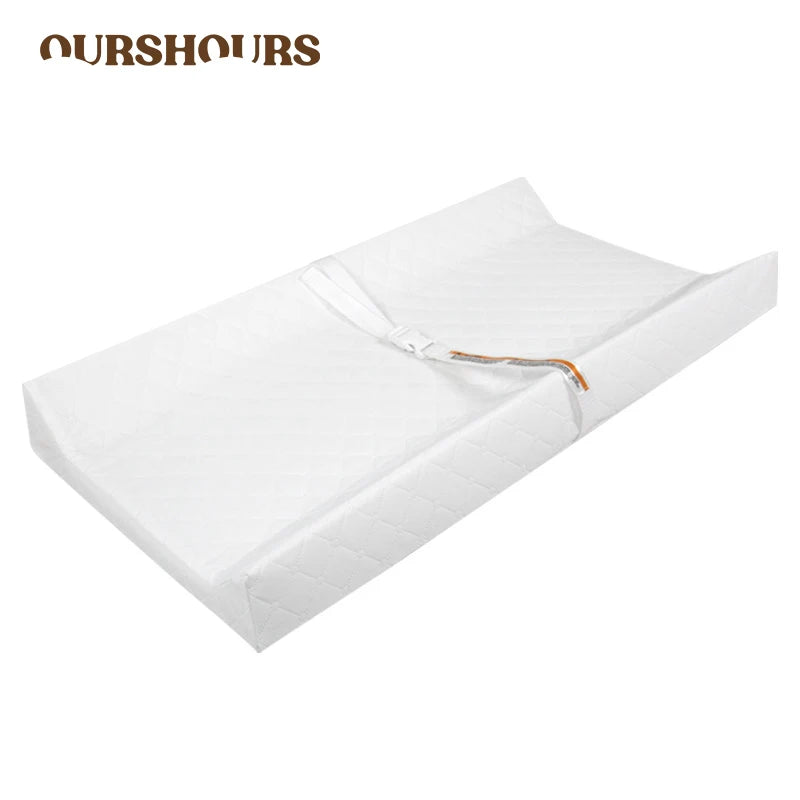
foldable travel changing mat • portable changing pads • See it in action
Final tip: a simple routine — clean surface, gentle products, careful wiping, and proper hand hygiene — can make diaper changes calmer and safer wherever you go. For more everyday guidance, explore Mom Essentials and Health & Safety resources.
Pillar Article: How to Change Diapers on a Plane Safely for Cleaner In-Flight Care
Other Related Articles:
Explore More:





