

Does learning how to groom newborn really make daily care easier?
Yes. Learning how to groom newborn properly helps parents create a safe, predictable routine for hygiene, comfort, and bonding. Newborn grooming includes gentle tasks such as bathing, cleaning skin folds, trimming nails, caring for hair, and checking sensitive areas. These simple habits can reduce irritation, prevent scratches, support healthy skin, and help first-time parents feel more confident during daily care.
⏱ 8 min read
How to Groom Newborn: Practical Tips for Daily Care
Learning how to groom newborn the right way does not require complicated routines or many products. The most effective baby grooming basics focus on gentle cleaning, careful observation, and consistent habits that support your baby's comfort. From newborn skin care guidelines to nail trimming and scalp care, small steps can prevent common problems while making daily care calmer for both parents and babies.
Quick daily newborn grooming checklist
A simple newborn care routine can be completed in just a few minutes. Focus on comfort, cleanliness, and early detection of changes rather than doing every grooming task every day.
- Clean milk residue from the face, chin, and neck folds.
- Check skin for redness, dryness, irritation, or trapped moisture.
- Clean the diaper area during every diaper change.
- Inspect fingernails for sharp edges that may cause scratches.
- Check clothing layers to prevent overheating or chills.
- Prepare a calm sleep environment with comfortable bedding and clothing.
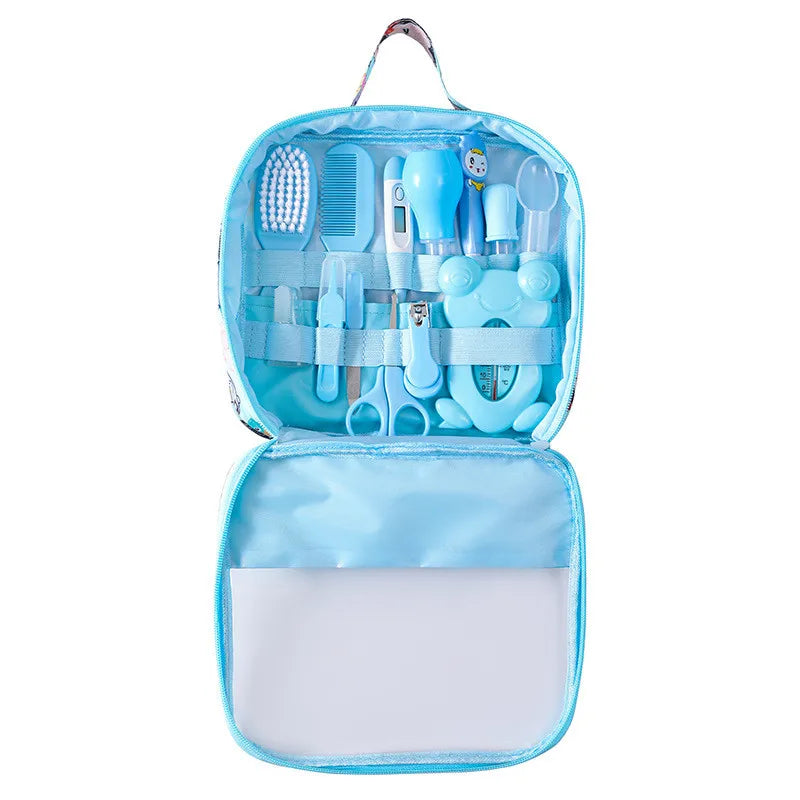
how to groom newborn, newborn grooming essentials — See it in action.
How to build a safe newborn grooming routine
A predictable grooming routine helps babies become familiar with daily care while allowing parents to notice small changes early. Newborns have delicate skin, limited temperature regulation, and tiny features that require extra care. The goal is not perfection — it is creating gentle habits that support hygiene and comfort.
Common mistakes new parents make
- Bathing too frequently and drying out delicate skin.
- Using strongly scented products designed for adults.
- Trimming nails too quickly without enough lighting or support.
- Cleaning inside ears or noses too aggressively.
- Ignoring baby's signals when they are tired, hungry, or overstimulated.
When to groom your newborn
The best time for grooming is usually when your baby is calm. Many parents prefer after feeding, during a quiet awake period, or before bedtime. Avoid starting a grooming task when your newborn is already crying or overtired, as this can make routine care more stressful.
How to bathe a newborn safely
Knowing how to bathe a newborn is one of the most important parts of a newborn skin care routine. Newborns do not need long or frequent baths. Gentle cleaning protects natural oils that help maintain the skin barrier.
Step-by-step newborn bath
- Prepare everything first: soft washcloth, towel, diaper, clean clothes, and gentle cleanser.
- Check the room temperature and make sure the bathing area is safe.
- Use warm water around 37°C / 98–100°F and test it with your wrist.
- Support your baby's head and neck throughout the bath.
- Clean the face and skin folds first, then gently wash the body.
- Pat the skin dry instead of rubbing.
- Apply a small amount of fragrance-free moisturizer if dry areas appear.
Water temperature and frequency
Most newborns only need a full bath two to three times per week. More frequent cleaning can remove protective oils and increase dryness. Between baths, focus on areas that collect moisture, including the neck folds, diaper area, and behind the ears.
How to choose gentle skin care products
- Select fragrance-free products with simple ingredient lists.
- Avoid alcohol-based products and strong essential oils on newborn skin.
- Introduce new products one at a time so reactions are easier to identify.
- Ask a pediatrician for advice if your baby has persistent irritation or eczema symptoms.
How to care for newborn skin
A newborn skin care routine should be simple and gentle. Healthy newborn skin does not require many products. Regular observation, proper moisture balance, and careful hygiene are usually more important than adding extra treatments.
Preventing dry skin
- Keep baths short and use lukewarm water.
- Pat skin dry immediately after washing.
- Apply a mild moisturizer only where needed.
- Use breathable fabrics to reduce friction and sweating.
Managing cradle cap
Cradle cap is a common condition where flaky patches appear on a baby's scalp. Avoid picking flakes because this can irritate the skin. Gentle washing and a soft baby brush can help loosen flakes. If the scalp becomes very red, swollen, or appears infected, contact a healthcare professional.
Diaper area hygiene
Frequent diaper changes help reduce trapped moisture and irritation. Clean gently from front to back, allow the skin to dry briefly when possible, and use suitable barrier products if recommended.
How to trim newborn nails and care for hair
Newborn nails grow quickly and can become surprisingly sharp. Safe nail care prevents accidental scratches while gentle scalp care keeps your baby comfortable.
How to groom newborn nails safely
- Choose infant-specific tools such as baby nail clippers or rounded-tip scissors from Baby Nail Care Tools .
- Trim nails when your baby is calm or sleeping.
- Hold the fingertip pad away from the nail before cutting.
- Remove only small amounts at a time.
- Use an infant emery board to smooth sharp edges.
- Clean tools before and after each use.
Hair and scalp care
- Use a soft-bristled baby brush for gentle scalp care.
- Wash hair only when needed during bath time.
- Avoid adult hair products on newborn scalps.
Cleaning eyes, nose and ears safely
- Wipe around the eyes with a clean damp cloth, using a fresh area for each eye.
- Clean only the outside of the ears.
- Do not insert cotton swabs or objects inside the ear canal.
- Use gentle wiping around the nose instead of forceful cleaning.
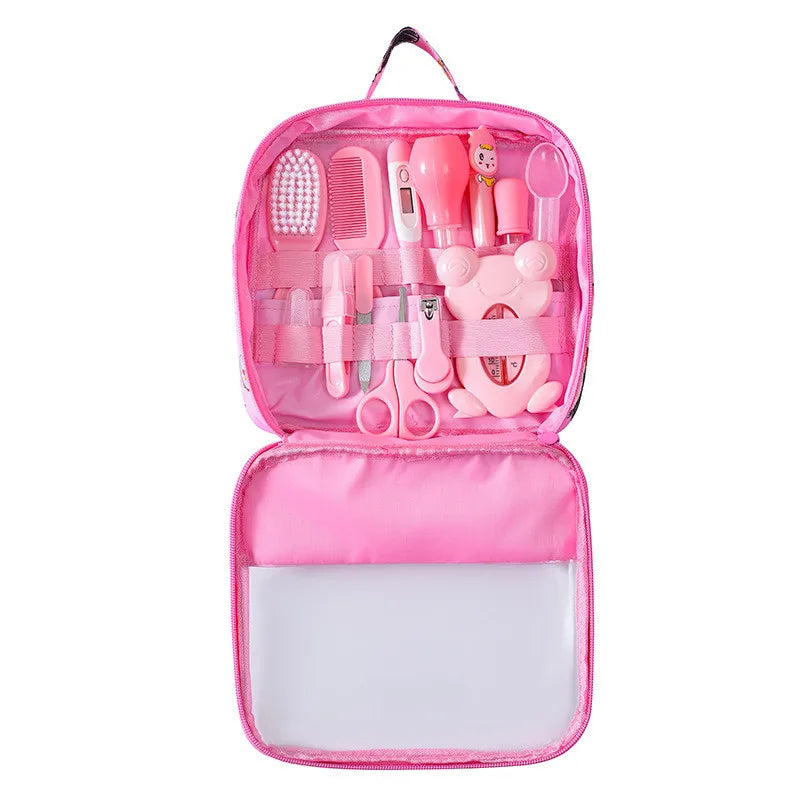
newborn grooming essentials, newborn skin care guidelines — See it in action.
Newborn grooming essentials
The best newborn grooming essentials are safe, simple, and easy to access. A small organized kit helps parents avoid using unsuitable household items during stressful moments.
Essential grooming kit
- Soft washcloths and hooded towels.
- Fragrance-free baby cleanser and moisturizer.
- Infant nail clippers, rounded-tip scissors, and emery boards from Baby Nail Care Tools .
- Soft baby brush and comb.
- Thermometer and breathable layers from Temperature Tools and Sleep & Comfort .
- Multi-functional baby care kit for quick access: baby-care-kit-multi-functional .
Items to avoid
- Adult nail tools.
- Strong perfumes or fragranced lotions.
- Hard brushes that can irritate the scalp.
- Small loose items that create choking risks.
How to groom newborn: Sample morning and night routines
Morning routine (5–10 minutes)
- Check skin for redness, dryness, or irritation.
- Clean face and neck folds gently.
- Change diaper and check for moisture-related irritation.
- Inspect nails and smooth rough edges if needed.
- Dress baby in suitable layers.
Night routine (10–15 minutes)
- Clean the diaper area and give a bath only when needed.
- Apply moisturizer to dry patches.
- Complete calming grooming tasks before sleep.
- Ensure comfortable room temperature and sleep clothing.
Newborn grooming safety guidelines
- Never leave a newborn unattended on a changing table or elevated surface.
- Always prepare supplies before bathing.
- Use only infant-designed grooming tools.
- Keep small grooming items away from baby's reach.
- Stop any activity if your baby shows signs of distress.
When to call a pediatrician
Contact a healthcare professional if you notice signs that go beyond normal newborn changes, including:
- Skin redness that spreads or worsens.
- Signs of infection such as swelling, warmth, or discharge.
- Persistent rash that does not improve.
- Cracked skin, bleeding, or severe dryness.
- Changes that concern you as a parent.
Frequently asked questions
How often should I bathe a newborn?
Most newborns only need a full bath two to three times per week. Daily cleaning should focus on the face, neck folds, and diaper area.
What is the safest way to trim newborn nails?
Use infant nail clippers, rounded-tip scissors, or an infant electric nail file. Trim small amounts when your baby is calm and smooth sharp edges afterward.
How do I clean my newborn's ears and nose?
Clean only the outside areas with a soft damp cloth. Avoid inserting cotton swabs or objects inside ears or the nose.
What products are safe for newborn skin?
Choose fragrance-free, minimal-ingredient products designed for babies. Avoid alcohol-based products, strong fragrances, and unnecessary additives.
How can I treat cradle cap safely?
Wash gently, soften flakes if recommended by your pediatrician, and use a soft brush. Do not scratch or peel flakes from the scalp.
When should I start a newborn skin care routine?
A gentle routine can begin from the first days after birth by focusing on cleanliness, skin checks, and protecting the skin barrier.
What grooming tools are essential for a newborn?
Basic essentials include a baby nail tool, soft brush, washcloth, towel, thermometer, and gentle skin care products.
When should I contact a pediatrician about my baby's skin or hygiene?
Seek professional advice for worsening rashes, possible infections, unusual swelling, bleeding, or any skin concern that does not improve.
FAQ
- How often should I bathe a newborn? Two to three times a week is sufficient for most newborns; focus on spot cleaning daily.
- When should I trim newborn nails? Trim weekly or whenever nails become sharp enough to scratch.
- Which products should I avoid? Avoid fragranced and alcohol-containing products; choose gentle baby formulations.
Pillar Article: How to Use a Nasal Aspirator on Newborn: Step-by-Step Guide
Other Related Articles:
- Baby Grooming Tools Set: How to Use Every Essential Safely
- Newborn Hygiene Checklist: Step-by-Step Daily Routine
- Baby Nail Trimming Safety: Techniques Every Parent Should Know
Explore More:





