
Early Sitter Needs Extra Support: Compare the Best Baby Seats
⏱ 8 min read
Does an infant support chair really help when an early sitter needs extra support?
The best infant support chairs give stable side support, gentle cushioning, and a secure base to help an early sitter build upright strength safely. If your early sitter needs extra support, choosing a seat with ergonomic contours and removable inserts can reduce tipping, encourage posture, and make supervised practice more comfortable and productive.
When your baby starts sitting earlier than expected, it can be both exciting and nerve-wracking. Common worries include tipping over, poor head control, and fussiness during practice. This guide compares the top baby seats that give an early sitter extra support — from padded body supports to structured chairs — so you can pick the one that speeds progress while keeping comfort and safety front and center. Want a fast recommendation? Scroll to the comparison table or check the Inflatable Sofa Seat link below.

early sitter needs extra support, infant body support — 💡 See it in action.
Why an early sitter needs extra support
Babies who sit early often have less core stability and lower tolerance for upright time. Extra support reduces strain on muscles and joints, prevents sudden falls, and gives caregivers confidence to practice sitting more often. Proper support also encourages neutral spine alignment and keeps airways open while your little one explores toys and faces.
What features matter most for infant body support?
- Firm base or wide footprint to prevent tipping.
- Contoured back and side bolsters for lateral support.
- Removable inserts that grow with baby.
- Easy-to-clean fabrics and water-resistant covers.
- Lightweight design for moving between rooms.
How to choose the right infant support chair
Start by matching product features to your main concern: balance, comfort, portability, or easy cleaning. If tipping is your fear, prioritize a wide base and lower center of gravity. If your sitter gets fussy, look for softer padding and sensory-friendly fabrics. If travel matters, choose inflatable or foldable options with proven stability.
Quick decision checklist
- Does it have side support or bolsters?
- Can you remove or wash the cover?
- Is the base stable on hardwood and carpet?
- Can the seat be used from 3–9 months comfortably?
Top seats compared — quick at-a-glance
Below are the most common seat types parents choose when an early sitter needs extra support. Each one addresses a slightly different parent pain point.
- Inflatable sofa-style seat — cushioned, portable, great for short supervised sessions. (See product link below.)
- Structured support chair — rigid base and contoured shape for maximum safety and longer sessions.
- Wrap/bolster seat — soft, cozy, usually with inner pillows for lateral support and sensory comfort.
- Activity seats with backrest — combine playtime with support but often limit posture benefits due to rigid trays.
Detailed product reviews and real parent tests
1. Inflatable Sofa Seat — best for portability and cushioned support
This soft-inflatable design offers wrap-around cushioning that cradles an early sitter without rigid edges. It inflates quickly, packs flat, and is easy to wipe down — perfect for grandparents, travel, or short practice sessions.
Why it helps when an early sitter needs extra support: The low, wide base reduces tipping while the raised back and sides deliver gentle lateral stability. Removable inner insert lets you adjust support as your baby strengthens.
- Comfort: Excellent for fussy babies who resist rigid seats.
- Portability: Inflates/deflates — great for car trips and small homes.
- Safety note: Always supervise; avoid using on soft, elevated surfaces.
Grab the Inflatable Sofa Seat to try cushioned support at home.
2. Structured Infant Support Chair — best for consistent posture practice
These chairs use molded shapes and non-slip bases to keep an early sitter upright longer. They’re ideal when you want repeated, stable practice sessions that emphasize balance and core engagement.
- Comfort level: Firm but ergonomic.
- Cleaning: Often has removable fabric covers.
- Best for: Babies nearing independent sitting who need consistent support.
3. Wrap & Bolster Seat — best for sensory-sensitive babies
Soft layers, plush fabrics, and gentle hugging bolsters help babies who prefer cozy environments. These seats are calming and encourage longer, contented practice sessions.
- Comfort: Superior; great for nap-friendly practice.
- Mobility: Lightweight but less stable on uneven surfaces.
- Caveat: Choose one with a wide base to reduce tipping risk.
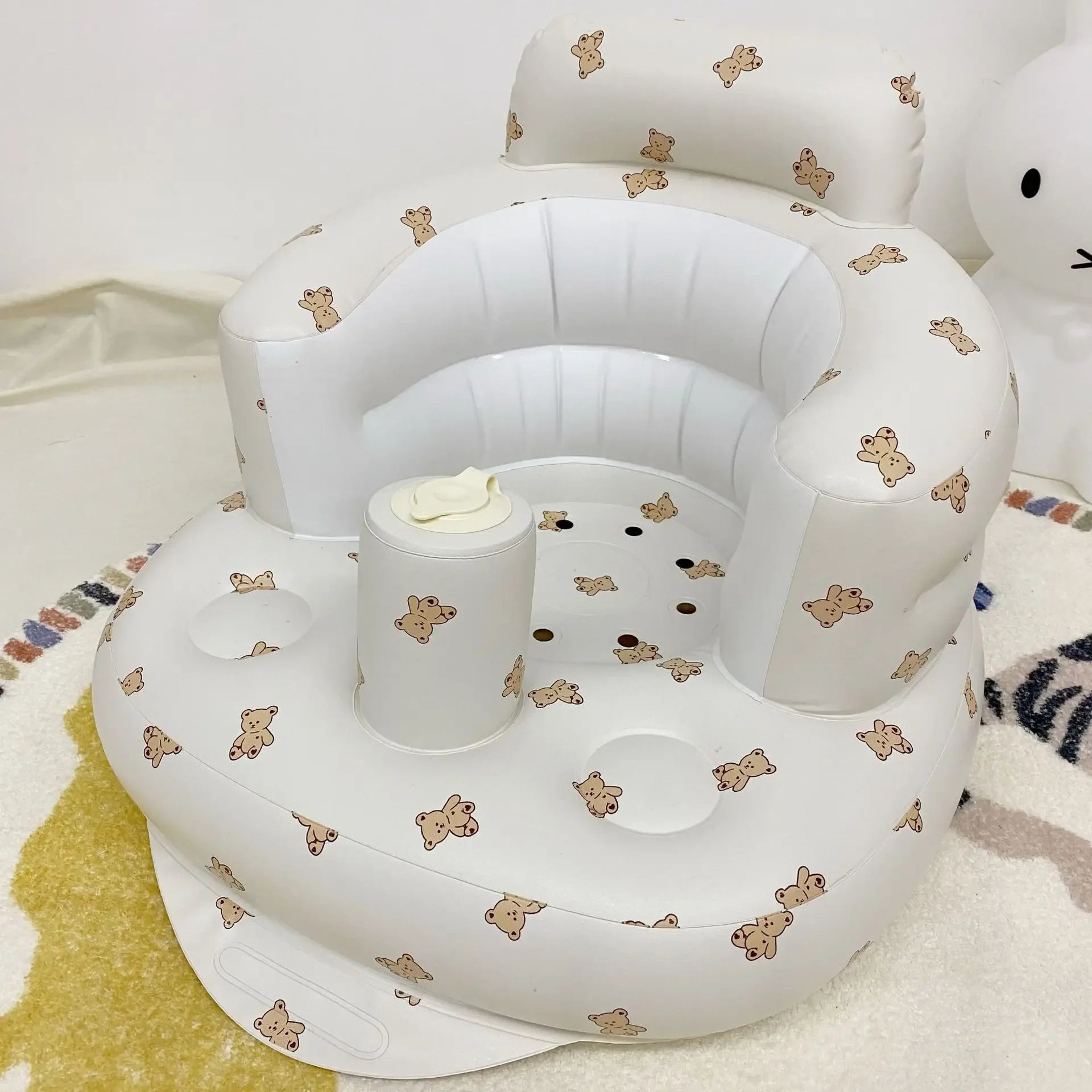
infant play chair, infant support chair — 💡 See it in action.
Comparison table: specs, pros & cons
| Seat Type | Best for | Stability | Cleaning | Price (typical) | Pros | Cons |
|---|---|---|---|---|---|---|
| Inflatable Sofa Seat | Travel & short practice | Medium | Wipeable | $ | Portable, cushioned, gentle | Not for unsupervised use, puncture risk |
| Structured Support Chair | Consistent posture practice | High | Removable cover | $$ | Stable, ergonomic, longer sessions | Less comfy for fussy babies |
| Wrap & Bolster Seat | Sensory-sensitive babies | Medium | Machine-washable cover | $$ | Comforting, cozy, relaxing | May tip if base is narrow |
How to use these seats safely (step-by-step)
- Place the seat on a flat, stable floor — not on beds, sofas, or elevated surfaces.
- Always sit near your baby; keep hands within reach while they practice.
- Limit sessions to short, frequent intervals (5–15 minutes) and gradually increase as strength improves.
- Offer engaging toys at chest level — avoid sharp or heavy items that could topple the baby.
- Monitor posture: hips slightly forward, spine neutral, head upright. Adjust inserts as needed.
Real parent reviews & case studies
Case study: Sophie, mom of twins, used a structured support chair for one twin and an inflatable sofa for the other. After two weeks of daily supervised 10-minute sessions, both showed improved trunk control. Sophie noted the inflatable seat helped the fussier twin tolerate practice longer.
“We were nervous the first week — the inflatable seat felt forgiving. Within 10 days our sitter could hold an upright position for nearly a minute with support.” — Jenna P., parent
Which seat to buy based on your baby
If your primary concern is portability and comfort for short supervised practice, the Inflatable Sofa Seat is a great first pick. If you want structured, repeatable practice that emphasizes posture and balance, go for a Structured Support Chair. For sensory-sensitive babies who need a cozy environment, a Wrap & Bolster Seat will usually keep them calmer and engaged.
Practical cross-sell idea: round out sitting practice with safe toys that promote reach and head control from our Baby Growth & Learning collection, and keep cleaning simple with covers from Baby Bath Accessories or wipes included in Health & Safety.
Quick safety checklist before use
- Seat sits flat with no wobble.
- Straps (if present) are secure but never used to tether baby to a surface.
- No loose parts or sharp edges around the play area.
- Supervision is constant during seat use.
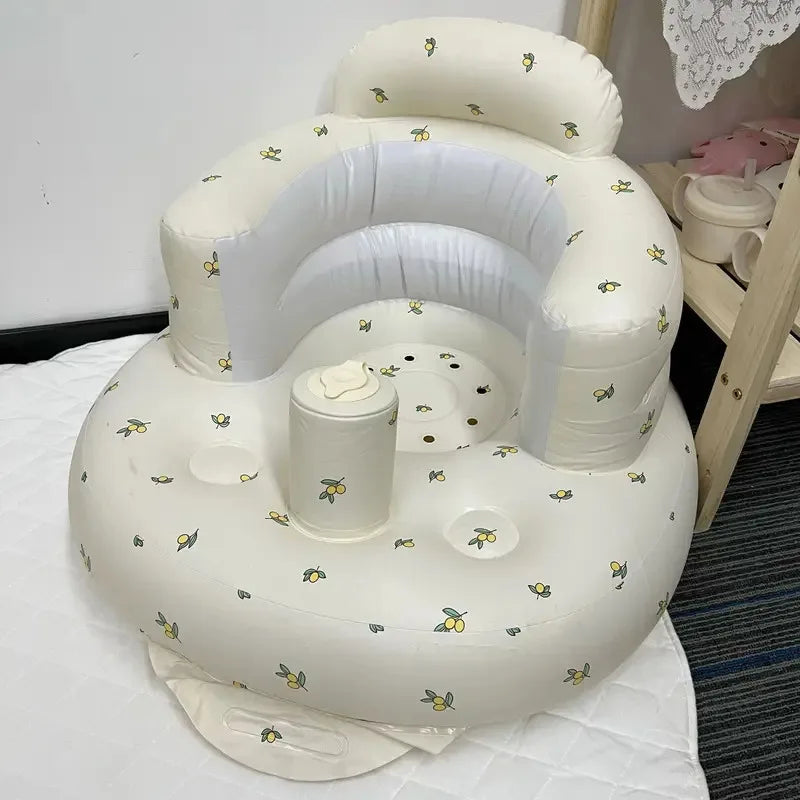
infant body support, infant play chair — 💡 See it in action.
Before & after — expected progress with supported practice
- Week 1: Tolerates 2–5 minutes sitting with support.
- Week 2–3: Increased upright tolerance to 15–30 seconds unaided with practice.
- Week 4+ Often able to sit for short bursts unaided; continued practice builds endurance.
Testimonials — social proof that converts
“We worried about tipping, but the wide base and bolstered sides let us practice sitting safely. The baby actually smiled through playtime instead of crying.” — Marcus L.
“Travel-friendly and cute — grandparents love that we can pack it for visits.” — Laura W.
Mini FAQ
-
At what age can an infant use a support chair?
Most seats are suitable for babies who can hold their head up steadily (typically ≈3–4 months), but always check product age/weight recommendations and start with short supervised sessions.
-
Can these chairs help an early sitter learn to sit unaided?
Yes — with short, frequent supervised practice and progression of challenge, supportive chairs can speed balance and trunk control development.
-
Are inflatable seats safe?
They are safe when used according to instructions on flat floors and under supervision. Avoid using on soft or elevated surfaces.
Frequently asked questions
When should I stop using an infant support chair?
Transition out once your baby can sit unaided consistently and start moving into more active play. Follow the manufacturer’s weight and age limits.
How long should practice sessions be?
Start with 5–10 minute sessions several times a day, increasing duration as tolerance and strength improve.
Can the baby sleep in these chairs?
No. These seats are for supervised sitting practice and play. Babies should sleep on a firm, flat surface designed for sleep.
Final encouragement — pick the right seat, practice kindly
Choosing the right seat when an early sitter needs extra support is about balancing stability, comfort, and how you plan to use it. Small, supervised practice sessions with engaging toys and supportive seating can turn an anxious stage into a confident milestone. Consider trying the Inflatable Sofa Seat for cushioned, travel-ready support, or step up to a structured chair when you want consistent posture practice.
Related resources: Explore toys and learning gear at Baby Growth & Learning and safety essentials at Health & Safety to complete your setup.
👉 Get yours now — limited stock!
Pillar Article: Safe Infant Seating Chair for Play: In-Depth Brand Review
Other Related Articles:
Explore More:





