
Does an infant sitting chair really help my baby learn to sit?
Answer: An infant sitting chair can provide gentle upright support and short, supervised practice sessions while babies develop balance and core strength. However, an infant sitting chair does not replace tummy time, floor play, or natural movement. The best option supports posture without forcing a position and should be used according to supported sitting age guidelines.
⏱ 8 min read
Infant Sitting Chair Comparisons: Which One Suits Your Baby Best
Infant sitting chair comparisons can feel overwhelming because parents need to balance comfort, safety, portability, and developmental support. An infant support chair can give babies a new view of their surroundings and provide temporary stability during early sitting practice, but not every design supports movement equally. This guide explains what makes a baby support chair useful, what a supported sitter means, and how to choose a chair that encourages healthy development without replacing essential floor play.
infant sitting chair • infant support chair — See it in action
Why consider an infant sitting chair?
Many parents wonder whether a baby needs an infant sitting chair or whether floor time alone is enough. The answer depends on how the chair is used. A well-designed baby support chair can be helpful as a supervised tool for short periods when your baby is learning how to balance in an upright position.
Infant sitting chairs may help babies:
- Experience an upright view of their environment.
- Practice reaching, turning, and interacting with toys.
- Build confidence during early supported sitting stages.
- Stay comfortably positioned during short caregiver-supervised moments.
However, an infant sitting chair should not replace activities that naturally build sitting skills, such as tummy time, rolling, reaching, and free movement on the floor. Babies learn independent sitting by developing balance and muscle control through active exploration.
What does “supported sitter” mean and what is the supported sitting age?
Supported sitter meaning: A supported sitter is a baby who can maintain an upright position with help from external support, such as an infant support chair, caregiver hands, or another stable aid, but cannot yet sit independently without assistance.
The typical supported sitting age is around 3 to 6 months, although every baby develops differently. Some babies show interest in upright positions earlier, while others need additional time to strengthen their neck, back, and abdominal muscles.
When using a supported sitter chair, focus on readiness rather than age alone. A chair should provide assistance while still allowing babies to move, reach, and adjust their body naturally.
Signs your baby may be ready for supported sitting
- Can hold their head steady without frequent dropping forward.
- Shows interest in sitting upright and looking around.
- Can sit with minimal assistance for short periods.
- Uses hands to grab toys and explore while supported.
Avoid using an infant support chair if your baby cannot control their head or consistently slumps into the seat. A supportive sitting position should feel comfortable, not forced.
Types of infant sitting chairs (quick look)
Different infant sitting chair designs serve different purposes. Understanding the differences can help you choose a baby support chair that matches your baby's stage and your family's needs.
- Soft padded seats — Comfortable, cushioned options that sit low to the ground. They are often suitable for early supported sitters who need gentle stability while interacting with caregivers or toys.
- Structured booster seats — Provide firmer back and side support. These are often used for feeding situations but may provide less freedom of movement compared with softer floor-based options.
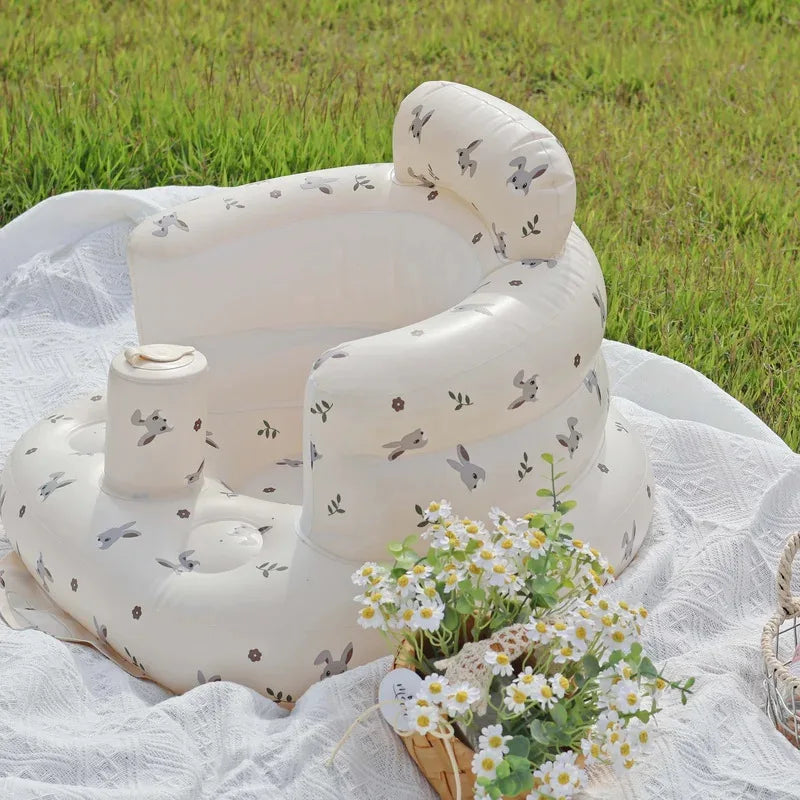
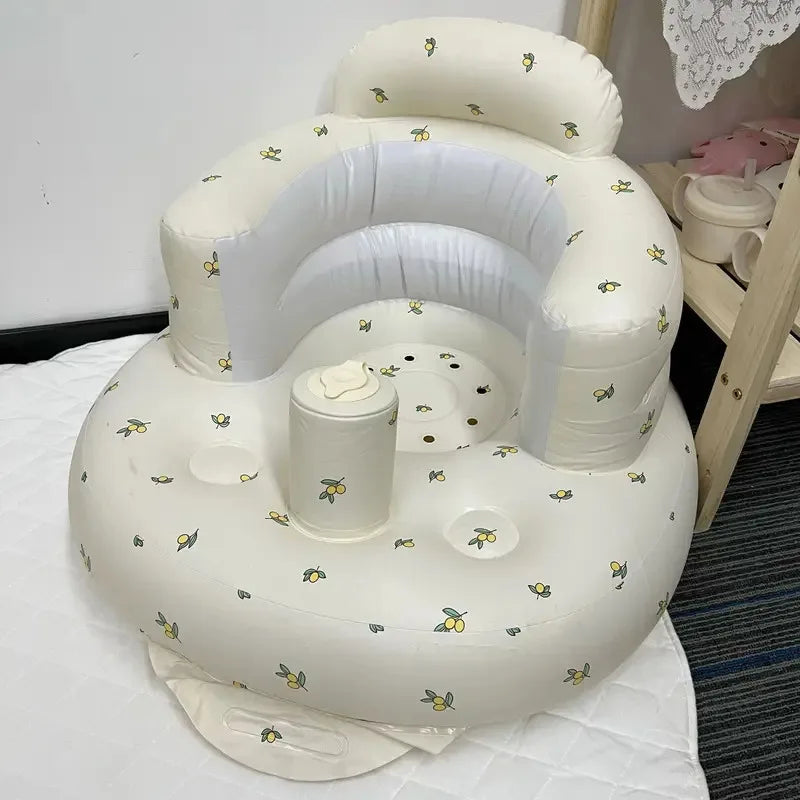
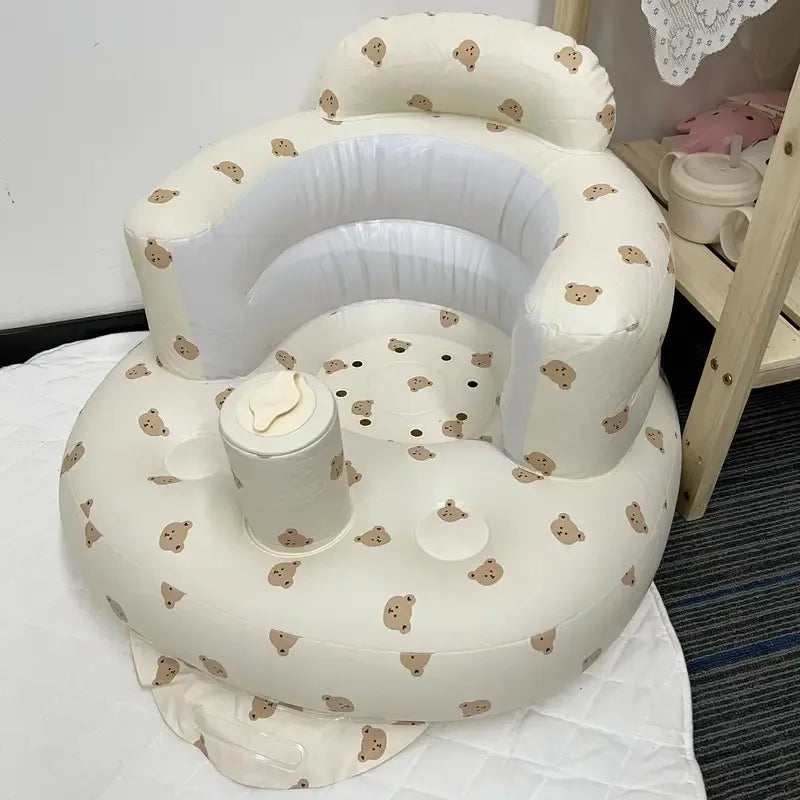
- Inflatable sofa-style seats — Lightweight and portable designs that are convenient for travel, visits, and short supervised sitting sessions. They typically allow more open leg movement than rigid seats.
- Activity centers — Include toys and interactive features for older babies. They can provide entertainment but should be introduced only when babies have appropriate head and trunk control and should not replace floor activities.
Supported sitter chair comparison table
| Chair Type | Support Type | Portability | Cleaning | Recommended Age | Best Value |
|---|---|---|---|---|---|
| Soft padded seat | Gentle cushioned support for early supported sitters | Medium | Medium; depends on removable covers | When baby has steady head control | Comfortable option for short supervised sitting |
| Structured booster seat | Firm back and side support | Medium | Medium; wipeable surfaces are easier to maintain | Older supported sitters and feeding stages | Useful for upright positioning and meals |
| Inflatable sofa seat | Soft moderate support with flexible positioning | High | High; usually easy to wipe clean | Babies with good head control who need brief support | Best for travel and flexible home use |
| Activity center | Structured support with interactive features | Low | Medium | Usually 6+ months depending on development | Best for engagement, not independent sitting practice |
Quick pros/cons checklist
- ✅ A supported sitter chair can provide a comfortable upright position during supervised practice.
- ✅ The best designs allow babies to move their hips, legs, and arms naturally.
- ❌ Overusing a sitting chair may reduce time spent developing skills through floor play.
- ❌ Avoid chairs that force a rigid posture or keep babies seated for long periods.
How to choose the right infant support chair
Choosing the right infant support chair is about more than softness or appearance. A quality baby support chair should provide balanced support while allowing your baby to move, explore, and develop confidence during short supervised sessions.
Shopping checklist
Look for these important features before buying an infant support chair:
- Support design: Choose a chair that supports the baby's trunk and provides stability without pushing the neck, shoulders, or spine into an unnatural position.
- Safety features: A stable base, secure construction, and reliable straps or harnesses are important when a chair includes elevated or structured support.
- Comfort: Soft padding, breathable materials, and proper seat depth help keep babies comfortable during short periods of use.
- Adjustability: Flexible designs that accommodate growth can provide better long-term value as your baby moves through different stages.
- Ease of cleaning: Removable covers, washable fabrics, and wipeable surfaces make daily maintenance easier, especially during feeding or messy play.
Step-by-step checklist when shopping
- Check the manufacturer's recommended age range and weight limits before purchase.
- Choose a design that keeps your baby's hips open and allows natural leg movement.
- Prefer low-to-the-floor options for early supported sitting because they reduce fall risk.
- Inspect seams, straps, and connection points to ensure the chair is durable and secure.
- Consider how the chair fits your lifestyle, including storage space, cleaning needs, and travel frequency.
Need other baby basics while you shop? See Baby Care Essentials for complementary items that pair well with safe sitting practice.
infant sitting chair • infant support chair — See it in action
How to use a sitting chair safely (and avoid slowing milestones)
Safety and milestones go hand-in-hand. A supported sitter chair should be used as a temporary aid, not as a replacement for active movement. Follow these practical guidelines to encourage healthy development:
- Limit seated sessions to short periods. Start with around 5–10 minutes and avoid long uninterrupted sitting.
- Always supervise your baby, even when using a low-to-the-floor seat.
- Never leave babies unattended in elevated, unstable, or incorrectly positioned seats.
- Include daily tummy time, reaching activities, and floor play to strengthen the muscles needed for independent sitting.
How to tell if the chair is helping (not hindering)
- If your baby looks comfortable, keeps their head steady, reaches for toys, and interacts with their surroundings, the chair may be a good fit.
- If your baby frequently slumps forward, appears uncomfortable, or cannot freely move their arms and legs, reduce chair time and return to more floor-based practice.
- Positive progress includes better head control, improved balance, and increased confidence during movement activities.
Age, weight and milestone guide
Choosing an infant sitting chair depends on your baby's developmental stage, not only their age. Babies develop sitting skills at different rates, so readiness signs, head control, and movement ability are more important than a specific number of months.
| Development Stage | Typical Signs | How a Support Chair May Help | When to Avoid Use |
|---|---|---|---|
| Early supported sitting | Baby has steady head control and enjoys upright positions | Provides gentle stability during short supervised sessions | If baby cannot hold their head up or frequently slumps |
| Developing sitter | Baby reaches for toys, turns toward sounds, and adjusts posture | Encourages interaction while practicing balance | If the chair limits natural movement |
| Independent sitting stage | Baby can sit without support and move freely | May still be useful for specific activities when appropriate | If baby attempts climbing or exceeds weight limits |
Always follow the manufacturer's weight recommendations for your specific infant support chair. Stop using the chair when your baby outgrows the recommended size, becomes uncomfortable, or tries to climb out.
Cleaning, storage and portability comparison
Daily maintenance is an important part of choosing the best supported sitter for babies. A chair that is easy to clean and store is more likely to be used correctly and consistently.
- Fabric care: Removable and washable covers help manage milk spills, food messes, and everyday dirt. Breathable fabrics can also improve comfort during short sitting sessions.
- Foldability and storage: Compact designs are useful for smaller homes or families who need to store baby gear between uses.
- Travel convenience: Lightweight options, including inflatable designs, are easier to carry for vacations, family visits, or moving between rooms.
- Maintenance: Regularly inspect seams, straps, inflation points, and support areas to ensure the chair remains secure.
An infant sitting chair should fit your daily routine as well as your baby's developmental needs. Features such as easy cleaning, portability, and simple storage can make safe supervised use more practical for caregivers.
For additional baby essentials that support everyday routines, explore Sleep & Comfort and simplify cleanup with products from Baby Hygiene Gadgets .
infant sitting chair • infant support chair — See it in action
Frequently asked questions
- What is a supported sitter chair?
- A supported sitter chair is a baby seat designed to provide temporary upright support while a baby develops balance, posture control, and confidence before independent sitting. It should support movement rather than hold a baby in a fixed position.
- When can babies use a supported sitter chair?
- Babies can typically use a supported sitter chair when they have steady head control and show readiness for upright positioning, often around 3 to 6 months. Developmental signs are more important than age alone, so always consider your baby's individual progress.
- How long should a baby stay in a support chair?
- Keep sitting sessions short and supervised. Start with about 5 to 10 minutes and avoid long periods of continuous sitting. Balance chair time with tummy time, floor play, and activities that encourage natural movement.
- Are supported sitter chairs safe?
- Supported sitter chairs can be safe when used correctly. Place the chair on a flat floor surface, stay within arm’s reach of your baby, follow weight limits, and never use a chair as a substitute for active play and caregiver interaction.
- Can a supported sitter help babies learn to sit?
- A supported sitter chair can help babies practice upright positioning and interact with their surroundings, but it does not teach independent sitting by itself. Babies develop sitting skills through repeated movement, muscle strengthening, and exploration.
- What's the difference between a floor seat and a high chair?
- A floor seat is designed for low-level supported sitting and play, while a high chair is designed mainly for feeding once a baby is developmentally ready. A baby support chair is typically used for short supervised sitting practice rather than meals.
- How do I choose the best supported sitter for my baby?
- Choose a supported sitter chair based on your baby's readiness, support level, safety features, comfort, cleaning requirements, and how well it allows natural movement. Look for designs that provide stability without restricting the hips, legs, and arms.
- When should babies stop using a supported sitter chair?
- Stop using a supported sitter chair when your baby can sit independently, reaches the chair’s weight or size limit, or begins trying to climb out. Transition toward more active floor play and age-appropriate baby activities.
infant sitting chair • infant support chair — See it in action
For more ways to support your baby's growth and daily routines, explore related resources including Baby Growth & Learning and Feeding & Nursing .
Pillar Article: Upright Infant Seat Reviews: Best Options for Early Sitting Support
Other Related Articles:
- Why an Infant Portable Chair Can Make Sitting Up Easier
- Choosing the Best Infant Sofa Chair for Play and Learning
- Infant Seat for Sitting Up: Top Picks for Safe Baby Posture
- Top Infant Inflatable Chairs for Comfortable Baby Sitting
Explore More:





