
Does an infant seat for sitting up really help baby's posture and comfort?
Answer: Yes—an infant seat for sitting up can improve comfort and provide temporary trunk and hip support during supervised play. An infant support seat helps reduce slumping while babies practice head control and balance, but it does not teach independent sitting on its own. Instead, it works best alongside tummy time, floor play, and caregiver-assisted movement to support healthy motor development.
⏱ 8 min read
Infant Seat for Sitting Up: Top Picks for Safe Baby Posture
Choosing the right infant seat for sitting up can make supervised playtime more comfortable while supporting your baby's natural development. This guide explains how an infant support seat works, when babies are ready to use one, what safety features matter most, and how different styles—from an infant sitting pillow to an infant play seat—fit various stages of early sitting. You'll also learn realistic expectations so you can encourage healthy posture without replacing essential floor play.
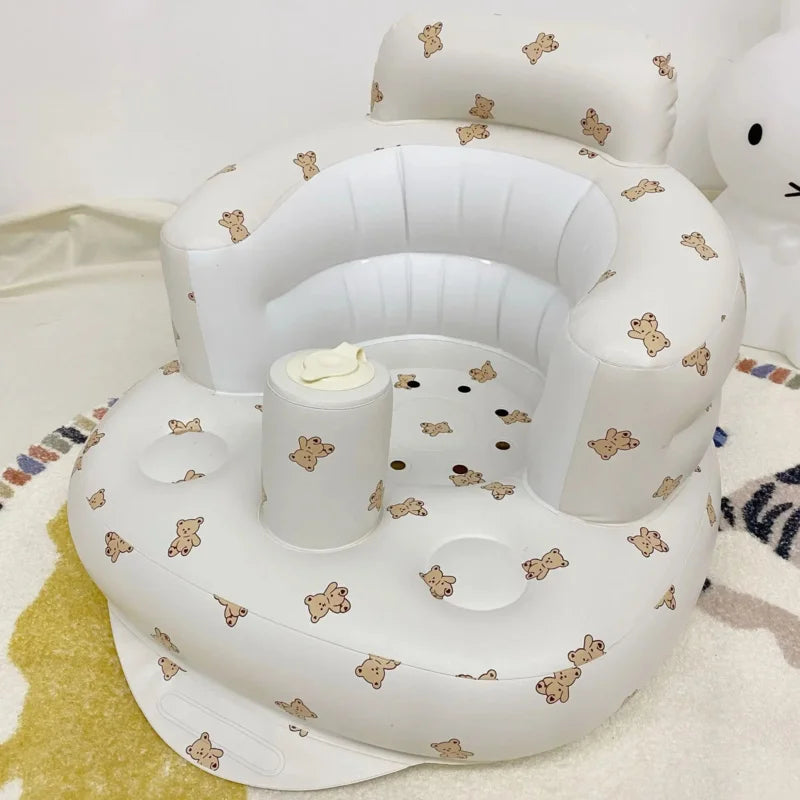
infant seat for sitting up, infant sitting pillow — See it in action
Why choose an infant seat for sitting up?
Many parents wonder whether a baby support seat for sitting is truly helpful or simply another piece of nursery gear. The right infant support seat can provide gentle stability for a baby who has developed good head control but is still building trunk strength. Used correctly, it allows short periods of upright interaction while reducing excessive slumping and making it easier for babies to reach toys, observe their surroundings, and interact with caregivers.
However, it's important to understand what these products can—and cannot—do. An infant seat for sitting up is designed to support early sitting practice, not accelerate developmental milestones or replace active movement. Babies still build the muscles needed for independent sitting primarily through tummy time, rolling, reaching, and supervised floor play.
Common concerns parents have
- Whether a baby will slump forward or struggle to maintain head position.
- Confusion about the right time to introduce an infant support seat.
- Choosing between soft infant sitting pillows, molded floor seats, and activity seats.
- Understanding how long babies should remain in a support seat during each session.
Realistic expectations: Think of an infant support seat as a temporary positioning aid rather than a teaching tool. Short, supervised sessions can improve comfort and encourage engagement with toys, but they should always be balanced with plenty of unrestricted floor movement to promote natural motor development.
Safety reminder: Always use infant seats only under direct adult supervision on a flat floor surface. Never use them as substitutes for tummy time, sleep spaces, or independent sitting before your baby is developmentally ready.
What is an infant seat for sitting up?
An infant seat for sitting up is a supportive baby seat designed to provide temporary trunk, hip, and back support during supervised floor play. Available as an infant sitting pillow , molded infant sitting chair , or baby floor seat for sitting up, these products help babies stay comfortably upright while they explore toys and interact with caregivers.
Short answer (40–60 words)
An infant seat for sitting up provides gentle support for babies who have developed good head control but are still strengthening their core muscles. Used for brief, supervised sessions, it encourages comfortable upright play while reducing slumping. It complements—not replaces—tummy time, assisted sitting, and other activities that naturally develop independent sitting skills.
Comparison: Types of infant seats and when each fits best
Different styles of infant support seats serve different developmental stages and family needs. Choosing the right option depends on your baby's current abilities, how often you'll use the seat, and whether portability or structured support is your priority.
Floor seats
A baby floor seat for sitting up typically features a sturdy molded shell with a broad base that helps stabilize babies during short play sessions. These seats are often best once babies have reliable head control and are beginning to sit with assistance.
Inflatable support seats
Inflatable support seats offer a lightweight, travel-friendly alternative. They pack easily for vacations, visits to grandparents, or small living spaces while still providing gentle support for supervised sitting on the floor.
Activity seats
Activity seats often include removable trays and attached toys that encourage reaching, grasping, and visual engagement. They can keep babies entertained during brief supervised sessions but should not replace active floor movement.
Infant sitting pillows
An infant sitting pillow surrounds the baby's hips with soft cushioning that helps reduce tipping. These pillows are lightweight and comfortable but generally provide less structural support than molded seats, making close supervision especially important.
| Type | Best stage | Advantages | Limitations |
|---|---|---|---|
| Infant sitting pillow | Early supported sitting | Soft, lightweight, portable, comfortable | Limited structure; may not prevent tipping |
| Molded infant play seat | Babies with steady head control | Excellent trunk support, stable base, activity options | Restricts movement if used too long |
| Inflatable sofa-style seat | Travel and occasional use | Compact, washable, easy to store | Less supportive as babies become stronger sitters |
| Support harness / floor seat | Older babies developing independent sitting | Adjustable support and secure positioning | Bulkier and typically more expensive |
Tip: Match the seat to your baby's developmental readiness rather than age alone. Look for a wide, stable base, hip-friendly positioning, and firm back support that allows natural movement instead of forcing an upright posture.
How to choose the right infant support seat
Support and ergonomics
Choose an infant support seat that keeps your baby's hips in a natural, slightly spread position while providing gentle support around the trunk. Avoid seats that force an overly upright posture or hold the legs too closely together.
Size and fit
- Check developmental readiness: Your baby should have consistent head control and enjoy short periods of supported upright play.
- Follow manufacturer guidelines: Confirm the recommended age, height, and weight limits before purchase.
- Choose an appropriate seat depth: Your baby should sit comfortably without excessive slouching or being squeezed into the seat.
Cleaning and portability
Daily baby gear gets messy quickly. Removable, machine-washable fabric covers or wipe-clean surfaces make regular cleaning much easier. If you frequently travel, an inflatable or foldable model offers convenient storage without taking up much space.
Features worth paying for
- Wide, stable base that reduces tipping risk.
- Comfortable, supportive backrest.
- Smooth, easy-to-clean materials.
- Secure but easy-to-use safety harness when included.
- Lightweight construction for moving between rooms.
Want examples and similar baby essentials? Check related gear like Baby Care Essentials and supportive items in Baby Growth & Learning .
How to use an infant seat safely
Parents often ask, "Are infant support seats safe?" The answer depends largely on how they're used. Even the best-designed infant support seat should only be used for short, supervised play sessions on a flat floor surface. Following basic safety practices helps reduce unnecessary risks while allowing your baby to enjoy comfortable upright interaction.
Step-by-step setup
- Place the infant support seat on a firm, level floor—never on countertops, sofas, beds, tables, or other elevated surfaces.
- Position your baby so their hips sit fully back against the seat while their back remains naturally supported.
- If the seat includes a safety harness, fasten it according to the manufacturer's instructions without overtightening.
- Keep toys within easy reach to encourage reaching and interaction without forcing awkward posture.
- Stay within arm's reach throughout every session. Infant seats are designed for supervised awake time only.
Recommended session length
- Limit individual sessions to about 10–20 minutes , depending on your baby's comfort and developmental stage.
- Watch for signs of fatigue, slumping, fussiness, or loss of head control, and end the session if these appear.
- Alternate supported sitting with tummy time, rolling, crawling practice, and free floor play to encourage balanced muscle development.
- Never allow babies to sleep in an infant support seat.
Cleaning and maintenance
- Inspect straps, buckles, seams, and support panels regularly for signs of wear.
- Clean removable covers according to the manufacturer's instructions to maintain hygiene.
- Wipe plastic or inflatable surfaces after spills using mild soap and water.
- Replace the seat if structural components become damaged or no longer provide stable support.
Top picks and where each fits
Different infant seats excel in different situations. Some prioritize structured support for home use, while others emphasize portability or easy cleaning. The comparison below highlights where each option performs best.
| Pick | Best for | Why parents like it | Things to consider |
|---|---|---|---|
| Soft infant sitting pillow | Early supported floor play | Soft, lightweight, comfortable, easy to move | Requires close supervision because support is limited. |
| Molded play seat | Structured upright play | Stable base with better trunk support and optional activity tray | Best for short sessions to avoid prolonged sitting. |
| Inflatable sofa-style seat (product link) | Travel, visits, and compact storage | Portable, washable, lightweight, and easy to inflate | Great for supervised use; see the inflatable sofa seat . |

infant cushion chair, infant support seat — See it in action
Where the inflatable sofa seat fits
An inflatable sofa-style seat is especially useful for families who need a portable seating solution for vacations, visits with relatives, or small living spaces. Because it packs away easily and cleans quickly, it works well as a secondary infant support seat while still encouraging short, supervised play sessions. Like every baby support seat for sitting, it should never replace active floor play or be used for sleep.
Pros & Cons
- ✅ Lightweight and highly portable for travel.
- ✅ Easy-to-clean materials help simplify everyday maintenance.
- ✅ Comfortable for brief supervised upright play.
- ❌ Provides less structured support than rigid molded seats.
- ❌ Should never be placed on elevated surfaces or used without adult supervision.
Buying tips before choosing an infant support seat
Before purchasing any infant seat for sitting up, compare independent reviews, product photos, and manufacturer specifications. Focus on stability, ease of cleaning, appropriate sizing, and whether the design supports your baby's current developmental stage rather than promising faster milestone achievement.
If you're looking for additional products that support everyday baby safety, browse Monitoring Devices to complement your nursery setup.
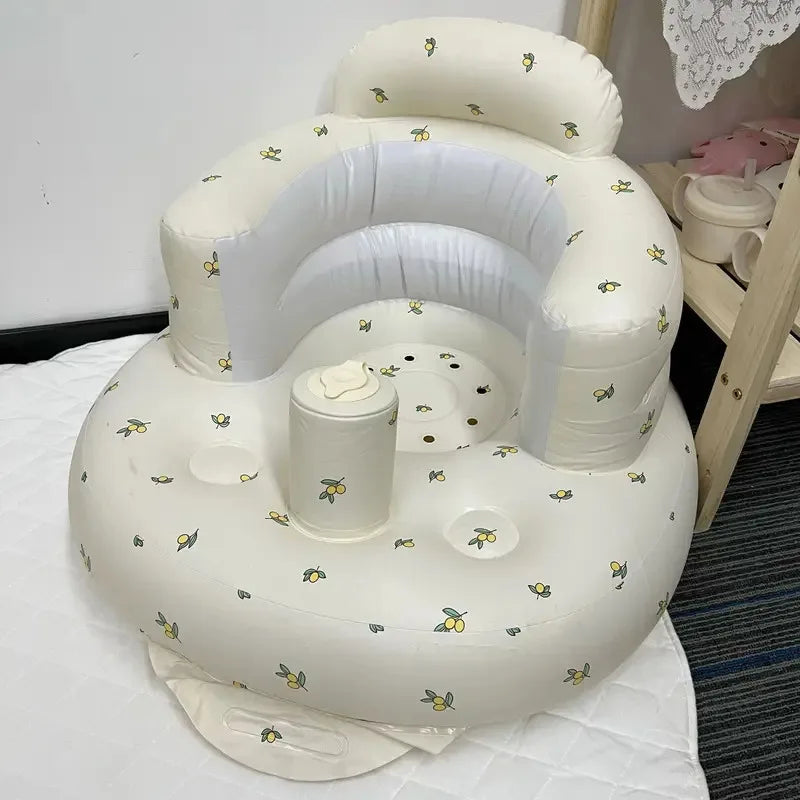
infant play seat, infant cushion chair — See it in action
Frequently asked questions
1. When can babies start using an infant support seat?
Most babies are ready once they have consistent head control and can comfortably hold their head upright. Development varies, so focus on readiness rather than age alone and always follow the manufacturer's recommendations.
2. Are infant support seats safe for everyday use?
Yes, infant support seats can be used daily when sessions remain brief, the seat is placed only on the floor, and an adult provides constant supervision. They should supplement—not replace—tummy time and unrestricted floor play.
3. How long should a baby stay in a support seat?
Most experts recommend limiting sessions to about 10–20 minutes at a time. Watch your baby's cues and end the session if they become tired, begin slumping, or lose interest.
4. What's the difference between a floor seat and an activity seat?
A floor seat primarily provides postural support during supervised sitting, while an activity seat typically adds toys or a tray to encourage reaching and play. Both should be used only for short periods and never as substitutes for active movement.
5. Can an infant support seat help babies learn to sit independently?
An infant support seat helps babies experience an upright position comfortably, but it does not teach independent sitting by itself. Babies develop sitting skills through tummy time, rolling, reaching, and supervised floor play.
6. How do I choose the right size infant sitting chair?
Select a model that matches your baby's height, weight, and developmental stage. Your baby should sit comfortably with adequate hip and back support without feeling compressed or slouching forward.
7. Are inflatable infant seats good for travel?
Yes. Inflatable infant seats are lightweight, compact, and convenient for travel or visits with family. They should still be used only on flat floor surfaces under direct adult supervision.
8. What safety features should I look for in a baby support seat?
Look for a wide, stable base, supportive backrest, secure harness when included, durable construction, non-slip contact points, and clear manufacturer guidance regarding age, weight, and proper use.
Pillar Article: Upright Infant Seat Reviews: Best Options for Early Sitting Support
Other Related Articles:
- Why an Infant Portable Chair Can Make Sitting Up Easier
- Choosing the Best Infant Sofa Chair for Play and Learning
- Infant Sitting Chair Comparisons: Which One Suits Your Baby Best
- Top Infant Inflatable Chairs for Comfortable Baby Sitting
Explore More:





