
Early Sitting Development Support: Best Seats for Growing Babies
Does an infant support seat really help babies learn to sit?
Yes—an infant support seat can play a valuable role in early sitting development support , but it does not teach a baby to sit independently on its own. Instead, a well-designed baby sitting support seat provides temporary stability while your baby practices balance, trunk control, and core strength during short, supervised sessions.
Think of a support seat as a practice tool rather than a developmental shortcut. Babies still build sitting skills through tummy time, reaching, rolling, and active floor play. When paired with these activities, an infant support chair helps reduce tipping, encourages better posture, and allows babies to practice upright positioning with greater confidence.
If your little one still wobbles when sitting, you're not alone. Most babies reach this developmental milestone at their own pace, and slight differences in timing are completely normal. Choosing the right infant support chair or infant play seat can provide a safer environment for supervised practice while encouraging healthy neck, back, and core muscle development. This guide explains when support seats are appropriate, what features matter most, and how to choose the best option for your baby's stage of development.
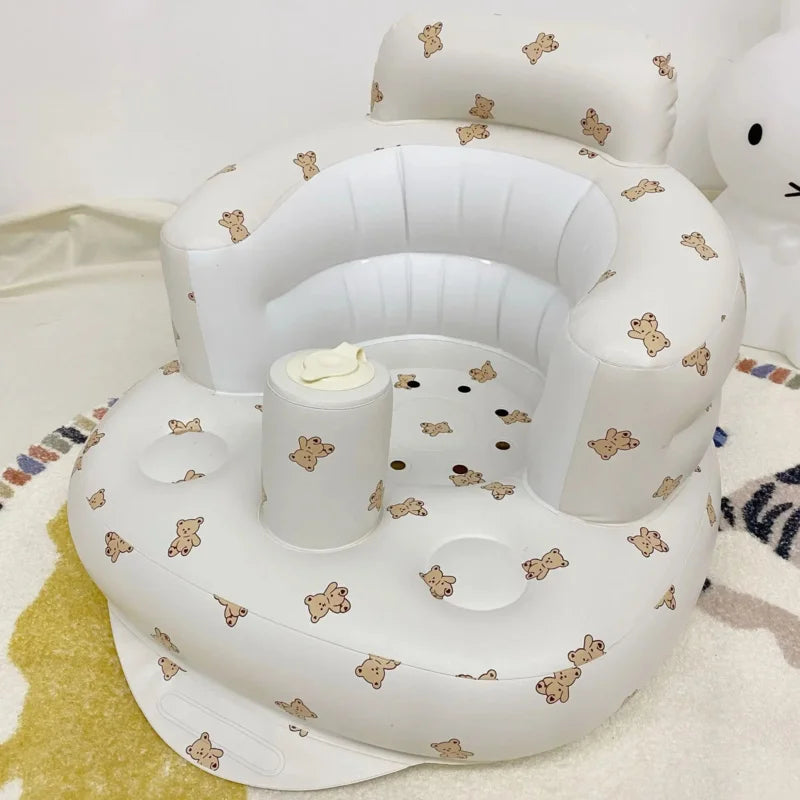
early sitting development support, infant support chair — See it in action.
Why infant support seats matter for early sitting development
Most babies begin developing independent sitting skills between 4 and 9 months, although every child progresses differently. During this stage, a supportive seat provides a stable base for short practice sessions while encouraging babies to actively engage their neck, back, and abdominal muscles. Rather than replacing floor play, an infant support chair complements daily movement by helping babies explore the upright position safely.
Key benefits of proper trunk and posture support
- Supports healthy posture: Proper trunk and hip alignment encourages balanced muscle development while reducing slouching.
- Builds core stability: Short, supervised practice helps babies strengthen the muscles needed for independent sitting.
- Promotes active play: Upright positioning allows babies to reach, grasp, and visually explore their surroundings.
- Improves caregiver confidence: A stable seating position can reduce concerns about sudden toppling during supervised practice.
- Works alongside tummy time: Alternating positions encourages more balanced motor development than relying on one activity alone.
Which seats work best (quick comparison)
Different support seats serve different developmental needs. Soft floor seats, molded infant support seats, inflatable sofa seats, and activity play seats each provide unique advantages depending on your baby's age, strength, and daily routine. The ideal choice offers supportive positioning without restricting natural movement.
What makes a seat effective for early sitting development support?
The best infant support seats combine a broad, stable base with gentle back support, secure leg positioning, and enough freedom for babies to reach, twist, and engage their trunk muscles. Look for designs that encourage active participation instead of allowing babies to slump into a passive posture. Easy-to-clean materials, lightweight construction, and age-appropriate sizing also improve long-term usability for growing families.
Choose the right infant support seat for your needs
Every baby develops differently, so the best seat depends on the challenges your child is experiencing. Matching the seat to your baby's developmental stage helps create comfortable, productive practice sessions.
Baby tips forward
- Select a seat with supportive front contours and a slightly reclined backrest to improve stability during early practice.
- Wide leg openings and secure hip positioning help maintain better trunk alignment while reducing forward tipping.
Baby leans sideways
- Choose a seat with balanced side support that encourages an upright midline position without restricting movement.
- Continue regular tummy time and supervised floor play to strengthen the muscles responsible for side-to-side balance.
Travel-friendly option
- Inflatable sofa seats are lightweight, easy to pack, and convenient for vacations, grandparents' homes, or small living spaces while still providing comfortable supervised sitting practice.
Product example: The inflatable sofa-style infant seat available at /products/baby-inflatable-sofa-seat offers soft containment, portable comfort, and quick setup for supervised early sitting development support at home or while traveling.
How to use an infant support seat safely
Correct positioning
- Always place your baby fully back in the seat so their hips, back, and shoulders are supported according to the manufacturer's instructions.
- Position your baby's feet naturally and avoid forcing the legs into uncomfortable angles that may affect posture.
- Encourage reaching and gentle movement instead of relying on the seat to hold your baby completely still.
Session length
- Keep practice sessions short, beginning with about 3–5 minutes and gradually increasing as your baby's strength and endurance improve. Multiple brief sessions are more beneficial than one long period.
- Alternate supported sitting with tummy time, rolling, and supervised floor play to promote balanced motor development.
Supervision essentials
- Never leave your baby unattended in any infant support seat, even for a few moments.
- Always place the seat on a flat floor away from stairs, furniture edges, cords, pets, or other household hazards.
- Offer toys slightly within reach to encourage trunk rotation, reaching, and active balance corrections while remaining close enough to assist if needed.
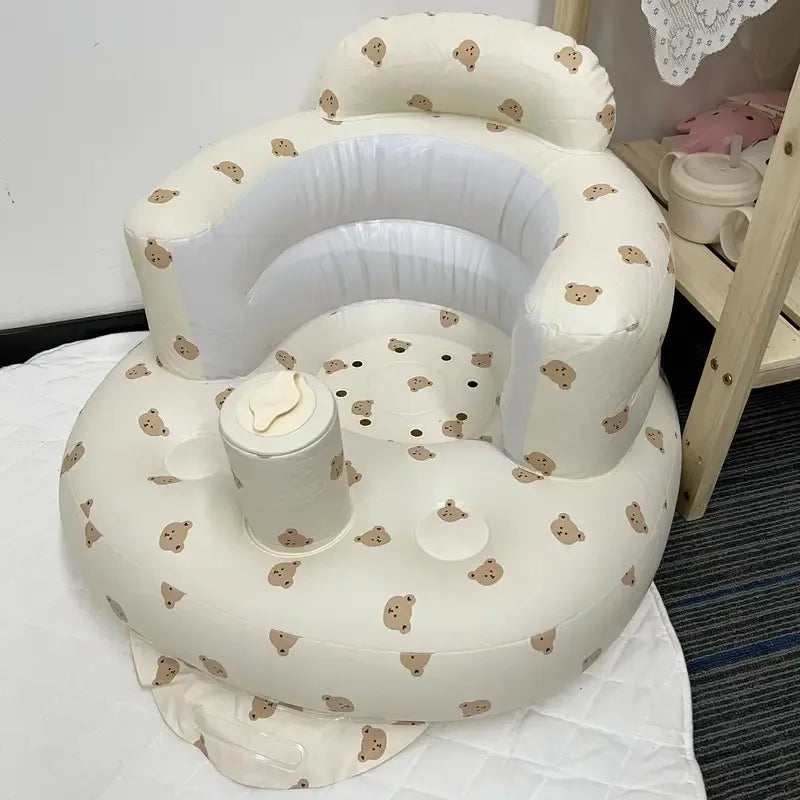
infant support chair, infant play seat — See it in action.
Best infant support seats compared
How we evaluated each support seat
To compare the most common infant support seat styles, we focused on the features parents value most: stability, comfort, ease of cleaning, portability, developmental support, and overall suitability for supervised sitting practice.
| Seat type | Best for | Advantages | Things to consider |
|---|---|---|---|
| Soft floor seat | Young babies beginning supervised sitting practice | Soft support, lightweight, washable covers, comfortable for short sessions | Provides less structure for stronger, more active babies |
| Molded support seat | Babies developing better trunk control | Firm posture support, wide stable base, durable construction | Heavier and less convenient for travel |
| Inflatable sofa seat | Travel, grandparents' homes, compact storage | Portable, lightweight, comfortable, quick to inflate | Requires occasional reinflation and should only be used with close adult supervision |
| Activity play seat | Short interactive play sessions | Keeps babies engaged with toys while encouraging reaching | Not intended for extended sitting or as a replacement for active floor play |
Safety checklist before each session
- Confirm the infant support seat is placed securely on a flat floor rather than on a table, sofa, countertop, or bed.
- Check the seat for loose seams, damaged parts, air leaks (for inflatable models), or signs of wear before each use.
- If your model includes a harness, ensure it fits snugly without twisting and that your baby is positioned correctly.
- Make sure your baby's hips and back are fully supported without slumping or leaning excessively.
- Stay within arm's reach throughout the entire session and supervise continuously.
- Keep practice sessions brief and alternate with tummy time and free movement on a safe play surface.
Expert guidance and developmental tips
Child development specialists generally recommend using an infant support seat as one part of a well-rounded daily routine rather than as a substitute for active movement. Babies develop sitting skills by practicing head control, rolling, reaching, pivoting, and tummy time. A support seat provides a stable place to practice these skills during short, supervised sessions while allowing babies to interact with their surroundings.
To encourage healthy motor development, alternate supported sitting with floor play throughout the day. Giving babies opportunities to shift their weight, reach for toys, and transition between positions helps strengthen the muscles needed for independent sitting.
Simple therapist-inspired floor activities
- Reach and return: Place a favorite toy slightly to one side to encourage gentle trunk rotation, balance corrections, and coordinated reaching.
- Supported weight shifting: Sit behind your baby and gently assist small side-to-side movements to improve core stability and body awareness.
- Tummy-to-sit transitions: Encourage supervised movement between tummy time and supported sitting to strengthen the neck, shoulders, hips, and abdominal muscles.
- Midline play: Hold a toy directly in front of your baby before gradually moving it left and right to encourage controlled visual tracking and upright posture.
Choose features that match your family's needs
The best infant support seat is the one that matches your baby's developmental stage and your daily routine. Consider how often you'll use it, where you'll use it, and which features will make supervised practice easier.
- For babies with sensitive skin: Look for breathable fabrics, smooth seams, and removable covers that are easy to wash after everyday use.
- For posture and trunk support: Firm-backed support seats encourage upright positioning while allowing active movement instead of passive slouching.
- For travel or multiple caregivers: Inflatable support seats are lightweight, compact, and convenient to transport between homes or vacations.
- For interactive play: Activity seats can keep babies engaged during short sessions, but they should complement—not replace—free movement on the floor.
Ready to try a portable solution? Check the inflatable option at /products/baby-inflatable-sofa-seat for supervised sitting practice that travels well.
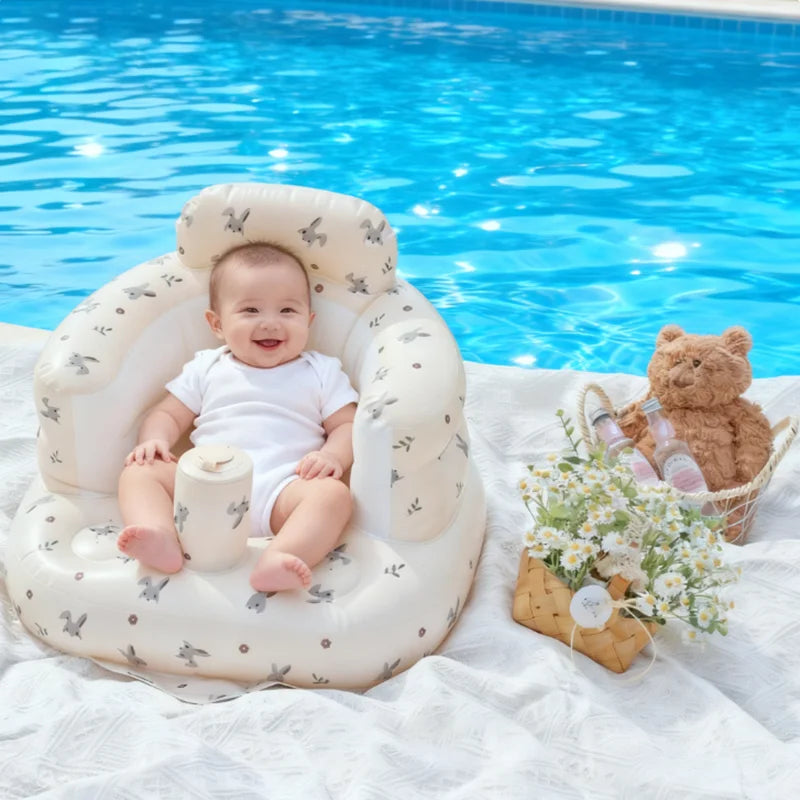
infant play seat, infant body support — See it in action.
Pros & Cons of infant support seats
-
✅
Benefits:
- Provides additional stability during supervised sitting practice.
- Supports healthy posture while babies build trunk and core strength.
- Encourages reaching, visual exploration, and interactive play.
- Portable models are convenient for travel and visits with family.
- Many designs feature removable, easy-to-clean covers for everyday use.
-
❌
Limitations:
- Should never replace tummy time or unrestricted floor play.
- Requires continuous adult supervision.
- Babies who become highly mobile may outgrow support seats quickly.
- Incorrect sizing or prolonged use can reduce opportunities for natural movement.
Frequently asked questions
-
When can my baby use an infant support seat?
Most babies are ready once they have good head and neck control, which often develops between 4 and 6 months. Readiness is more important than age alone. Use the seat only for short, supervised practice sessions alongside tummy time and active floor play. -
Do infant support seats help babies learn to sit independently?
Yes, they can support infant sitting development by providing a stable place to practice balance and posture. However, they do not teach sitting by themselves. Independent sitting develops through regular opportunities to roll, reach, pivot, and move freely on the floor. -
How long should a baby stay in a support seat?
Keep sessions brief—typically 5 to 15 minutes depending on your baby's age, strength, and comfort. Several short practice sessions throughout the day are generally more beneficial than one extended session. -
Are infant support seats safe for everyday use?
Yes, when used correctly. Always place the seat on a flat floor, supervise continuously, follow the manufacturer's recommendations, and avoid using it as a substitute for active play or sleep. -
What is the difference between a support seat and a floor seat?
A support seat is designed to provide additional trunk and posture support for babies developing sitting skills. A floor seat is a broader category that may include supportive, soft, or activity-style seating. Always choose a model appropriate for your baby's developmental stage. -
How do I know my baby has outgrown a support seat?
Your baby may be ready to transition when they can sit confidently without assistance, attempt to climb out, exceed the recommended height or weight limits, or no longer fit comfortably in the seat. -
How should I clean an infant support seat?
Follow the manufacturer's cleaning instructions. Most removable fabric covers can be machine washed, while plastic or inflatable surfaces can usually be cleaned with mild soap, warm water, and a soft cloth. Inspect the seat regularly for wear before each use. -
What features should I look for before buying an infant support seat?
Look for a wide, stable base, supportive backrest, comfortable leg openings, easy-to-clean materials, durable construction, portability if needed, and sizing that matches your baby's developmental stage.
Final verdict: choosing the best infant support seat
An infant support seat is most effective when it complements—not replaces—your baby's natural movement and developmental activities. The best seats for babies learning to sit provide comfortable trunk support, encourage active engagement, and make short supervised practice sessions safer and more enjoyable.
If your family needs a lightweight option for travel or multiple caregivers, a portable inflatable design can be a practical choice. For babies who benefit from firmer posture support during supervised practice, a molded support seat may be the better fit. Whatever style you choose, prioritize safety, proper fit, and age-appropriate use while continuing plenty of tummy time and floor play.
Explore related gear and guides: Baby Growth & Learning • Baby Care Essentials • Mobility & Training
Pillar Article: How to Improve Baby Posture: Seating Solutions for Every Need
Other Related Articles:
Explore More:





