
Infant Posture Support Seat: Match Features to Your Baby’s Sitting Needs
An infant posture support seat can make early sitting practice more comfortable by providing gentle support while babies develop balance, trunk control, and confidence. The right infant support chair or infant play seat should match your baby’s developmental stage, daily routine, and comfort needs—helping create safer supervised practice sessions without replacing tummy time or natural movement.
⏱ 7 min read
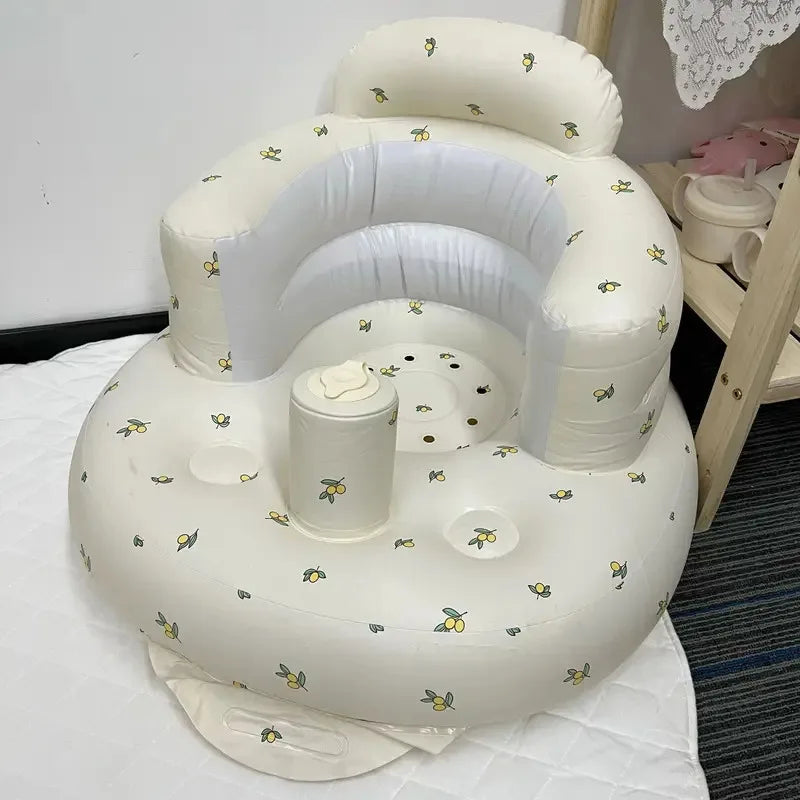
infant posture support seat & infant sitting pillow — See it in action
Why posture support matters for early sitters
Learning to sit is a gradual developmental process that involves neck strength, core stability, hip control, and balance. A baby support seat does not teach independent sitting by itself, but it can provide a comfortable environment for supervised practice while babies explore upright positions.
When used appropriately, an infant posture support seat may help reduce frequent side tipping, support a more balanced sitting position, and give babies more opportunities to interact with toys from an upright posture.
What an infant posture support seat actually does
- Provides gentle side support: Helps keep babies centered while they practice controlling their torso.
- Encourages upright positioning: Supportive designs can reduce excessive leaning or slumping.
- Creates comfortable play opportunities: Allows supervised interaction with toys, caregivers, and surroundings.
- Supports gradual confidence building: Gives early sitters more chances to practice balance before sitting independently.
The best baby seat support option depends on your baby’s age, activity level, and how you plan to use it.
Choosing an infant posture support seat by need
Before selecting an infant support seat, consider your main goal: supporting early sitting practice, creating a comfortable play area, improving feeding routines, or finding a portable option for travel. Different designs work better for different situations.
- For short sitting practice: Choose a lightweight infant sitting pillow or soft floor seat with comfortable edges and easy cleaning.
- For everyday supervised play: Look for a structured infant couch seat with a stable base, back support, and comfortable cushioning.
- For sensitive skin or frequent messes: Prioritize breathable fabrics, removable covers, and wipe-clean surfaces.
- For travel and small spaces: Compact inflatable seats are easier to store, move between rooms, and pack away when not needed.
See related gear for supporting development
Complement sitting practice with age-appropriate floor toys, tummy time activities, and movement-based play. Explore Baby Growth & Learning resources for guided activities that encourage early development.
Key features to look for in a baby support seat
A quality infant posture support seat should combine stability, comfort, supportive positioning, and easy maintenance. Features such as a wide base, soft lateral support, breathable materials, and washable covers can improve everyday usability while helping babies practice sitting more comfortably under supervision.
- Stable, wide base: Helps prevent unnecessary movement and keeps the seat balanced on the floor.
- Lateral support cushions: Provide gentle support around the hips and sides of the torso.
- Supportive back design: Helps babies maintain a comfortable upright position during short practice sessions.
- Adjustable or flexible positioning: Allows families to choose support levels that match their baby’s current stage.
- Washable cover and removable inserts: Makes cleanup easier after spills, snacks, or everyday use.
- Non-slip bottom: Helps keep the seat stable on common household surfaces.
Materials that matter
Look for baby support seats made with breathable fabrics, durable stitching, and cushioning that provides support without feeling overly rigid. Removable and washable materials are especially useful for daily routines. If available, parents may also look for manufacturer information about material safety standards and quality testing.
Quick comparison: common baby support seat types
Different baby support seat designs solve different needs. A floor-based infant support seat is usually best for early sitting practice, while inflatable or multi-purpose options may work better for travel, feeding, or families who need flexible storage.
| Seat Type | Best for | Typical Pros | Typical Cons |
|---|---|---|---|
| Infant sitting pillow | Short supervised sitting practice | Soft support, lightweight design, easy to move and clean | Provides less structured support as babies become more active |
| Inflatable sofa seat | Travel, small spaces, flexible play areas | Packs down easily, comfortable cushioning, wide supportive base | Requires proper inflation and regular condition checks |
| Structured infant couch seat | Daily supervised play sessions | Stable support, supportive back design, comfortable positioning | Usually takes more storage space |
| Multi-purpose support chair | Feeding routines and longer-term use | Adjustable features, versatile design, grows with changing needs | Often heavier and more expensive |
Example product (inflatable): baby inflatable sofa seat — a convenient option for travel, quick storage, and supervised sitting practice.
How to use an infant posture support seat safely
Using an infant posture support seat correctly helps babies practice upright positioning while reducing unnecessary strain. The seat should support development, not replace free movement, tummy time, or caregiver interaction.
- Choose a safe location: Place the seat directly on the floor in a clear play area. Avoid beds, sofas, counters, or other elevated surfaces.
- Check the seat condition: Confirm that cushions, inserts, straps, or inflatable sections are properly positioned before each use.
- Position your baby comfortably: Ensure your baby’s hips and back are supported while allowing natural movement of the arms and legs.
- Start with short sessions: Begin with around 5–15 minutes and increase gradually based on your baby’s comfort and readiness.
- Balance seated practice with movement: Include tummy time, floor play, and caregiver-supported activities to encourage overall strength development.
Usage tips for specific concerns
- Low muscle tone: Choose a seat with supportive side cushions and avoid positions where your baby appears to collapse forward.
- Reflux concerns: Select a design that allows comfortable positioning and avoid tight pressure around the abdomen.
- Mess-prone routines: Prioritize removable covers, wipeable materials, and easy-clean surfaces for everyday convenience.
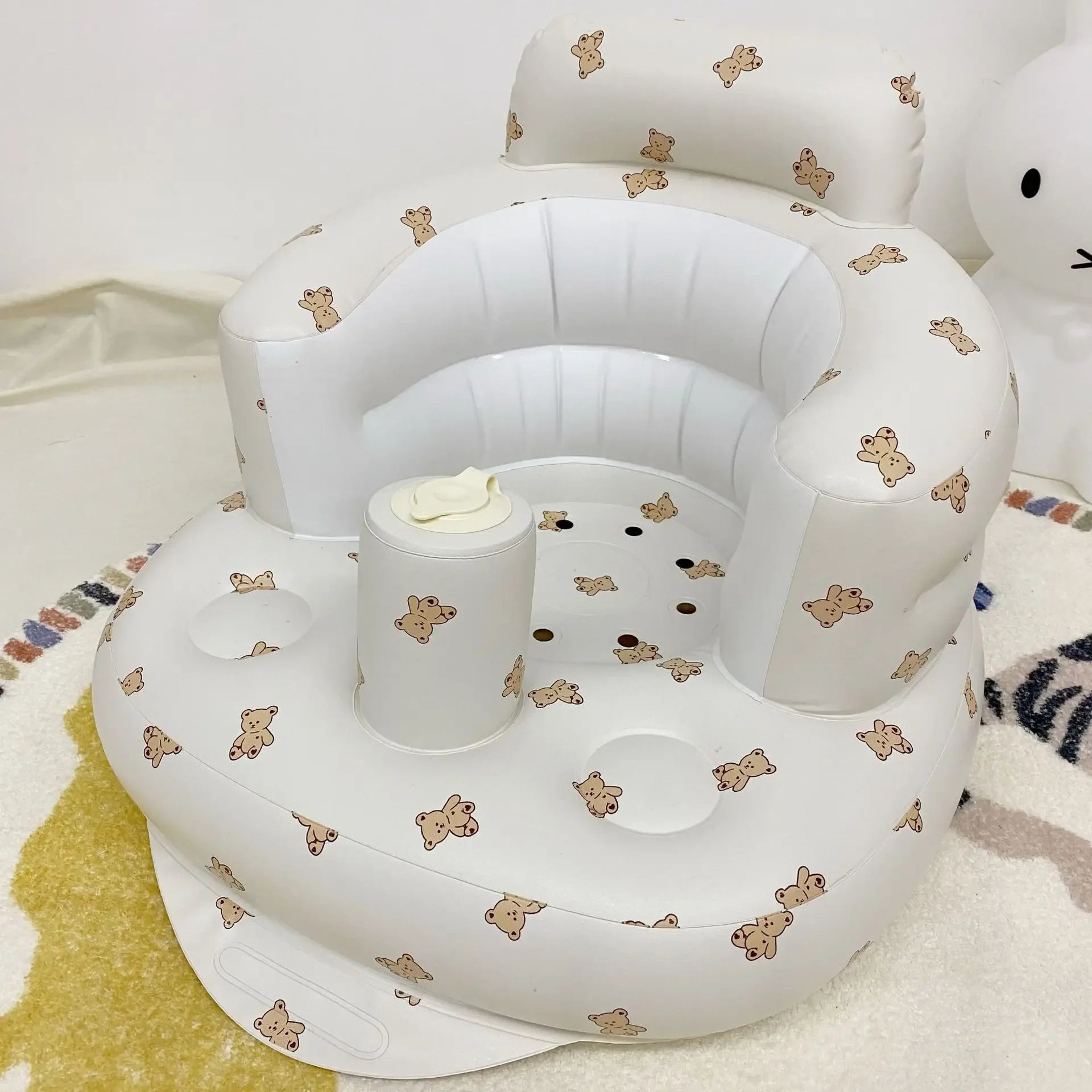
infant couch seat & infant sit and play — See it in action
Pros and cons of using a baby support seat
A baby support seat can make supervised sitting practice easier for families, but it works best when parents understand both the advantages and limitations.
| Benefits | Why it helps |
|---|---|
| Improved sitting stability | Lateral support helps keep the torso centered so babies can focus on balance and reaching. |
| More comfortable practice sessions | Supportive positioning may reduce fatigue during short supervised play periods. |
| Easier daily routines | Washable materials and stable designs simplify playtime and feeding cleanup. |
| Supports caregiver interaction | Upright positioning can make face-to-face play and toy exploration easier. |
Limitations to remember: A support seat should not be used as a replacement for independent movement. Babies still need regular floor play, tummy time, and opportunities to develop balance naturally.
- Best for: Babies who are beginning to explore supported sitting with appropriate supervision.
- Use carefully when: A baby cannot maintain head control or appears uncomfortable in the seat.
- Avoid: Long periods of restricted sitting that reduce opportunities for active movement.
Buying guide: what to look for before you buy
Choosing the right infant support seat is about finding a balance between safety, comfort, durability, and your family’s daily routine. Before purchasing a baby seat support product, review these key factors:
- Safety and stability: Look for a wide, balanced base that stays secure on the floor and reduces unwanted movement during supervised use.
- Comfort and posture support: Choose designs with gentle side support, a comfortable backrest, and enough room for natural arm and leg movement.
- Cleaning requirements: Removable covers, washable fabrics, and wipeable surfaces make daily maintenance easier after snacks, spills, or drooling.
- Adjustability and fit: Select a seat that matches your baby’s current developmental stage without creating excessive gaps or restricting movement.
- Durability: Consider strong materials, quality stitching, and construction that can handle regular supervised use.
- Budget and value: The most expensive option is not always the best choice. Focus on features that match how and where your baby will use the seat.
For families who need a compact option that is easy to store and move between rooms, check the inflatable solution at baby inflatable sofa seat . For frequent home use, a structured couch seat or multi-purpose support chair may provide additional stability and convenience.
Safety guide: Is a baby support seat safe?
A baby support seat can be a helpful tool for supervised sitting practice when used correctly. However, it should always be treated as a support product—not a replacement for active supervision, tummy time, or free movement.
Safe positioning
- Use on a flat floor surface: Avoid placing support seats on elevated areas such as tables, beds, or countertops where falls may occur.
- Check body alignment: Your baby should sit comfortably with supported hips, a stable torso, and an open airway.
- Avoid prolonged positioning: Alternate seated practice with floor play and movement activities.
Supervision essentials
- Stay close and monitor your baby throughout every session.
- Stop use if your baby slides down, appears uncomfortable, or struggles to maintain a safe position.
- Follow manufacturer instructions for weight limits, cleaning, assembly, and recommended usage.
- Check product safety information and recalls when available.
Frequently asked questions
-
When can baby use a support seat?
Most babies begin using a support seat when they have good head control and show early signs of readiness for supported sitting, often around 4–6 months. Development varies, so parents should focus on their baby’s individual abilities rather than age alone. -
Is a baby support seat safe for everyday use?
A baby support seat can be used regularly for short supervised sessions when placed correctly on the floor and combined with plenty of movement, tummy time, and interactive play. -
What is the best baby seat for sitting up?
The best baby seat for sitting up depends on your needs. A structured seat may work best for daily home practice, while an inflatable option can be more convenient for travel and storage. -
Can a baby support seat help babies learn to sit independently?
A support seat can provide stability and confidence during practice, but babies still need unrestricted movement and floor activities to develop independent sitting skills. -
How long should a baby stay in a support seat?
Start with short sessions of around 5–10 minutes and increase gradually based on your baby’s comfort. Frequent short practices are generally better than long periods in a seated position. -
What's the difference between a floor seat and an infant sit up chair?
A baby floor seat for sitting up is usually designed for low, supervised play and early sitting practice. An infant sit up chair may include additional support features for feeding, longer routines, or multi-purpose use. -
How do I clean a baby support seat?
Choose removable covers or wipe-clean materials when possible. Follow the manufacturer’s cleaning instructions to protect the seat’s materials and maintain hygiene. -
When should I stop using a baby support seat?
Transition away when your baby can sit independently, becomes too active for the seat design, or reaches the manufacturer’s recommended limits.
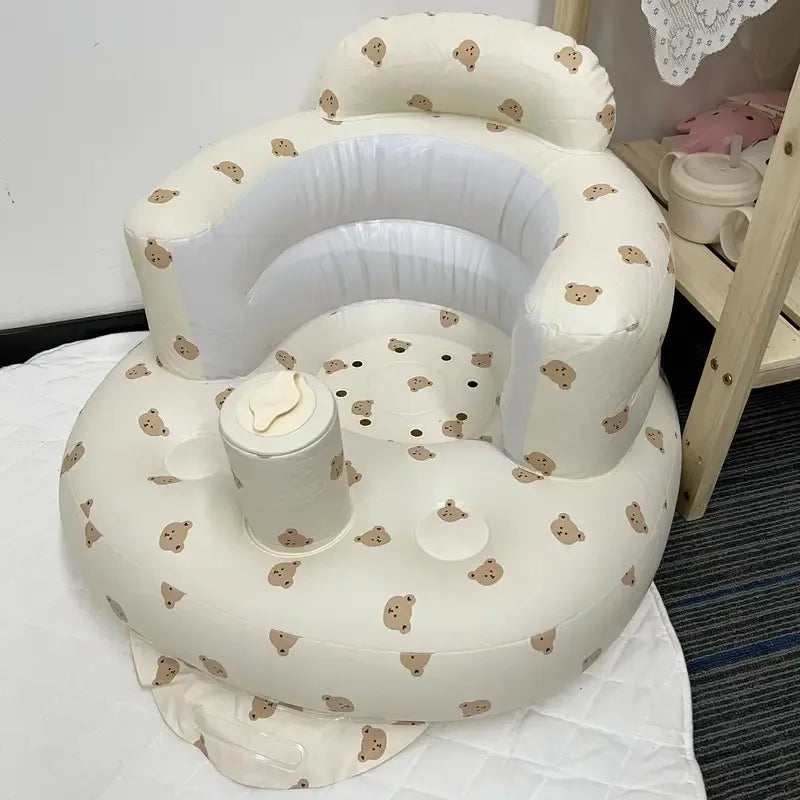
infant posture support seat & infant sit and play — See it in action
Frequently Asked Questions
When can baby use a support seat?
Most babies can begin using a baby support seat for short, supervised periods when they have steady head control and show early trunk strength, often around 4–6 months. Every baby develops differently, so readiness signs are more important than age alone.
Is a baby support seat safe for everyday use?
A baby support seat can be safe for everyday supervised play when used on the floor, placed on a stable surface, and combined with plenty of tummy time and free movement. It should not replace independent floor exploration or be used as a sleep space.
What is the best baby seat for sitting up?
The best baby seat for sitting up depends on your routine. A structured floor seat works well for stable home play, an inflatable sofa seat is useful for travel and storage, and a multi-purpose support chair may suit families who need feeding and play flexibility.
Can a baby support seat help babies learn to sit independently?
A baby support seat can provide practice opportunities by helping babies maintain an upright position, but it does not replace the muscle development needed for independent sitting. Combine supported sitting with tummy time, reaching activities, and supervised floor play.
How long should a baby stay in a support seat?
Start with short sessions of about 5–10 minutes and increase gradually based on your baby's comfort and posture. Avoid long periods in one position, especially if your baby begins slumping, fussing, or showing signs of fatigue.
What's the difference between a floor seat and an infant sit up chair?
A baby floor seat for sitting up is designed mainly for supervised play and posture practice close to the ground. An infant sit up chair may include more structured support, additional padding, or features for feeding and longer daily routines.
How do I clean a baby support seat?
Choose an infant support seat with removable, washable covers or wipe-clean materials. Follow the manufacturer's cleaning instructions, dry all parts completely, and regularly check seams, straps, and surfaces for wear.
When should I stop using a baby support seat?
Stop using a baby support seat when your child reaches the product's size or weight limit, attempts to climb out, or can sit independently and no longer benefits from the added support. Always follow the specific product safety guidance.
Pillar Article: How to Improve Baby Posture: Seating Solutions for Every Need
Other Related Articles:
Explore More:





