

Infant Bath Tips: Make Daily Bath Time Safer and Easier
⏱ 7 min read
Does following infant bath tips really make bath time safer and less stressful?
Yes — practical infant bath tips help create a safer, calmer routine by reducing common risks like slippery handling, uncomfortable water temperatures, and rushed preparation. A consistent setup with the right supplies allows caregivers to focus on gentle handling, newborn comfort, and protecting delicate skin during every bath.
- Prepare everything before starting: towel, clean diaper, mild cleanser, washcloth, and clothing.
- Check the water temperature before placing your baby in the bath. Aim for warm water around 100°F (37–38°C).
- Keep one hand supporting your baby at all times and use a stable bath surface designed for infants.
- Keep baths short, dry gently afterward, and apply moisturizer only if your baby’s skin needs extra hydration.
Bath time can become one of the most enjoyable bonding moments of the day, but many new caregivers wonder how to make it safer and easier. These infant bath tips focus on simple preparation, gentle cleaning, and age-appropriate routines that help reduce stress while supporting healthy newborn skin. With a few smart habits, bathing a baby safely becomes more predictable and manageable.
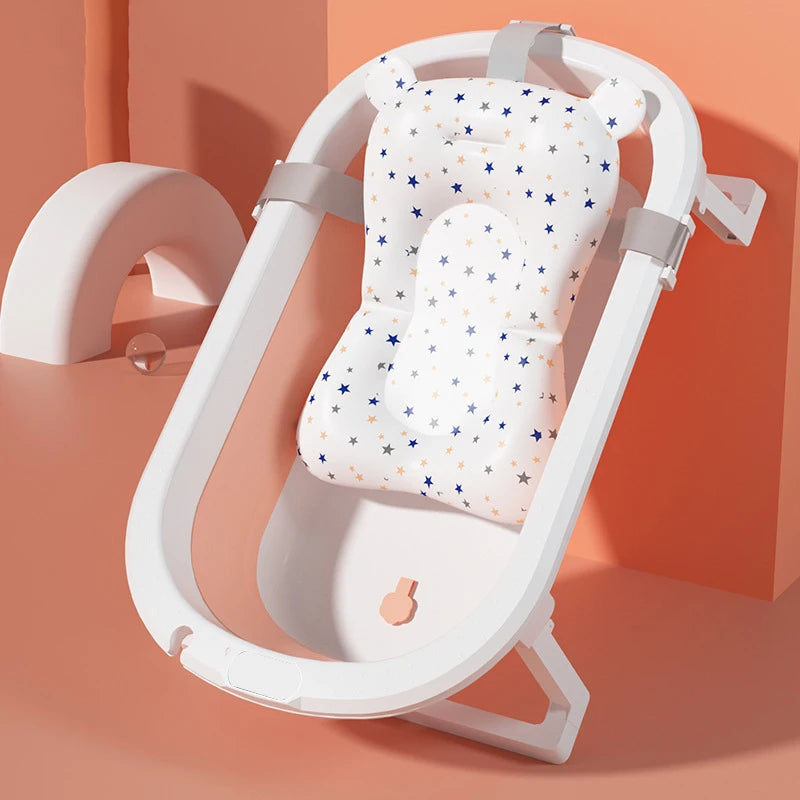
infant bath tips — See it in action
Why these infant bath tips help (quick benefits)
Using reliable infant bath tips creates a safer environment by making each step more consistent. Newborns have delicate skin and limited ability to regulate temperature, so a gentle approach helps prevent unnecessary irritation while keeping bath time comfortable.
A well-planned routine also reduces caregiver stress. Having supplies ready, maintaining a safe water temperature, and following the same washing order helps avoid distractions and allows more attention on your baby’s comfort.
Key benefits of a safe infant bath routine
- Creates a predictable routine that can help babies feel more comfortable.
- Supports delicate skin by avoiding unnecessary washing and harsh products.
- Reduces rushed handling by keeping essential supplies nearby.
- Makes cleanup, drying, and dressing easier after every bath.
How to bathe a newborn safely: step-by-step overview
Learning how to bathe a newborn starts with choosing the right type of bath for your baby’s age and following a simple sequence. The safest approach depends on whether your baby still needs sponge baths or is ready for a supported tub bath.
When to choose a sponge bath
A sponge bath is commonly used during the early newborn stage, especially before the umbilical cord area has healed. It allows caregivers to clean the baby gently while keeping the cord area dry and avoiding unnecessary soaking.
For a sponge bath, prepare a warm room, a soft washcloth, clean water, and a dry towel before starting. Clean one area at a time, paying attention to skin folds, then dry gently before dressing your baby.
When to transition to a tub bath
Once your baby’s umbilical cord area has healed and your healthcare provider has no concerns, a supported infant tub bath can become part of your routine. A small baby tub or foldable bath tub provides a contained space while helping caregivers maintain better control.
Regardless of age, safe handling remains the priority: keep supplies within reach, support your baby’s head and neck, and never leave an infant alone near water.
- Prepare the bath area: Place the towel, diaper, clothes, washcloth, mild cleanser, and rinsing cup within arm’s reach before bringing your baby to the bath area.
- Check the water: Test the temperature before bathing. Water should feel comfortably warm, not hot, and should stay around 100°F (37–38°C).
- Support your baby: Keep one hand supporting your baby while gently lowering them into the water.
- Wash gently: Use a soft cloth and clean only the areas that need attention. Avoid vigorous rubbing because newborn skin is sensitive.
- Dry immediately: Lift your baby carefully, wrap them in a towel, and pat the skin dry instead of rubbing.
Baby bathing essentials: what to prepare before bath time
Preparation is one of the most effective baby bath time tips because it prevents caregivers from needing to step away or search for supplies during the routine. A simple setup keeps the focus on safe handling and comfort.
Printable preparation checklist
- Towel: Have a soft towel ready before starting so your baby can be dried immediately.
- Washcloth: Use a clean, gentle cloth for wiping the face and body.
- Mild baby cleanser: Choose gentle products and avoid unnecessary use.
- Clean diaper and clothing: Prepare everything needed after the bath.
- Rinsing cup: Helps control water flow during washing.
- Bath support: Use a stable infant bath surface suitable for your space.
- Temperature tool: Check that the water is comfortably warm before bathing.
Also consider the room environment. A warm, draft-free area can make the transition in and out of the bath more comfortable, especially for younger babies.
For bath accessories, consider browsing Baby Bath Accessories and Temperature Tools for items that can simplify preparation and support safer routines.
Safety gear and where to use it
The best bath setup depends on your available space, your baby’s age, and how easily you can maintain safe support. Each option has different advantages, but supervision is always essential.
- Kitchen sink: A compact option for newborns because it can place the baby closer to the caregiver’s working height. Always use a suitable insert or protective liner and keep constant supervision.
- Foldable baby tub: A practical choice for smaller homes, travel, or caregivers who need a portable bathing solution. The /products/baby-foldable-bath-tub helps create a dedicated bath space that is easy to store when not needed.
- Baby bath seat: Designed for older infants who can sit with support. It should never replace active supervision.
Quick safety checklist
- Water depth: Keep the water shallow and appropriate for your baby’s size and bathing method.
- Temperature: Check water before every bath and aim for approximately 100°F (37–38°C).
- Supervision: Keep your baby within arm’s reach throughout the entire bath.
- Surface safety: Use a stable, non-slip bathing area to reduce movement and slipping risks.
Troubleshooting common bath time challenges
Some babies need time to adjust to bathing. Making the routine predictable, gentle, and comfortable can help reduce stress while supporting healthy hygiene habits.
Baby cries during baths
Crying during bath time is common, especially when babies are still getting used to new sensations. Focus on comfort rather than speed, and adjust the routine based on your baby’s reactions.
- Keep the room warm and prepare everything before undressing your baby.
- Use a calm voice, gentle movements, or a familiar song to create a relaxing routine.
- Support your baby securely so they feel stable while being moved into and out of the water.
- Try shorter baths until your baby becomes more comfortable with the experience.
Dry skin and eczema concerns
Newborn skin is sensitive and can become dry when exposed to frequent bathing or harsh products. Gentle baby bath tips include using mild cleansers only when needed and avoiding unnecessary scrubbing.
- Choose fragrance-free, gentle skincare products designed for babies.
- Pat skin dry instead of rubbing after bathing.
- Apply a baby moisturizer if recommended for your baby’s skin needs.
- Avoid increasing bath frequency to treat dry skin unless advised by a healthcare professional.
Cradle cap care
Cradle cap is a common condition where flaky patches appear on a baby’s scalp. Gentle care is usually preferred over aggressive cleaning.
- Wash the scalp gently during regular baths.
- Avoid picking or scratching flakes.
- Use baby-safe scalp care methods and consult a healthcare provider if irritation becomes severe or does not improve.
Bathing after vaccinations
Many babies can continue their normal hygiene routine after vaccinations, but caregivers should pay attention to how the baby feels. If your baby seems uncomfortable, a shorter and gentler bath may be better.
Follow your healthcare provider’s advice for your baby’s specific situation, especially if there are concerns after an appointment.
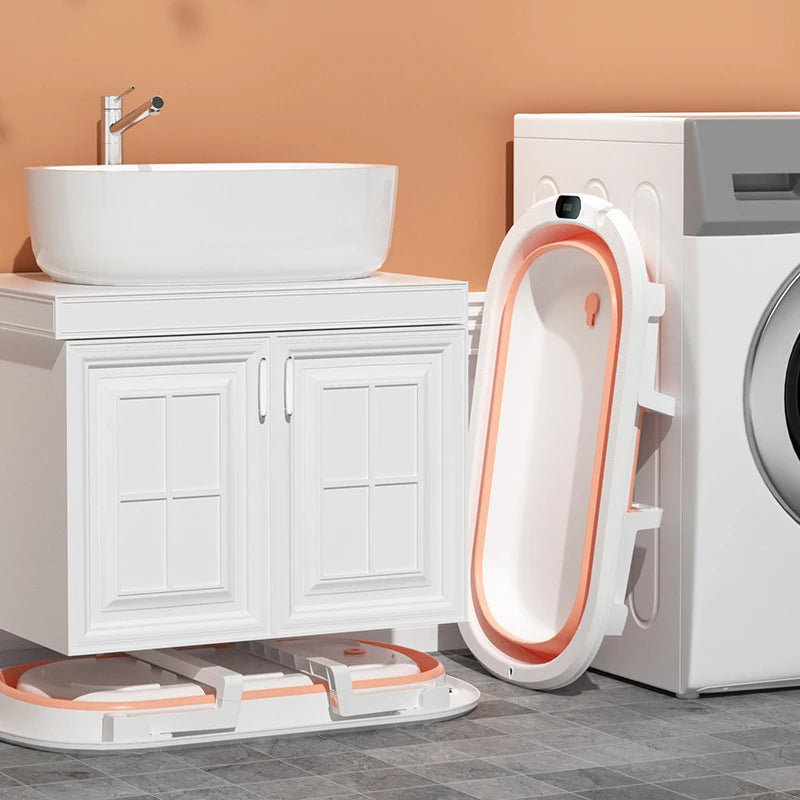
infant bath tips — gentle skincare + easy setup
Common baby bath mistakes and how to avoid them
Most bath-time difficulties can be prevented with a few simple adjustments. Avoiding these common mistakes helps create a safer and more comfortable routine.
-
Mistake: Leaving supplies out of reach.
Fix: Prepare towels, clothing, diapers, and bath products before starting so you never need to step away. -
Mistake: Using water that is too hot or too cold.
Fix: Check the water temperature before every bath and aim for approximately 100°F (37–38°C). -
Mistake: Bathing too frequently.
Fix: Most newborns do not need daily full baths. Excessive bathing can contribute to dry skin, so follow an age-appropriate routine. -
Mistake: Using harsh soaps or too many products.
Fix: Use gentle, baby-friendly cleansers only when needed and avoid unnecessary ingredients that may irritate sensitive skin. -
Mistake: Relying on bath equipment instead of supervision.
Fix: Bath supports and tubs can improve comfort, but active supervision is always required.
Infant bath safety checklist
- Before bath: Gather all supplies, prepare the room, and check that the bathing area is stable.
- During bath: Keep one hand on your baby, monitor water temperature, and stay within arm’s reach.
- After bath: Dry gently, dress your baby promptly, and keep skincare simple.
Following these infant bath tips consistently helps caregivers build confidence while creating a calmer routine that supports baby comfort and safe hygiene habits.
Frequently asked questions
-
How often should you bathe a newborn?
For most newborns, two to three full baths per week are usually enough. Daily cleaning of areas like the face, neck folds, and diaper area can help maintain hygiene between baths. Over-bathing may contribute to dry skin, so follow your baby’s skin needs and healthcare guidance. -
What is the ideal water temperature for a baby bath?
The recommended baby bath temperature is around 100°F (37–38°C). Water should feel comfortably warm rather than hot. A bath thermometer can provide a more consistent check, but always test the water before placing your baby in it. -
When can a newborn have a tub bath instead of a sponge bath?
A newborn can usually transition to a supported tub bath after the umbilical cord area has healed. Until then, gentle sponge baths are often preferred to help keep the cord area clean and dry. Follow your healthcare provider’s advice for your baby’s situation. -
Should I use soap every time I bathe my baby?
No. Many newborns only need gentle cleansing, and soap is not required for every bath. When you use a cleanser, choose a mild baby-friendly option and avoid products with ingredients that may irritate sensitive skin. -
What should I do if my baby cries during bath time?
Try making the routine calmer and more predictable. Warm the room, prepare supplies before starting, use gentle movements, and offer reassurance with your voice or a familiar soothing routine. Some babies simply need time to become comfortable with bathing. -
Is it safe to bathe a baby after vaccinations?
Many babies can continue normal bathing after vaccinations. If your baby seems uncomfortable afterward, keep the bath short and gentle. Contact your healthcare provider if you have concerns about your baby’s condition. -
How can I prevent dry skin after bathing?
Limit unnecessary baths, avoid harsh cleansers, and pat your baby’s skin dry instead of rubbing. If your baby’s skin becomes dry, a gentle moisturizer recommended for infants may help maintain hydration. -
What should I do if the umbilical cord gets wet?
If the umbilical cord area becomes wet, gently pat it dry and keep following proper newborn care practices. Avoid pulling on the cord or applying products unless recommended by your healthcare provider.
Infant bath safety checklist
Use this quick-reference checklist before, during, and after every bath to keep the routine organized and safe.
- Before bath: Gather the towel, clean diaper, clothes, washcloth, cleanser, and any bath support you need. Make sure the room is warm and everything is within arm’s reach.
- During bath: Check the water temperature first, keep one hand supporting your baby, and never leave your infant unattended near water.
- After bath: Wrap your baby in a towel immediately, dry gently, complete any needed skincare steps, and dress your baby in clean clothing.
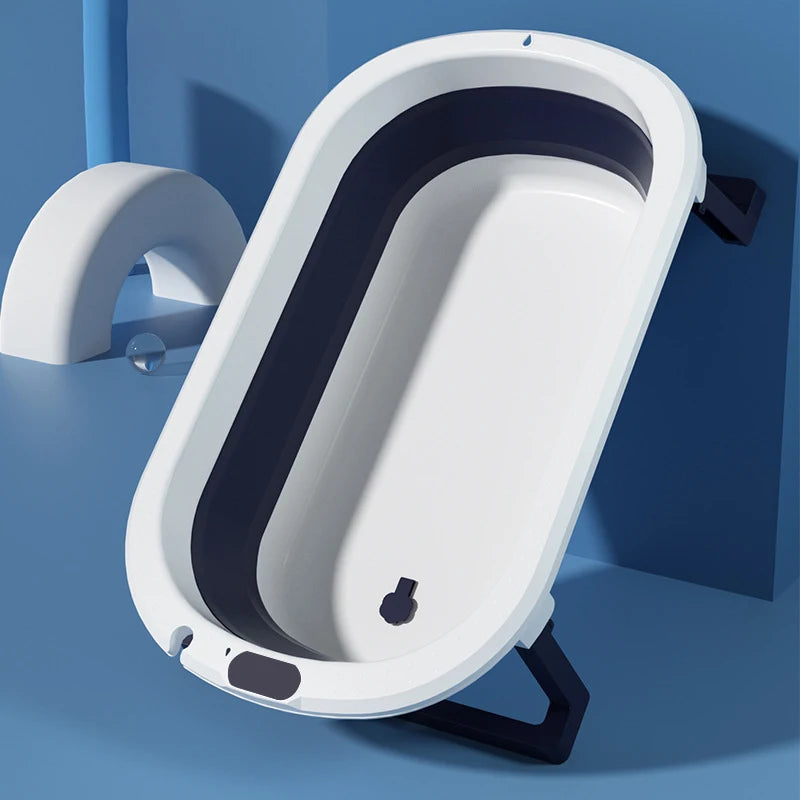
infant bath tips — gentle skincare + safer routines
Try the foldable tub for fast setup: /products/baby-foldable-bath-tub
Pillar Article: How to Give Newborn First Bath Safely and Confidently
Other Related Articles:
- Safe Bath Temperature for Newborn: How to Check and Adjust
- Portable Infant Bath Tub: How to Use It Anywhere Safely
- Bathing Essentials for Newborn: Step-by-Step Usage Guide
Explore More:





