

Portable Infant Bath Tub: How to Use It Anywhere Safely
Learning how to use a portable infant bath tub correctly helps make newborn bath time safer and less stressful. Whether you are using a foldable tub at home or setting up a baby bath space away from home, the most important steps are proper positioning, steady support, safe water depth, and constant supervision. This guide explains how to prepare the tub, support your baby, and create a calm bathing routine.
⏱ 7 min read
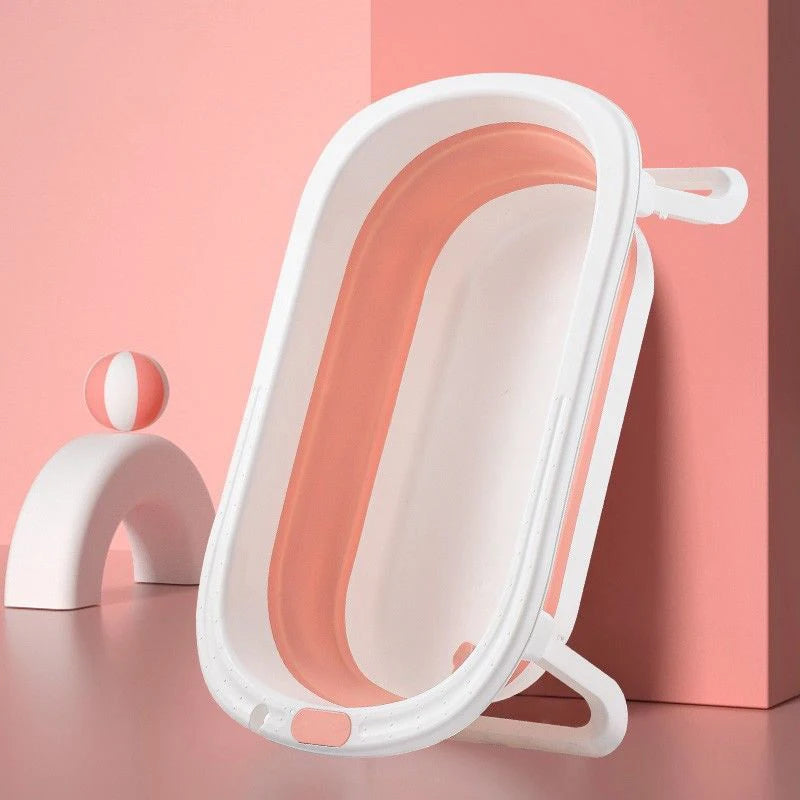
portable infant bath tub - KentDO Mom & Baby — See it in action.
Sensory Toys
Step-by-step: how to bathe a newborn in a portable infant bath tub
A portable infant bath tub can simplify newborn bathing, but safe technique matters more than the tub itself. Before placing your baby in the water, prepare everything you need so you can keep one hand on your baby throughout the bath.
How to prepare a baby bath tub safely
Before starting, create a stable and comfortable bathing area. A few minutes of preparation can prevent common mistakes and make the entire routine smoother.
- Choose a stable surface — Place the tub on a flat, secure area where it cannot slide, tip, or move during use. A non-slip mat or towel underneath can provide extra stability.
- Prepare all supplies first — Keep a towel, clean clothes, diaper, soft washcloth, mild baby cleanser, and thermometer within arm’s reach. Avoid leaving the baby to grab forgotten items.
- Check water temperature — Fill the tub with warm water and confirm the temperature before placing your baby inside. Aim for about 98–100 °F (36.5–37.8 °C), which feels comfortably warm but not hot.
- Use a shallow water level — Newborns and young infants need only a small amount of water. The water should support cleaning while keeping the baby’s body stable and easy to hold.
- Prepare the tub support — A foldable baby bath tub such as /products/baby-foldable-bath-tub should provide a secure base and enough room for safe handling during bath time.
Safety checklist before every bath
- Water temperature verified with a thermometer or wrist test
- Bath tub placed on a stable, non-slip surface
- All supplies positioned within easy reach
- Baby’s head and neck support planned before placing them in water
- Phone and distractions removed from the bathing area
- Baby supervised continuously from start to finish
Baby Care Essentials
How to use a portable infant bath tub correctly
Using a portable infant bath tub safely requires gentle handling and constant support. Unlike older children, newborns cannot control their head, neck, or body position, so caregivers must provide support throughout the bath.
- Prepare the area — Set up the tub before bringing your baby to the bathing space. Place the towel, clothes, and supplies nearby so you never need to step away.
- Fill and test the water — Add warm water to the recommended level and check that it is not too hot. Always test after adding more water because temperature can change quickly.
- Lower your baby carefully — Support the baby’s head, neck, and shoulders while lowering them slowly into the tub. Keep a secure grip until your baby is comfortably positioned.
- Wash gently — Use a soft cloth and a small amount of mild cleanser. Clean areas that collect moisture, such as neck folds and behind the ears, while keeping bath time brief.
- Lift and dry immediately — When finished, support the baby’s upper body and bottom while lifting them out. Wrap them in a warm towel right away to help prevent chilling.
A safe bath routine depends on preparation, positioning, and supervision. Even with a supportive portable infant bath tub, never leave a baby alone in or near water.
Visual guide: safe support features and quick decision help
Choosing and using a portable infant bath tub safely depends on the support features that help keep your baby stable during bathing. Instead of focusing only on portability, look for features that improve positioning, reduce slipping, and make caregiver handling easier.
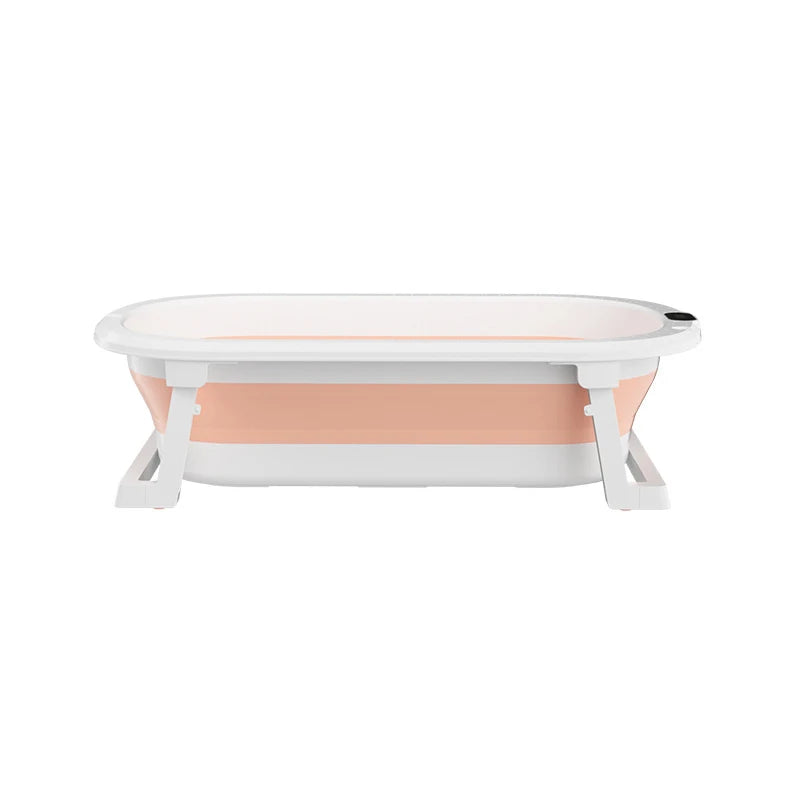
portable infant bath tub - KentDO Mom & Baby — See it in action. Learn step-by-step.
Helpful support features ✅
- Stable base design — A secure bottom helps prevent unwanted movement while you support your baby during bathing.
- Newborn-friendly shape — A well-designed tub should allow comfortable positioning while giving you access to support your baby’s head and body.
- Non-slip surfaces — Textured or anti-slip areas can help reduce sliding when used correctly with constant supervision.
- Easy cleaning and drying — Smooth, simple materials make it easier to maintain hygiene between baths.
Important limitations ❌
- A portable infant bath tub does not replace adult supervision.
- No tub feature can safely hold a baby without caregiver support during newborn stages.
- Babies grow quickly, so positioning needs may change as their strength and movement develop.
How to check water temperature (simple and accurate)
Water temperature is one of the most important parts of a safe baby bath routine. Use a thermometer from the Temperature Tools collection for a more accurate reading, especially during the newborn stage.
Aim for warm water around 98–100 °F (36.5–37.8 °C). The water should feel comfortably warm rather than hot. If you check by hand, use the inside of your wrist because this area is more sensitive than your fingers.
- Check the water before placing your baby in the tub.
- Recheck after adding more water because the temperature can change.
- Avoid relying only on how the water feels because adults may tolerate warmer temperatures than babies.
Practical setup tricks for better safety
- Place a towel or non-slip layer under the tub if the surface feels slippery.
- Warm the towel before bath time so your baby stays comfortable after being lifted out.
- Keep newborn baths short, usually around 3–5 minutes, to help prevent chilling.
- Set up the bath area close to where you will change and dress your baby afterward.
- Keep one hand available for baby support instead of reaching for supplies during the bath.
Support features to look for in a portable infant bath tub
When choosing a portable infant bath tub, prioritize features that improve stability and safe handling rather than focusing only on size or appearance.
- Stable base and non-slip design — Helps create a more secure bathing environment.
- Comfortable baby positioning — Look for a shape that allows proper support of your baby’s head, neck, and body.
- Foldable storage design — Useful for homes with limited space while keeping the tub easy to store.
- Easy-to-clean materials — Reduces moisture buildup and makes regular cleaning simpler.
- Clear water depth guidance — Helps prevent overfilling and supports safer water control.
Related items that make bath time easier: Baby Bath Accessories , Baby Hygiene Gadgets , and Monitoring Devices .
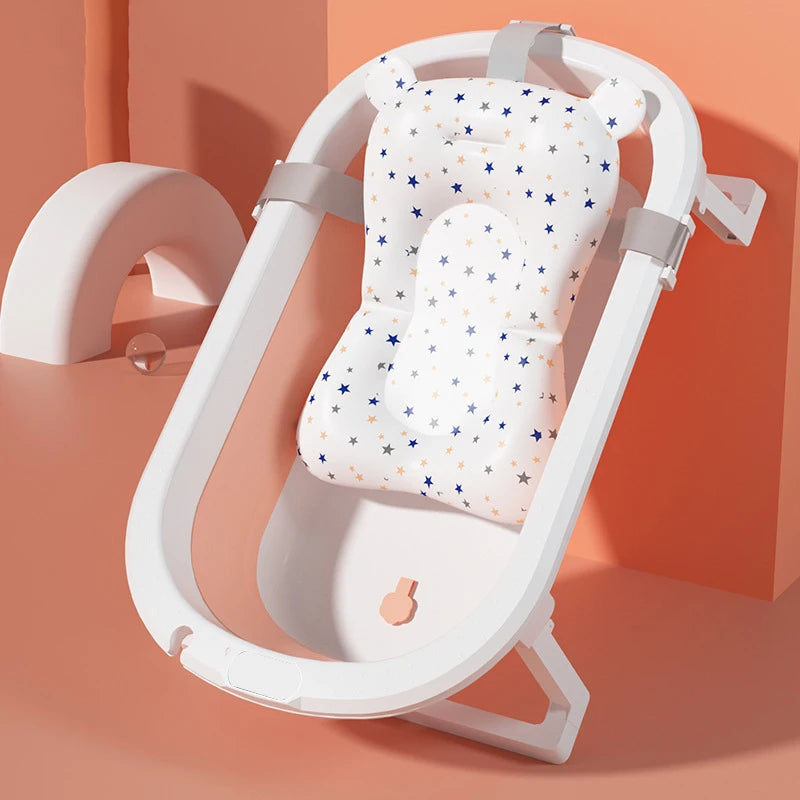
portable infant bath tub - KentDO Mom & Baby — portable infant bath tub. See it in action.
Buy the foldable portable infant bath tub
Baby bath safety tips every parent should follow
Water temperature, depth, and supervision
Safe bathing depends on consistent habits every time you use a portable infant bath tub. Even a supportive tub cannot replace active supervision, especially when bathing a newborn or a baby who cannot sit independently.
- Stay within arm’s reach — Keep one hand on your baby whenever they are in or near water. Never step away, even briefly.
- Use a safe water depth — Add only enough water for washing while keeping your baby stable and supported. Too much water can make positioning more difficult.
- Maintain a comfortable temperature — Keep water around 98–100 °F (36.5–37.8 °C) and check again if additional warm water is added.
- Prevent slipping — Position your baby securely and use a tub with a stable base or non-slip surface.
- Keep distractions away — Phones, conversations, and multitasking can interrupt supervision during a critical moment.
Troubleshooting: what if your baby cries without the sling?
Helping your baby adjust to a new bath position
Some babies need time to adjust when moving away from a sling or changing their usual bath position. Crying does not always mean something is wrong — it may simply mean your baby feels unfamiliar with the new support and movement.
- Make changes gradually — Start with shorter baths and allow your baby to become comfortable with the new position.
- Keep your hands supportive — A calm, steady hand under the baby’s head, neck, and body can help create a feeling of security.
- Create a familiar routine — Use the same bath location, gentle voice, and simple steps each time.
- Check comfort factors — A baby may cry because the water temperature, room temperature, hunger, tiredness, or timing is not ideal.
If your baby continues to appear uncomfortable, consider returning to a support method that provides better stability or discuss safe bathing options with your healthcare provider.
Frequently asked questions about baby baths without a sling
-
When can a baby use a bath tub without a sling?
Answer: It depends on your baby’s development rather than a specific age. Many babies transition when they have better head control and can sit with support, but readiness varies. Babies who still need full head and neck support may benefit from additional bathing support. -
How do you hold a baby in a bathtub without a sling?
Answer: Keep one hand supporting your baby’s head, neck, and upper body while using the other hand for washing. Position your baby securely so they cannot slide, and maintain continuous contact throughout the bath. -
Is it safe to bathe a newborn without a sling?
Answer: A newborn can be bathed without a sling only when the caregiver can provide constant support and maintain a secure position. Newborns have limited control of their movements, so extra care is needed during every bath. -
How much water should be in a baby bath tub without a sling?
Answer: Use a shallow amount of water that allows cleaning while keeping your baby stable. Avoid overfilling because deeper water can make slipping and repositioning more difficult. -
What can I use instead of a baby bath sling?
Answer: Alternatives may include a contoured infant tub surface, built-in newborn support design, or caregiver-supported bathing technique. Any alternative should still allow constant supervision and secure positioning.
Final tips for a safe and confident sling-free baby bath
A safe baby bath routine comes from preparation, gentle handling, and consistent supervision. Whether you use a portable infant bath tub with built-in support or bathe your baby without a sling, always focus on stable positioning, correct water temperature, and keeping essential supplies within reach.
With practice, bath time can become a calm routine that helps your baby feel comfortable while giving you more confidence as a caregiver. For a practical bathing setup, consider the foldable model at /products/baby-foldable-bath-tub and pair it with items from Baby Bath Accessories to create a simple newborn care station.
Mom Essentials
Pillar Article: How to Give Newborn First Bath Safely and Confidently
Other Related Articles:
- Safe Bath Temperature for Newborn: How to Check and Adjust
- Bathing Essentials for Newborn: Step-by-Step Usage Guide
- Infant Bath Tips: Make Daily Bath Time Safer and Easier
Explore More:





