

Safe Bath Temperature for Newborn: How to Check and Adjust
What temperature should bath water be for a newborn?
Safe bath temperature for newborn should be around 37°C–38°C (98.6°F–100.4°F) . This baby bath temperature range is warm enough to keep your baby comfortable while reducing the risk of overheating or burns. A bath thermometer provides the most reliable check, but the inner wrist or elbow test can help when a thermometer is unavailable. Always mix the water well and check before placing your newborn in the tub.
⏱ 7 min read
Newborn bath time can feel stressful when you are trying to find the perfect balance between water that is comfortable and water that is safe. Because newborns cannot regulate body temperature as efficiently as adults, even small changes in water temperature matter. This guide explains the ideal baby bath temperature, how to measure it correctly, common mistakes to avoid, and simple steps to create a calm and safe bathing routine.
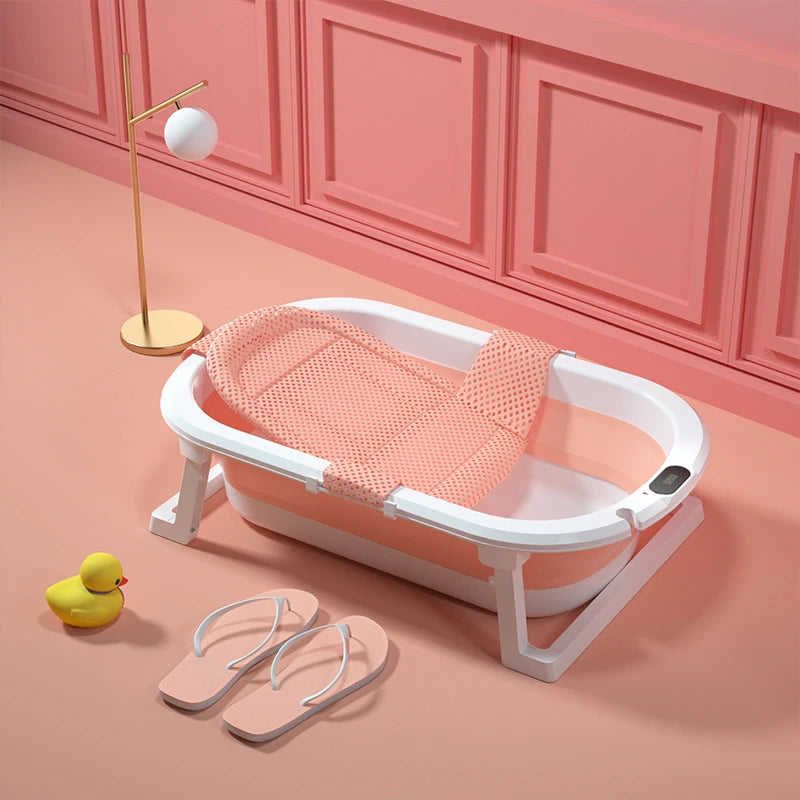
safe bath temperature for newborn — practical setup and product use. See it in action.
What temperature should bath water be for a newborn?
The recommended safe bath temperature for newborn is approximately 37°C–38°C (98.6°F–100.4°F) . This is close to normal body temperature and is considered a comfortable range for most newborn baths.
Recommended baby bath temperature (37°C–38°C / 98.6°F–100.4°F)
The ideal baby bath temperature should feel warm and soothing, never hot. A digital bath thermometer helps you confirm the exact baby bath temperature in Celsius or Fahrenheit before your baby enters the water.
Is 40°C too hot for a baby?
Yes. 40°C (104°F) is generally too hot for a newborn bath. Water at this temperature may feel comfortable to some adults but can be unsafe for a baby’s sensitive skin. Always test the water rather than relying only on your own comfort level.
Why newborn bath water temperature matters
Newborns have immature temperature regulation, meaning they can lose body heat faster than older children and adults. Maintaining the right newborn bath temperature helps prevent discomfort while making bath time safer.
Why babies lose heat quickly
Babies have a higher surface-area-to-body-weight ratio, thinner skin, and developing systems for controlling body temperature. After being placed in water or exposed after a bath, they can become cold more quickly than adults.
Risks of water that is too hot or too cold
- Water that is too hot: increases the risk of burns, overheating, and skin irritation.
- Water that is too cold: may cause crying, discomfort, and faster heat loss.
- Inconsistent temperature: can make babies unsettled because the bath experience changes each time.
How to check baby bath water temperature
Checking the water temperature for newborn bath before every bath removes guesswork and creates a safer routine.
Using a bath thermometer
A digital baby bath thermometer is the most reliable way to measure water temperature. Place it in the middle of the tub, wait for the reading, and adjust the water until it reaches about 37°C–38°C (98.6°F–100.4°F) .
How to test without a thermometer
If you do not have a thermometer, use your inner wrist or elbow:
- Dip your wrist or elbow into the water.
- The water should feel comfortably warm, not hot.
- If it feels warmer than expected, add cooler water and mix thoroughly.
When to recheck the water
- After adding more water.
- Before placing your baby into the tub.
- If bath time lasts longer and the water begins cooling.
- If your baby seems uncomfortable.
Step-by-step guide to preparing a safe newborn bath
Follow this sequence to maintain the correct bath temperature for newborn while keeping the entire process simple.
Prepare the bath area
- Gather a towel, clean diaper, clothes, washcloth, and bathing supplies before starting.
- Keep everything within arm’s reach so you never need to leave your baby unattended.
- Prepare your bathing space with a safe infant tub, such as a Baby Foldable Bath Tub .
Fill and test the water
- Fill the tub with warm water.
- Mix the water with your hand to remove hot or cold spots.
- Measure using a thermometer or test with your wrist.
- Confirm the temperature is within the recommended range before bathing.
Bathe your baby safely
- Support your newborn’s head and neck throughout the bath.
- Keep one hand on your baby at all times.
- Use gentle movements and avoid long baths.
Dry and warm your baby afterward
Wrap your baby in a warm towel immediately after the bath. Dry gently, put on clean clothing, and avoid unnecessary exposure to cooler air.
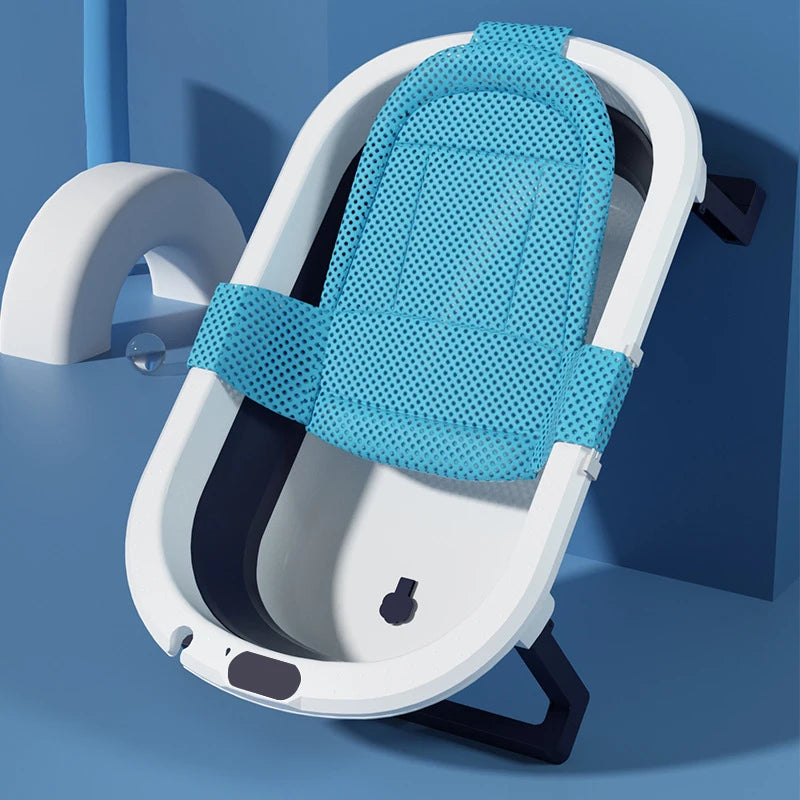
safe bath temperature for newborn — thermometer + tub setup. See it in action.
Signs the bath water is too hot or too cold
Signs your baby is uncomfortable
- Crying suddenly after entering the water.
- Red or flushed skin that may indicate the water is too warm.
- Shivering, fussiness, or tense movements that may indicate the baby is cold.
- Trying to move away from the water or becoming unusually restless.
What to do if the water is the wrong temperature
If the bath water feels too hot or too cold, remove your baby safely, adjust the water, mix thoroughly, and test again before continuing. Never add hot water directly while your baby is still in the tub.
Common newborn bath temperature mistakes
Guessing instead of testing
Adults often underestimate water temperature because their skin is less sensitive than a newborn’s. Always check the water before every bath.
Adding hot water while baby is in the tub
Never add hot water directly around your baby. Remove your baby first, adjust the temperature, and check again.
Ignoring room temperature
A comfortable room helps prevent heat loss after bathing. Keep the room warm and prepare towels and clothing before starting.
Newborn bath safety checklist
- Never leave your newborn unattended in water, even briefly.
- Keep towels, diapers, and supplies within reach.
- Use shallow water appropriate for your baby’s age.
- Check the baby bath water temperature before placing your baby in the tub.
- Keep the room comfortably warm.
- Set household water heater temperature to a safer maximum, generally around ≤120°F / 49°C.
Frequently asked questions
What temperature should bath water be for a newborn in Celsius?
The recommended baby bath temperature Celsius range is about 37°C–38°C .
What is the ideal baby bath temperature?
The ideal baby bath temperature is warm, close to body temperature, and usually around 37°C–38°C (98.6°F–100.4°F).
How warm should a baby bath be without a thermometer?
Use your inner wrist or elbow. The water should feel comfortably warm, never hot. A thermometer is still the most accurate option.
Can newborn bath water be too hot even if it feels comfortable to an adult?
Yes. Adult skin is less sensitive than newborn skin, so water that feels fine to an adult may still be too warm for a baby.
Do you need a bath thermometer for a baby?
A bath thermometer is not required, but it is a useful tool because it provides a more accurate reading than touch alone.
How often should a newborn have a bath?
Many newborns do not need daily baths. Bathing a few times per week is often enough unless your healthcare provider recommends otherwise.
What should I do if my baby's bath water gets cold?
Remove your baby from the tub, warm and dry them, then prepare fresh water if another bath is needed.
What room temperature is best when bathing a newborn?
A comfortably warm room helps prevent heat loss. Avoid cold drafts and prepare towels and clothes before bathing.
Key takeaways
The safest bath water temp for newborn is approximately 37°C–38°C (98.6°F–100.4°F) . Use a thermometer when possible, always test the water before bathing, and keep your baby warm before and after the bath.
With a consistent routine, the right temperature checks, and simple preparation, newborn bath time can become a safe and enjoyable bonding experience for both parents and babies.
Buy the Baby Foldable Bath Tub
Find more helpful items for newborn care: Baby Bath Accessories , Temperature Tools , and Health & Safety .
Frequently asked
- How do I know if bath water is too hot for my newborn?
- Use a digital thermometer or test with your inner wrist/elbow. Aim for 37°C–38°C (98.6°F–100.4°F).
- Can I bathe my newborn every day?
- Newborns usually do not need daily baths. Several baths per week are often enough.
- What if my water heater runs very hot?
- Set a household maximum temperature around ≤120°F / 49°C or install a tempering valve to reduce scald risk.
Pillar Article: How to Give Newborn First Bath Safely and Confidently
Other Related Articles:
- Portable Infant Bath Tub: How to Use It Anywhere Safely
- Bathing Essentials for Newborn: Step-by-Step Usage Guide
- Infant Bath Tips: Make Daily Bath Time Safer and Easier
Explore More:
- Foldable Baby Bath Tub: Why It’s the Ultimate Space-Saving Solution
- Baby Bathtub for Travel: Top Picks and Expert Insights
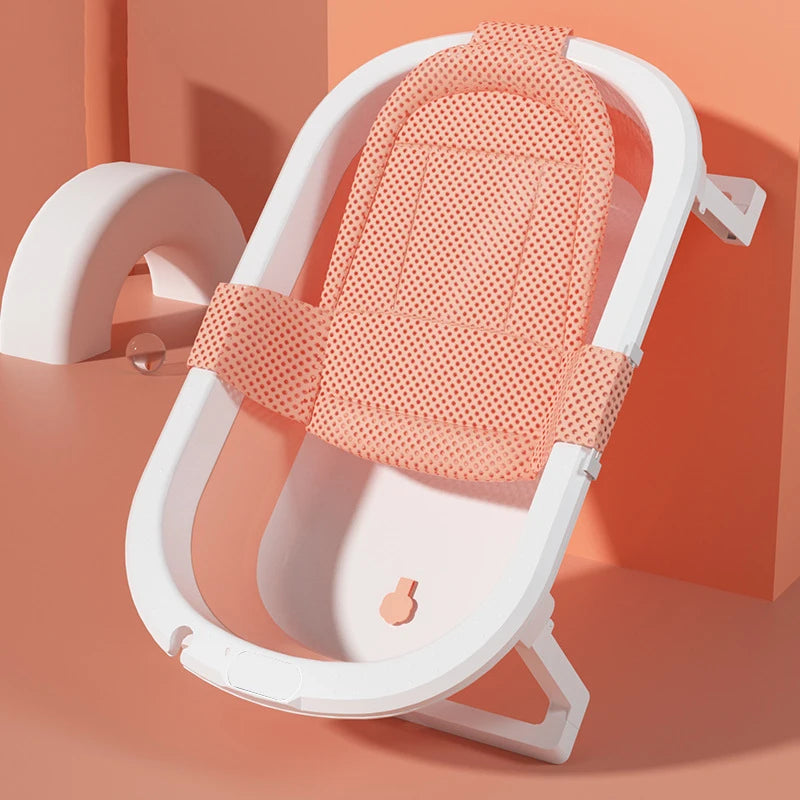
safe bath temperature for newborn — calm, quick routines for new parents. See it in action.
Bath time becomes easier when you know the right temperature, prepare supplies ahead of time, and follow a simple safety routine. A quick temperature check and a warm towel can turn a stressful first experience into a calm, comfortable moment for you and your newborn.





