

How to Give Newborn First Bath Safely and Confidently
⏱ 12 min read
Does delaying the first bath help newborns?
Delaying a newborn’s first bath can help protect the baby’s natural skin barrier, support body temperature control, and encourage early breastfeeding and parent–baby contact. For most healthy newborns, many healthcare providers recommend waiting at least 24 hours after birth when possible, or at least 6 hours if an earlier bath is medically necessary or preferred. Learning how to give newborn first bath starts with choosing the right timing, preparing a warm environment, and understanding your baby’s needs.
One important reason for waiting is vernix caseosa, the white, creamy coating often found on a newborn’s skin after birth. This natural layer helps protect delicate skin, reduce moisture loss, and support the transition from the womb environment to the outside world. Removing it too early may not provide any immediate benefit, while allowing it to remain gives your baby extra protection during the first hours of life.
Hospitals may have different routines depending on the baby’s health, birth circumstances, and family preferences. Healthy full-term babies may often wait until after the first day, while premature babies or newborns requiring medical support may follow a different bathing schedule recommended by their care team. Parents should always follow the guidance provided by their pediatrician or hospital staff.
Many new parents worry that waiting means their baby is not clean enough. In reality, newborns do not need immediate full-body washing after birth. Gentle cleaning of areas such as the face, diaper area, and skin folds is usually enough until the first bath is ready. These early baby first bath tips help protect sensitive skin while making the experience safer and calmer.
Feeling nervous about your baby’s very first bath is common. Many parents worry about keeping their newborn warm, supporting the slippery body, or protecting the umbilical cord area. A safe bath does not require perfection — it requires preparation, gentle handling, and knowing the correct steps. This guide explains how to give newborn first bath safely, from timing and supplies to washing, drying, and after-bath care.
how to give newborn first bath - KentDO Mom & Baby — See it in action
Short version: wait until the timing is right after birth, keep the room warm, prepare shallow water at about 98–100°F (37–38°C), support your newborn’s head and neck, wash gently from cleaner areas to dirtier areas, and keep the umbilical cord stump dry until it falls off. A calm setup and careful handling make the first bath safer for both baby and caregiver.
When should you give your newborn their first bath?
Direct answer: Most healthy newborns can have their first bath after waiting at least 24 hours when possible. If waiting a full day is not practical, many healthcare providers recommend waiting at least 6 hours. Until the umbilical cord stump falls off and heals, usually within 1–3 weeks, sponge baths are preferred instead of placing the baby in a full tub.
The best timing depends on your baby’s health, temperature stability, and medical situation. A healthy full-term newborn who is maintaining body temperature may transition into a first sponge bath after the recommended waiting period. Premature babies, babies with medical concerns, or newborns needing additional monitoring may require a personalized plan from their healthcare provider.
Waiting before the first bath allows the vernix coating to remain on the skin longer. Vernix acts as a natural moisturizer and protective barrier while helping newborn skin adjust during the first days after birth. Delaying the bath may also support uninterrupted feeding, skin-to-skin contact, and early bonding time.
Parents often ask whether a newborn needs a full bath immediately because of birth fluids. In most cases, gentle wiping and cleaning specific areas is enough at first. A proper newborn bathing guide focuses on safety, warmth, and protecting delicate skin rather than frequent washing.
Quick answer: how to give newborn first bath (40–60 words)
To bathe a newborn safely, prepare a warm room, gather supplies first, and use shallow water around 98–100°F (37–38°C). Support the baby’s head and neck at all times, gently wash the face, body, folds, and diaper area with a soft cloth, keep the cord stump dry, then pat dry and dress warmly. Never leave a newborn unattended.
Prep & gear checklist (be ready, feel calm)
A successful first bath begins before your baby touches the water. Preparing everything in advance helps you maintain one-hand support and prevents you from needing to step away during the bath. A safe newborn bathing guide always starts with a warm environment, correct water temperature, and supplies within reach.
- Warm room (around 75–80°F / 24–27°C) to help prevent chilling.
- A small baby tub, basin, or clean sink with a stable surface.
- Soft towel, washcloths, clean diaper, and clothing prepared before undressing your baby.
- Water thermometer or wrist/inner elbow test to check that water is about 98–100°F (37–38°C).
- Mild fragrance-free baby cleanser or plain water, especially during the first weeks.
- Soft brush for cradle cap care if recommended later by your pediatrician.
- Gentle moisturizer only if needed or recommended for your baby’s skin.
What to prepare before undressing your baby
Before starting, place every item within arm’s reach. This includes the towel, diaper, clothes, washcloth, cleanser, and any bath support you plan to use. Once your baby is near water, your attention should stay on holding and supporting them.
Check the room temperature first, then prepare the bath water. Running cold water before adding warm water can help reduce the chance of overly hot areas. Always test the water before placing your newborn inside.
Checklist table (at-a-glance)
| Item | Why |
|---|---|
| Warm towel and clothing | Helps prevent heat loss immediately after bathing |
| Baby tub or clean basin | Creates a smaller, easier-to-control bathing space |
| Digital water thermometer | Helps confirm a safe bathing temperature |
| Soft washcloth | Allows gentle cleaning of sensitive newborn skin |
| Mild cleanser | Provides gentle cleaning without unnecessary irritation |
Step-by-step: first bath (calm, confident actions)
Learning how to bathe a newborn baby becomes easier when you follow the same simple order every time. The goal is not a long bath — it is a safe, gentle routine that keeps your baby warm and comfortable.
- Choose the right time: Pick a moment when your newborn is calm, awake, and not immediately after feeding. Sponge baths are recommended while the umbilical cord stump is still attached.
- Prepare the bathing area: Place all supplies within reach before undressing your baby. Keep one hand available for support throughout the entire bath.
- Check the water temperature: Fill the tub with shallow water, usually about 2–3 inches (5–8 cm), and confirm the temperature is around 98–100°F (37–38°C).
- Keep your baby warm while undressing: Remove clothing gradually and use a towel to cover areas you are not washing. Newborns lose heat quickly, so avoid leaving them exposed longer than necessary.
- Support the head and neck: Hold your baby securely with one arm supporting the head, neck, and upper body. Lower the baby gently and keep their face above the water.
- Wash from clean areas to dirty areas: Start with the face, then move to the neck folds, body, arms, legs, and diaper area. Use gentle strokes and avoid scrubbing delicate skin.
- Rinse carefully: Use clean warm water to remove any cleanser. Avoid pouring water directly over the face and keep soap away from the eyes and mouth.
- Dry and dress: Lift your baby carefully, wrap them in a warm towel, pat dry, and pay special attention to skin folds where moisture can collect.
how to give newborn first bath - KentDO Mom & Baby — See it in action
Top safety rules (must-know, non-negotiable)
Newborn bath safety depends on preparation, supervision, and gentle handling. The most important rule is creating a setup where you never need to rush, reach for supplies, or leave your baby unsupported. A safe routine makes how to safely bathe a newborn much easier to follow.
- Never leave a newborn unattended: Stay within arm’s reach throughout the entire bath. Even a small amount of water can create a serious safety risk, so never step away to answer a phone, grab supplies, or leave the room. If you must leave, take your baby with you first.
- Check water temperature every time: Newborn skin is sensitive and can be affected by water that feels comfortable to adults but is too warm for a baby. Aim for about 98–100°F (37–38°C), and always test the water before placing your baby inside.
- Use the correct water depth: A newborn does not need a deep bath. Use only a shallow amount of water that allows gentle cleaning while keeping your baby’s face and upper body safely supported above the water.
- Support the head and neck continuously: Newborns cannot control their head movements well. Keep one hand supporting the head, neck, and upper body while washing with the other hand.
- Prepare the caregiver first: Wash your hands, gather every supply before starting, and make sure the bathing area is stable and comfortable. The safest bath is one where the caregiver can focus completely on the baby.
- Keep the umbilical cord stump dry: Until the stump falls off, avoid soaking it in water. Use sponge baths and keep the area clean and dry according to your healthcare provider’s guidance.
- Create a secure bathing environment: Remove sharp objects, keep surfaces clean, and use a stable baby tub or non-slip support when appropriate. Avoid placing a newborn in areas where they could slide or tip unexpectedly.
Safe water temperature and depth
The ideal newborn bath temperature is warm but not hot, around 98–100°F (37–38°C). A bath thermometer can provide extra confidence, but a caregiver can also check the water with the inside of the wrist or elbow before bathing.
Water should be shallow enough for safe control. A newborn’s bath is about gentle cleaning, not full immersion. Keeping the water level low reduces risk while allowing you to wash important areas such as the neck folds, hands, feet, and diaper area.
Never leave a newborn unattended
Supervision is the most important part of newborn bath safety tips . A prepared setup prevents common mistakes: place towels, clothing, diapers, and washcloths nearby before beginning. Once your baby is in the bathing area, keep your attention on supporting and monitoring them at all times.
Solve common pain points — quick fixes
The first few baths can feel challenging because newborns react strongly to new sensations. Understanding common problems helps parents adjust the routine without rushing or adding unnecessary stress.
What to do if your newborn cries during baths
- Start slowly: A sudden change from warm clothing to water can feel overwhelming. Wrap your baby in a towel and uncover only the area you are washing to help them stay comfortable.
- Keep the bath short: Newborns do not need long baths. A few minutes is often enough for gentle cleaning, especially during the first weeks.
- Maintain warmth: Keep the room warm and gently pour warm water over exposed areas when needed. Cold air or water temperature changes are common reasons babies become unsettled.
- Use a calm routine: A quiet voice, slow movements, and consistent steps can help your baby become familiar with bath time over repeated experiences.
If your baby consistently seems uncomfortable during bathing, has very dry or irritated skin, or develops redness or a rash after bathing, discuss possible skin sensitivities with a pediatrician. Babies with eczema-prone skin may need fewer baths, shorter bathing times, and fragrance-free products.
How to handle a slippery or restless baby
- Improve your grip: Keep one hand supporting your baby’s head and neck while using the other hand for washing. Move slowly instead of trying to complete multiple tasks at once.
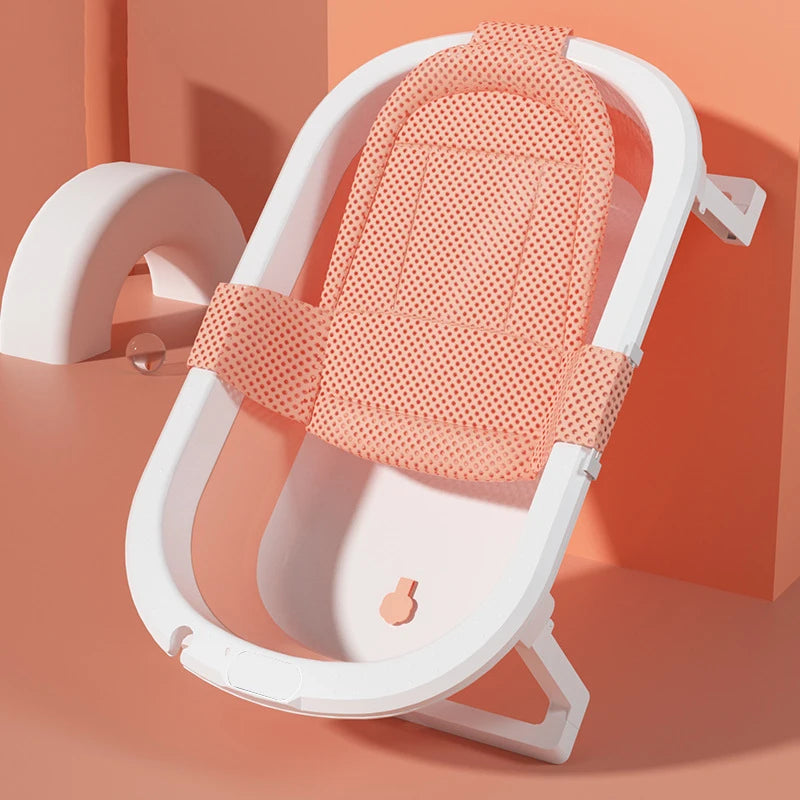
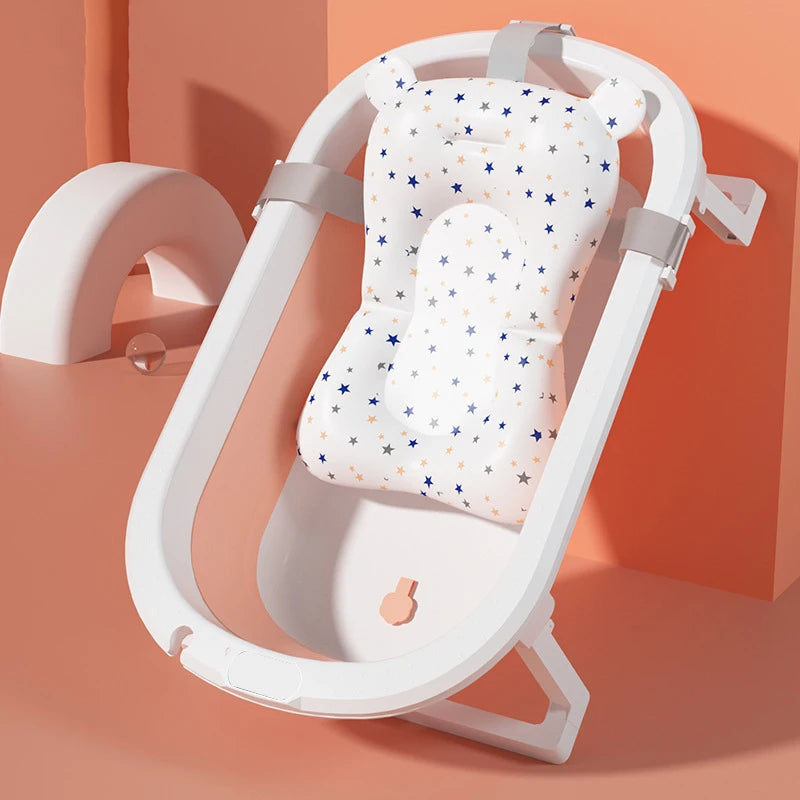
- Use supportive equipment: A properly designed infant bath support or small baby tub can help create a more stable position while keeping your hands available for gentle cleaning.
- Prepare before lifting: Place the towel close by before removing your baby from the water. Wet newborns become slippery, so having everything ready reduces handling time.
- Stay calm if your baby moves: Gentle movement is normal. Secure your hold, keep your baby supported, and avoid sudden reactions that may make your baby more unsettled.
Choosing safe newborn bath equipment
A newborn bathing guide is not about buying many products. The right equipment simply helps create a safer, more controlled environment. Choose items based on stability, easy cleaning, and how well they support safe handling.
- Baby tub or basin: A smaller bathing space is usually easier to control than a large adult bathtub. Look for a stable design that is simple to clean and store.
- Soft washcloths and towels: Gentle fabrics help clean sensitive newborn skin without unnecessary friction.
- Bath thermometer: Helpful for caregivers who want an easy way to confirm water temperature before each bath.
- Safe storage: Keep bath accessories dry and clean between uses to reduce buildup of moisture and bacteria.
When choosing baby bath accessories, focus on practical safety features rather than unnecessary extras. A good setup should make it easier to support your baby, maintain water temperature, and complete the bath without interruptions.
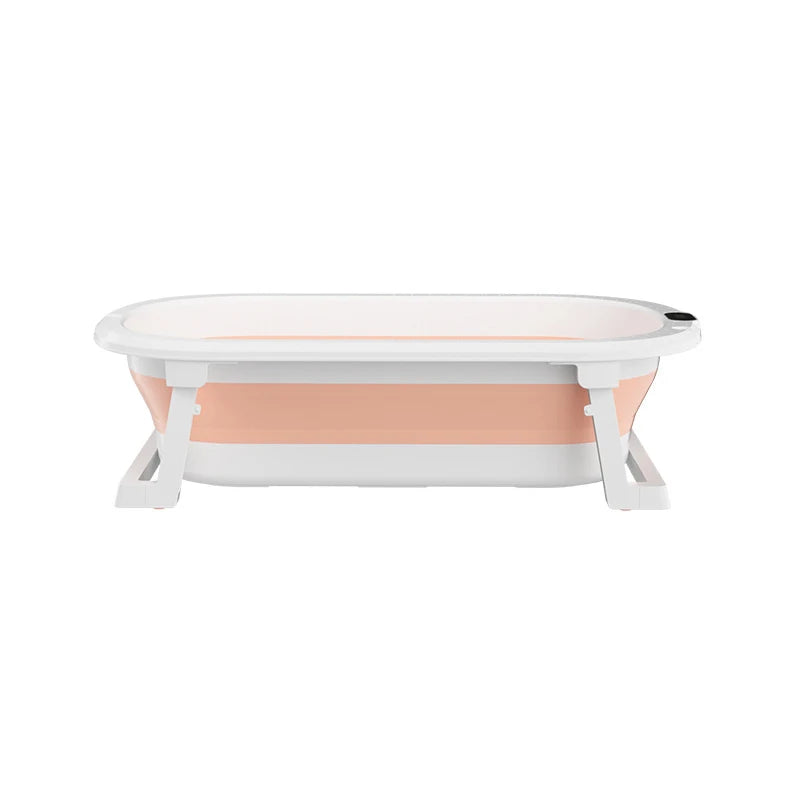
For parents looking for a compact option that supports an organized bath routine, the Baby Foldable Bath Tub can be considered as part of a safe bathing setup. Choose any baby tub based on secure support, appropriate size, and ease of cleaning.
After-bath care & umbilical cord guidance
After the bath, newborn care continues with gentle drying, skin protection, and careful cord monitoring. Wrap your baby in a soft towel immediately after lifting them from the water, then gently pat the skin dry instead of rubbing. Pay extra attention to areas where moisture can collect, including the neck folds, armpits, behind the knees, and between skin creases.
Most newborns do not need regular lotion after every bath. If your baby’s skin appears dry, ask your pediatrician whether a fragrance-free moisturizer is appropriate. Avoid heavily scented products because newborn skin can be sensitive and may react to unnecessary ingredients. A simple newborn bathing guide focuses on protecting the skin barrier rather than adding many products.
For umbilical cord care, keep the stump clean and dry until it naturally falls off. Continue sponge baths instead of full immersion baths while the stump is attached. Fold the diaper below the cord area when possible to prevent rubbing and allow air circulation. A small amount of dried blood can sometimes occur, but ongoing bleeding, increasing redness, swelling, discharge, or unpleasant odor should be checked by a healthcare provider.
When to call the pediatrician
Contact your baby’s healthcare provider if you notice signs that may indicate a problem, including:
- Redness spreading around the umbilical cord area
- Swelling, pus, unusual discharge, or a bad smell from the stump
- Persistent bleeding that does not stop
- Fever of 100.4°F (38°C) or higher in a young newborn
- Skin irritation that continues or worsens after bathing
Extra practical tips (small habits that make a big difference)
Small adjustments can make a newborn bath safer and easier, especially when your baby has sensitive skin, arrives early, or needs extra care. The goal is to create a simple routine that matches your baby’s comfort level.
Bathing newborns with eczema-prone skin
- Use gentle products: Choose fragrance-free cleansers and avoid unnecessary soaps that may dry or irritate delicate skin.
- Avoid over-bathing: Frequent baths can remove natural oils from newborn skin. Many babies only need bathing a few times per week, with gentle cleaning between baths.
- Keep water comfortably warm: Very hot water can worsen dryness. Always check the temperature before bathing.
- Moisturize when recommended: Babies with eczema-prone skin may benefit from a pediatrician-approved moisturizer after bathing while the skin is still slightly damp.
Cleaning and sanitizing baby bath equipment
- Rinse after every use: Remove soap residue and allow the tub, basin, and accessories to dry completely.
- Prevent moisture buildup: Store bath equipment in a clean, dry location to reduce the chance of mold or mildew.
- Follow manufacturer instructions: Different baby tubs and supports may have specific cleaning recommendations.
- Extra care for premature babies: Premature newborns may have more sensitive skin and different bathing needs. Follow the schedule and instructions provided by your healthcare team.
how to give newborn first bath - KentDO Mom & Baby — See it in action
Mini FAQ (schema-ready)
-
When should you give a newborn their first bath?
For most healthy newborns, the first bath can usually wait at least 24 hours after birth when possible. If waiting that long is not possible, many providers recommend waiting at least 6 hours. Sponge baths are recommended until the umbilical cord stump falls off and heals.
-
How do you safely bathe a newborn baby?
Prepare all supplies first, keep the room warm, use water around 98–100°F (37–38°C), and support your baby’s head and neck throughout the bath. Wash gently from cleaner areas to dirtier areas, keep the cord stump dry, and never leave your newborn unattended.
-
How often should you bathe a newborn?
Most newborns only need a bath about two to three times per week. Daily baths are not usually necessary and may contribute to dry skin. Between baths, clean areas such as the face, neck folds, hands, and diaper area as needed.
-
What water temperature is safe for a newborn bath?
The recommended newborn bath temperature is about 98–100°F (37–38°C). Always test the water before placing your baby inside and keep the room warm to reduce heat loss.
-
How do you wash newborn hair?
Wash newborn hair gently with a small amount of water and mild cleanser if needed. Support your baby’s head and avoid scrubbing the scalp. For babies with cradle cap, follow your pediatrician’s advice before using special treatments.
-
Can you bathe a newborn before the umbilical cord falls off?
Yes, but use sponge baths rather than soaking your baby in a tub. Keeping the cord stump dry helps it heal naturally and reduces irritation.
-
Why does my newborn cry during bath time?
Many newborns cry during baths because they are adjusting to new sensations, temperature changes, or being undressed. Keep the bath short, maintain warmth, and use slow, gentle movements. If your baby appears uncomfortable every time or develops skin irritation, consult your pediatrician.
Final checklist: confident first bath
- Prepare towels, clothing, diaper, and supplies before starting the bath.
- Keep the room warm and check water temperature before placing your baby in the bath.
- Use shallow water and support your newborn’s head and neck at all times.
- Use sponge baths until the umbilical cord stump falls off and heals.
- Wash gently, dry carefully, and check skin folds after every bath.
- Never leave your newborn unattended during bath time.
A safe newborn bath comes from simple preparation: warm surroundings, the right water temperature, gentle handling, and a calm routine. If you want a compact bathing setup that supports both sponge baths and future tub baths, consider the Baby Foldable Bath Tub as an option for easier preparation and handling.
The first baths are a learning experience for both parent and baby. Take your time, follow safe bathing practices, and focus on creating a routine that keeps your newborn comfortable and protected.
Related Articles:
- Safe Bath Temperature for Newborn: How to Check and Adjust
- Portable Infant Bath Tub: How to Use It Anywhere Safely
- Bathing Essentials for Newborn: Step-by-Step Usage Guide
- Infant Bath Tips: Make Daily Bath Time Safer and Easier
Pillar Articles:





