

Infant Bottle Brush Reviews: Which Designs Actually Clean Better?
⏱ 8 min read
Does an infant bottle brush really remove hidden residue better than other designs?
Answer: An infant bottle brush with the right combination of flexible bristles, a tapered cleaning head, and a dedicated nipple cleaner removes milk film and hidden residue more effectively than flat or oversized designs. Whether you choose silicone or nylon depends on the type of residue you clean most often, how quickly you need the brush to dry, and your preferred maintenance routine.
Choosing between a silicone bottle brush, traditional nylon bristles, a bottle nipple cleaner, and a travel bottle brush can be confusing. This guide compares cleaning effectiveness, hygiene, durability, and bottle compatibility so you can select the best design for your feeding routine while keeping bottles cleaner with less effort.
Silicone vs bristle bottle brush: which cleans better?
Quick comparison table
| Feature | Silicone Brush | Nylon Bristle Brush |
|---|---|---|
| Fresh milk residue | Very good | Excellent |
| Dried formula | Good | Excellent |
| Drying speed | Excellent | Good |
| Odor resistance | Excellent | Good |
| Scrubbing power | Moderate | High |
| Best for | Daily cleaning and quick drying | Deep cleaning stubborn residue |
Key differences at a glance
When comparing silicone vs bristle bottle brush designs, neither is universally better. Nylon bristles flex into bottle seams and remove dried formula with less effort, while silicone heads resist odors, dry faster, and are easier to sanitize. Many parents keep both styles available—using nylon for deep cleaning and silicone for everyday washing.
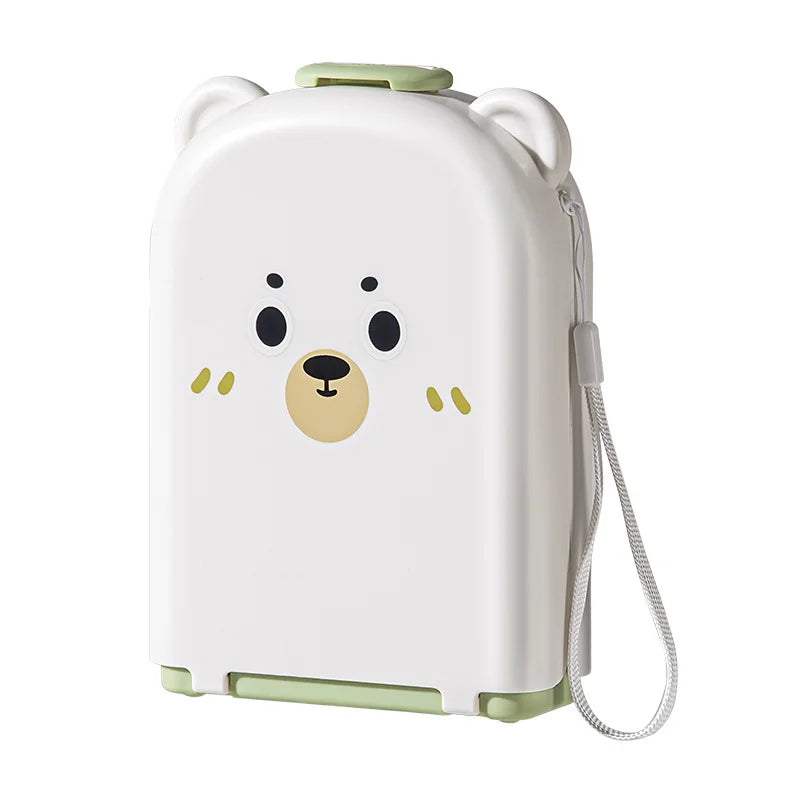
infant bottle brush + bottle nipple cleaner — See it in action
How silicone and nylon bristles clean differently
Material science explained
Silicone cleaning fins rely on flexible contact across the bottle surface. Rather than scraping aggressively, they wipe residue away while resisting moisture absorption. Nylon bristles use hundreds of fine fibers that reach microscopic surface irregularities and corners, making them particularly effective against dried milk proteins.
Flexibility vs scrubbing power
- Silicone: Flexible, durable, quick-drying, and gentle on bottle interiors.
- Nylon: Better mechanical scrubbing for stubborn formula buildup.
- Tapered brush heads: Reach bottle shoulders and narrow bases more effectively.
- Dedicated nipple cleaners: Clean the tiny openings that larger brushes cannot reach.
Performance comparison by cleaning task
Fresh milk residue
Both brush types perform well immediately after feeding. Silicone easily removes fresh breast milk when bottles are rinsed promptly.
Dried formula
For bottles left sitting several hours, nylon bristles generally remove dried formula faster because individual fibers penetrate hardened residue more effectively.
Bottle nipples
Neither large brush replaces a dedicated bottle nipple cleaner. Milk residue often collects underneath the nipple collar and inside vent systems, making a separate cleaning tool worthwhile.
Straws and narrow bottles
Tall, narrow bottles and straw cups benefit from slim brushes with flexible necks. Wide brush heads may leave residue near the bottle shoulder or fail to reach narrow openings completely.
Hygiene and bacterial retention
Drying time
Brushes that dry quickly are less likely to remain damp between washing sessions. Silicone heads generally shed water faster than dense sponge materials.
Odor and mold resistance
Silicone typically develops fewer lingering odors because it absorbs less moisture. Traditional sponge-style brushes require more frequent replacement due to their tendency to retain water.
Many silicone brushes and numerous nylon bottle brushes can be cleaned in the dishwasher or steam sterilizer. Always follow the manufacturer's care instructions, especially if handles contain glued components or natural wood.
Compatibility with different bottle materials
Glass bottles
Both silicone and nylon brushes are safe for glass feeding bottles when used gently. Avoid excessively stiff or damaged bristles that may reduce visibility through repeated scratching of printed measurement markings.
Plastic bottles
Soft nylon and silicone brushes are appropriate for BPA-free plastic bottles. Replace worn brushes whose bent or damaged bristles no longer clean evenly.
Silicone bottles
Silicone brushes pair naturally with flexible silicone bottles, although soft nylon brushes also work well without damaging the material.
Stainless steel bottles
Long-handled tapered brushes reach insulated stainless steel bottles more effectively than bulky sponge brushes while maintaining good contact around the curved base.
How to clean and maintain your bottle brush
Daily cleaning
- Rinse the brush thoroughly after washing bottles.
- Wash with warm water and mild dish soap.
- Remove visible milk residue from both the main brush and nipple cleaner.
- Shake off excess water.
Deep sanitizing
Depending on the manufacturer's instructions, periodically sanitize the brush using a dishwasher, steam sterilizer, or boiling water. Regular sanitizing helps maintain good bottle brush hygiene , especially during the newborn months.
Storage tips
- Store brushes upright for airflow.
- Allow complete drying before placing inside cabinets.
- Replace damaged brushes that show bent bristles, cracks, or persistent odor.
Durability, replacement, and environmental impact
Expected lifespan
Quality silicone heads often maintain their shape for many months, while nylon brushes remain effective until the bristles begin to bend or splay.
When to replace
If you're wondering how often to replace a bottle brush , inspect it regularly instead of relying only on the calendar. Replace it sooner if you notice:
- Persistent odor after washing.
- Frayed or flattened bristles.
- Cracks in silicone.
- Loose handles or damaged nipple cleaners.
Waste considerations
Long-lasting brushes reduce replacement frequency and household waste. Choosing a durable brush that remains effective for longer may provide better value than replacing inexpensive brushes repeatedly.
Which bottle brush should you choose?
Decision guide by household
- Newborn feeding: Tapered nylon brush with separate nipple cleaner.
- Exclusive pumping: Keep both a silicone brush for daily washing and a nylon brush for deeper cleaning sessions.
- Daycare families: Quick-drying silicone brushes reduce waiting time between washes.
- Occasional bottle use: Either design performs well with proper cleaning and storage.
Recommendations by feeding routine
If convenience is your priority, silicone offers easier maintenance and excellent hygiene. If cleaning performance is your highest priority, a tapered nylon brush with a dedicated nipple cleaner remains the most versatile choice. Parents who travel frequently may appreciate the compact travel baby bottle brush set , which combines portability with thorough cleaning tools.
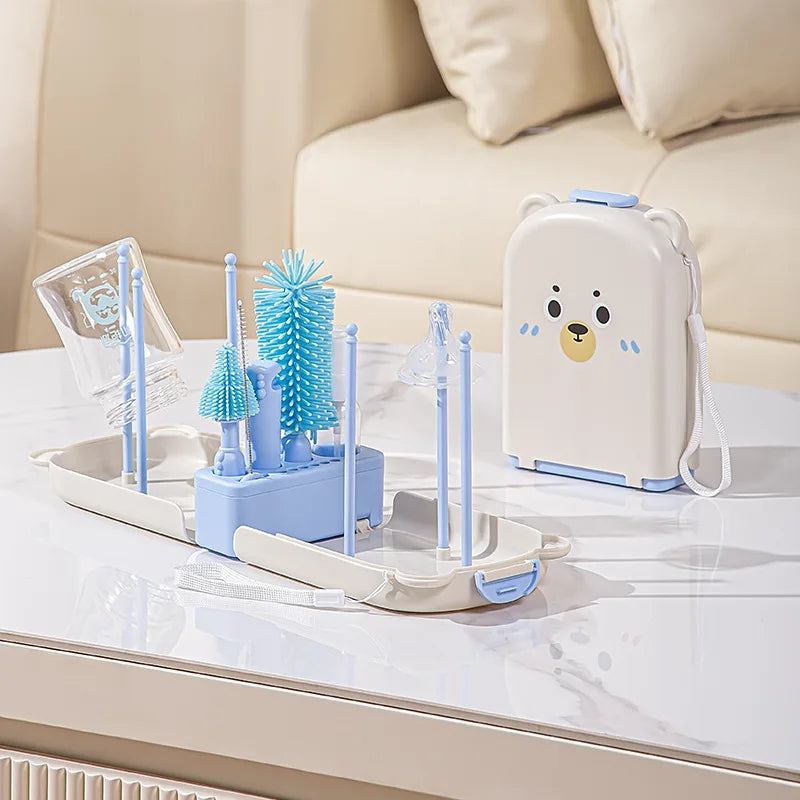
travel bottle brush + bottle cleaner and sanitizer — See it in action
FAQ
Are silicone bottle brushes better than nylon bristle brushes?
Silicone brushes dry faster and resist odors, while nylon bristles generally remove dried formula more effectively. The best choice depends on your cleaning routine.
Which bottle brush removes dried formula more effectively?
Tapered nylon bristle brushes usually provide the strongest scrubbing action against dried formula residue.
Do silicone bottle brushes harbor less bacteria?
Silicone dries more quickly and absorbs less moisture, which may reduce odor and bacterial growth when the brush is cleaned and dried properly.
Can silicone bottle brushes scratch plastic or glass bottles?
No. Silicone is generally very gentle and safe for plastic, glass, silicone, and stainless steel baby bottles.
How often should you replace a bottle brush?
Replace your bottle brush whenever it develops odor, damaged bristles, cracks, or no longer cleans effectively. Regular inspection is more important than following a fixed schedule.
Do you really need a separate nipple brush?
Yes. A dedicated nipple cleaner reaches small openings and vent systems that standard bottle brushes cannot clean thoroughly.
Are silicone bottle brushes dishwasher safe?
Many are dishwasher safe, but always follow the care instructions supplied by the manufacturer.
Which bottle brush is best for pumping parents?
Pumping parents often benefit from keeping both a silicone brush for frequent cleaning and a tapered nylon brush for removing stubborn milk residue from bottles and accessories.
Product link mentioned in this guide: travel baby bottle brush set . For related mom and baby essentials explore Baby Care Essentials and Mom Essentials .
Pillar Article: Cleaning Newborn Bottles Comparison: Best Brushes for Stress-Free Hygiene
Other Related Articles:
- Keeping Baby Bottles Germ-Free Tips Review: Top Products That Truly Help
- Newborn Bottle Cleaning Guide Roundup: Tools Parents Say Work the Best
- Travel Baby Bottle Brush Set Review: Best Compact Kits for On-the-Go Parents
- Silicone Bottle Brush Cleaner Tested: Top Picks for Fast, Gentle Cleaning
Explore More:





