

Does a silicone baby bottle cleaning brush really work?
Answer: A silicone baby bottle cleaning brush works by combining flexible, non-porous bristles with gentle scrubbing power to remove milk residue from curved bottle interiors, nipples, and hard-to-reach areas. Compared with traditional sponge brushes, silicone designs dry faster, resist trapped odors, and are easier to rinse after use. Pairing one with a long handle bottle cleaning brush or a complete bottle brush kit creates a more effective daily cleaning routine for safer bottle hygiene.
⏱ 7 min readSilicone Baby Bottle Cleaning Brush Tips: How to Clean Bottles Faster
Tired of washing baby bottles repeatedly but still noticing milk film, cloudy surfaces, or lingering smells? Many parents wonder: do silicone bottle brushes work better than traditional bristle brushes? The right cleaning tool can make daily bottle care faster and more consistent. This guide explains how a silicone baby bottle cleaning brush works, which bottles benefit most, and simple hygiene habits that help keep feeding supplies cleaner after every use.
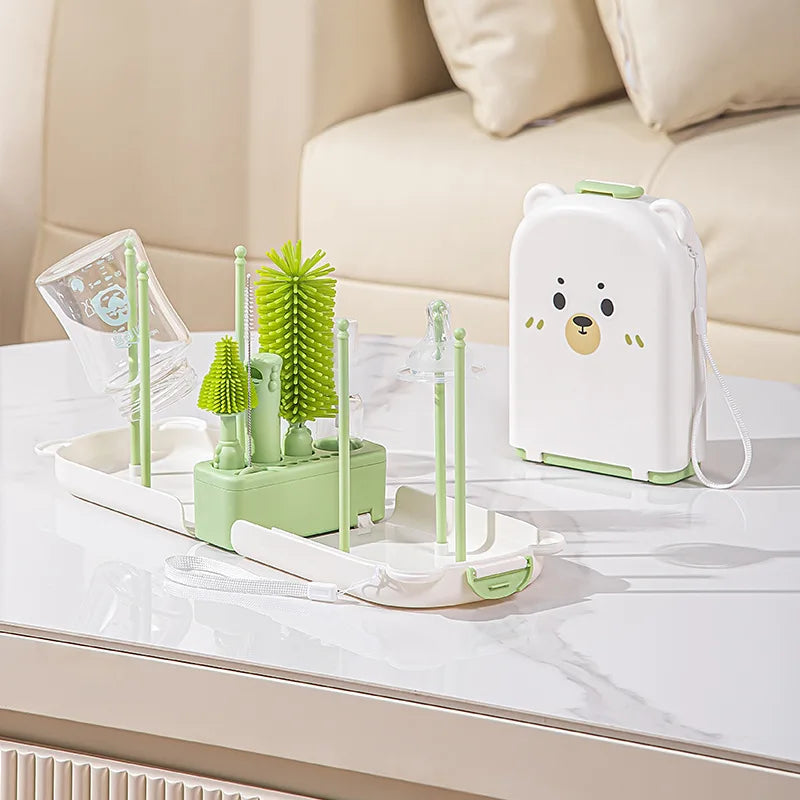
silicone baby bottle cleaning brush / do silicone bottle brushes work — See it in action
Explore related picks designed for busy parents — helpful ideas while you read.
Why choose a silicone baby bottle cleaning brush?
A silicone baby bottle cleaning brush is designed to make everyday bottle washing easier by using soft, flexible, non-porous bristles that reach areas traditional cleaning tools may miss. The silicone material bends around bottle curves, cleans near the base and corners, and helps remove milk residue without creating scratches on delicate surfaces.
How it helps clean baby bottles faster
The easiest way to clean baby bottles is to combine the right brush with consistent washing habits. A silicone baby bottle cleaning brush can speed up cleanup because its flexible tips move around curved interiors instead of only scrubbing straight surfaces.
- Reaches difficult areas: Flexible silicone bristles help clean bottle bottoms, sidewalls, and narrow spaces where milk residue can collect.
- Rinses quickly: Unlike absorbent sponge materials that may hold moisture, silicone is non-porous and easier to wash after each use.
- Helps reduce odors: Faster drying and easier cleaning can help prevent leftover milk smells from developing.
- Protects bottle surfaces: Soft silicone is gentle on many bottle materials, including glass and plastic bottles.
Which bottles benefit most?
Different bottle designs create different cleaning challenges. A silicone baby bottle cleaning brush is especially useful for bottles with curved shapes, wide bases, narrow openings, or textured interiors where milk residue can hide.
- Wide-neck bottles: Silicone bristles can cover more surface area while gently cleaning the inside walls.
- Tall bottles: A long handle bottle cleaning brush makes it easier to reach the bottom without putting your hand inside.
- Glass bottles: Soft silicone provides a non-abrasive option for regular cleaning.
- Plastic bottles: Gentle scrubbing helps maintain bottle condition when combined with proper washing techniques.
For parents looking for how to clean baby bottles faster, the biggest improvement often comes from using a dedicated bottle brush instead of relying on general kitchen sponges or cloths. A quality silicone brush supports a more reliable baby bottle cleaning routine by making each wash easier, quicker, and more consistent.
Does a silicone baby bottle cleaning brush really save time?
Yes, a silicone baby bottle cleaning brush can reduce daily washing effort by combining flexible cleaning power with quick maintenance. It helps remove residue in fewer passes, reaches curved areas more efficiently, and dries faster between uses. When paired with the right cleaning accessories, parents can spend less time scrubbing and more time focusing on feeding and caring for their baby.
Quick daily routine: clean in 3 easy steps
A consistent baby bottle cleaning routine helps prevent milk residue from drying inside bottles and makes each wash faster. The easiest way to clean baby bottles is to wash them soon after feeding, use the correct brush for each part, and allow every component to dry completely before storage.
- Rinse immediately after feeding: Rinse the bottle, nipple, and other removable parts under warm running water as soon as possible after use. This helps loosen milk proteins and fats before they stick to the surface and become harder to remove.
- Scrub every surface carefully: Apply a small amount of baby-safe dish soap and use a silicone baby bottle cleaning brush inside the bottle. For tall bottles, narrow openings, or deeper designs, a long handle bottle cleaning brush provides better reach. Use short, gentle strokes around the bottom, sides, and threads where milk residue often collects.
- Rinse, dry, and store correctly: Rinse all soap away with clean water, then place bottles and parts upside down on a clean drying rack or drying mat. Allow them to air-dry fully before assembling or storing to reduce moisture buildup and odors.
Why this works: warm water helps loosen leftover milk, flexible silicone bristles remove residue from curved surfaces, and proper drying supports better bottle hygiene. A few simple habits can make daily cleaning quicker without sacrificing cleanliness.
Baby bottle cleaning tips for busy parents
- Clean immediately when possible: Fresh milk residue is easier to remove than dried buildup after several hours.
- Create a dedicated cleaning area: Store bottle brushes, drying racks, and cleaning supplies separately from regular kitchen tools.
- Prepare for travel: Keep a compact brush or bottle brush kit in your diaper bag for quick cleanups away from home.
- Replace worn tools: Change brushes every 6–12 months or sooner if silicone tips become damaged, misshapen, or difficult to clean.
Deep clean & sterilize: when and how
Regular washing removes everyday milk residue, but occasional deep cleaning helps maintain a safer feeding setup. Parents may choose more frequent sterilization when caring for younger infants, premature babies, or babies with specific health considerations. A thorough deep-clean routine focuses on removing hidden residue from every bottle component.
- Separate every part: Take apart the bottle completely, including the bottle body, nipple, collar, cap, valves, or vents.
- Wash with warm soapy water: Soak parts briefly to loosen milk residue, then clean each piece using a silicone baby bottle cleaning brush or smaller accessory brushes.
- Pay attention to small areas: Use a nipple brush or detail brush to clean openings, grooves, and valves where milk can collect.
- Rinse thoroughly: Remove all soap residue with clean running water before sanitizing.
- Sterilize when needed: Use an appropriate method such as boiling, steam sterilizing, or an electric sterilizer according to the bottle manufacturer’s instructions.
- Air-dry completely: Place parts on a clean drying surface and avoid storing bottles while moisture remains inside.
For occasional mineral buildup or cloudy bottle surfaces, a diluted vinegar rinse can help loosen deposits. Mix 1 part white vinegar with 3 parts water, soak briefly, then rinse all parts thoroughly before the next use.
Best combos: long handle brush + bottle brush kit
Choosing the right cleaning tools makes a baby bottle cleaning routine more efficient. Using a silicone baby bottle cleaning brush together with a long handle bottle cleaning brush provides better coverage, combining gentle scrubbing with the extra reach needed for different bottle shapes and feeding accessories.
- Silicone baby bottle cleaning brush: Ideal for gentle everyday cleaning because flexible silicone bristles can move around curves, bottle corners, and sensitive surfaces without harsh abrasion.
- Long handle bottle cleaning brush: Helpful for tall, narrow, or deep bottles where reaching the bottom by hand is difficult. The extended handle provides better control and reduces missed areas.
- Bottle brush kit: A complete kit often includes smaller cleaning tools such as nipple brushes, straw cleaners, and storage stands, making it easier to clean pumps, valves, and other feeding accessories.
For parents looking for the best bottle brush for baby bottles, a combination approach is often more practical than relying on a single tool. A compact bottle brush kit keeps essential accessories organized while helping maintain consistent hygiene between feedings. Check product categories while you shop for compatible items like feeding bottles or warmers — for example Feeding & Nursing .
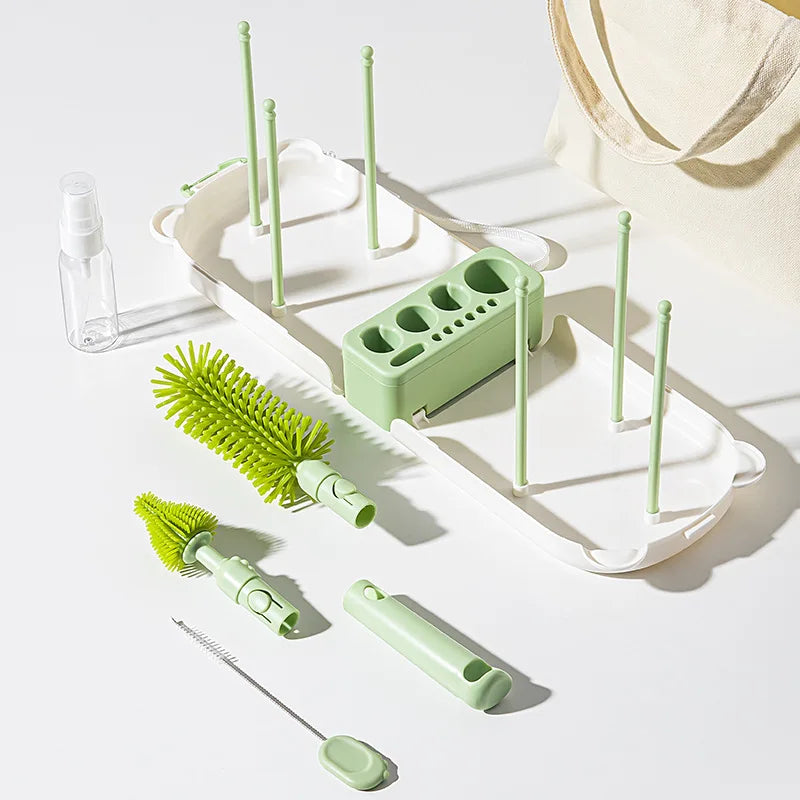
silicone bottle brush / long handle bottle cleaning brush — See it in action
Want a simple checklist for brushes, sterilizers, and drying racks? This will help you choose quickly.
Silicone vs traditional bottle brushes
Choosing between a silicone baby bottle cleaning brush and a traditional nylon brush depends on your priorities, including cleaning performance, durability, drying speed, and daily maintenance. Silicone designs are often preferred by parents who want a gentle, low-maintenance option, while traditional brushes may provide firmer scrubbing power for stubborn residue.
| Feature | Silicone Brush | Traditional Nylon Brush |
|---|---|---|
| Cleaning performance | Flexible bristles reach curves and bottle corners while gently removing everyday milk residue. | Firm bristles can provide stronger scrubbing action but may require more care on delicate surfaces. |
| Gentleness | High — soft silicone is non-abrasive and helps reduce the risk of scratches. | Medium — firmer bristles may become rougher over time with repeated use. |
| Drying and hygiene | Non-porous material rinses easily and dries quickly, helping reduce trapped moisture and odors. | Absorbent materials may take longer to dry and need regular replacement. |
| Reach into curves | Excellent — flexible tips adapt to curved bottle interiors and narrow areas. | Good — effective for many bottles but may not adapt as easily to complex shapes. |
| Durability | Long — silicone generally maintains its shape with proper care. | Medium — bristles can bend, shed, or wear down with frequent use. |
Common baby bottle cleaning problems
Cloudy bottles
Cloudy bottle surfaces can happen because of mineral deposits, soap residue, or repeated exposure to heat. Wash the bottle with warm water and baby-safe dish soap, scrub with a silicone baby bottle cleaning brush, then rinse thoroughly. For mineral buildup, a short soak in a diluted vinegar solution can help loosen deposits before another clean rinse.
Milk residue stuck inside bottles
Dried milk film often develops when bottles sit too long after feeding. To remove buildup, soak the bottle parts in warm soapy water first, then use a bottle brush kit with the correct brush size for the bottle opening, nipple, and small components. A consistent baby bottle cleaning routine helps prevent residue from becoming harder to remove.
Lingering odors
Persistent smells usually come from leftover milk residue, trapped moisture, or bottles that are stored before they are completely dry. Deep clean the bottle parts, sterilize when needed, and place everything on a clean drying rack in a well-ventilated area before storage.
Mold prevention
Prevent mold growth by separating all bottle components after each use, especially nipples, valves, and vents where moisture can remain hidden. Clean small parts thoroughly, allow them to dry fully, and avoid storing assembled bottles while damp.
Brush smells bad
- Wash the brush after every use and allow it to air-dry completely between cleanings.
- Sanitize the brush by boiling for 2–3 minutes once a week or using a top-rack dishwasher cycle if the manufacturer confirms it is dishwasher-safe.
- Replace brushes that show damage, misshapen silicone tips, or odors that remain after cleaning.
Frequently asked questions
How often should I clean baby bottles?
Baby bottles should be cleaned after every feeding to remove milk residue before it dries. A consistent baby bottle cleaning routine includes washing all removable parts with warm water and soap, then allowing each component to dry completely. Regular cleaning helps maintain better baby bottle hygiene and reduces the chance of odors or buildup.
Do I need to sterilize baby bottles after every use?
Not always. Many parents sterilize bottles more frequently during the newborn stage, especially for younger babies or when recommended by a healthcare professional. After regular washing, occasional sanitizing can provide an additional level of cleanliness. Follow bottle manufacturer guidance and use a suitable method, such as boiling, steam sterilizing, or a dedicated sterilizer.
Can I wash baby bottles in the dishwasher?
Some baby bottles and accessories are dishwasher-safe, but always check the manufacturer’s instructions first. Place dishwasher-safe parts on the top rack to reduce exposure to direct heat. Hand washing with a silicone baby bottle cleaning brush may be preferred for delicate parts or when you want more control over cleaning small areas.
How do I clean baby bottle nipples and valves?
Separate nipples, valves, vents, and other small components before cleaning. Use a small nipple brush or bottle brush kit accessory to remove milk residue from openings and hidden areas. Rinse thoroughly and allow small parts to air-dry completely before reassembling.
What's the best bottle brush for baby bottles?
The best bottle brush depends on your bottle style and cleaning needs. A silicone baby bottle cleaning brush is a good choice for gentle everyday cleaning, while a long handle bottle brush helps reach deep or narrow bottles. A complete bottle brush kit is useful for parents who need tools for nipples, straws, valves, and other feeding accessories.
Do silicone bottle brushes work better than sponge brushes?
Silicone bottle brushes offer several advantages over sponge brushes because they are non-porous, easier to rinse, and typically dry faster. They can help reduce trapped moisture and odors while providing flexible cleaning around curved bottle interiors.
How can I clean baby bottles faster without compromising hygiene?
The fastest safe approach is to rinse bottles immediately after feeding, separate all parts, use the correct brush size, and allow everything to dry fully. A well-organized cleaning setup with a silicone brush, long handle brush, and drying area makes daily bottle care more efficient.
How do I prevent mold and bad smells in baby bottles?
Prevent mold and odors by washing every component after use, including small valves and vents, then drying parts completely before storage. Avoid leaving assembled bottles damp, clean brushes regularly, and replace cleaning tools when they become worn or retain unpleasant smells.
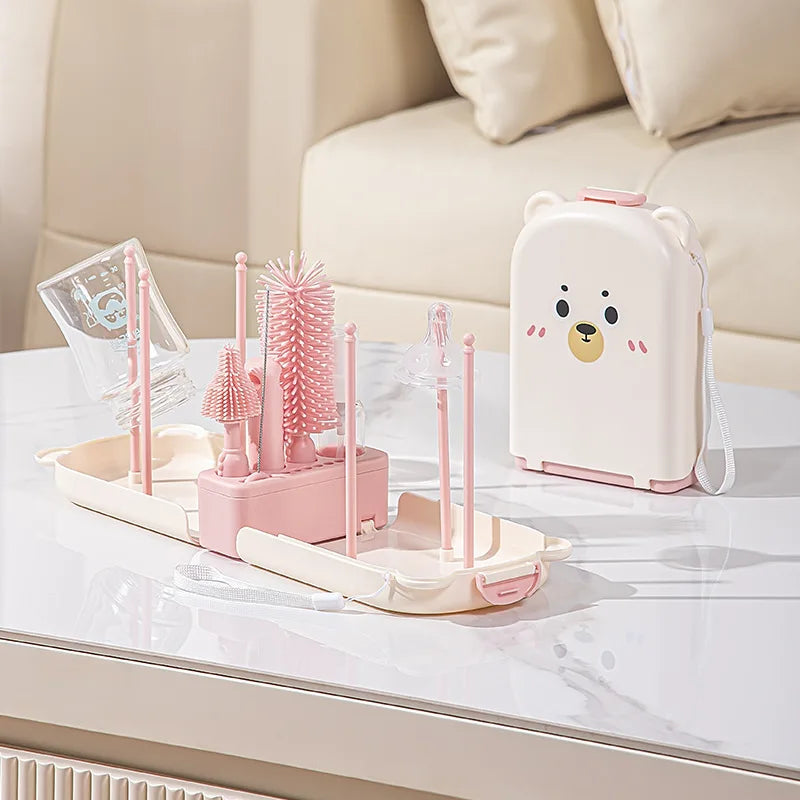
bottle brush kit / do silicone bottle brushes work — See it in action
Ready to simplify nightly cleanups? Choose a reliable bottle cleaning setup and save minutes every day.
Baby bottle cleaning checklist
Use this simple checklist to maintain a safer baby bottle cleaning routine and keep feeding supplies ready for daily use.
- After every feeding: Rinse bottles immediately, separate all parts, and wash away milk residue with warm water and baby-safe soap.
- During daily cleaning: Use a silicone baby bottle cleaning brush for bottle interiors and smaller tools for nipples, valves, and accessories.
- After washing: Place bottles and components on a clean drying rack and allow them to dry completely before storage.
- Weekly maintenance: Deep clean brushes and bottle parts, then sanitize when needed based on your baby’s age, health needs, and manufacturer recommendations.
- Replacement reminders: Replace bottle brushes when they become damaged, misshapen, or continue to hold odors after cleaning.
A reliable baby bottle cleaning routine does not need to be complicated. With the right brush, proper drying habits, and consistent hygiene practices, parents can reduce cleaning time while keeping bottles fresher between uses.
Pillar Article: How to Sanitize Baby Accessories Safely: A Simple Step-by-Step Guide
Other Related Articles:
- Best Way to Wash Baby Bottles at Home: Step-by-Step for New Parents
- Portable BPA-Free Bottle Cleaning Kit Guide: Clean Bottles Anywhere
- Newborn-Safe Bottle Cleaning Set Reviews: Which Kits Offer the Best Hygiene?
Explore More:





