
⏱ 7 min read
When Can Babies Sit Unsupported? Milestones, Safety, and What to Expect
Most babies begin sitting with little support around 6 months and can sit independently between 7 and 9 months, although healthy development varies from child to child. Building this milestone depends on head control, core strength, balance, and plenty of supervised floor play—not specialized equipment. This guide explains the typical sitting timeline, signs of readiness, and how to encourage safe, natural development.
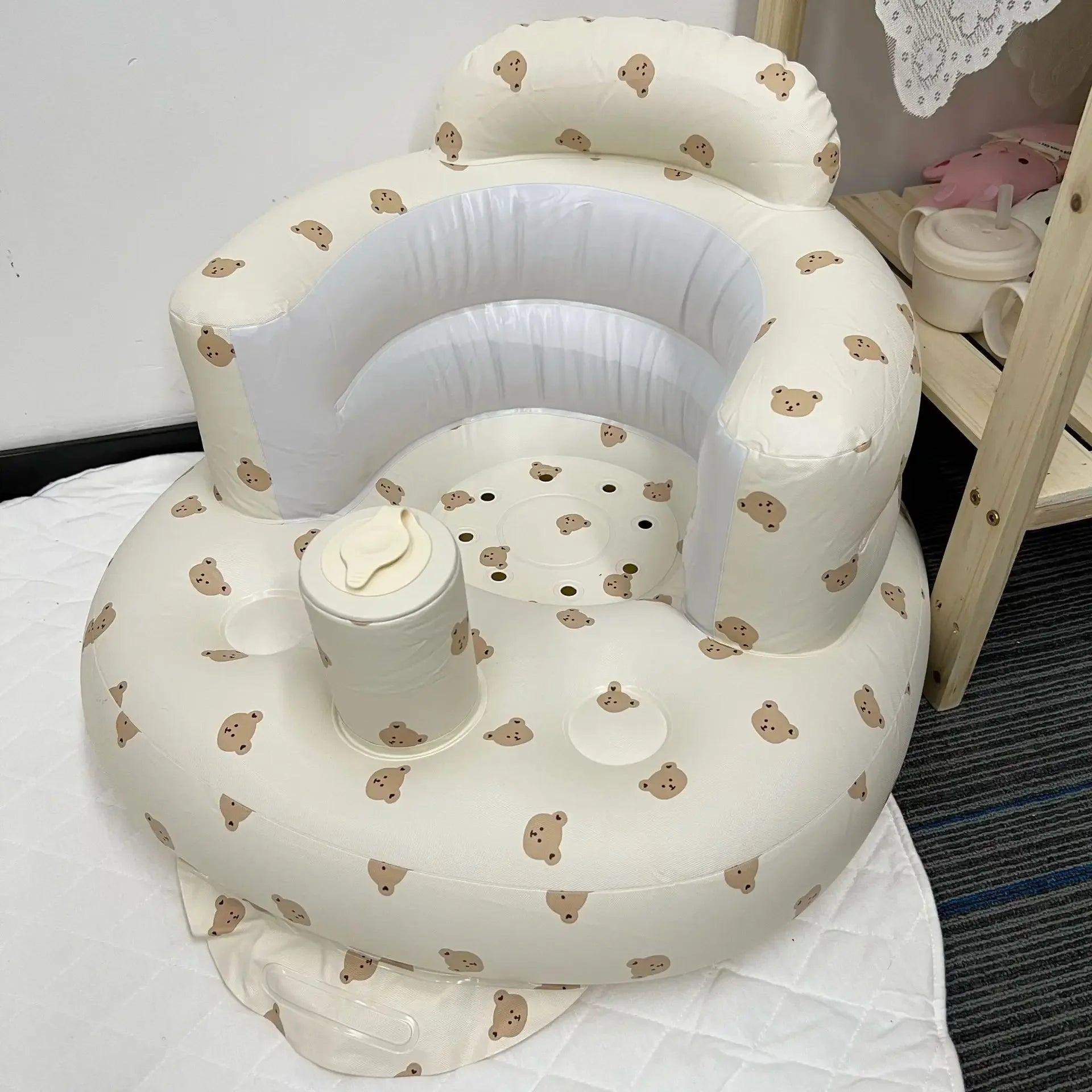
Independent sitting develops gradually as babies gain head control, balance, and trunk strength.
When can babies sit unsupported?
Most healthy babies develop the ability to sit without support between 7 and 9 months . Before reaching this milestone, they typically progress from improved head control to brief supported sitting, then tripod sitting using their hands for balance, and finally independent sitting. Every child develops at a different pace, so a variation of several weeks is often completely normal.
Rather than focusing on an exact age, parents should look for steady progress in balance, posture, and core strength. Opportunities for supervised tummy time and floor play help babies naturally build the muscles needed for sitting.
Infant sitting development stages
Head control (around 3–4 months)
Strong head and neck control forms the foundation for sitting. During this stage, babies gradually learn to lift and hold their heads steady while lying on their tummy and when supported upright.
Tripod sitting
Many babies briefly support themselves by placing both hands on the floor in front of them. This "tripod" position improves balance while strengthening the trunk and shoulder muscles needed for longer periods of sitting.
Independent sitting
As core muscles become stronger, babies begin sitting upright without leaning on their hands. They can usually reach for nearby toys while maintaining their balance and recover from small shifts in posture.
Preparing for crawling
Independent sitting allows babies to rotate their bodies, transfer weight, and move between sitting and the floor. These movements prepare them for crawling and other important gross motor milestones.
Signs your baby is ready to sit independently
Every baby reaches sitting milestones at a slightly different pace. Instead of focusing on age alone, watch for developmental signs that show your baby has the strength and coordination to sit with little or no support.
- Steady head and neck control: Your baby can hold their head upright without wobbling.
- Strong trunk muscles: They remain upright for brief periods with minimal assistance.
- Protective balance reactions: They use their hands to prevent tipping when leaning.
- Reaching while seated: They can grasp nearby toys without immediately losing balance.
- Rolling independently: Comfortable movement between tummy and back often supports later sitting skills.
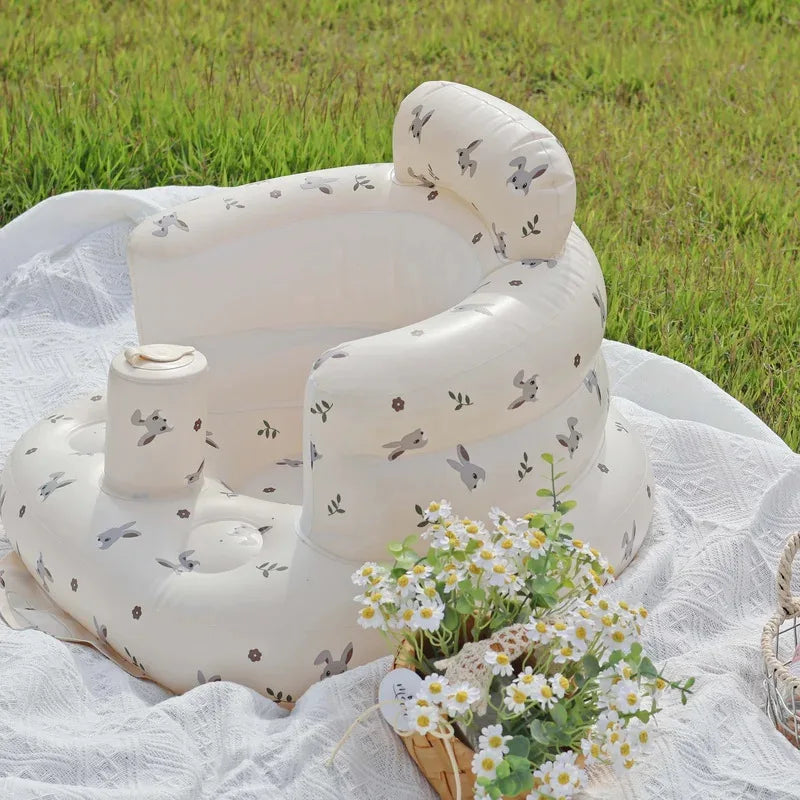
Independent sitting develops gradually through practice, balance, and improving core strength.
Age-by-age sitting milestone timeline
4–5 months
Many babies can sit briefly when supported by an adult or placed in a stable seated position. They are still developing trunk strength and usually need assistance to remain upright.
6 months
Improved balance allows many infants to sit with their hands on the floor in a tripod position. Some babies may briefly sit without support before toppling over.
7–8 months
This is the age when many babies achieve independent sitting. They can play with toys, rotate their upper body, and recover from small shifts in balance without falling.
9 months and beyond
Most babies can move confidently between sitting and other positions, including rolling, crawling, and preparing to pull themselves to stand. Continued floor exploration supports ongoing gross motor development.
How to help your baby learn to sit safely
Tummy time
Daily tummy time is one of the most effective ways to strengthen the neck, shoulders, back, and abdominal muscles needed for sitting. Increase tummy time gradually as your baby becomes more comfortable.
Floor play
Provide supervised play on a firm, clean floor where your baby has room to move freely. Time spent exploring different positions encourages natural motor development better than prolonged time in infant containers.
Place favorite toys slightly to the side or just within reach while your baby is supported in sitting. Reaching encourages balance reactions and helps develop trunk stability.
Avoid forcing sitting
Rather than propping your baby into a sitting position before they are developmentally ready, allow them to reach the milestone naturally. Babies develop stronger balance and coordination when they practice movements independently during supervised play.
Is it safe for babies to sit unsupported?
Yes, but only when your baby has developed enough strength and balance to do so naturally. Independent sitting should always take place on a firm, flat surface under close adult supervision. Even babies who can sit well may suddenly lose their balance.
- Choose a clean floor or play mat instead of elevated furniture.
- Stay within arm's reach during practice sessions.
- Place a few age-appropriate toys nearby to encourage reaching and balance.
- Keep the area free from sharp edges and small objects that could become hazards.
- Allow frequent breaks if your baby becomes tired or frustrated.
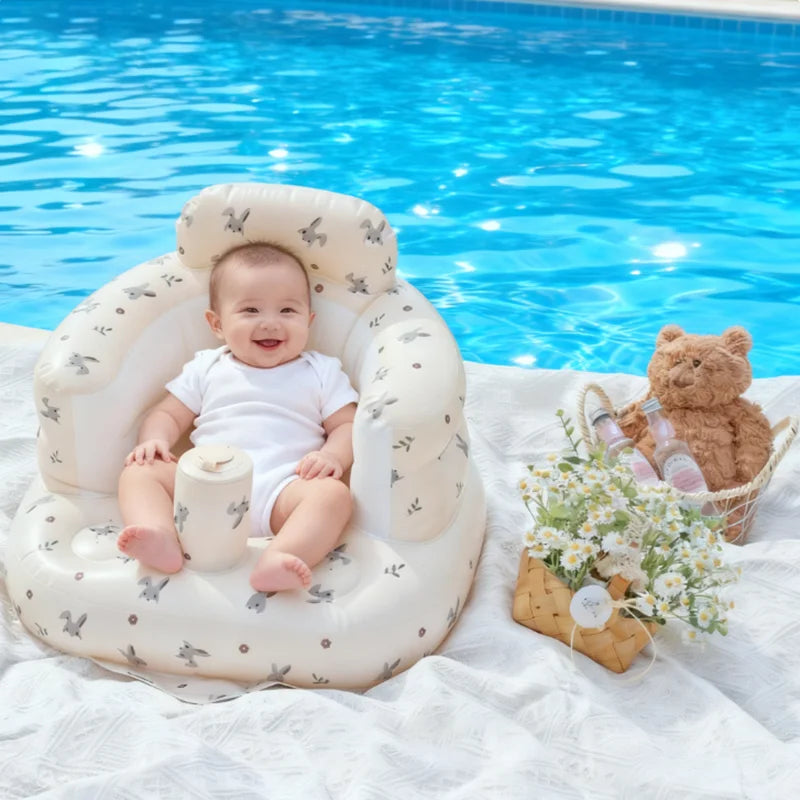
Supervised floor play provides a safe environment for babies to practice sitting and develop balance.
Baby support seat safety
When support seats may help
Infant support seats may provide short periods of supported sitting for feeding or supervised interaction when used according to the manufacturer's instructions. They can also offer temporary positioning for babies who already have good head control.
Limits of infant play seats
Support seats do not teach babies to sit independently or strengthen the muscles required for this milestone. Natural movement during supervised floor play remains the most effective way to develop balance, coordination, and core strength.
Container time recommendations
Experts generally recommend limiting prolonged time in containers such as infant seats, swings, and bouncers. Babies benefit most from spending awake time moving freely on the floor where they can roll, pivot, reach, and practice new motor skills.
When to talk to your pediatrician
Developmental milestones vary considerably, especially for babies born prematurely. However, it is worth discussing your baby's progress with a pediatrician if you notice any of the following:
- Poor head control after the expected developmental window.
- Very limited progress toward supported or independent sitting over time.
- Persistent stiffness or unusual floppiness of the muscles.
- Using only one side of the body during movement or play.
- Loss of previously acquired motor skills.
Healthcare professionals evaluate your baby's overall development rather than a single milestone, helping determine whether continued observation or further assessment is appropriate.
Related milestones after sitting
Independent sitting is an important foundation for future gross motor development. After mastering sitting, many babies gradually begin to:
- Roll smoothly between positions.
- Crawl or move using another form of independent mobility.
- Pull themselves up to stand while holding furniture.
- Cruise sideways along furniture before taking their first independent steps.
Related reads: Baby Care Essentials · Feeding & Nursing · Baby Growth & Learning
Frequently asked questions
When do babies usually sit up on their own?
Most babies sit independently between 7 and 9 months of age. Some achieve this milestone slightly earlier or later, and a range of normal development is expected as long as progress continues.
Can a baby sit unsupported at 5 months?
Some babies may briefly balance at 5 months, especially with strong head and trunk control, but most still need support. Independent sitting is more commonly achieved several weeks later.
Is it normal if my baby is not sitting independently at 8 months?
Many healthy babies are still developing this skill at 8 months, particularly if they were born prematurely. If your baby shows little progress toward sitting or other motor milestones, discuss your concerns with your pediatrician.
Should I prop my baby into a sitting position?
Brief supported sitting is fine when your baby is supervised, but avoid forcing a position they cannot maintain independently. Regular tummy time and floor play are more effective for building the strength needed for sitting.
Do premature babies reach sitting milestones later?
Yes. Babies born prematurely often reach developmental milestones based on their corrected age rather than their birth date. Your healthcare provider can explain which timeline is most appropriate for your child.
Are infant support seats good for learning to sit?
Support seats may be useful for short periods when used correctly, but they do not replace active floor play. Babies develop sitting skills most effectively by moving freely and practicing balance during supervised play.
How much tummy time helps babies learn to sit?
Daily tummy time from early infancy helps strengthen the neck, shoulders, back, and core muscles needed for sitting. Begin with short sessions and gradually increase the duration as your baby becomes more comfortable.
What are the warning signs of a developmental delay?
Seek medical advice if your baby has persistent poor head control, unusually stiff or floppy muscles, loses previously learned skills, or shows little progress toward age-appropriate motor milestones. Early evaluation can identify whether additional monitoring or support is needed.
Related Articles:
- Baby Balance Training Cushion: How to Boost Sitting Skills Safely
- Baby Uncomfortable While Sitting? Tips for Gentle Support
Pillar Articles:
- Safe Infant Seating Chair for Play: In-Depth Brand Review
- How to Improve Baby Posture: Seating Solutions for Every Need
- How to Support Early Sitting: Step-by-Step Baby Seat Guide
- Soft PVC Baby Seat Reviews: Comfort and Safety for Early Sitters
- Upright Infant Seat Reviews: Best Options for Early Sitting Support





