
Does a soft pvc baby seat really help early sitters?
Yes — a soft pvc baby seat provides cushioned, stable support that helps babies practice upright balance without forcing posture. The soft pvc baby seat creates a gentle seat, reduces tip-over risk, and encourages independent sitting and play while parents supervise. It’s a practical stepping stone for infant development sitting.
Soft PVC Baby Seat Reviews: Comfort and Safety for Early Sitters
⏱ 18 min read
Soft pvc baby seat options can make those first sitting moments safer, calmer, and surprisingly fun for both baby and parent. Designed with gentle support baby cushion contours, a baby balance training cushion feel, and secure infant support seat structure, these seats promote infant development sitting without forcing posture or balance too early. The right design can reduce tip-overs, encourage confident sitting, and free your hands during playtime—but which features truly matter most?
Curious how seating fits into safe play? Explore gentle support and smart accessories to keep playtime hands-free and worry-free.
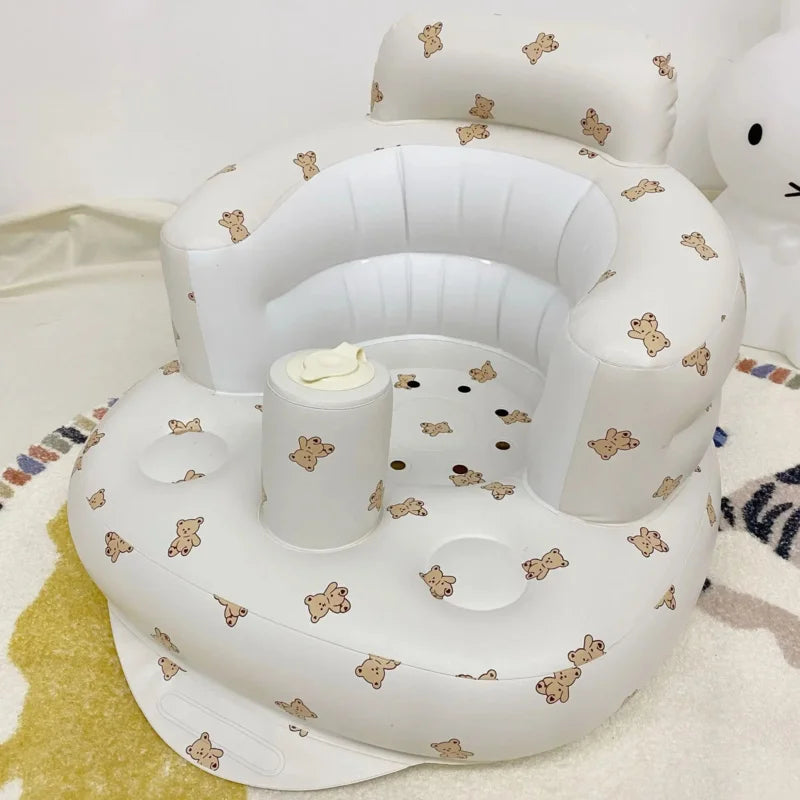
soft pvc baby seat + gentle support baby cushion — 💡 See it in action
Why choose a soft pvc baby seat?
Short answer: A soft pvc baby seat offers a balance of cushioning and structure that supports early sitters while allowing small adjustments for balance practice. It’s softer than rigid seats, easier to clean than fabric-only options, and often inflatable or foam-backed for gentle shock absorption.
Parents often ask: "Which baby gear should I trust when my infant first sits?" If your goal is to encourage independent sitting safely and comfortably, a soft pvc baby seat can be a practical tool. Below we break down how one works, what to look for, and how to use it without creating bad posture habits.
Common parenting worries this product addresses
- Will my baby tip over? The seat’s broad base and cushioned sides reduce small tumbles.
- Will this harm my baby’s development? When used correctly and supervised, it supports gradual balance practice without forcing posture.
- Is it hygienic and easy to clean? PVC surfaces wipe clean and many models are water-resistant.
- Can I use it for travel or short rests? Lightweight models inflate or fold for portability and short supervised play breaks.
Safety features to check before buying
Safety is the non-negotiable. Look for these features when choosing a soft pvc baby seat:
- Stable, wide base: A low center of gravity and wide footprint help prevent tip-overs.
- Soft but supportive sides: Cushioned bolsters that contain the baby gently without compressing the hips or spine.
- Non-toxic materials: PVC certified free from harmful phthalates and using baby-safe dyes.
- Secure harness (optional): A simple, soft strap can be helpful for very young sitters — only use when supervised.
- Firm seating area: The seat should provide slight resistance so the baby can feel and practice balance.
- Easy wipe-clean finish: Smooth PVC wipes clean; seams should be sealed to prevent water ingress.
Which age and milestones?
Most babies begin exploring sitting between 4–7 months. Use the soft pvc baby seat as a supervised practice tool after the baby shows head control and some trunk stability. Never use as a sleep place.
How to use a soft pvc baby seat (step-by-step)
Follow this practical routine to make the most of the seat safely:
- Inspect: Check for punctures, loose seams, or sharp edges. Ensure the surface is clean and dry.
- Place: Set the seat on a flat, non-slip surface (rug or foam mat). Keep it away from stairs, furniture edges, and pet bowls.
- Position baby: Support the hips and back gently as your baby moves into the seat. Let them settle into the natural curve of the cushion.
- Supervise: Stay within arm’s reach. Offer toys at chest height to encourage reaching and balance adjustments.
- Time it right: Start with short sessions (3–5 minutes) and gradually increase as the baby gains strength and interest.
- Swap posture practice: Alternate between floor tummy time, supported sitting in your lap, and brief seat sessions to build balanced skills.
Quick usage checklist
- Always supervise
- Limit sitting sessions initially
- Combine with floor-based play
- Keep straps untangled and ready
Compare soft pvc baby seat options
Not all soft pvc seats are created equal. Below is a compact comparison to help you choose based on lifestyle and priorities.
| Feature | Inflatable soft pvc seat | Foam-backed pvc seat | Hybrid seat with harness |
|---|---|---|---|
| Portability | Excellent — deflates for travel | Good — lightweight but bulkier | Moderate — more rigid |
| Comfort | Very cushioned | Firm support with soft finish | Supportive with extra containment |
| Cleaning | Wipes clean, dries fast | Removable cover possible | Wipes clean; harness may need spot care |
| Best for | Travel & occasional use | Daily home practice | Very early sitters needing containment |
Which option fits your life?
- Choose inflatable if you travel often and need lightweight gear.
- Choose foam-backed for daily use and a more structured feel.
- Choose hybrid if your baby still needs extra containment during early sessions.
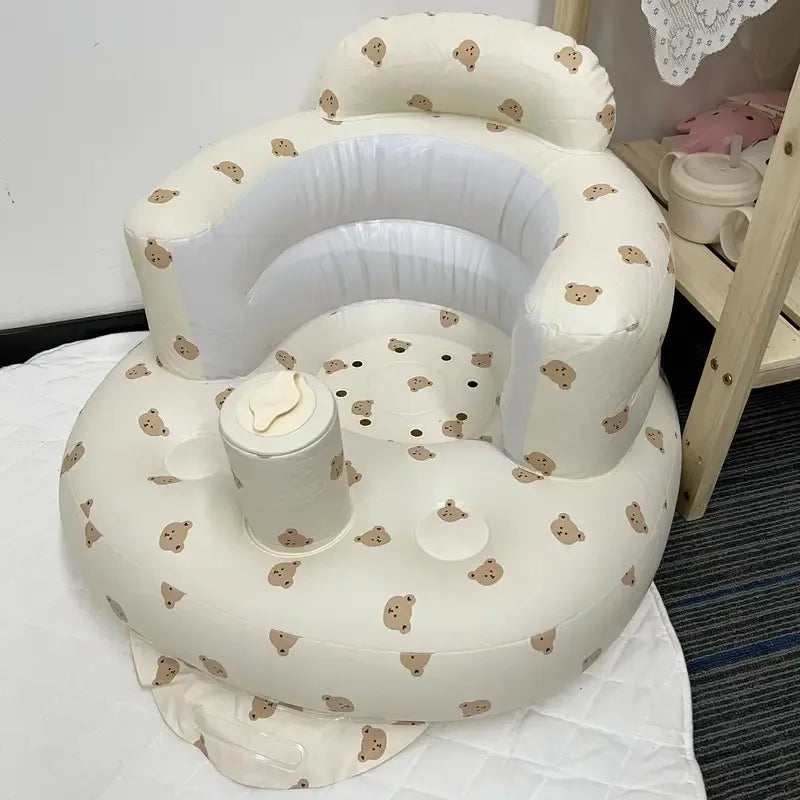
gentle support baby cushion + infant support seat — 💡 See it in action
Real parents: short reviews & testimonials
Parents report that the soft pvc baby seat reduced their stress during short play sessions and made supervised floor time more manageable. Below are representative snippets you’ll find in real reviews.
- "Lightweight and wipes clean — perfect for grandparents' house." — 5-star mom review
- "The cushioned sides gave our baby confidence to reach and pivot." — new dad
- "We only use it for a few minutes a day. It’s not a babysitter, but it helps." — caregiver note
How to judge authentic reviews
Look for details about session length, supervision, and how the product fit the baby's age and development. Reviews mentioning safety features, cleaning ease, and durability are especially useful.
Setup and styling tips that make it part of your home
Don’t let baby gear clash with your living room. A few styling tips:
- Choose neutral colors for a low-profile look that blends with decor.
- Pair the seat with a soft play rug that defines a safe play area.
- Store the seat on a low shelf or closet to keep it handy and out of sight when not in use.
Recommended related items: add a few sensory toys and a floor mirror to encourage reaching and core work. See our collection Sensory Toys for ideas.
Integrating the seat into daily routines
Use the seat strategically across your day:
- Morning play: 3–5 minute practice after breakfast when the baby is fresh.
- Midday break: Use as a short supervised rest while you prepare lunch.
- Evening wind-down: Pair with quiet toys to build calm sitting time before naps.
Sample 7-day baby sitting practice plan
- Day 1–2: Two 3-minute sessions, focus on hip support and reaching toys.
- Day 3–4: Increase to 5-minute sessions; encourage reaching to each side to strengthen obliques.
- Day 5–7: Add gentle rotations and parent-assisted sit-to-lap movement.
Cleaning, care & storage
Care is simple for PVC-based seats:
- Wipe with warm, soapy water and a soft cloth; avoid abrasive brushes.
- Rinse and air-dry fully before storing to prevent mildew.
- Patch small punctures on inflatable seats with a repair kit; avoid over-inflation.
Quick cleaning routine
- Spot clean daily
- Deep clean weekly: mild detergent and rinse
- Sanitize occasionally with baby-safe disinfectant wipes for surfaces
Pros and cons at a glance
| Pros | Cons |
|---|---|
|
|
Buying guide: what to prioritize
When shopping, prioritize:
- Material safety certifications
- Firm but cushioned seat shape
- Easy-clean finish
- Stable, wide base
- Compact storage or portability if you travel
For more gear that supports active, safe play, browse our Mobility & Training collection.
Product spotlight: what to expect from a good soft pvc baby seat
Below is a practical list of features and why they matter.
- Ergonomic seat well: Cradles baby’s hips without forcing legs wide apart.
- Cushioned bolsters: Offer gentle lateral support while allowing corrective movement when baby tips.
- Non-slip base: Keeps the seat steady on hardwood or tiles.
- Wipe-clean PVC surface: Faster cleanup after spills and snack time.
- Lightweight design: Easy to move room-to-room or pack for travel.
Want a hands-on look? Check our product: Baby Inflatable Sofa Seat.
Need help comparing models? Follow the usage and safety checklist above to make a confident choice.
How this helps infant development sitting
Short supervised sessions support these milestones:
- Core strength: Reaching and turning while seated builds trunk muscles.
- Hand-eye coordination: Toys at chest height encourage controlled reaching.
- Balance reactions: Gentle tipping triggers corrective movements that teach balance.
- Confidence: Small successes in sitting boost curiosity and willingness to explore.
Do pediatricians recommend seats?
Most pediatricians advise: use such seats as a supplement, not a replacement, for floor-based tummy time and parent-supported sitting. Always follow age and milestone guidance specific to your baby.
Safety checklist before each use
- Seat intact and dry
- Surface level and away from hazards
- Baby supervised within arm’s reach
- Sessions brief and mixed with other activities
Alternatives and when to choose them
If you’re unsure a soft pvc baby seat fits your family, consider alternatives:
- Parent lap support: Best for hands-on bonding and posture learning.
- Floor cushions and bolsters: Great for gradual support with fewer containment concerns.
- High chairs with recline: Better for feeding once baby shows stable sitting for longer stretches.
Usage data & typical parent outcomes
Across many family reports, short seat sessions of under 10 minutes support incremental development without causing over-reliance. Parents who combine seat time with tummy time and lap-supported practice report better transitional progress toward independent sitting.
Maintenance tips to extend seat life
- Store inflated seats uncompressed to avoid seam fatigue.
- Avoid direct sunlight for long stretches to prevent PVC deterioration.
- Use a thin washable cover on foam-backed seats to reduce surface wear.
Common mistakes to avoid
- Leaving baby unattended even briefly.
- Using the seat as a sleep surface.
- Forcing long sessions; longer is not always better.
- Choosing overly firm or narrow seats that restrict natural leg positioning.
Packing & travel tips
- Deflate inflatable models and store in a protective pouch to avoid punctures.
- For foam models, nestle inside a padded compartment of your diaper bag or stroller trunk.
- Bring a washable mat to define a clean play area when visiting family.
What safety certifications to look for
- Non-toxic material certifications (phthalate-free)
- Consumer product safety standard compliance appropriate to your country
- Clear manufacturer care instructions and warranty
When to retire the seat
Retire the seat if you notice:
- Visible seam failure or punctures
- Loss of structural support
- Baby consistently outgrows the seat or sits independently for long periods
Pricing and value: what’s reasonable?
Prices vary based on materials, brand, and portability. Focus on value by checking material safety, warranty, and cleaning ease rather than chasing the cheapest model.
Best practices summary
- Use the seat for short, supervised practice sessions.
- Alternate with tummy time and parent-lap practice.
- Keep cleaning and maintenance regular.
- Prioritize safety features over fanciful extras.
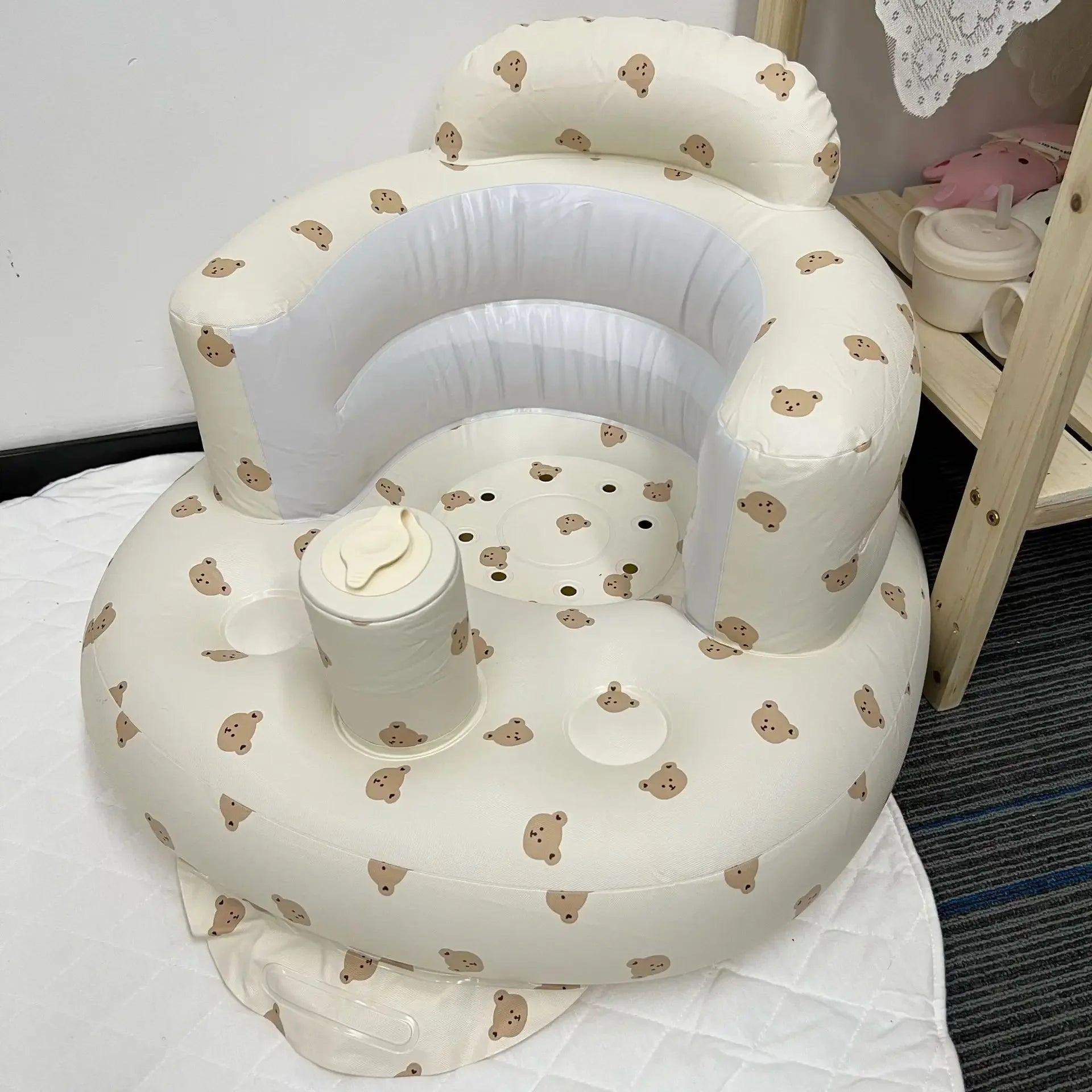
infant support seat + baby balance training cushion — 💡 See it in action
Final decision: is a soft pvc baby seat right for you?
If you want a portable, easy-to-clean, gently supportive seat for short supervised practice sessions, a well-designed soft pvc baby seat is a useful tool. It should be one part of a balanced developmental plan that includes floor play, tummy time, and caregiver-supported sitting.
Ready to try a soft pvc baby seat that balances comfort and safety? Click through to view the Baby Inflatable Sofa Seat and check current availability.
Mini-FAQ (schema-ready)
-
Is a soft pvc baby seat safe for newborns?
Not for newborns. Wait until the baby has strong head control and some trunk stability (usually 4–7 months) and always supervise sessions.
-
How long should a baby sit in a soft pvc seat?
Start with 3–5 minute supervised sessions and gradually increase based on comfort and developmental progress. Avoid prolonged use.
-
Can the seat replace tummy time?
No. Tummy time is essential for motor development. Use the seat as a supplement to, not a replacement for, floor-based activities.
-
How do I clean an inflatable soft pvc seat?
Wipe with mild soap and water, rinse, and air dry. Patch small punctures with a repair kit. Avoid harsh chemicals.
-
When should I stop using the seat?
Stop when your baby consistently sits independently for extended periods or if the seat shows signs of wear that affect safety.
Tags: soft pvc baby seat, infant support seat, baby sitting aid, baby balance training, gentle support cushion, early sitter seat, infant development sitting
Related Articles:
- Baby Slipping in Hard Chairs? Tips for Safe Sitting at Home
- Cozy Baby Learning Chair Setup: Maximize Comfort and Balance
- Guide to Safe Baby Seating: Tips for Comfortable Sitting
Pillar Articles:





