
How to Help Baby Sit Up: Does Practice Really Work?
Yes. Learning how to help baby sit up through gentle, age-appropriate practice helps develop balance, core stability, and postural control. The goal is not to make babies sit before they are ready, but to strengthen the muscles they naturally use as they progress toward independent sitting. Floor-based play, tummy time, short supported sitting sessions, and careful use of an infant support seat can all contribute to healthy development when paired with close supervision.
How to Support Early Sitting: Step-by-Step Baby Seat Guide
⏱ 8 min read
Wondering how to support your baby's first attempts at sitting without rushing development? Many parents ask when babies should begin practicing, whether support seats are helpful, and how to encourage stronger posture safely. This guide explains how to support early sitting with practical techniques, realistic milestone expectations, and safe positioning tips that promote confidence while protecting your baby's developing neck, back, and core muscles.
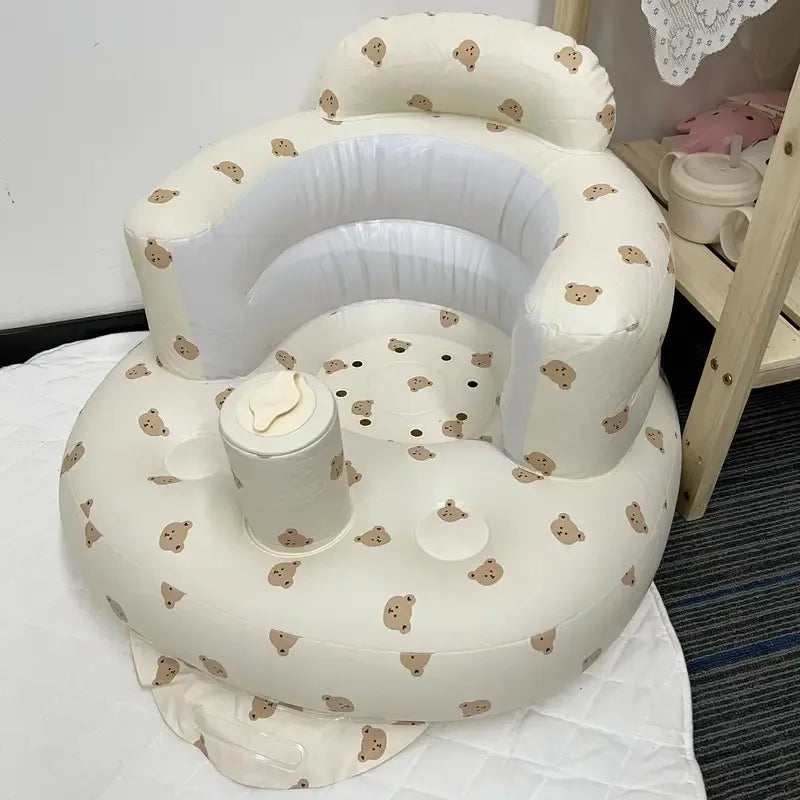
how to support early sitting, infant support seat — See it in action.
Why Supporting Early Sitting Matters
Learning how to support early sitting gives babies opportunities to strengthen their core, improve head and trunk control, and practice balance reactions. Sitting also allows babies to use both hands for play, interact more easily with caregivers, and explore their surroundings from a new perspective.
It's important to remember that sitting develops gradually. Rather than placing babies into unsupported positions before they're ready, focus on building the strength needed for the milestone. Consistent practice through tummy time, supervised floor play, and short supported sitting sessions encourages natural progress while reducing frustration and unnecessary falls.
When Is a Baby Ready for Supported Sitting?
Most babies show several readiness signs before they are able to sit with support. Look for:
- Strong, steady head control with little or no head wobbling.
- Good neck and upper-back strength developed through regular tummy time.
- Interest in looking around from an upright position.
- Reaching for toys while propped without immediately collapsing forward.
- Brief moments of holding the trunk upright during transitions.
Every baby develops at a different pace. Focus on steady improvement instead of comparing milestones with other children.
Step-by-Step Support Routine
To help baby sit up safely, begin with supervised tummy time to strengthen the neck, shoulders, and core. Progress to short sessions of supported sitting on the floor, introduce an infant support seat only for brief supervised practice, and gradually reduce assistance as your baby develops better balance and trunk control.
- Build strength with tummy time every day: Aim for several short sessions throughout the day. Tummy time develops the muscles needed for rolling, sitting, crawling, and later mobility.
- Practice supported sitting on the floor: Sit behind your baby or surround them with pillows while keeping your hands close enough to prevent falls.
- Introduce an infant support seat thoughtfully: Use the seat only on the floor for short 10–20 minute practice sessions under constant adult supervision.
- Encourage reaching and weight shifting: Place toys slightly to either side and directly in front of your baby to promote balance reactions and trunk control.
- Reduce support gradually: As your baby begins sitting independently for several seconds and can recover from small wobbles, slowly decrease the amount of assistance provided.
Choosing Baby Gear That Supports Healthy Development
Supportive equipment should complement active floor play—not replace it. Babies build the strongest sitting skills through movement, exploration, and supervised practice on the floor.
How to Set Up an Infant Support Seat Safely
A properly positioned infant support seat can provide short periods of upright practice while helping maintain comfortable alignment. Follow these simple safety guidelines every time you use one.
- Always place the seat on the floor: Never use support seats on beds, sofas, tables, or countertops.
- Choose a firm, level surface: A play mat or rug helps prevent unwanted sliding.
- Support natural hip positioning: Knees should remain comfortably apart rather than squeezed together.
- Allow the lower back to rest naturally: The seat should provide gentle support without forcing the spine into an unnatural posture.
- Stay within arm's reach: Continuous supervision is essential throughout every session.
How to Position the Baby in an Infant Support Seat
- Place your baby gently into the seat with thighs fully supported.
- Keep the head upright with the chin in a neutral position to maintain an open airway.
- If additional stability is needed, use rolled towels beside the hips rather than forcing the body into a fixed position.
- Keep sessions short so sitting remains active practice instead of passive positioning.

infant support seat, sitting developmental milestone — See it in action.
5 Activities to Build Strength and Confidence
- Reach-and-grab games: Hold favorite toys just within reach to encourage trunk stability and controlled weight shifting.
- Supported side-to-side movement: Gently guide your baby to lean from one side to the other while maintaining balance.
- Tummy-to-sitting transitions: Help your baby move naturally from tummy time toward an upright position while allowing them to do as much of the work as possible.
- Mirror exploration: Sitting in front of a child-safe mirror motivates babies to lift their heads, rotate their trunks, and stay engaged longer.
- Brief supported standing: Short periods of supported standing activate the hips, legs, and core, complementing early sitting practice without replacing it.
Common Mistakes to Avoid
Most babies learn to sit through gradual practice rather than prolonged time in supportive equipment. Avoiding these common mistakes helps encourage healthy motor development while reducing the risk of discomfort or injury.
| Mistake | Why it's risky | Safer alternative |
|---|---|---|
| Using a support seat on a raised surface | Increases the risk of falls and head injuries. | Always use support seats on a flat floor with a play mat underneath. |
| Keeping babies in support seats too long | Can contribute to fatigue and reduce opportunities for active movement. | Limit sessions to about 10–20 minutes and prioritize floor play. |
| Trying to make a baby sit before they are ready | May cause frustration and encourage poor posture. | Build strength gradually through tummy time, supported practice, and play. |
| Skipping tummy time | Slows development of the neck, shoulders, and core muscles needed for sitting. | Include several short tummy time sessions throughout the day. |
| Ignoring signs of fatigue | Tired muscles make posture less stable and practice less effective. | End the session when your baby becomes fussy, slumps, or loses head control. |
How Sitting Practice Fits Into Your Daily Routine
Frequent, play-based practice is usually more beneficial than occasional long sessions. Follow your baby's cues and adjust the routine as energy levels change throughout the day.
- Morning: Begin with 5–10 minutes of tummy time, followed by several minutes of supported sitting and reaching games.
- Midday: Incorporate a short supervised sitting session during reading, singing, or quiet interactive play.
- Afternoon: Encourage reaching, pivoting, and rolling between toys during floor play.
- Evening: Finish with a few minutes of gentle mirror play or supported sitting before winding down.
Top Safety Tips Every Caregiver Should Follow
- Always supervise your baby during supported sitting or while using any support seat.
- Use support seats only on the floor, never on furniture or elevated surfaces.
- Keep practice sessions short, engaging, and developmentally appropriate.
- Allow plenty of unrestricted floor time every day to encourage natural movement.
- Watch for fatigue cues such as slumping, head drooping, rubbing the eyes, or fussiness, and end practice before your baby becomes overtired.
- Remember that support equipment should supplement—not replace—active movement and supervised play.
Baby Sitting Milestone Timeline
Babies develop sitting skills gradually as their neck, shoulder, trunk, and hip muscles become stronger. While every child follows a unique schedule, these age ranges can help parents understand what to expect.
- 4–5 months: Most babies develop steady head control, enjoy tummy time, and can practice supported sitting for brief periods with adult assistance.
- 5–6 months: Many babies begin tripod sitting by leaning forward on their hands for balance while reaching for nearby toys.
- 6–7 months: Independent sitting often begins, although occasional tipping is still normal as balance reactions continue to improve.
- 8–9 months: Babies usually sit confidently for longer periods, pivot while seated, reach in multiple directions, and transition more easily between sitting, crawling, and other positions.
If your baby reaches these milestones slightly earlier or later, it is often part of normal development. Consistent opportunities for supervised floor play are generally more important than trying to speed the process.
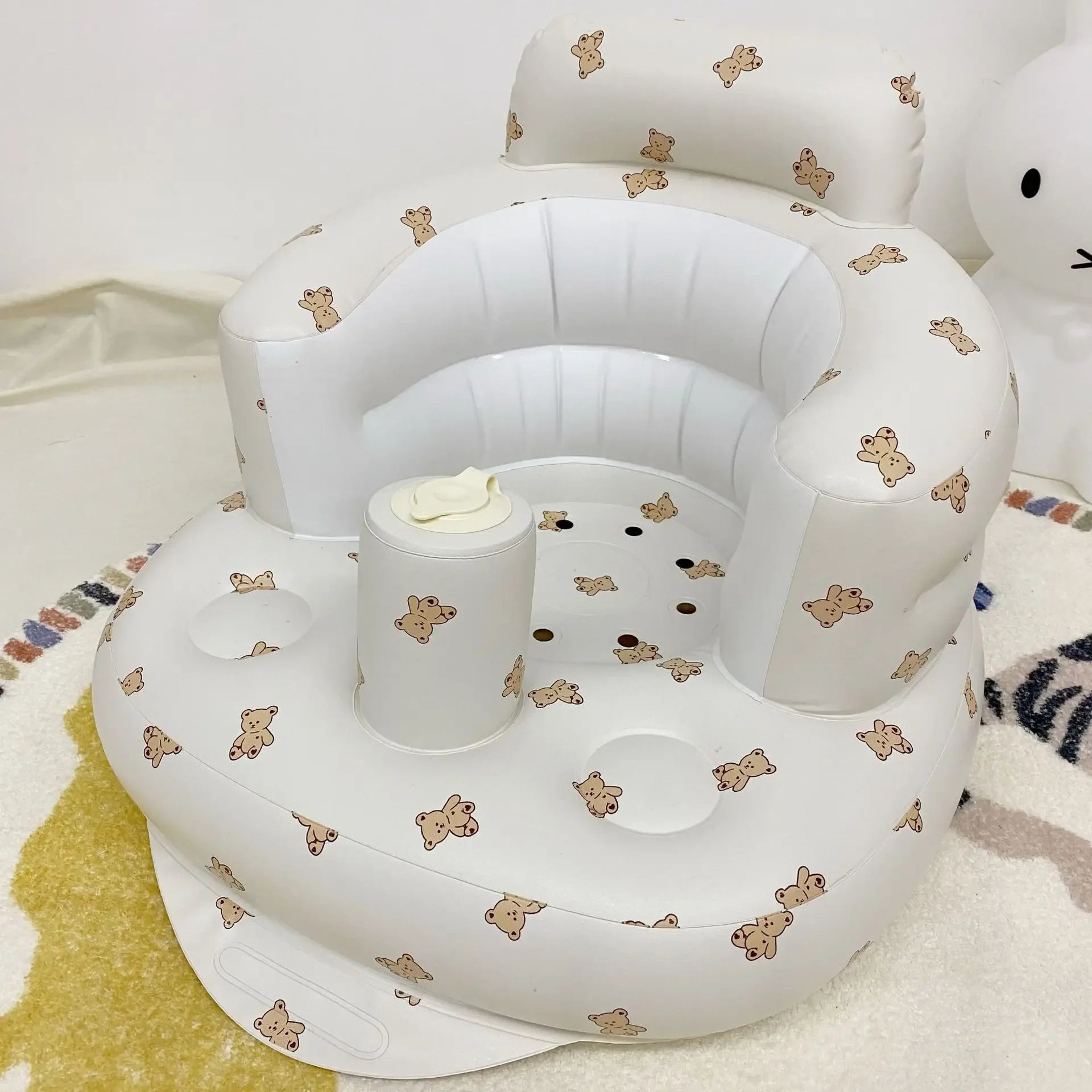
infant body support, sitting developmental milestone — See it in action.
Key Takeaways Before You Practice Sitting
- Wait until your baby shows signs of readiness, including good head control and improving trunk strength.
- Practice on the floor using short, supervised sessions that encourage active movement.
- Use support seats only as a supplement to tummy time and unrestricted floor play.
- Stop practice if your baby becomes tired, fussy, or begins slumping.
- Celebrate gradual progress rather than expecting immediate independent sitting.
- Speak with your pediatrician if you notice loss of previously acquired skills, significant muscle stiffness or floppiness, or concerns about delayed motor development.
Frequently Asked Questions
- When do babies usually sit up without support?
- Many babies begin sitting independently between 6 and 7 months, although some develop this skill a little earlier or later. By 8 to 9 months, most babies can sit steadily, reach for toys, and transition into other positions with greater confidence.
- How can I help my baby sit independently?
- Encourage daily tummy time, supervised floor play, supported sitting, and reaching games that strengthen the neck, shoulders, back, and core. Gradually reduce support as your baby's balance and trunk control improve.
- Can I sit my baby up before they can do it themselves?
- Yes, but only for short, supervised practice sessions when your baby has good head control. Avoid forcing prolonged sitting, and allow plenty of opportunities for natural movement on the floor.
- How much tummy time helps babies learn to sit?
- Several short tummy time sessions spread throughout the day are generally more effective than one long session. As your baby grows stronger, gradually increase the total amount of tummy time while following their comfort level.
- Are baby support seats good for development?
- Support seats can be useful for brief, supervised practice when used appropriately. They should supplement—not replace—tummy time, rolling, reaching, and other active floor-based activities that build sitting strength.
- What are signs my baby is ready to practice sitting?
- Look for consistent head control, stronger neck and trunk muscles, pushing up well during tummy time, interest in sitting upright, and reaching for toys while maintaining balance with support.
- When should I worry if my baby is not sitting yet?
- If your baby is not showing progress toward sitting by around 9 months, loses previously learned motor skills, or has unusually stiff or floppy muscle tone, discuss your concerns with your pediatrician for individualized guidance.
- What muscles help babies learn to sit?
- Sitting depends on coordinated strength in the neck, shoulders, abdominal muscles, back, hips, and trunk. Activities such as tummy time, reaching, rolling, and supported floor play strengthen these muscle groups naturally.
Related Articles:
- Baby Slipping in Hard Chairs? Tips for Safe Sitting at Home
- Cozy Baby Learning Chair Setup: Maximize Comfort and Balance
- Guide to Safe Baby Seating: Tips for Comfortable Sitting
- When Do Babies Roll Over?
- Tummy Time Guide
- Baby Motor Development Milestones
- How to Choose a Baby Play Mat
Pillar Articles:
- Safe Infant Seating Chair for Play: In-Depth Brand Review
- How to Improve Baby Posture: Seating Solutions for Every Need
- Infant Unsupported During Playtime: Key Features for Safety and Comfort
- Upright Infant Seat Reviews: Best Options for Early Sitting Support
Recommended Collections:





