

Does keeping baby seated safely really make everyday routines easier?
Answer: Yes. Keeping baby seated safely helps reduce spills, minimizes the risk of falls, encourages better posture during meals, and allows parents to focus on feeding, cooking, or family time with greater confidence. Using a properly adjusted 3 point harness seat belt , a reliable booster seat with straps , or an age-appropriate adjustable seat belt guide helps keep children secure while supporting healthy sitting habits.
⏱ 8 min read
Keeping Baby Seated Safely: A Complete Guide for Parents
Keeping babies safely seated is about more than preventing messes—it helps create a calmer, more enjoyable routine for the whole family. Whether you're serving meals at home, dining in a restaurant, or visiting relatives, the right seating solution reduces slipping, improves posture, and keeps your little one comfortable. This guide explains how to choose the best equipment, including a 3 point harness seat belt or booster seat with straps , while sharing practical safety tips to make everyday routines easier.
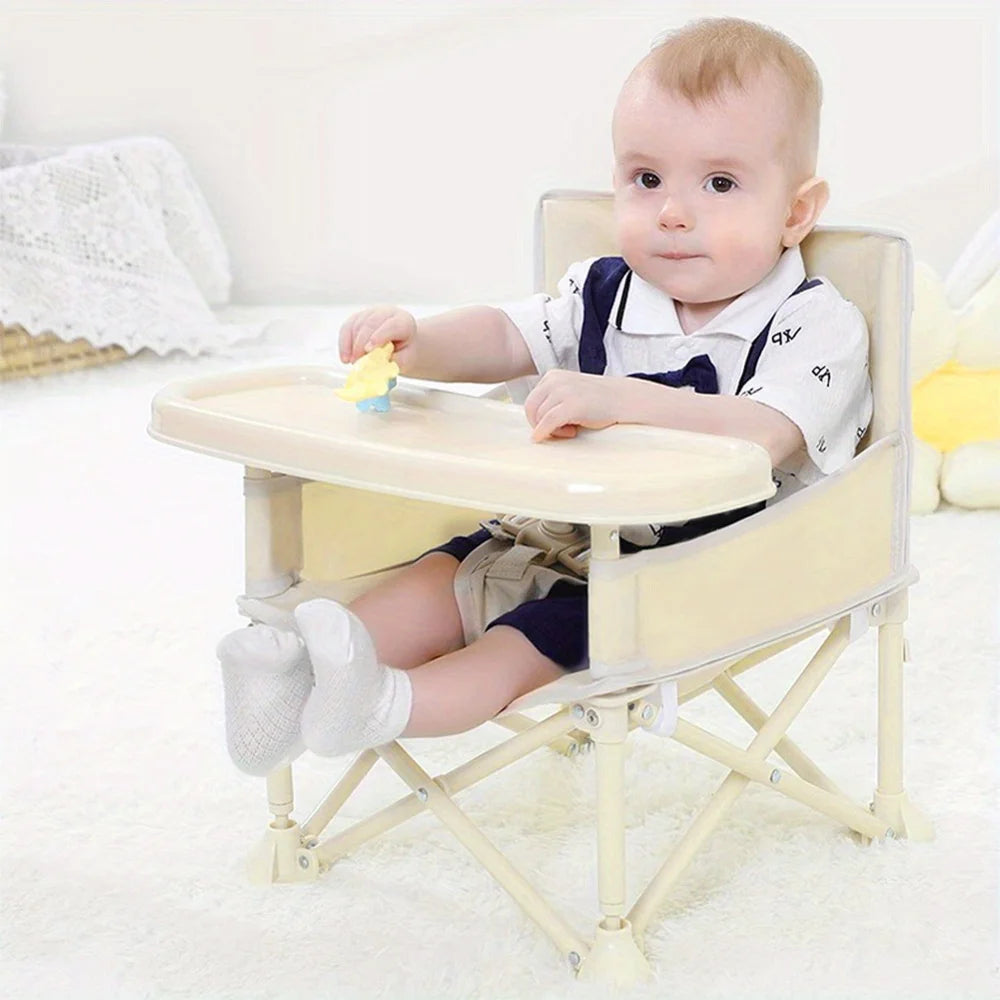
keeping baby seated safely + 3 point harness seat belt — See it in action
Why proper seating matters for baby safety and calm
Babies spend their first years developing balance, core strength, and coordination. A properly fitted seat supports those milestones while reducing unnecessary movement that can lead to spills or falls. Consistent, secure seating also encourages children to remain focused during meals, making feeding sessions more relaxed for both parents and babies.
Good seating habits can also help:
- Reduce the chance of sliding or standing unexpectedly.
- Support proper posture during eating and play.
- Create predictable routines that help babies feel secure.
- Allow caregivers to supervise more comfortably without constant repositioning.
Quick solution — what to do first
- Choose a quality seat with a secure 3 point harness seat belt or integrated safety straps.
- Place the chair on a firm, level surface and confirm it cannot tip or shift.
- Adjust every strap so it fits snugly without twisting.
- Keep small objects and distractions away from the seating area.
- Begin with short supervised sessions before extending seated time during meals.
Gear guide: choose the right seat and accessories
Different families have different routines, so choosing the right seating solution depends on where you'll use it most. A portable booster works well for travel, while a traditional high chair may be ideal for everyday meals at home. The key is selecting equipment that offers secure restraint, stability, and easy maintenance.
Quick benefits summary
- 3 point harness seat belt: Keeps babies securely positioned in many high chairs and feeding seats while reducing forward slipping.
- Booster seat with straps: Raises children to table height, attaches to many dining chairs, and provides convenient portability for travel.
- Adjustable seat belt guide: Helps older children achieve better adult seat belt positioning after they have outgrown infant seating products.
For parents looking for one practical solution that works at home, restaurants, and family visits, the Portable Baby High Chair combines portability with secure attachment straps, making it an excellent option for everyday use.
When to pick each option
| Need | Recommended option | Why it works |
|---|---|---|
| Frequent travel or restaurant meals | Booster seat with straps | Lightweight, portable, and quick to install on compatible dining chairs. |
| Daily meals at home | High chair with built-in 3 point harness seat belt | Provides stable support for regular feeding routines and growing babies. |
| Older toddlers using adult seat belts | Adjustable seat belt guide | Improves seat belt positioning once children meet the manufacturer's size requirements. |
Want more related gear? Check our Feeding & Nursing and Health & Safety collections for complementary items.
How to install and use seats safely (step-by-step)
Correct installation is essential for keeping your child comfortable and secure. Even the best booster seat or high chair performs properly only when it is attached according to the manufacturer's instructions and the harness fits your child correctly. Make it a habit to inspect the seat before every meal or activity.
Installation: 7 simple steps
- Read the manufacturer's instruction manual before the first use and follow all weight and age recommendations.
- Place the seat on a sturdy, level surface or attach it securely to the dining chair exactly as instructed.
- Fasten the 3 point harness seat belt so the straps lie flat against your child's body without twisting.
- Tighten the chair attachment straps until the booster cannot shift during normal use.
- Buckle the harness securely and verify every latch clicks into place before seating your child.
- Confirm your baby is sitting upright with feet and legs positioned comfortably rather than dangling awkwardly.
- Inspect straps, buckles, and attachment points regularly, cleaning them as recommended to maintain reliable performance.
Sizing and fit tips
- Position chest straps flat against the body without folds or twists.
- You should be able to slide two fingers comfortably between the harness and your baby's chest.
- Use manufacturer-approved infant inserts only when recommended for your child's size.
- Re-adjust the harness frequently as your child grows to maintain a snug, supportive fit.
- Stop using a booster seat with straps once your child exceeds the manufacturer's stated height or weight limits.
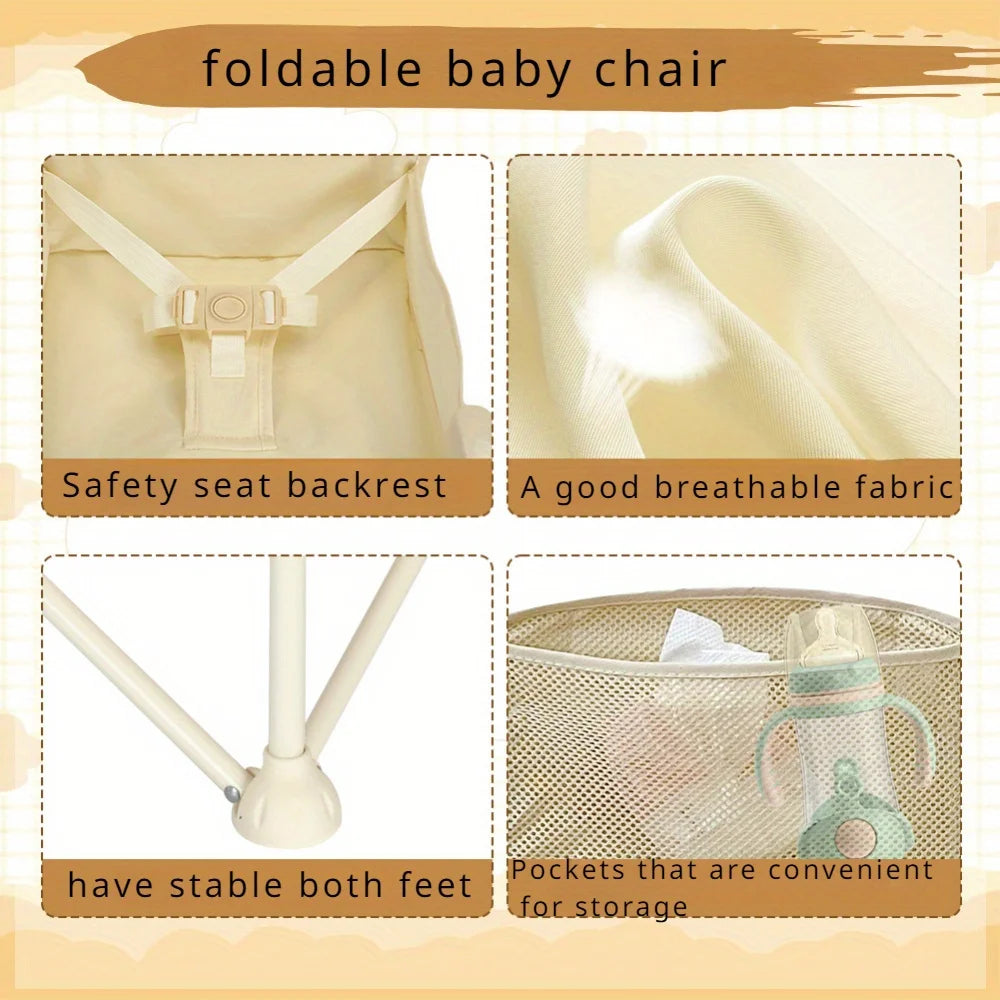
keeping baby seated safely + booster seat with straps — See it in action
Compare options: harness vs booster vs adjustable guides
Every seating solution serves a different stage of development. Choosing the right option depends on your child's size, where you'll use it, and how much portability you need.
| Option | Best For | Advantages | Considerations |
|---|---|---|---|
| 3 point harness seat belt | Daily feeding at home | Excellent forward support, easy to use, secure positioning. | Requires routine cleaning and correct adjustment. |
| Booster seat with straps | Travel, restaurants, family visits | Portable, compact, and adaptable to many dining chairs. | Depends on a stable chair and proper attachment. |
| Adjustable seat belt guide | Older children meeting size requirements | Improves adult seat belt positioning. | Not appropriate for infants or younger toddlers who still require a harness. |
Which fits your routine?
Families who frequently dine away from home often benefit most from a lightweight booster seat with straps because it packs easily and installs quickly on compatible chairs. For everyday meals, a high chair equipped with a properly adjusted 3 point harness seat belt typically offers the greatest stability. Once children are old enough and meet the manufacturer's requirements, an adjustable seat belt guide helps position an adult seat belt correctly during travel.
Troubleshooting: what to do when things go wrong
Even well-designed seating systems can occasionally require adjustments. Most issues are easy to solve with routine maintenance, proper harness positioning, and regular inspection of the seat and attachment points.
- Straps won't tighten: Check for food debris or twisted webbing inside the buckle. Clean the harness according to the manufacturer's instructions and rethread the straps correctly. If the adjustment mechanism still fails, replace the harness assembly if replacement parts are available.
- Baby keeps leaning forward or sideways: Confirm the harness is snug and the seat is appropriate for your child's size. If permitted by the manufacturer, use the recommended infant insert for additional support rather than adding unapproved padding.
- Seat shifts or tips during use: Verify the dining chair has a flat, sturdy base and that every attachment strap is tightened securely. Avoid lightweight folding chairs or unstable seating surfaces.
- Baby refuses to stay seated: Keep sessions short at first, introduce the seat before meals, and use positive encouragement. A consistent routine often helps children become comfortable with sitting calmly.
- Buckles become difficult to latch: Remove crumbs and dried food from the buckle mechanism and inspect it for damage. Never force a buckle closed if it appears worn or cracked.
Mini FAQ
When should I stop using a 3 point harness seat belt?
Always follow the manufacturer's recommended height and weight limits. Once your child exceeds those limits or is ready for the next seating stage, transition to the appropriate product designed for their size and developmental stage.
Are booster seats with straps safe on restaurant chairs?
Yes, provided the booster seat is designed for restaurant use, attaches securely to a sturdy dining chair, and your child remains properly buckled throughout the meal. Avoid unstable chairs, stools, or chairs with narrow bases.
Can I use an adjustable seat belt guide for a toddler at home?
Seat belt guides are intended for older children who have outgrown infant restraint systems and meet the manufacturer's size requirements. Younger babies and toddlers should continue using an appropriate harnessed seat or booster with straps.
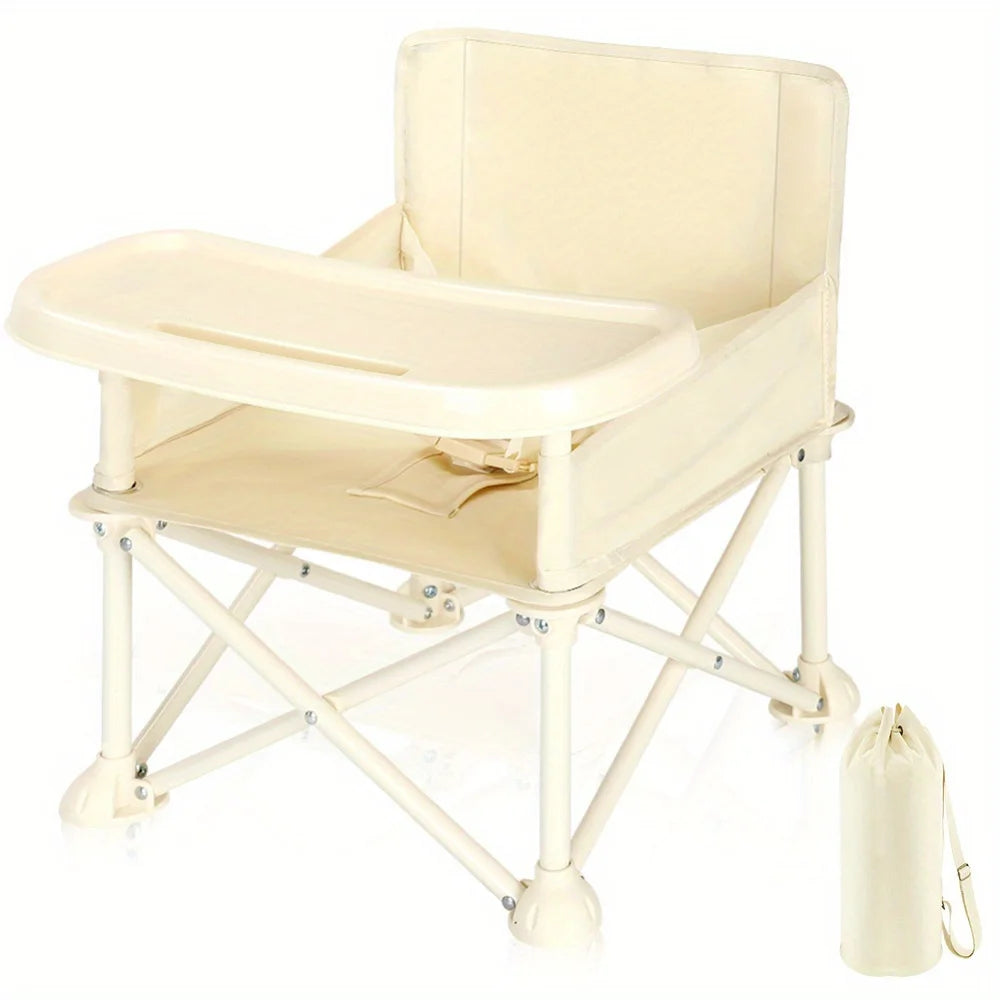
keeping baby seated safely + adjustable seat belt guide — See it in action
Final buying advice
Selecting the right seating solution comes down to your child's size, your family's routines, and the environments where the seat will be used most often. Prioritize products that meet current safety standards, fit your child's height and weight, and can be installed securely every time.
Who should buy which type
| Family need | Recommended choice | Why |
|---|---|---|
| Daily meals at home | High chair with a 3 point harness seat belt | Provides dependable support, stability, and comfortable positioning for everyday feeding. |
| Frequent travel or restaurant dining | Best booster seat with straps for baby | Portable, lightweight, and easy to attach to compatible dining chairs. |
| Families wanting one versatile solution | Portable baby booster seat with straps | Balances convenience, secure restraint, and easy storage between home and travel. |
For parents looking for a practical option that supports both everyday meals and travel, the Portable Baby High Chair offers secure attachment straps, compact portability, and dependable support for growing children.
Related resources: Baby Care Essentials · Feeding & Nursing · Sleep & Comfort
Pillar Article: How to Feed Baby Traveling: Step-by-Step Tips for Easy Meals
Other Related Articles:
- Indoor Outdoor Baby Chair: How to Use Safely in Every Setting
- Foldable Baby Dining Chair: Easy Assembly and Travel Tips
- Travel Booster Seat Baby: How to Set Up for Restaurants and Trips
Explore More:





