

Travel Booster Seat for Baby: Top Picks, Safety Tips, and Travel Essentials (2026)
Feeding your baby away from home can be challenging when restaurants, hotels, or family homes do not have a clean and reliable seating option. A travel booster seat for baby provides a compact solution that helps parents create a safer, more familiar mealtime setup wherever they go. This guide explains what to look for in a baby booster seat for travel, how different options compare, and which features matter most for comfort, portability, and everyday convenience.
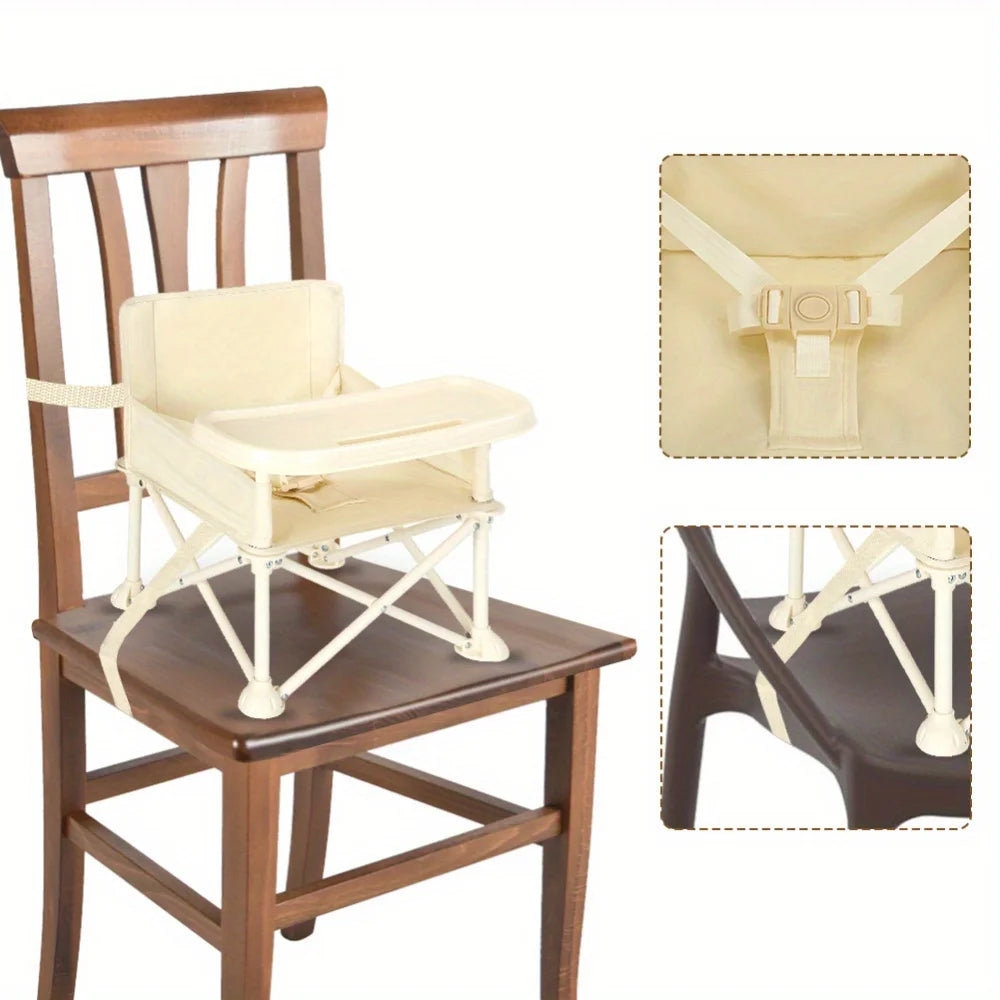
foldable baby dining chair, foldable booster seat for travel, foldable booster seat for table — See it in action
What Is a Travel Booster Seat?
A travel booster seat is a lightweight, portable baby seat designed to attach securely to a suitable adult chair and raise a child to a comfortable dining height. Unlike bulky home high chairs, a baby booster seat for travel focuses on portability, quick storage, and flexible use in restaurants, vacations, and everyday outings.
A quality portable baby seat for dining typically includes:
- Secure attachment straps: Adjustable straps help anchor the booster seat to compatible chairs.
- Safety harness system: A properly fitted harness helps keep babies and toddlers positioned safely during meals.
- Compact folding design: Foldable models are easier to store in cars, luggage, or travel bags.
- Easy-clean surfaces: Wipeable materials make cleanup easier after messy meals.
Who should use one?
A travel booster seat for baby is especially useful for families who regularly eat outside the home or travel with young children. It can be a practical choice for:
- Parents who visit restaurants where high chairs may be unavailable or limited.
- Families staying in hotels, vacation rentals, or relatives' homes.
- Travelers who want a familiar feeding setup without carrying a full-size high chair.
- Toddlers who need extra height at standard dining tables.
Most travel booster seats are designed for babies who can sit upright independently, often around 6 months and older, but parents should always follow the manufacturer's age, height, and weight recommendations before use.
Booster seat vs portable high chair
Although both options help create a convenient feeding space, a travel booster seat and a portable high chair serve different needs. A booster seat is usually smaller and designed to work with an existing chair, while a portable high chair may provide a more independent seating structure.
| Feature | Travel Booster Seat | Portable High Chair |
|---|---|---|
| Best use | Restaurants, family visits, travel meals | Flexible feeding when a chair is unavailable |
| Portability | Very compact and lightweight | Usually larger but still travel-friendly |
| Setup | Attaches to compatible chairs | May stand independently or attach differently |
| Storage | Easy to pack in vehicles or luggage | Requires more storage space |
Best Travel Booster Seats for Baby (2026): Top Picks Compared
The best travel booster seat depends on where and how you plan to use it. Parents who travel frequently may prioritize weight and folding size, while families who mainly visit restaurants may prefer extra padding, stronger straps, and easier cleaning.
Quick comparison table
| Type | Best for | Main advantage | Important features |
|---|---|---|---|
| Best overall travel booster seat | Frequent family outings | Balanced safety, comfort, and portability | Secure straps, easy cleaning, compact fold |
| Best budget baby booster seat for travel | Occasional trips | Affordable everyday convenience | Simple design, reliable harness, lightweight build |
| Best restaurant travel booster seat | Dining away from home | Fast setup in different seating environments | Stable attachment system, comfortable seat support |
| Best inflatable and ultra-light option | Air travel and minimal packing | Maximum portability | Small packed size, easy transport |
Best overall
The best overall travel booster seat for baby offers the right balance between stability, comfort, and portability. Look for a model with adjustable straps, supportive seating, and materials that can handle frequent use.
Best budget
A budget baby booster seat for travel can be a smart choice for occasional trips, grandparents' visits, or families who need a simple backup feeding solution. Prioritize safety features over extra accessories.
Best for restaurants
The best restaurant booster seat should be quick to attach, easy to clean, and compatible with a variety of sturdy dining chairs. A compact design helps parents avoid relying on restaurant-provided high chairs.
Best inflatable and ultra-light options
Inflatable and ultra-light travel booster seats appeal to families who need maximum portability. They can reduce luggage space, but parents should carefully check stability, material quality, and manufacturer safety guidance before use.
How to Set Up a Travel Booster Seat Safely
Using a travel booster seat for baby in a restaurant can make dining away from home easier, but proper installation is essential. A secure setup depends on choosing a compatible chair, positioning the straps correctly, and checking stability before placing your child inside.
How to use a travel booster seat
- Select a stable restaurant chair: Choose a sturdy chair with a firm seat and back support. Avoid chairs with wheels, folding mechanisms, unstable legs, or gaps where a child could slip.
- Place the booster securely: Center the baby booster seat for travel on the adult chair so the base sits flat without overhanging edges.
- Attach the chair straps: Fasten all attachment straps according to the manufacturer's instructions before placing your child in the seat.
- Adjust the harness: Secure the child restraint so it fits comfortably and prevents excessive movement while allowing normal breathing and comfort.
- Perform a stability check: Gently press down on the seat and check that it does not slide, tilt, or wobble.
Booster seat strap placement
Correct booster seat strap placement is one of the most important parts of safe use. Most travel booster seats use straps that secure around the adult chair's seat and backrest. Tighten each strap until the booster feels stable, but avoid over-tightening in a way that changes the chair's position or damages the attachment points.
- Lower strap: Should secure around the adult chair seat to prevent forward movement.
- Upper strap: Should anchor around the chair back when the design includes a back attachment.
- Child harness: Should remain properly adjusted whenever the child is seated.
Restaurant chair safety checklist
- Check chair compatibility: Avoid narrow, curved, slippery, or damaged restaurant chairs.
- Keep the area clear: Position the seat away from walkways where people could bump into it.
- Inspect before every use: Look for loose buckles, worn straps, or damaged parts.
- Stay within reach: Never leave a child unattended in a travel booster seat.
- Reduce mess stress: Pack a compact bib, wipes, and easy-clean feeding accessories.
Which baby gear makes restaurant dining easier?
A portable baby seat for dining works best when paired with practical feeding accessories. Easy-clean plates, spill-resistant mats, and travel-friendly feeding tools can simplify meals outside the home. Browse the Feeding Tools collection for Travel-friendly plates and mats.
Best Travel Scenarios for Portable Booster Seats
A portable booster seat for baby helps families maintain familiar feeding routines during trips, vacations, and everyday outings. Its compact design makes it easier to manage meals without carrying a bulky full-size high chair.
Restaurants
A portable high chair for restaurants gives parents more control when dining spaces have limited baby seating options. A lightweight travel booster seat can be packed in a car, stroller basket, or travel bag and used whenever a suitable chair is available.
- Choose restaurants with sturdy seating that works with your booster model.
- Bring cleaning wipes to remove crumbs or food residue before and after use.
- Pack small feeding essentials together so setup takes less time.
Air travel
For flights, a baby travel feeding chair should prioritize compact storage and low weight. A foldable design can help save luggage space, but parents should always check airline policies before packing baby gear for cabin or checked baggage.
- Store the folded seat in a protective bag when traveling.
- Keep straps secured so they do not tangle with other luggage.
- Confirm destination seating options before deciding what gear to bring.
Road trips
Road trips are one of the most practical uses for a travel booster seat for baby. Instead of relying on different high chairs at every stop, parents can create a familiar feeding space during breaks.
- Keep wipes and a compact bib in an easy-access travel pouch.
- Bring a silicone mat or portable feeding surface for messy stops.
- Allow extra time for setup and cleanup during longer journeys.
Camping & grandparents' house
Portable booster seats are useful for visits where standard baby equipment may not be available. Whether staying with family or spending time outdoors, a compact feeding chair helps create a consistent mealtime routine without taking up much storage space.
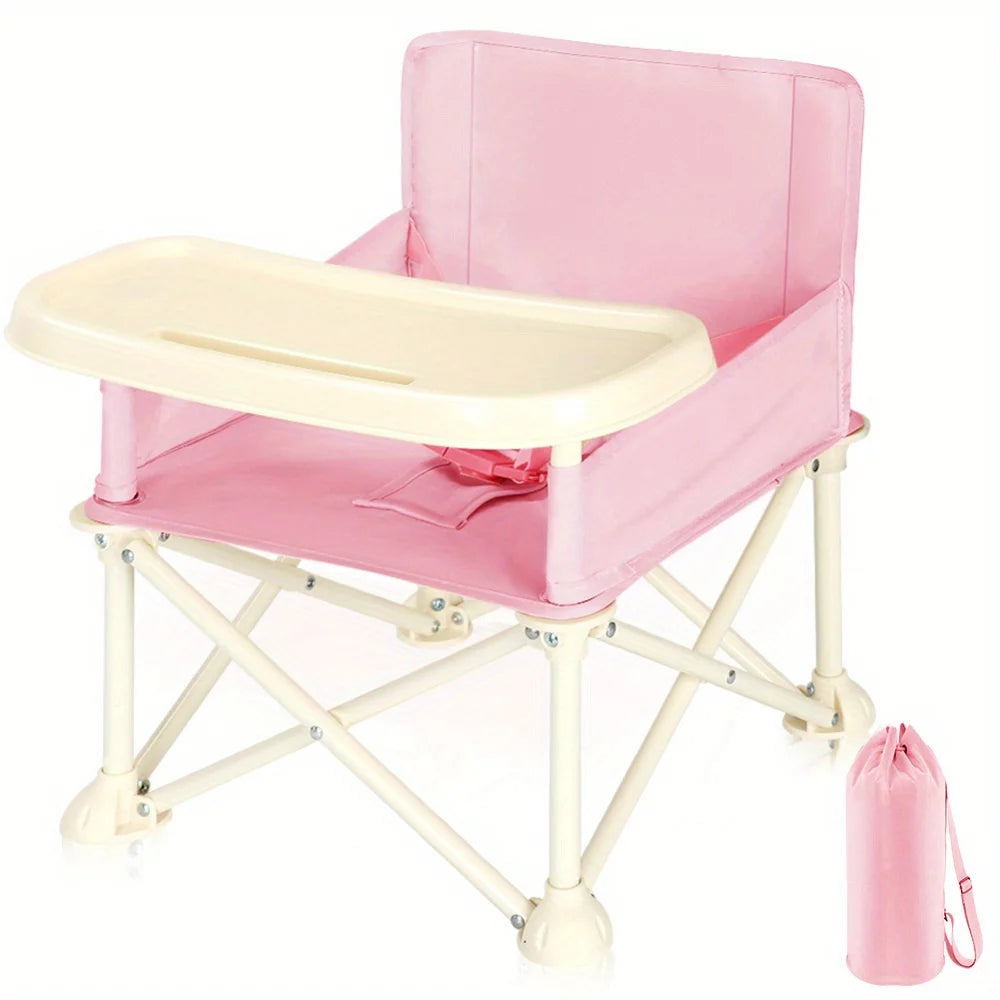
foldable booster seat for table, foldable infant chair — See it in action
Cleaning, Maintenance, and Storage
A portable booster seat for baby is designed for frequent travel, so easy maintenance is an important part of long-term use. Choosing wipeable materials, following cleaning instructions, and storing the seat properly can help keep it comfortable and ready for the next outing.
Machine-washable fabrics
Many travel booster seats include removable covers or washable fabric components that make routine cleaning easier. Before washing, check the manufacturer's care instructions to protect straps, padding, and attachment components.
- Remove crumbs first: Shake out loose food particles before washing or wiping the seat.
- Wash removable covers: Use the recommended cycle and allow fabrics to dry completely before reinstalling.
- Protect straps: Avoid harsh cleaners that may weaken harness materials over time.
Cleaning after restaurant meals
Restaurant meals can leave behind spills, crumbs, and sticky surfaces. A quick cleaning routine after each use helps maintain hygiene while preventing buildup.
- Wipe surfaces immediately: Use a damp cloth or baby-safe cleaner to remove food residue.
- Clean hard-to-reach areas: Check buckle areas and strap connections where crumbs may collect.
- Dry before packing: Allow the seat to air dry before folding it into a travel bag.
For convenient feeding accessories that pair well with a baby booster seat for travel, explore the Feeding Tools collection.
Packing tips
Smart packing keeps a travel booster seat protected and easy to access during trips. A compact organization system can make airport transfers, road stops, and family visits much smoother.
- Use a storage bag: Protect the booster from dirt while carrying it with luggage.
- Keep essentials together: Store wipes, bibs, and feeding accessories in the same travel pouch.
- Fold correctly: Follow the folding design to avoid unnecessary pressure on hinges, straps, or locking parts.
- Store in a dry location: Avoid damp areas that may affect fabric and materials.
Buying Guide: How to Choose the Right Travel Booster Seat
Selecting the right travel booster seat for baby depends on your child's size, your travel habits, and where you plan to use it most. A good choice should balance safety, comfort, portability, and everyday convenience.
Age & weight limits
Always check the recommended age range, weight capacity, and height requirements before purchasing a portable booster seat for baby. Most options are intended for children who can sit upright independently, but limits vary by design.
- Choose a seat that supports your child's current stage of development.
- Check the maximum weight limit before long-term use.
- Follow all harness and seating recommendations from the manufacturer.
Safety certifications
Safety should be the first priority when selecting an infant restaurant seat. Look for strong construction, secure attachment systems, reliable buckles, and products that meet applicable child safety standards in your region.
- Stable attachment: Straps should hold the seat firmly on compatible chairs.
- Secure harness: The restraint system should fit comfortably and stay properly positioned.
- Durable materials: The frame, fabric, and connection points should handle repeated use.
Folded size & weight
For families who travel often, portability matters. A lightweight travel booster seat should fit easily into your packing routine without adding unnecessary bulk.
- Consider how much space it takes in a suitcase, stroller, or vehicle.
- Check whether the folded shape is easy to carry.
- Choose a design that matches your most common travel situations.
Harness and tray options
Additional features can improve comfort and convenience depending on your family's needs. Some parents prefer a simple booster that works with restaurant tables, while others may want extra support from trays or adjustable seating features.
- Adjustable harness: Helps accommodate growing children.
- Removable tray: Can provide a cleaner personal eating surface when available.
- Easy-clean design: Reduces maintenance after messy meals.
For families looking for a compact feeding solution, the portable baby high chair offers a travel-friendly option for meals away from home.
Frequently Asked Questions
What age can a baby use a travel booster seat?
Most babies can use a travel booster seat once they can sit upright independently, often around 6 months, but parents should always follow the product's age, weight, and safety guidelines.
Can I use a travel booster seat in restaurants?
Yes, a travel booster seat can be useful in restaurants when attached to a stable, compatible chair. Always check the chair condition, secure all straps, and use the child harness correctly.
Are travel booster seats allowed on airplanes?
Many travel booster seats are designed for portability and may be packed for air travel, but airline policies vary. Check with your airline before traveling to confirm carry-on or storage requirements.
How do I clean a portable booster seat?
Clean a portable booster seat by removing food debris, wiping surfaces after meals, and washing removable fabrics according to the care instructions. Allow all parts to dry fully before storage.
Can a travel booster replace a home high chair?
A travel booster seat can work well for trips, small spaces, and occasional meals, but some families may still prefer a full high chair for daily home use because of additional features and longer-term comfort.
Buying Guide: How to Choose the Right Travel Booster Seat
Choosing the best travel booster seat for baby depends on where you use it, how often you travel, and what features matter most for your child's comfort and safety. A well-designed portable booster seat for baby should provide reliable support while remaining lightweight enough for restaurants, vacations, and everyday outings.
Age & weight limits
Before purchasing an infant restaurant seat, check the recommended age range, weight capacity, and height requirements. Most travel booster seats are designed for babies who can sit upright independently, but every model has different limits.
- Match the seat to your child's stage: Choose a booster that supports your baby’s current size while allowing room for growth.
- Review weight limits: Never exceed the manufacturer's maximum weight recommendation.
- Check harness requirements: Make sure the restraint system fits securely and comfortably.
Safety certifications
Safety is the most important factor when selecting a travel booster seat. Look for durable construction, secure attachment straps, stable support, and products that follow recognized child safety standards.
- Stable attachment system: The booster should stay firmly connected to compatible chairs without shifting.
- Secure child restraint: A properly adjusted harness helps keep your child positioned safely during meals.
- Quality materials: Strong buckles, reinforced straps, and durable fabrics improve long-term reliability.
Folded size & weight
Portability is a major reason families choose a travel booster seat for baby. A compact design makes it easier to carry through airports, store in vehicles, or pack for weekend trips.
- Measure storage space: Consider whether the folded seat fits your luggage, stroller basket, or car storage area.
- Check carrying weight: Lightweight designs are easier for frequent travel.
- Consider your routine: Families who travel often may benefit from smaller, faster-packing options.
Harness and tray options
Additional features can improve comfort and convenience depending on your family's needs. Some parents prefer a simple booster seat that works with restaurant tables, while others may prefer added support from trays or adjustable seating features.
- Adjustable harness: Helps provide a more secure fit as your child grows.
- Removable tray: Creates a dedicated eating surface when available.
- Easy-clean design: Makes cleanup simpler after snacks and meals away from home.
For families comparing feeding solutions, explore related guides such as a portable high chair buying guide , high chair safety checklist , and practical ideas for baby feeding essentials for travel .
Wrap-up: Choosing a Practical Travel Feeding Solution
A travel booster seat for baby can make meals away from home easier by reducing bulky gear while creating a familiar seating setup for your child. The right choice combines secure straps, comfortable support, easy-clean materials, and a portable design that fits your family's lifestyle. Before every trip, check weight limits, inspect attachment points, and confirm that the seating environment is safe for use.
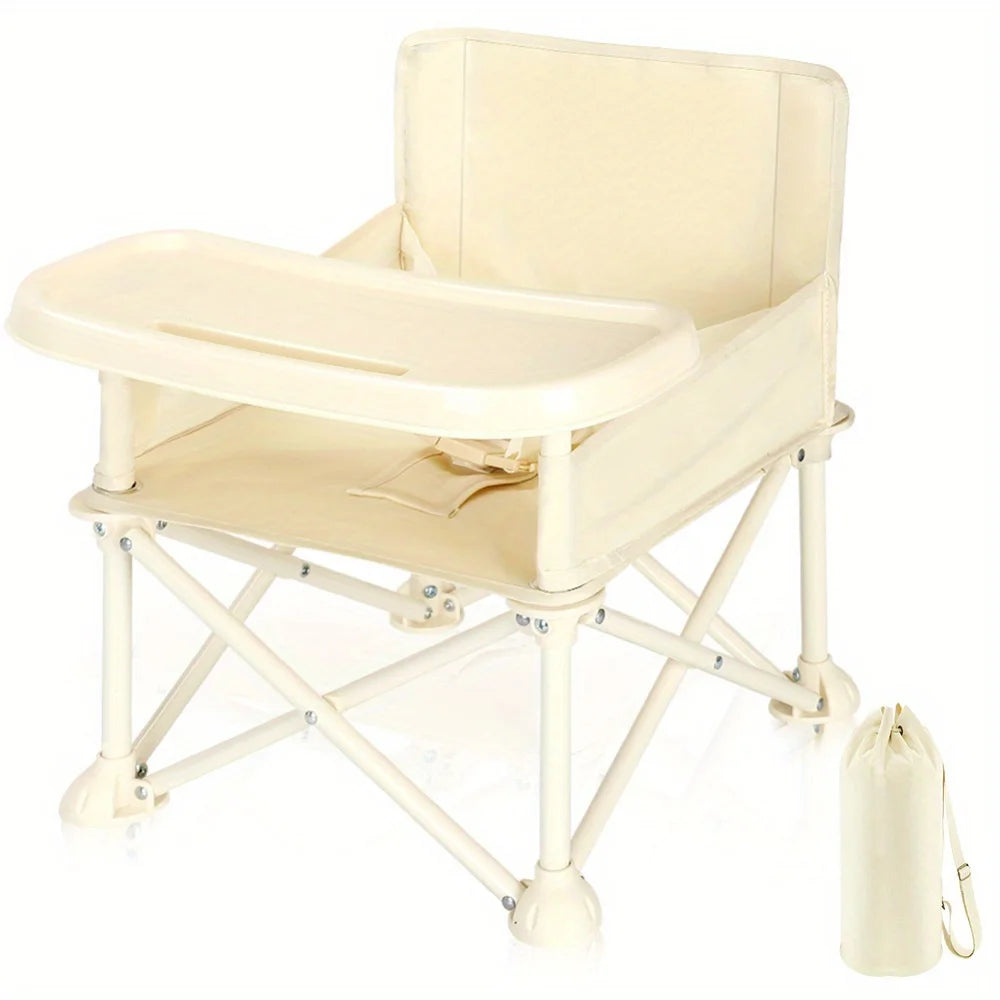
foldable baby dining chair, foldable booster seat for table — See it in action
Helpful next steps: compare travel features, review safety recommendations, and choose feeding accessories that make outings more convenient. For additional baby care solutions, browse Baby Care Essentials or explore travel-ready products from Mobility & Training .
Frequently Asked Questions (schema-ready)
What is the best travel booster seat for baby?
The best travel booster seat depends on your needs, but look for a model with secure straps, comfortable seating, easy cleaning, and a lightweight design that fits your travel routine.
At what age can a baby use a travel booster seat?
Most babies can use a travel booster seat once they can sit upright independently, often around 6 months. Always follow the manufacturer's age, weight, and safety recommendations.
How do you secure a travel booster seat to a restaurant chair?
Place the booster on a stable chair, attach all seat straps according to the instructions, tighten the connections, and check that the booster does not move before placing your child inside.
Can I take a travel booster seat on an airplane?
Many travel booster seats are designed for portability and can be packed for trips, but airline policies differ. Check your airline's current baggage and carry-on requirements before traveling.
What is the difference between a travel booster seat and a portable high chair?
A travel booster seat attaches to a suitable adult chair and focuses on compact portability, while a portable high chair may provide a more independent seating structure for situations without available chairs.
Are inflatable travel booster seats safe?
Inflatable travel booster seats can be convenient when used according to the manufacturer's instructions, but parents should check stability, material quality, and compatibility before use.
How do I clean a portable booster seat after travel?
Remove food debris, wipe surfaces after meals, clean removable fabrics according to care instructions, and allow all parts to dry fully before storage.
What weight limit should I look for in a travel booster seat?
Choose a travel booster seat that meets or exceeds your child's current weight requirements and always follow the manufacturer's stated maximum weight limit.
Pillar Article: How to Feed Baby Traveling: Step-by-Step Tips for Easy Meals
Other Related Articles:
- Indoor Outdoor Baby Chair: How to Use Safely in Every Setting
- Foldable Baby Dining Chair: Easy Assembly and Travel Tips
- Keeping Baby Seated Safely: A Complete Guide for Parents
Explore More:


