

Does make bath time fun really work for shy toddlers who resist water play?
Answer: Yes — learning how to make bath time fun for toddlers can help even shy children who resist water play. Gentle routines, simple bath toys diy ideas, and calming water sensory toys encourage gradual exposure without pressure. By keeping each bath predictable, playful, and child-led, many toddlers gain confidence, develop important sensory skills, and begin looking forward to bath time.
⏱ 9 min read
Make Bath Time Fun for Shy Toddlers Who Resist Water Play
If you're wondering how to make bath time fun for toddlers who hesitate around water, you're not alone. Many children experience a stage where splashing, unfamiliar sounds, or changing routines feel overwhelming. This guide explains how to help toddler enjoy bath time through gentle routines, bath toys diy ideas, and water sensory toys that build trust at a comfortable pace. You'll also discover practical activities, age-appropriate strategies, and confidence-building techniques that make every bath feel safer and more enjoyable.
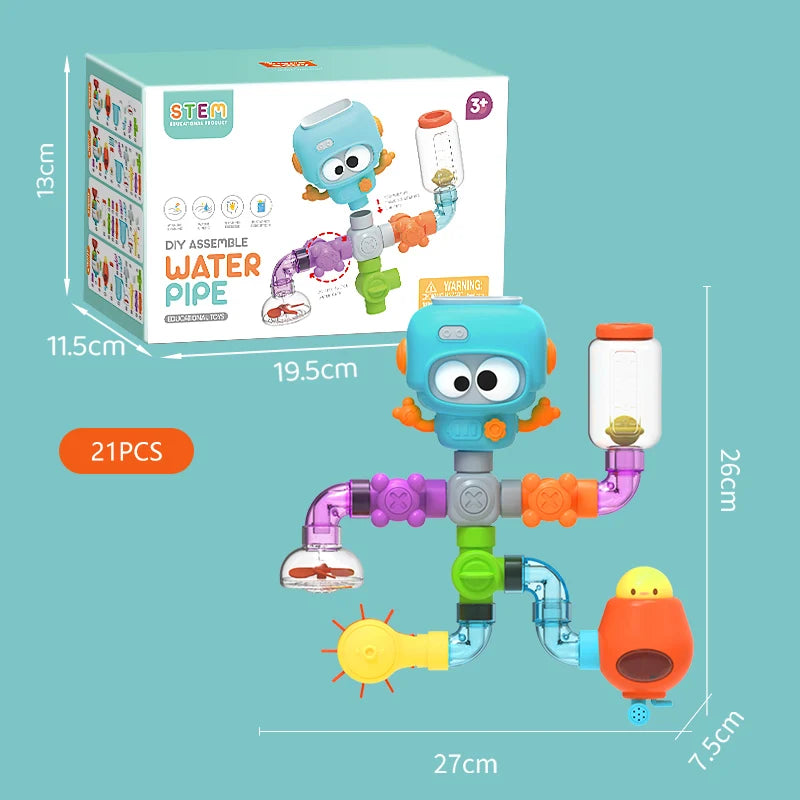
make bath time fun, bath toys diy, bath sensory toys — See it in action.
Why toddlers resist bath time and how to respond
Toddler bath time struggles are surprisingly common. A child who happily enjoyed baths a few weeks ago may suddenly become hesitant because of developmental changes, sensory preferences, or a desire for greater independence. In most cases, bath time resistance is temporary and can be eased with patience rather than pressure.
Common toddler bath time struggles
Bath time resistance toddler behavior may appear in several ways. Some children refuse to enter the tub, while others become upset once water touches their skin. Common reasons include:
- Fear of unexpected splashes or water on the face.
- Discomfort from water that feels too warm or too cool.
- Changes in bedtime routines or unfamiliar bathrooms.
- A growing desire to stay in control of daily activities.
- Negative memories from slipping, shampoo in the eyes, or loud bath toys.
How to recognize fear vs sensory sensitivity
Understanding your child's reaction helps you choose the right approach. A fearful toddler may cling to a parent, cry before entering the bathroom, or worry about getting wet. A sensory-sensitive toddler may dislike certain sounds, textures, or the feeling of water moving across the skin.
Watch for cues such as tight shoulders, stepping away from the tub, covering the ears, refusing to touch the water, or becoming distressed when splashing begins. These behaviors are signs that your toddler needs slower, predictable exposure—not forcing or rushing through bath time.
Instead of focusing on completing the bath quickly, aim to make each experience calm and positive. Even small successes, like touching the water with a fingertip or pouring from a cup, help build confidence for future baths.
Quick solution: a gentle plan that works
Short answer (40–60 words): If you're looking for how to help toddler enjoy bath time, begin with short, calm introductions to water using familiar toys, warm temperatures, and predictable routines. Allow your child to explore at their own pace, praise curiosity instead of speed, and celebrate every small success. Consistency helps transform bath time from stressful to enjoyable.
Which step to try first?
- Begin with 2–3 minutes of water exploration at the sink before moving to the bathtub.
- Introduce one sensory toy at a time instead of several new activities.
- Let your toddler control simple pouring and scooping actions.
- Praise curiosity, participation, and effort instead of expecting immediate confidence.
Easy bath toys diy and water sensory toys that encourage exploration
Simple sensory bath play ideas often work better than expensive toy collections. DIY bath toys allow toddlers to explore water through slow, predictable activities while giving parents flexibility to match their child's comfort level. The goal is not entertainment alone—it is helping children associate bath time with safety, curiosity, and success.
4 simple bath toys diy ideas
- Floating cup set: Create gentle pouring games with lightweight plastic cups that have small drainage holes for slow, calming water flow.
- Water pipe play: Attach soft tubing to a small funnel (see the approved product later in this article) to let toddlers safely control how water moves.
- Texture paddles: Cover paddles with soft foam or silicone materials so children can explore different textures while staying relaxed.
- Sound bottles: Fill securely sealed bottles with water or large colorful beads to create quiet, predictable sounds during supervised play.
Each activity encourages gentle sensory exploration while allowing toddlers to choose when to pour, scoop, squeeze, or observe. That sense of control often reduces anxiety and gradually increases confidence around water.
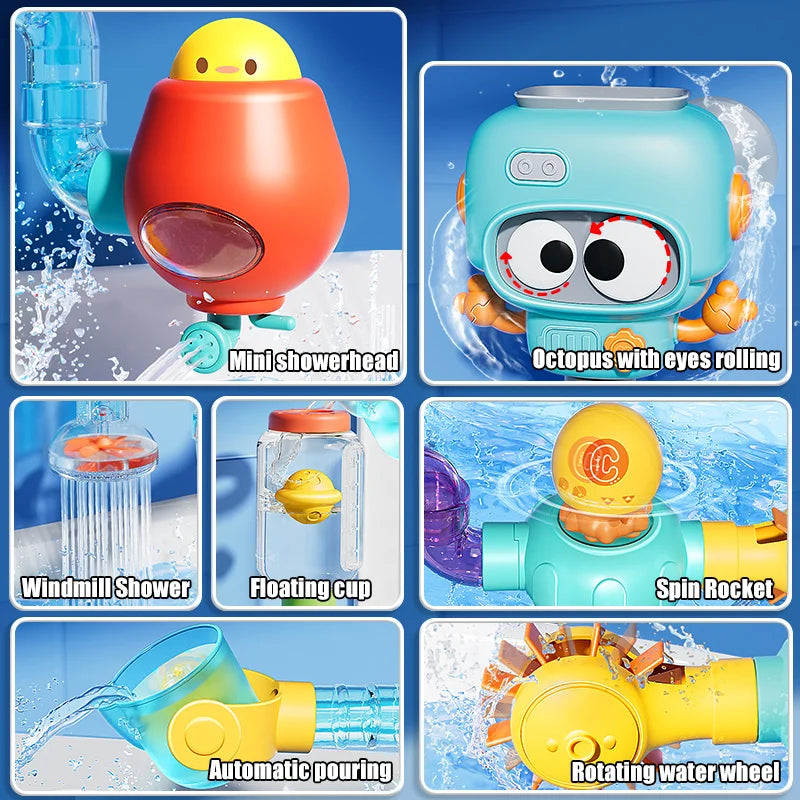
bath toys diy, water sensory toys — See it in action.
A simple step-by-step routine to help toddlers enjoy bath time
A consistent routine helps toddlers feel secure because they know what will happen next. Predictable bath time reduces anxiety, encourages cooperation, and makes it easier to build positive associations with water. Keep each bath short, calm, and focused on enjoyment rather than completing every step perfectly.
Which step to try first?
If your toddler still feels uncertain, begin before entering the bathtub. Let them interact with water in a low-pressure setting, such as washing a toy at the sink or pouring water between cups. Once this feels comfortable, gradually move the activity to the tub.
6-step bath routine
- Warm the room: Create a comfortable environment so your child isn't distracted by feeling cold.
- Start with familiar play: Invite your toddler to bring a favorite waterproof toy to the edge of the tub.
- Introduce water slowly: Offer a floating cup, washcloth, or scoop so your child controls the first interaction.
- Encourage simple water play: Practice pouring, filling, and emptying containers while allowing your toddler to choose the pace.
- Add music or storytelling: Sing a favorite song, count floating toys, or tell a simple story to keep attention focused on play.
- Finish with a positive routine: Wrap your child in a warm towel, praise their effort, and follow the same bedtime sequence each evening.
Parent checklist
- Prepare towels, soap, and clean clothes before bath time begins.
- Check water temperature before your toddler enters the tub.
- Allow your child to make small choices, such as selecting a toy or cup.
- Keep sessions brief if your toddler is still building confidence.
- Celebrate progress without comparing your child to others.
Helpful products and guidance are available in our Baby Bath Accessories and Sensory Toys collections to support calm, engaging bath routines.
Bath safety tips every parent should follow
Making bath time enjoyable should never come at the expense of safety. A few simple precautions allow toddlers to explore water confidently while giving parents peace of mind.
Safety checklist
- Never leave a toddler unattended in or near water, even for a few seconds.
- Keep bath water around 37–38°C (99–100°F) and verify the temperature with a thermometer from Temperature Tools .
- Use a non-slip bath mat to reduce the risk of slipping.
- Keep soap, shampoo, and towels within easy reach before bath time begins.
- Choose age-appropriate bath toys and inspect them regularly for damage or mold.
What to avoid
- Overfilling the bathtub.
- Using toys with loose or broken parts.
- Allowing electrical devices near the bathtub.
- Rushing a toddler who is still learning to feel comfortable around water.
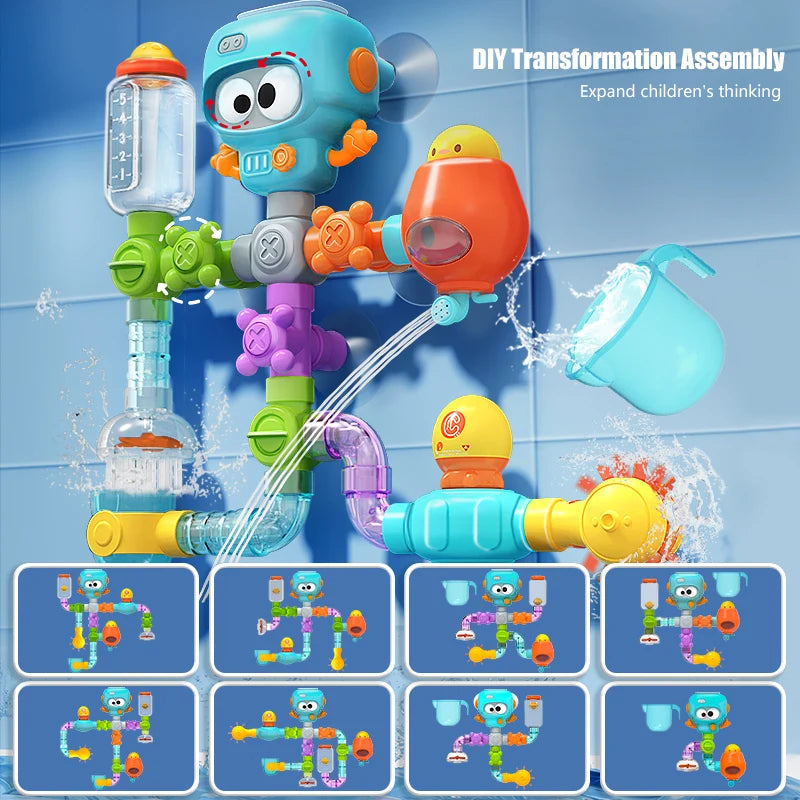
water sensory toys, bath sensory toys, bath toys diy — See it in action.
Tracking progress when your toddler starts enjoying baths
Progress usually happens gradually rather than all at once. Instead of measuring success by the length of a bath, focus on small milestones that show growing confidence. Recording these improvements helps parents stay consistent and adjust routines as needed.
- Comfortably approaching the bathtub.
- Touching or splashing water without hesitation.
- Playing with cups, scoops, or sensory toys independently.
- Sitting calmly in shallow water.
- Participating in the complete bath routine with minimal encouragement.
Many families notice meaningful improvements after several weeks of consistent, positive experiences. Celebrate each achievement, repeat successful activities, and keep expectations realistic so your toddler continues to associate bath time with fun and security.
For families looking to expand sensory play, the Buy the baby bath toys diy water pipe offers a simple way to encourage controlled pouring, cause-and-effect learning, and gentle water exploration during supervised bath time.
Frequently asked questions
- How do I make bath time fun for a toddler who hates baths?
- Start with short, playful sessions using familiar toys, songs, and gentle water activities. Allow your toddler to control simple pouring and scooping games so they gain confidence at their own pace.
- Why is my toddler suddenly resisting bath time?
- Changes in development, sensory preferences, routine disruptions, or a previous negative experience can all contribute to temporary bath resistance. Staying calm and maintaining a predictable routine often helps.
- What are the best sensory bath play ideas for toddlers?
- Floating cups, pouring games, soft washcloths, foam letters, bubbles, and simple bath toys diy activities provide gentle sensory experiences without overwhelming cautious children.
- How long should toddler bath time last?
- For most toddlers, 10–15 minutes is enough for cleaning and play. Children who are building confidence may benefit from shorter sessions that end on a positive note.
- Which bath toys help shy toddlers feel comfortable?
- Toys that encourage slow pouring, scooping, floating, and predictable water movement are often easier for shy toddlers than noisy or fast-moving toys.
- What should I avoid if my toddler is afraid of baths?
- Avoid forcing your child into the tub, sudden splashing, overly hot or cold water, and introducing too many new toys at once.
- Can water play improve toddler development?
- Yes. Supervised water play supports fine motor skills, hand-eye coordination, sensory processing, problem-solving, and early cause-and-effect learning.
- How do I create a consistent bath-time routine?
- Use the same sequence each evening, keep bath supplies ready, include one or two familiar activities, and finish with a calming bedtime routine to help your toddler know what to expect.
Final thoughts
Learning how to make bath time fun for toddlers is rarely about finding a single perfect toy or activity. Instead, success comes from consistency, patience, and creating a safe routine where your child feels comfortable exploring at their own pace. Small moments of progress—whether it's touching the water, pouring from a cup, or smiling during a favorite bath song—build confidence that lasts well beyond bath time.
Play-based learning encourages toddlers to develop fine motor skills, problem-solving abilities, sensory awareness, and independence while strengthening the parent-child connection. By keeping routines predictable, using gentle sensory activities, and responding to your toddler's individual comfort level, bath time can become a positive part of your family's daily rhythm.
Continue supporting your child's progress with helpful collections such as Sensory Toys , Baby Bath Accessories , and Baby Care Tips & Advice .
Pillar Article: Bath Toys for Three Year Olds Review: Which Sets Truly Last
Other Related Articles:
Explore More:





