

Does choosing the right bath toys infant really make bath time safer and more fun?
Yes. Choosing the right bath toys infant options can make bath time both safer and more enjoyable. Well-designed toys encourage water confidence, support early sensory development, and introduce simple cause-and-effect learning through gentle pouring, floating, and tactile exploration. The safest choices are made from non-toxic materials, are easy to clean, and contain no small detachable parts, allowing babies to enjoy age-appropriate play while growing into more interactive toys for toddlers.
⏱ 7 min read
Bath Toys Infant Compare Guide: Gentle, Safe Picks for New Bathers
The best bath toys infant families choose do more than entertain. They help babies become comfortable around water, strengthen early motor skills, and turn everyday baths into positive bonding experiences. This guide explains what makes a bath toy safe, why age-appropriate designs matter, and how to choose options that remain engaging from infancy through the toddler years without compromising hygiene or safety.
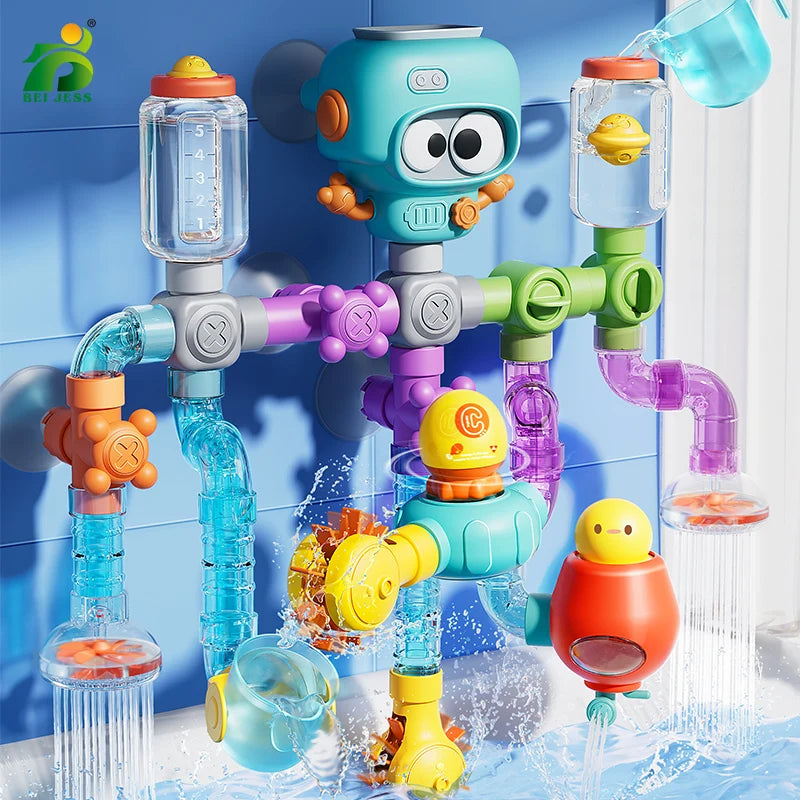
bath toys infant, infant water play ideas — See it in action.
Curious which soft, non-toxic options help build water confidence? Baby Bath Accessories has gentle picks to start with.
Why the right toys matter for newborns and babies
Bath time introduces babies to new sounds, temperatures, textures, and movement. Carefully selected bath toys infant products help make those experiences enjoyable instead of overwhelming. Toys that are soft, lightweight, and simple to grasp encourage curiosity while supporting developing hand-eye coordination and sensory exploration.
Parents also benefit from choosing high-quality bath toys. Easy-to-clean designs reduce concerns about trapped water and mold, while larger one-piece toys minimize choking risks and make supervision easier throughout every stage of development.
Common parenting pain points during bath time
- Concerns about mold growing inside water-filled toys.
- Babies becoming startled or overstimulated by splashing and loud toys.
- Hard plastic toys that are uncomfortable for teething babies to hold.
- Buying toys that quickly become unsuitable as a child grows.
- Keeping bath toys clean, organized, and ready for everyday use.
How to choose: simple checklist
Selecting safe, durable bath toys is easier when you focus on a few essential features. Before purchasing a new toy, use the checklist below to make sure it supports both your baby's development and everyday bath safety.
- Choose safe materials. Look for BPA-free silicone or high-quality sealed ABS plastic that is free from sharp edges and hidden water cavities.
- Pick an age-appropriate size. Toys should be large enough to prevent choking, lightweight enough for little hands to hold, and comfortable to grasp.
- Prioritize easy cleaning. One-piece or no-hole designs are easier to rinse, dry, and keep free from mold and mildew.
- Match your baby's developmental stage. Simple floating or textured toys suit younger infants, while pouring and water-flow toys become more engaging as coordination improves.
- Look for lasting value. Versatile toys that remain enjoyable through toddlerhood reduce unnecessary replacements and encourage continued learning.
Best picks by use-case
For calming nervous babies
Babies who are still adjusting to bath time often respond best to soft silicone animals, floating toys, or gentle squeeze toys that create minimal splashing. Quiet textures and predictable movement help build confidence without overwhelming sensitive infants.
For little learners who love cause-and-effect
As babies become more interested in reaching, pouring, and watching water move, a sealed bath pipe toy introduces simple cause-and-effect play. Filling a cup, observing water flow through channels, and repeating the activity encourages early problem-solving while strengthening hand-eye coordination.
For longer play sessions (grows into toddlerhood)
Stacking cups, modular water toys, and multipurpose bath sets continue to offer new ways to play as children develop. Many can also be used outside the bath for sensory activities, imaginative play, or water tables, providing excellent long-term value for growing families.
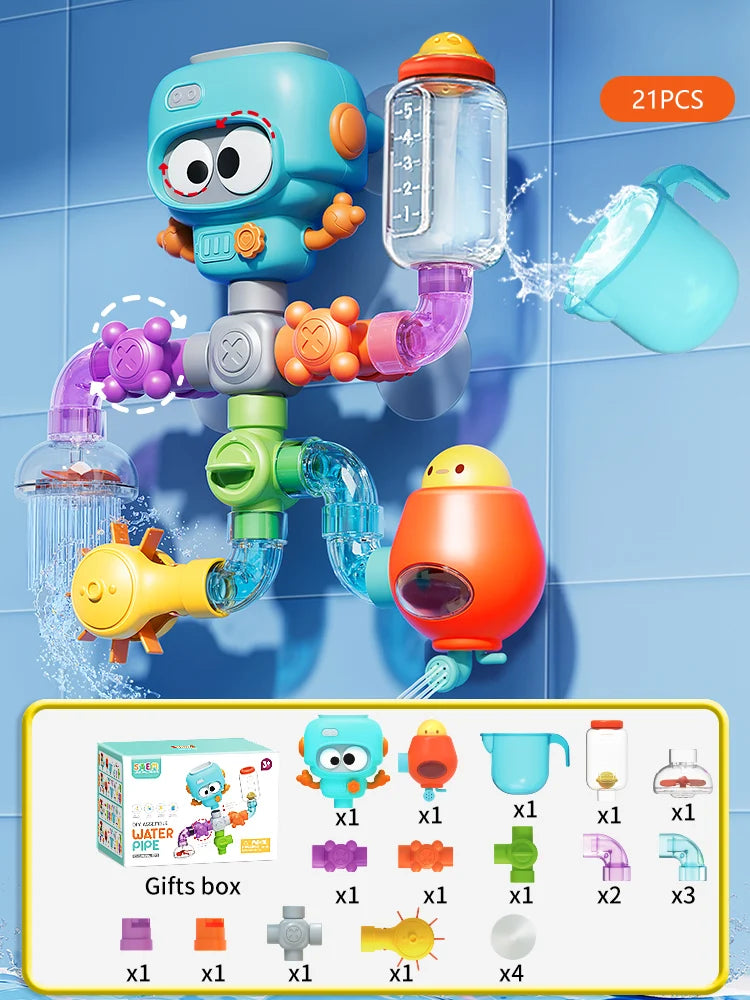
infant water play ideas, bath pipe toys — See it in action.
Need a quick guide? Check practical options in Sensory Toys and compare materials, sensory features, and cleaning tips.
Safety, cleaning, and storage
Keeping bath toys clean is just as important as choosing age-appropriate designs. Good cleaning habits help reduce mold growth, extend the life of your baby's toys, and support a healthier bath environment.
- Choose sealed or one-piece toys whenever possible: Hollow toys can trap water inside, creating conditions where mold and bacteria may grow.
- Rinse after every bath: Wash away soap residue, then shake off excess water before placing toys in a well-ventilated area to dry completely.
- Allow thorough air-drying: Store toys in a mesh organizer or open basket so air can circulate freely rather than leaving them in a damp bathtub.
- Deep clean regularly: Follow the manufacturer's cleaning instructions. Many dishwasher-safe toys can be cleaned on the top rack, while others can be sanitized using a mild bleach solution (1 tablespoon bleach per gallon of water), followed by a thorough rinse and complete drying.
- Inspect for wear: Replace toys that develop cracks, tears, discoloration, peeling surfaces, or signs of persistent mildew.
Temperature and monitoring
Safe bath play always begins with a comfortable water temperature and active adult supervision. Test the bath using a thermometer or your inner wrist before placing your baby in the tub, and never leave infants unattended, even for a few seconds. Helpful accessories from Temperature Tools and Monitoring Devices can provide additional peace of mind during bath time.
For parents looking for a modular option that combines sensory play with an easy-to-clean design, the Baby Bath Toys DIY Water Pipe features sealed water-flow components that encourage interactive play while helping simplify everyday cleaning and maintenance.
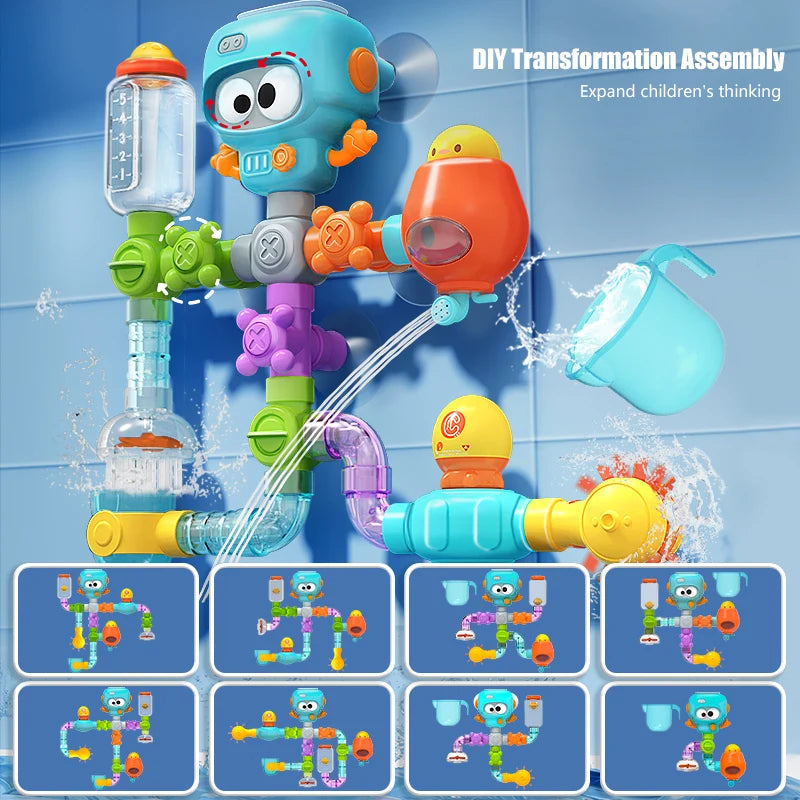
bath toys for three year olds, infant water play ideas — See it in action.
Looking for a sealed, easy-to-clean water toy that supports sensory learning from infancy into the toddler years? Explore the DIY Water Pipe option here .
Frequently asked questions
-
Can newborns use bath toys?
During the newborn stage, the focus should be on safe bathing and parent-child bonding rather than play. Most newborns benefit from a calm bath routine without toys. Once babies begin reaching, grasping, and showing interest in their surroundings—typically around 3 to 6 months—simple, age-appropriate bath toys can be introduced under constant supervision.
-
What age can babies use bath toys safely?
Many babies are ready for their first bath toys between 3 and 6 months of age. Choose large, lightweight toys made from non-toxic materials that are easy to grip and free from detachable small parts.
-
When should I introduce bath toys to my baby?
Introduce bath toys once your baby has improved head and neck control, enjoys bath time, and begins reaching for objects. Start with one or two simple toys before adding more interactive options as motor skills develop.
-
What are the safest bath toys for infants?
One-piece silicone toys, sealed floating toys, and easy-to-clean pouring cups are among the safest choices. Look for BPA-free materials, smooth edges, and designs that do not trap water inside.
-
How do I prevent mold inside bath toys?
Choose sealed or no-hole bath toys whenever possible. Rinse toys after each bath, allow them to dry completely in a well-ventilated area, and clean them regularly according to the manufacturer's instructions.
-
How often should bath toys be cleaned?
Rinse and dry toys after every use, inspect them weekly for damage or trapped moisture, and perform a more thorough cleaning on a regular schedule based on how often they are used.
-
Which bath toys are choking hazards?
Avoid toys with detachable pieces, loose accessories, damaged components, or parts that fit entirely inside a small child's mouth. Always follow the manufacturer's recommended age guidelines.
-
When should I replace baby bath toys?
Replace toys immediately if they crack, tear, become permanently discolored, develop mold that cannot be removed, or show signs of wear that could affect safety.
Pillar Article: Bath Toys for 1 Year Olds Compared: Safest, Funniest Picks
Other Related Articles:
- Bath Toys Mold Free Test: The Best Hygienic Options Ranked
- Bath Toys Light Up Review: Safe Glow Options Kids Love
- Play in Bath Toy Roundup: Top Picks That Stop Toddler Boredom
- Cool Bathtub Toys Review: Which Ones Keep Kids Playing Longest
Explore More:





