

Does "bath toys mold free" really keep bath time hygienic?
Answer: Yes—choosing bath toys designed to resist trapped moisture can significantly reduce mold growth. The best bath toys mold free designs, including sealed silicone toys, open-drain pipe systems, and other non-porous sensory toys, dry faster, are easier to clean, and help create a more hygienic bath environment for babies and toddlers. While no toy is completely maintenance-free, selecting the right design and following a simple drying routine greatly lowers the risk of hidden mold.
⏱ 8 min read
Bath Toys Mold Free Test: The Best Hygienic Options Ranked
Hidden mold inside bath toys is one of the biggest concerns parents have during bath time. Traditional squeeze toys often trap water, creating a damp environment where mold and bacteria can develop out of sight. In this guide, you'll discover which mold-resistant bath toys are genuinely worth buying, how different materials compare, and what features make cleaning easier. We'll also explain why open-drain bathtub pipe toys and non-porous sensory toys are becoming popular alternatives for families who want safer, lower-maintenance bath play.
Want a bath toy that's easier to clean and dries quickly? Compare open-drain pipe systems with sealed silicone designs to see which best matches your family's bath routine.
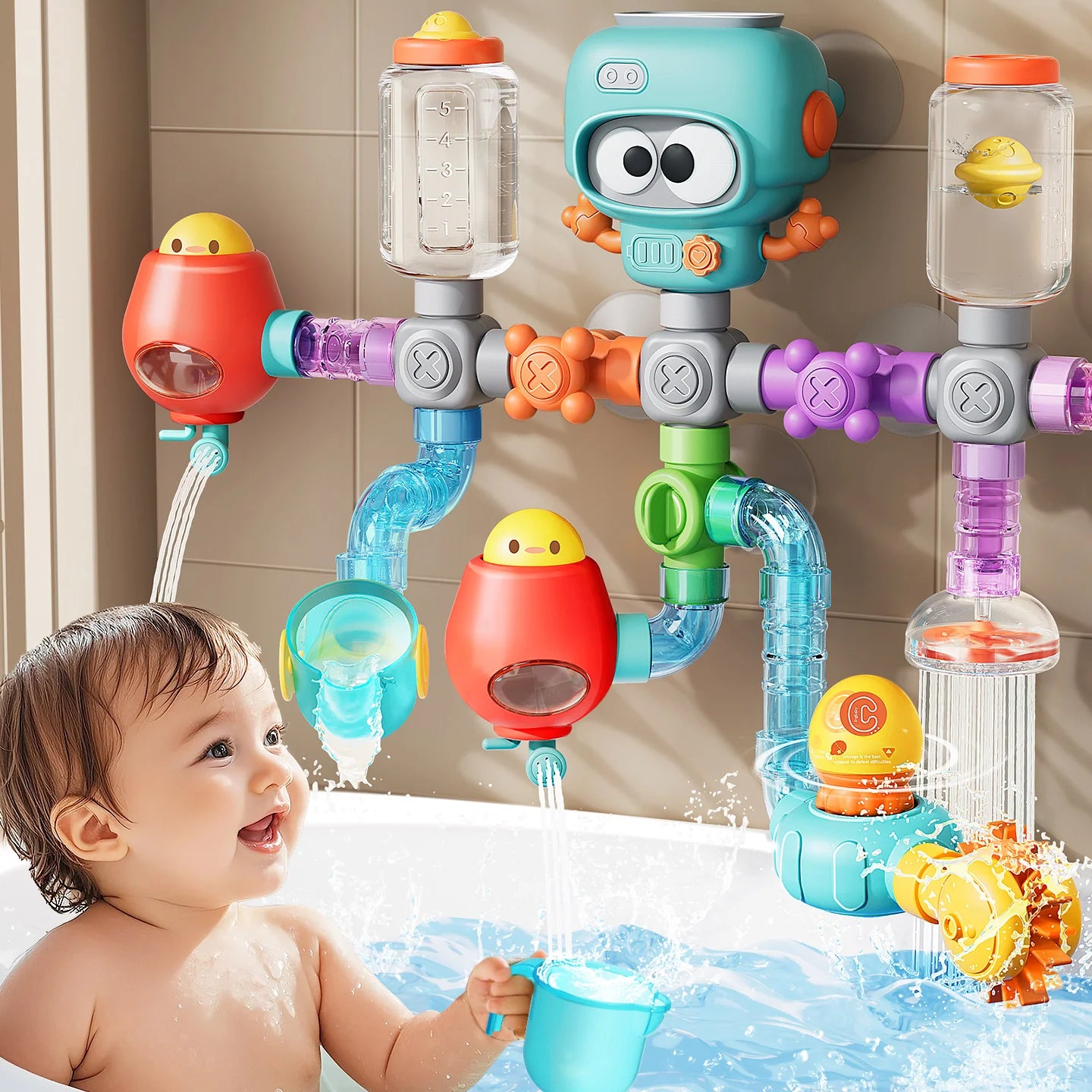
bath toys mold free + bathtub pipe toys — See it in action.
Why mold-free bath toys matter (quick facts)
Bath toys are exposed to warm water, soap residue, and humidity almost every day. When water becomes trapped inside hollow toys, it creates ideal conditions for mold and bacterial growth. Although occasional moisture isn't automatically dangerous, toys that cannot dry thoroughly may develop unpleasant odors, discoloration, and hidden contamination over time.
Choosing bath toys made from non-porous materials or designed with open drainage helps reduce these risks. Parents also benefit from faster cleaning, easier inspection, and fewer toys that need frequent replacement.
Common parent pain points
- Hidden mold: Squeeze toys often trap water where mold can't be seen until it becomes severe.
- Constant cleaning: Some toys require frequent soaking or scrubbing just to stay hygienic.
- Confusing product claims: Many toys advertise themselves as "mold-free" without explaining how they prevent moisture buildup.
- Replacing worn toys: Parents want durable options that stay clean longer and reduce unnecessary waste.
The right design can make bath time both safer and easier. Next, we'll examine the features that separate genuinely mold-resistant bath toys from those that simply claim to be.
How we tested & what to look for
To identify the best bath toys mold free options, we evaluated popular bath toys using practical conditions that reflect everyday family use rather than laboratory testing. Each toy completed repeated soak-and-dry cycles over one week while being exposed to soap residue, warm water, and regular handling. We then inspected every toy for trapped moisture, visible mold, lingering odor, discoloration, and signs of wear.
Beyond hygiene, we also considered how enjoyable each toy remained during bath time. Toys that encouraged imaginative play while staying easy to clean ranked higher than products that required complicated maintenance.
Key features that reduce mold risk
- Open drainage: Water should flow out easily instead of remaining trapped inside hidden chambers.
- Non-porous materials: Medical-grade silicone and durable ABS plastic resist moisture better than soft hollow plastics.
- Easy cleaning: Dishwasher-safe parts or simple one-piece construction reduce maintenance.
- Quality construction: Secure seals, smooth surfaces, and clear manufacturer cleaning instructions improve long-term hygiene.
Top mold-resistant picks (ranked)
The best bath toys mold free designs combine fast drainage, durable materials, and engaging sensory play. Our rankings prioritize toys that dry quickly after use, resist hidden mold, and remain easy for busy parents to maintain.
1. Open-drain bathtub pipe system — Best overall for fast drying and interactive play
Open-drain pipe systems consistently performed best because water flows freely through every section instead of collecting inside sealed chambers. Suction cups keep the pieces securely attached to the tub while children enjoy building water pathways, pouring, and experimenting with cause-and-effect play.
- Pros: Excellent drainage, engaging STEM-style water play, reusable modular design, dries quickly.
- Cons: Multiple pieces require organized storage, and younger children should always be supervised.
- Best for: Families looking for both hygienic bath toys and longer-lasting sensory activities.
2. Solid silicone boats & squish-free figures — Best for low maintenance
Single-piece silicone toys eliminate the hidden cavities found in traditional squeeze toys. Their smooth, non-porous surface is easy to rinse, sanitize, and dry, making them an excellent option for babies who frequently mouth their toys.
- Pros: Very low mold risk, dishwasher-safe on many models, durable, soft and baby-friendly.
- Cons: Less interactive than modular water toys.
- Best for: Parents who want simple daily cleaning with minimal effort.
3. Ventilated hard-plastic pour toys — Best value for sensory play
Pour cups, scoops, and ventilated containers remain affordable while supporting water exploration. Models with wide drainage holes dry noticeably faster than toys with narrow internal channels.
- Pros: Budget-friendly, encourages pouring and hand-eye coordination, widely available.
- Cons: Small vents may still collect soap residue if not rinsed thoroughly.
- Best for: Families wanting inexpensive bath toys that are easier to maintain than hollow squeeze toys.
4. Treated natural rubber toys — Good balance of comfort and hygiene
Natural rubber toys offer a soft texture that many children enjoy. Higher-quality versions use improved manufacturing techniques that better resist moisture, although care instructions should always be followed carefully.
- Pros: Pleasant texture, comfortable for small hands, supports sensory exploration.
- Cons: Durability varies between brands, and regular inspection is recommended.
- Best for: Parents seeking softer alternatives without relying on traditional squeeze toys.
When comparing bath toys, prioritize open-drain construction, non-porous materials, and products with simple cleaning instructions to reduce long-term maintenance.
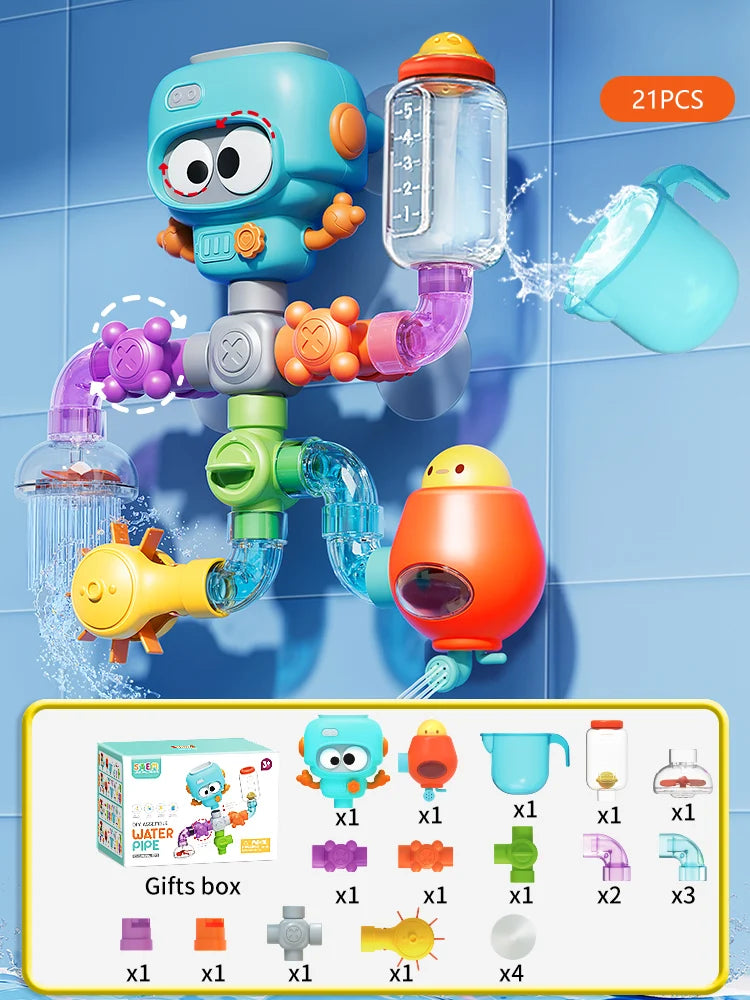
bathtub pipe toys + bath sensory toys — See it in action.
How to use and keep toys mold-free (practical routine)
Even the best mold-resistant bath toys benefit from a consistent cleaning routine. A few minutes of care after each bath can dramatically reduce moisture buildup, extend the life of your toys, and keep bath time more hygienic.
- Rinse immediately after use. Wash away soap residue, shampoo, and bath products before they dry onto the toy.
- Drain and air-dry completely. Separate removable pieces when possible and place toys on a drying rack or mesh organizer where air can circulate freely.
- Deep-clean once a week. Dishwasher-safe toys can usually be placed on the top rack. For solid silicone toys, soak in a mild bleach solution (1 tablespoon bleach to 1 quart of water), then rinse thoroughly and allow to dry completely.
- Inspect regularly. Replace any toy that develops cracks, damaged seals, persistent odors, discoloration, or visible mold that cannot be removed.
Quick cleaning checklist (stick this on the bathroom cabinet)
- Rinse after every bath.
- Drain and air-dry completely.
- Deep-clean weekly.
- Inspect monthly for damage or trapped moisture.
- Replace traditional squeeze toys with sealed silicone or open-drain alternatives whenever possible.
Which toy fits your routine? Ease-of-use scenarios
You have one toddler and limited time
Choose one-piece silicone bath toys or a simple set of ventilated pouring cups. These options require very little maintenance, dry quickly, and are easy to clean after every bath.
You want richer sensory play without the extra cleaning
An open-drain bathtub pipe system offers engaging water experiments, pouring activities, and problem-solving play while allowing water to drain freely after use. Pair it with a few solid silicone figures for a versatile bath toy collection that's both fun and easy to maintain.
Budget-conscious and safety-minded
Look for durable hard-plastic toys with wide drainage openings instead of inexpensive sealed squeeze toys. Spending slightly more on well-designed bath toys often reduces replacement costs over time because they're easier to keep clean.
For more baby gear that complements hygienic bathtime routines, explore Baby Bath Accessories and practical storage in Baby Care Essentials .
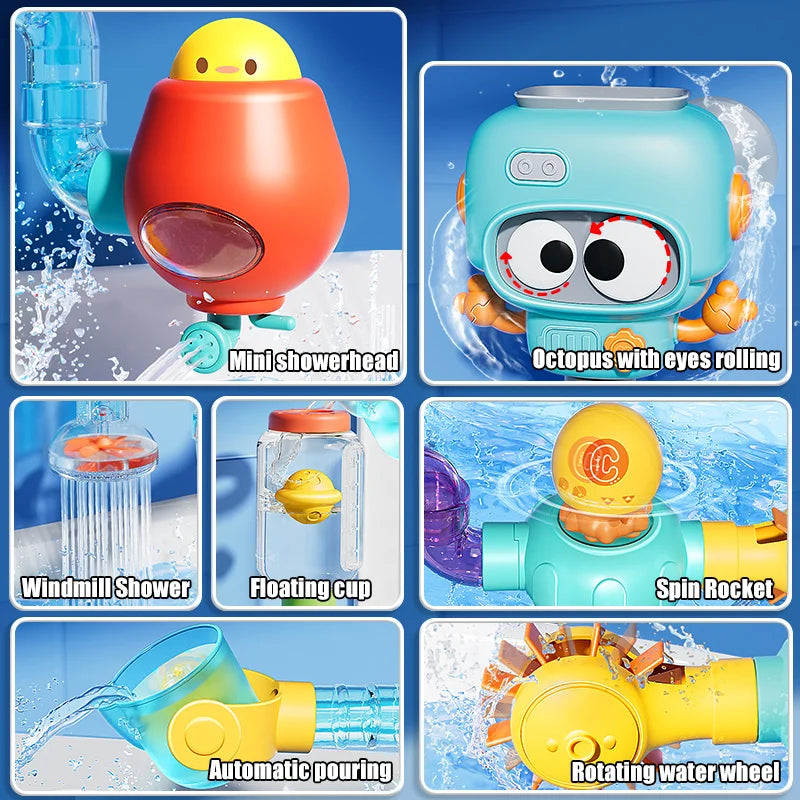
sensory tub activities + bath sensory toys — See it in action.
Mini FAQ
-
Are silicone bath toys really mold-free?
Silicone bath toys are not completely maintenance-free, but their non-porous surface makes them much more resistant to mold compared with hollow squeeze toys. Regular rinsing, proper drying, and occasional deep cleaning help prevent buildup and keep silicone toys hygienic.
-
How often should I deep-clean bath toys?
A weekly deep-clean routine is recommended for most bath toys. Dishwasher-safe toys can be cleaned according to manufacturer instructions, while other materials may need hand washing or a mild cleaning solution followed by a thorough rinse and complete air-drying.
-
Can I reuse old squeeze toys if I clean them?
If a squeeze toy develops black spots, cracks, unusual odors, or visible mold inside the cavity, cleaning may not remove the problem completely. Replacing damaged or contaminated toys is usually the safer option.
-
Can light or water-based bath toys develop mold?
Any bath toy that traps moisture can develop mold over time. The best way to reduce risk is choosing toys with open drainage, sealed non-porous materials, or designs that allow complete drying between baths.
-
What makes a bath toy easier to keep hygienic?
Look for simple designs with fewer hidden spaces, quick drainage, durable materials, and clear cleaning instructions. Open-drain bathtub pipe toys and solid silicone toys are popular choices because they combine play value with easier maintenance.
Final thoughts — practical, parent-tested advice
The safest bath toy choice is not always the one with the most features. Designs that drain quickly, dry completely, and use easy-to-clean materials can make a bigger difference in long-term hygiene. Replacing sealed squeeze toys with open-drain options, adding durable silicone pieces, and following a simple rinse-and-dry routine can make bath time cleaner and easier for the whole family.
For families looking for interactive water play with better drainage, the open-drain bathtub pipe system is a practical option. You can explore the water pipe kit directly here .
A well-designed bath toy system can support sensory play while reducing daily cleaning effort. Explore the open-drain water pipe option for a fun, low-maintenance addition to your child's bath routine.
Ready to make bath time cleaner?
For a more hygienic sensory bath routine, choose toys that combine engaging play with easy maintenance. An open-drain pipe system paired with silicone figures can provide interactive water play while allowing faster drying and simpler cleaning. Learn more about practical toy choices and storage in Baby Care Essentials and explore playful, safer options in Sensory Toys .
Pillar Article: Bath Toys for 1 Year Olds Compared: Safest, Funniest Picks
Other Related Articles:
- Bath Toys Infant Compare Guide: Gentle, Safe Picks for New Bathers
- Bath Toys Mold Free Test: The Best Hygienic Options Ranked
- Play in Bath Toy Roundup: Top Picks That Stop Toddler Boredom
- Cool Bathtub Toys Review: Which Ones Keep Kids Playing Longest
Explore More:





