

Does bath toys for three year olds really keep kids engaged and last?
Yes — the best bath toys for three year olds combine durable materials, simple mechanics such as bath pipe toys, and sensory-rich activities that encourage repeated play. When you choose well-built, easy-to-clean toys with multiple ways to interact, they can stay engaging for months while standing up to daily splashing, drops, and regular cleaning.
Bath Toys for Three Year Olds Review: Which Sets Truly Last
⏱ 18 min read
Finding bath toys that stay fun beyond the first few weeks can be surprisingly difficult. Some lose pieces, others trap water and develop mold, while many simply stop capturing a toddler's attention. This guide explores what makes bath toys for three year olds worth buying, focusing on long-term play value, safe materials, easy maintenance, and versatile bath pipe toys that encourage creativity during every bath.
What parents should look for when shopping for bath toys for three year olds
Direct answer: The best bath toys for three year olds are made from durable, non-toxic materials such as solid silicone or thick ABS plastic, have minimal areas where water can become trapped, and offer open-ended activities that keep children experimenting, building, pouring, and pretending over time.
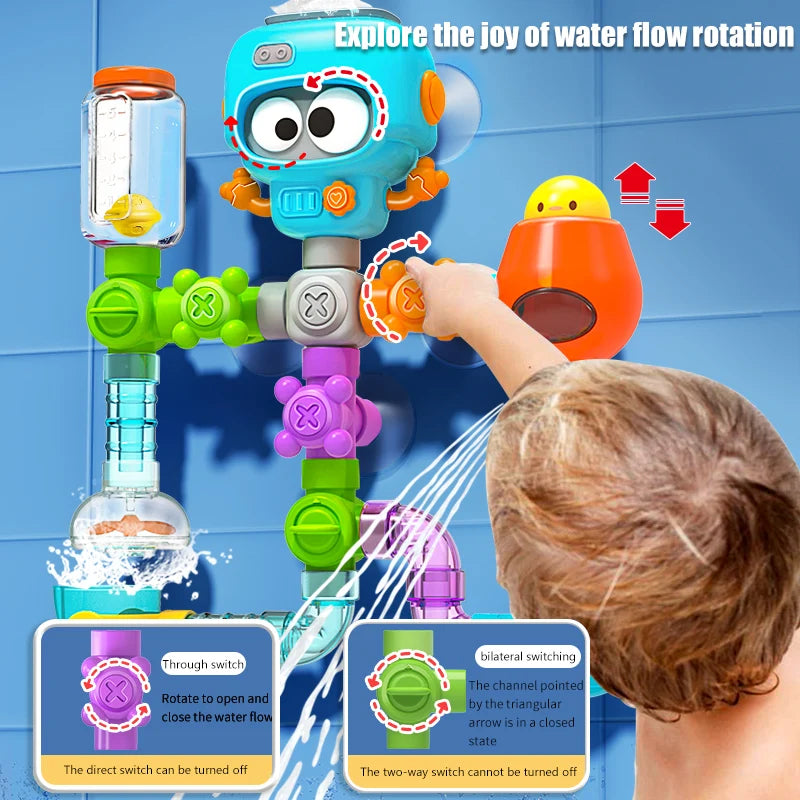
Bath toys for three year olds with modular bath pipe toys encourage longer-lasting imaginative water play.
Key durability and play features
- High-quality materials: Solid silicone and thick ABS plastic resist cracking, fading, and everyday wear while helping prevent water absorption.
- Sealed or open construction: Choose toys that either have no enclosed cavities or can be fully opened for cleaning, reducing the chance of trapped moisture.
- Simple moving parts: Pipes, funnels, water wheels, cups, and spinners with uncomplicated designs generally last longer than battery-powered features.
- Modular design: Rearrangeable bath pipe toys create fresh building challenges, helping children stay interested as their skills develop.
- Easy maintenance: Dishwasher-safe or quick-rinse components make regular cleaning much easier for busy families.
Why play value matters as much as durability
Even the toughest toy will spend most of its life in a storage basket if it only offers one activity. Three-year-olds enjoy experimenting with cause and effect, pretending, and solving simple challenges. Toys that combine pouring, spinning, connecting, stacking, and storytelling naturally provide more opportunities for independent play.
Choosing toys for different play styles
Busy builders: Modular bath pipe toys allow children to create new water pathways, towers, and flowing systems every bath.
Imaginative storytellers: Floating boats, animal figures, and themed accessories encourage creative role-play while developing language skills.
Sensory explorers: Pouring cups, textured toys, water wheels, and flow-control pieces introduce different sounds, movements, and water patterns.
Children who still mouth toys: Look for BPA-free silicone products with securely attached components and avoid toys containing small detachable pieces.
How to extend the life of bath toys with a simple care routine
Even high-quality bath toys benefit from regular cleaning and proper storage. Soap residue, hard-water minerals, and trapped moisture can shorten the lifespan of otherwise durable toys. A quick maintenance routine helps keep bath toys hygienic, looking new, and ready for everyday play.
Five easy care steps
- Rinse after every bath. Wash away soap, shampoo, and bubble bath residue using clean warm water.
- Remove excess moisture. Shake out removable pieces and allow water to drain completely before storing.
- Clean weekly. Wipe silicone and plastic surfaces with a 1:1 solution of white vinegar and water, or place dishwasher-safe components on the top rack if recommended by the manufacturer.
- Air-dry thoroughly. Spread pieces on a drying rack or hang them in a breathable mesh organizer rather than sealing them inside a plastic container.
- Inspect regularly. Check connectors, suction cups, and moving parts for cracks, discoloration, or loose pieces, replacing damaged toys promptly.
Storage tips that help prevent mold
- Store toys where air can circulate freely.
- Avoid leaving toys submerged in bath water after playtime.
- Separate completely dry toys from damp accessories.
- Discard toys that cannot be fully cleaned if mold develops inside sealed cavities.
Consistent care often extends the usable life of bath toys while helping maintain a cleaner play environment for young children.
Bath toys DIY: safe ideas that expand creative play
Simple DIY activities can refresh bath time without replacing existing toys. The safest projects use household items with smooth surfaces, food-safe materials, and no small detachable components. Rather than creating permanent homemade toys, think of these ideas as temporary activities that complement commercial bath sets.
Four easy bath activities
- Floating stacking rings: Cut clean pool noodles into thick rings for supervised stacking and floating games. Replace them once they begin to deteriorate.
- Pouring station: Use clean measuring cups, funnels, and pitchers to encourage scooping, pouring, and comparing water volumes.
- Water transfer challenge: Place several plastic containers around the tub and let children move water using cups or small ladles to practice coordination.
- Expandable pipe layouts: If you already own a compatible modular pipe system, rearrange the pieces into new pathways each bath to create fresh water-flow challenges.
Before introducing any DIY activity, check every item for sharp edges, loose pieces, or signs of wear. Adult supervision remains essential throughout bath time.
For families who want a ready-made modular system with plenty of opportunities for creative building, explore our Baby Bath Toys: DIY Water Pipe , designed to encourage open-ended water play while remaining easy to assemble and clean.
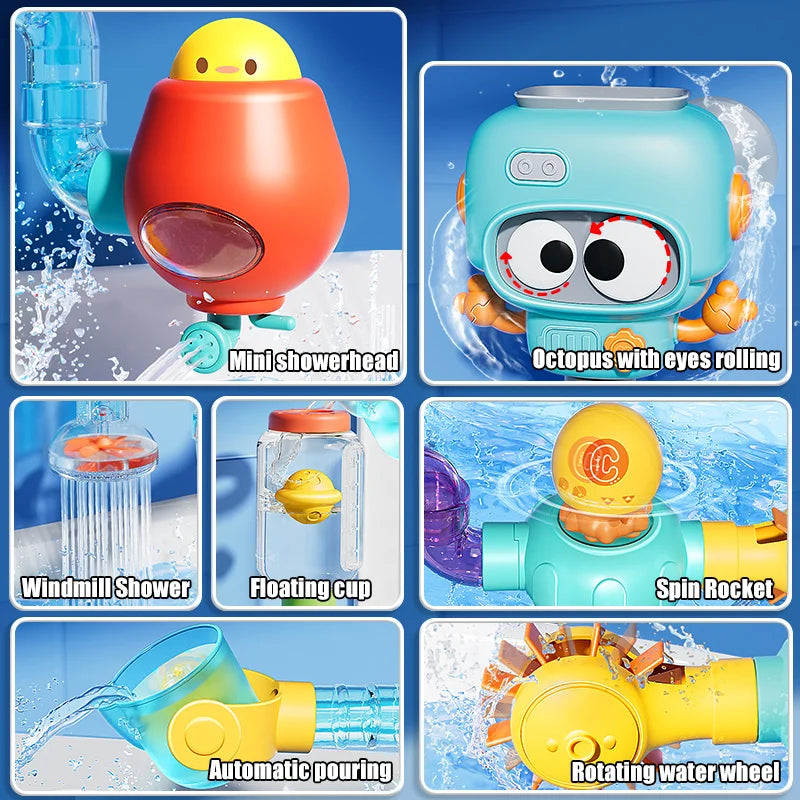
Modular bath pipe toys inspire creative building and water-flow experiments during bath time.
Safety and cleaning checklist for bath toys for three year olds
Keeping bath toys clean is just as important as choosing durable ones. Regular inspection and proper drying reduce the risk of mold, mildew, and damaged parts while helping toys remain safe for everyday use.
Before every bath
- Check for cracked plastic, torn silicone, or loose connectors.
- Look for signs of trapped water or discoloration inside hollow toys.
- Confirm that suction cups, wheels, and moving pieces are firmly attached.
- Remove any toy with broken parts that could become a choking hazard.
Daily cleaning routine
- Rinse toys thoroughly with clean water after use.
- Drain any removable components completely.
- Dry surfaces with a clean towel when practical.
- Allow toys to air-dry fully in a well-ventilated storage area instead of leaving them in the bathtub.
Weekly deep cleaning
- Wash non-electronic toys in warm, soapy water using a soft brush to remove soap buildup.
- Place dishwasher-safe toys on the top rack only if approved by the manufacturer.
- For occasional sanitizing, use either a diluted white vinegar solution or a properly diluted bleach solution, then rinse thoroughly before the next use.
When it's time to replace a bath toy
- Persistent odor that remains after cleaning.
- Visible mold inside areas that cannot be reached.
- Cracked plastic, peeling finishes, or damaged silicone.
- Loose parts or broken mechanisms that affect safe play.
Rotate bath toys to keep playtime exciting
Three-year-olds often stay interested longer when they are offered fewer toys at one time. Rotating bath toys every week or two helps maintain a sense of novelty while giving stored toys enough time to dry completely before returning to the tub.
Example rotation schedule
- Week 1: Bath pipe toys and water wheels for building challenges.
- Week 2: Floating boats and animal figures for imaginative play.
- Week 3: Pouring cups, funnels, and measuring activities.
- Week 4: DIY water games and sensory accessories.
Benefits of rotating toys
- Helps prevent boredom without buying new toys.
- Provides extra drying time between uses.
- Makes deep cleaning easier by working with smaller groups of toys.
- Allows parents to inspect toys regularly for wear or damage.
Simple rotation strategies can make familiar bath toys feel new again while supporting safer storage and easier maintenance.
Price vs. value: what features are worth paying for?
When comparing bath toys for three year olds , prioritize quality construction over novelty. A well-made toy with durable materials, secure connectors, and easy-to-clean components often provides better long-term value than a larger set filled with fragile accessories.
Features worth the investment
- Closed or sealed construction: Helps reduce trapped moisture and extends the usable life of the toy.
- Thick ABS plastic or food-grade silicone: Better resistance to repeated drops, twisting, and warm water exposure.
- Replaceable or modular parts: A damaged connector is easier and less expensive to replace than an entire toy.
- Dishwasher-safe materials: Simplifies regular cleaning and encourages consistent maintenance.
Features that rarely add lasting value
- Large painted decorative surfaces that may chip with frequent use.
- Complex electronics that require batteries and are difficult to clean.
- Single-purpose novelty toys that offer limited opportunities for creative play.
Choosing a durable set with open-ended play options typically provides better value over months of daily bath time than buying multiple inexpensive toys that wear out quickly.
How bath toys support learning at three years old
Bath time can reinforce important developmental skills while remaining playful. The best toys encourage children to experiment, solve simple problems, and build confidence through hands-on exploration.
Skills different bath toys encourage
- Bath pipe toys: Planning, sequencing, cause-and-effect understanding, and problem solving as children change water pathways.
- Pour and measure sets: Early math concepts such as volume, comparison, and estimating while strengthening fine motor control.
- Boats and character figures: Imaginative storytelling, vocabulary growth, and social-emotional play.
- Silicone sensory toys: Tactile exploration, hand strength, and sensory regulation through squeezing, pouring, and splashing.
Easy ways parents can extend learning
- Ask your child to predict where the water will flow before pouring.
- Compare which container holds more or less water.
- Practice color recognition while sorting different toy pieces.
- Create simple stories using boats, animals, or bath characters.
- Encourage children to rebuild water routes to discover different outcomes.
These simple conversations transform everyday bath routines into opportunities for language development, critical thinking, and independent exploration without making play feel like a lesson.
Explore complementary learning toys in our Baby Growth & Learning collection.
Mini FAQ
What are the best bath toys for 3 year olds?
The best bath toys for three year olds encourage open-ended play while remaining easy to clean and durable enough for everyday use. Modular bath pipe toys, pouring cups, floating boats, and sealed silicone figures all support different developmental skills. Look for toys that can be rearranged or used in multiple ways to keep children engaged over time.
What are the safest bath toys for toddlers?
Safe bath toys for toddlers are made from BPA-free materials, have smooth edges, contain no small detachable parts, and are designed to minimize trapped water. Sealed silicone toys or bath toys that fully disassemble for drying are generally easier to keep hygienic than permanently sealed hollow toys.
How do you clean bath toys?
Rinse bath toys thoroughly after every use to remove soap residue, then allow them to air-dry completely in a well-ventilated area. Wash dishwasher-safe toys according to the manufacturer's instructions or clean them regularly with warm soapy water. Inspect toys often for cracks, discoloration, or trapped moisture.
How do you prevent mold in bath toys?
The most effective way to prevent mold is to keep toys as dry as possible between baths. Choose sealed designs or toys that can be opened for cleaning, avoid storing wet toys in closed containers, and replace any toy that develops persistent odor, visible mold, or damage that cannot be cleaned thoroughly.
Are bath pipe toys good for three-year-olds?
Yes. Bath pipe toys are well suited to many three-year-olds because they combine construction play, water exploration, and problem-solving. Children can experiment with different pipe layouts, observe how water flows, and create new challenges during each bath, helping maintain long-term interest while developing fine motor and early STEM skills.
For families looking for a modular system designed for repeated water play, the Baby Bath Toys: DIY Water Pipe offers expandable components that encourage creative building while remaining easy to rinse and maintain.
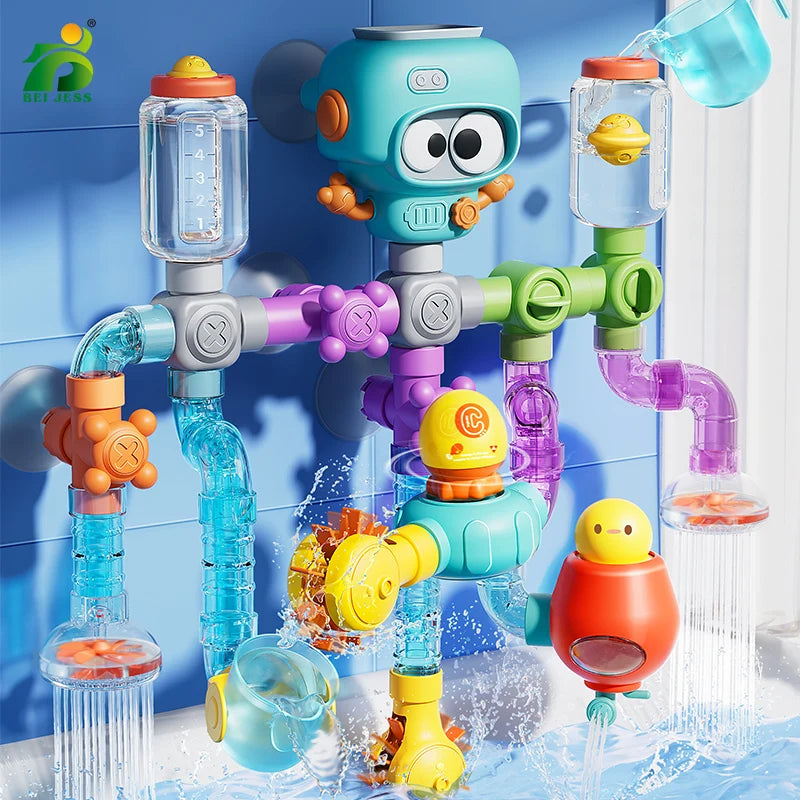
Water sensory toys and modular bath pipe play in action.
Related Articles:
- Toddler Water Pipe Toy Uses for Kids Who Crave Hands-On Play
- Make Bath Time Fun for Shy Toddlers Who Resist Water Play
Pillar Articles:





