

What baby grooming supplies do I need for a newborn?
For most newborns, you only need a small set of practical newborn grooming essentials : a baby nail file or appropriately designed nail clippers, a soft hair brush or comb, a clean soft cloth for gentle skin and gum care, a mild bath sponge or washcloth, and a digital thermometer for health checks. A nasal aspirator can also be useful when your pediatrician recommends gentle mucus removal. The goal is not to buy the biggest kit, but to choose safe, easy-to-clean tools that match your baby's actual needs.
Newborn grooming is mostly about keeping nails smooth, hair and scalp comfortable, skin clean without over-washing, and basic hygiene supplies organized. Many convenience items can wait until your baby is older. For temperature concerns, remember that a baby younger than 3 months with a temperature of 100.4°F (38°C) or higher needs prompt medical evaluation ; a grooming kit is not a substitute for medical care.
Newborn Care Essentials: Comparing Kits for Every Family Need
The best newborn care essentials are not necessarily the items found in the largest baby kit. New parents usually need a focused collection of safe grooming, hygiene, bathing, and basic monitoring tools that are easy to use and clean. This guide explains what baby grooming supplies you actually need, which items are optional, how needs change as your baby grows, and what to look for when comparing a newborn grooming set .
⏱ 8 min read
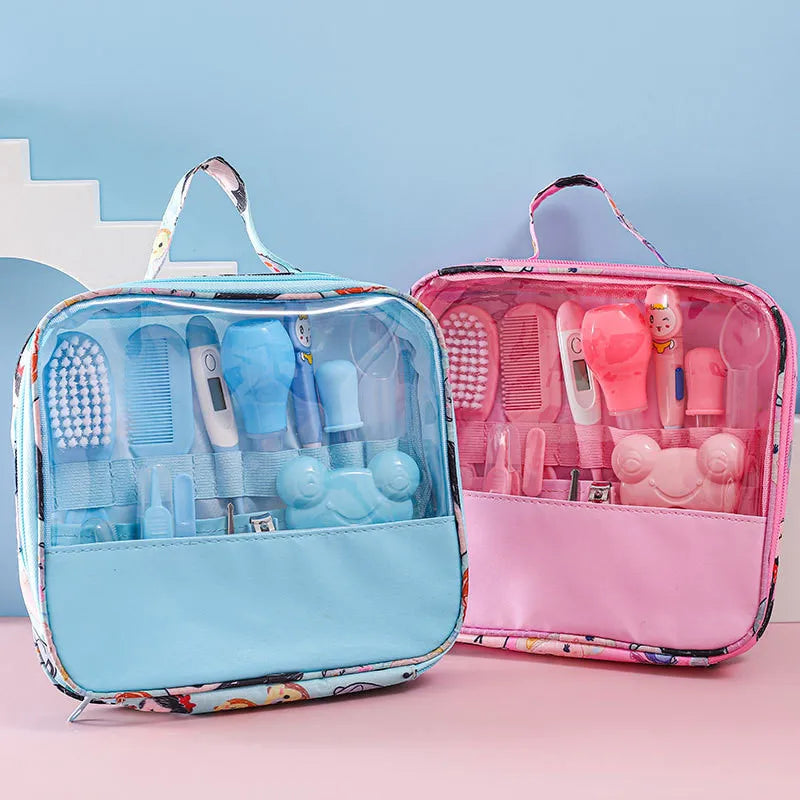
newborn care essentials, newborn health essentials — See it in action
Quick solution: which supplies do you really need?
Short answer: Start with the basics rather than buying every available baby-care accessory. A practical newborn care setup includes a baby nail file or clipper, soft brush or comb, clean washcloths, gentle bath accessories, a digital thermometer, and a dedicated place to store clean tools. Add a nasal aspirator if your baby's healthcare professional recommends it, and add travel-sized items only when you actually need them.
For first-time parents, a newborn grooming set can be convenient because it keeps frequently used tools together. However, a complete kit is optional. Individual high-quality tools can be a better choice if a bundled set contains unnecessary accessories or tools that are difficult to clean.
Priority order: nail care → basic hygiene and bathing → hair/scalp care → temperature monitoring → optional convenience items.
Baby grooming essentials checklist at a glance
Use this newborn care tools checklist to build a practical setup without overbuying.
Must-have supplies for the first months
- Baby nail file, clipper, or scissors: choose an infant-appropriate design that gives you good control.
- Soft-bristled baby brush or comb: useful for gentle hair and scalp care.
- Soft washcloths: useful for face, folds, hands, and bathing.
- Gentle bath accessories: keep supplies simple and easy to rinse and dry.
- Digital thermometer: keep one in an accessible location for health checks.
- Clean storage pouch or container: helps keep grooming tools together and protected from household dirt.
Optional items you can add later
- Nasal aspirator: useful for mucus management when appropriate; follow your pediatrician's guidance and the device instructions.
- Electric nail trimmer: a convenience option for parents who prefer powered filing to traditional clippers.
- Travel grooming case: helpful once the baby regularly spends time away from home.
- Extra combs or brushes: usually unnecessary for a newborn unless one is kept in a separate location.
- Specialized grooming accessories: consider these only when a specific need develops.
What tools are included in a typical baby grooming kit?
A typical baby grooming kit combines several small tools for routine hygiene. The exact contents vary, so understanding the purpose of each item is more useful than judging a kit by its item count. The essential tools in a high-quality baby grooming kit should be age-appropriate, easy to hold, easy to clean, and designed specifically for infant use.
Nail care tools
Newborn fingernails can be surprisingly sharp and grow quickly. A soft emery board, baby nail clipper, or blunt-nosed infant scissors can help keep nails smooth. Choose the tool you can control confidently rather than assuming one style is best for every parent.
Trim or file when your baby is calm or asleep, support the finger securely, and avoid biting or peeling the nails. If you use clippers or scissors, keep the baby's fingertip skin away from the cutting edge and smooth any sharp corners afterward.
Hair and scalp care tools
A soft-bristled brush and gentle baby comb are generally sufficient for newborn hair care. Use light pressure and avoid scraping or repeatedly brushing irritated skin. Newborn hair can be sparse, so there is usually no need for an extensive styling kit.
Oral care supplies
Before teeth appear, a clean, soft cloth can be used for gentle gum care. Once the first tooth erupts, oral hygiene becomes more structured, including brushing with an age-appropriate amount of fluoride toothpaste according to pediatric dental guidance. Oral-care tools do not need to be elaborate to be effective.
Bath and skin care accessories
Basic bath supplies include soft washcloths, a suitable baby towel, and a safe bathing setup. Avoid turning a grooming kit into a collection of unnecessary skin products. Newborn skin can be sensitive, so use gentle products appropriate for infants and follow your healthcare professional's advice if your baby's skin is unusually dry, irritated, or inflamed.
Baby grooming supplies by age: newborn to older baby
Your baby's grooming needs change gradually. Buying everything at birth can create clutter, so use this age-based approach to decide when a tool is actually useful.
Newborn grooming essentials
During the first weeks, focus on nail care, gentle bathing, basic hair care, clean washcloths, and a thermometer. Keep the routine short and gentle. You do not need a large collection of cosmetic or styling products.
3–6 month grooming needs
As your baby becomes more active, nail care may become more frequent and a brush or comb may be used more regularly. A portable grooming pouch can also become useful if your baby attends childcare or spends more time visiting relatives and friends.
Older baby additions
Once teeth appear, oral-care supplies become more important. As mobility increases, parents may also find it useful to keep a second grooming kit in a different part of the home or in a diaper bag. Add tools because a new developmental need has appeared, not simply because a kit includes them.
How to use baby grooming tools safely
Newborn grooming should be gentle, controlled, and supervised from start to finish. Set up the tools before beginning, use good lighting, and avoid rushing. If your baby is moving too much for safe grooming, stop and try again later.
Safe nail trimming steps
- Choose a calm time, such as when your baby is asleep or relaxed.
- Wash your hands and make sure the nail tool is clean and dry.
- Hold the finger securely and gently separate the fingertip skin from the nail.
- Trim or file only the part of the nail that extends beyond the fingertip.
- Check for sharp edges and gently smooth them with a baby nail file.
- Never bite or peel your baby's nails because this can injure the skin and increase infection risk.
Newborn fingernails may need frequent attention because they grow quickly. If you accidentally nick the skin and bleeding does not stop with gentle pressure, seek medical advice.
Gentle hair and scalp care
- Use a soft baby brush or smooth, wide-spaced comb.
- Brush lightly rather than pressing the tool against the scalp.
- Avoid pulling or repeatedly brushing areas that look irritated.
- Ask your pediatrician about persistent redness, scaling, sores, or other unusual scalp changes.
Baby oral hygiene basics
Use a clean, soft cloth to gently wipe the gums as part of your baby's routine. Once a tooth appears, begin brushing twice daily with an appropriate amount of fluoride toothpaste and follow guidance from your child's pediatrician or dentist.
Temperature monitoring safety
A thermometer can be one of the most useful newborn health essentials , but the number should be interpreted in the context of your baby's age and symptoms. For infants younger than 3 months, a temperature of 100.4°F (38°C) or higher warrants prompt medical evaluation . Follow your healthcare professional's instructions for the appropriate temperature method rather than repeatedly switching between measurement sites.
How to choose a safe baby grooming kit
The best grooming kit for newborn families is one that makes routine care easier without adding unnecessary tools. Before choosing a kit, inspect the actual design and materials rather than relying only on the number of pieces included.
Materials and design features to look for
- Infant-sized tools: handles and working surfaces should be designed for small fingers, nails, and delicate skin.
- Smooth edges: avoid rough seams, exposed sharp edges, or poorly finished plastic.
- Easy-to-clean surfaces: tools should not have unnecessary crevices that trap moisture or residue.
- Secure construction: moving parts should work smoothly without loose components.
- Clear age guidance: check that each tool is intended for your baby's age and stage.
- Durable storage: a washable pouch or container can help keep clean tools separate from dirty ones.
Features that are worth paying for
Pay more for features that improve safety, control, durability, or cleaning rather than for a high piece count. A well-designed nail tool, soft brush, reliable thermometer, and washable storage case are usually more useful than a kit packed with duplicate accessories.
If you prefer a bundled option, the Baby Care Kit — multi-functional can serve as a convenient starting point. Review the included tools against your baby's actual needs and keep only the items appropriate for your child's age.
How to keep baby grooming tools clean and safe
Good tool hygiene is part of baby hygiene essentials . Cleaning frequency should depend on what an item touches, how the manufacturer says it should be cleaned, and whether it can be thoroughly dried.
Cleaning after each use
- Wash your hands before handling clean grooming tools.
- Clean tools that contact mucus, saliva, blood, or other bodily fluids after use.
- Remove visible residue before disinfecting or sanitizing when the product instructions call for it.
- Use only cleaning or disinfecting methods that are compatible with the tool's materials.
- Allow washable tools to dry completely before storing them.
Do not assume that every baby-care item should be boiled or sterilized. Some plastics, batteries, electronics, adhesives, and powered devices can be damaged by heat or immersion. Always follow the manufacturer's cleaning instructions.
Storage and hygiene tips
- Store clean tools in a dry, protected container.
- Keep grooming tools separate from used washcloths, diapers, and other soiled items.
- Do not store wet tools in a closed pouch because trapped moisture can encourage microbial growth.
- Inspect tools regularly for cracks, rust, loose parts, damaged bristles, or worn surfaces.
- Replace damaged items instead of continuing to use them.
For feeding equipment and other items that require sanitizing, use the specific cleaning and sanitizing guidance for those products rather than treating them like ordinary grooming tools.
What to pack in a portable baby grooming kit
A portable baby grooming supplies list should be shorter than your home setup. The objective is to handle predictable grooming needs without filling the diaper bag with duplicate products.
Diaper bag grooming essentials
- Baby nail file or compact nail tool
- Small soft brush or comb
- Clean washcloth
- Small towel or burp cloth that can double as a clean surface
- Travel thermometer when appropriate for your family's needs
- Compact storage pouch
Travel-friendly grooming extras
For longer trips, add only the tools that match the destination and duration. A compact grooming case can keep tools organized, while a second clean pouch can separate used items until they can be washed.
Before leaving home, check that every item is clean, dry, functional, and appropriate for your baby's age. If a tool is rarely used at home, it probably does not need to occupy valuable diaper-bag space.
Baby grooming kit decision checklist
Use this quick newborn grooming essentials checklist before choosing a kit:
- Are the tools specifically designed or labeled for infant use?
- Does the kit contain the basic tools you will actually use?
- Are nail-care tools easy for you to control?
- Are brush and comb bristles or teeth gentle enough for a newborn?
- Can washable tools be cleaned and dried thoroughly?
- Does the storage case protect clean tools from household dirt?
- Are any electronic tools clearly labeled with age and cleaning instructions?
- Does the kit include unnecessary duplicate or difficult-to-clean accessories?
The best choice is the kit that supports a simple routine, not the kit with the longest feature list.
Baby grooming mistakes to avoid
- Buying too many tools: Start with the newborn care essentials and add products as your baby's needs change.
- Using adult grooming tools: Infant-sized tools generally provide better control for tiny nails and delicate skin.
- Cutting nails while the baby is moving: Pause the task if your baby becomes restless.
- Biting or peeling nails: Use an appropriate file, clipper, or scissors instead.
- Sharing grooming tools: Keep your baby's tools dedicated to your baby and clean them appropriately.
- Putting wet tools away: Dry tools fully before storing them.
- Over-sanitizing incompatible products: Follow manufacturer instructions instead of automatically boiling or soaking every item.
- Using a grooming kit for medical diagnosis: A thermometer can provide a measurement, but a kit cannot diagnose illness or replace pediatric care.
- Ignoring concerning symptoms: Seek medical advice for significant changes in feeding, breathing, alertness, hydration, skin appearance, or temperature.
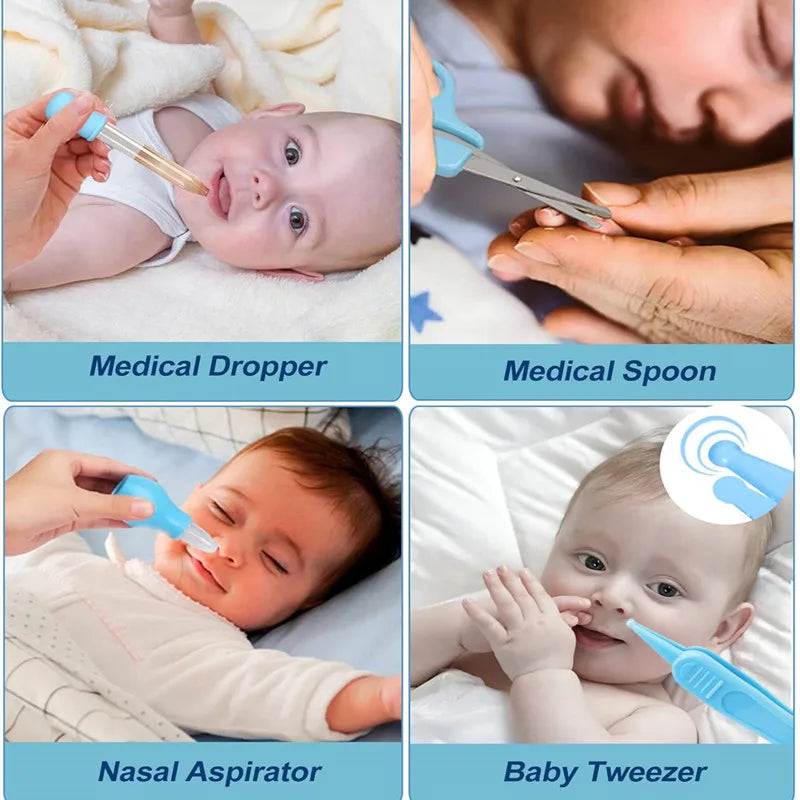
newborn care essentials, best grooming kit for newborn — See it in action
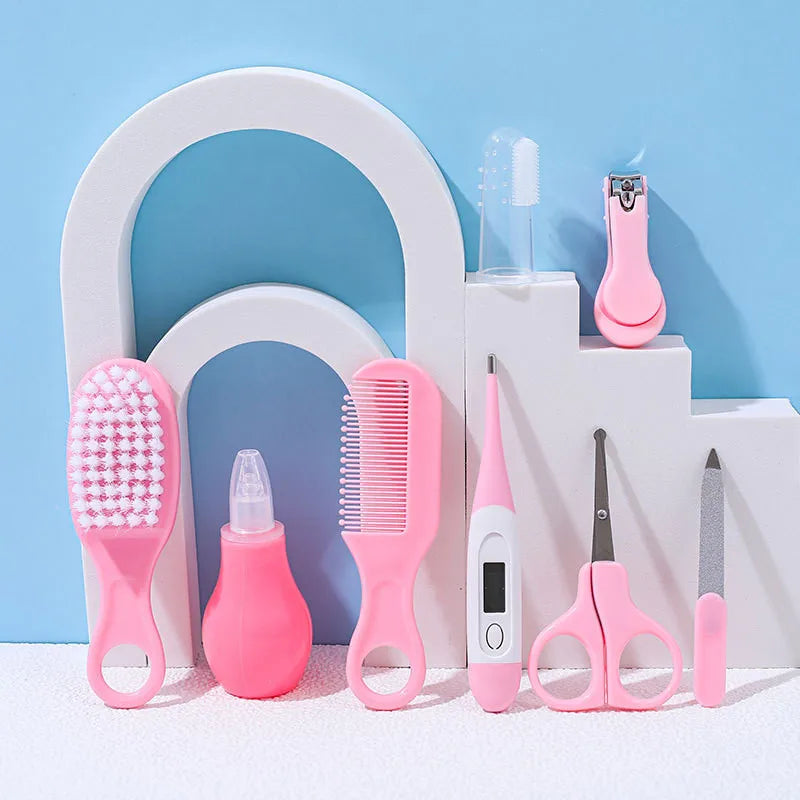
best grooming kit for newborn, newborn grooming set — See it in action
Mini FAQ
What baby grooming supplies do I need for a newborn?
A practical newborn setup can include a baby nail file or clipper, soft brush or comb, clean washcloths, basic bath accessories, and a digital thermometer. A nasal aspirator may be useful when appropriate. You do not need every item marketed as a newborn grooming essential.
What tools are included in a typical baby grooming kit?
Typical kits may contain a baby nail clipper or file, soft brush, comb, thermometer, nasal aspirator, bath sponge, storage pouch, or other small hygiene accessories. Contents vary, so check each tool's intended age, construction, and cleaning requirements.
Do I need a complete newborn grooming set?
No. A complete set is convenient but optional. If you already own safe, appropriate individual tools, buying a complete kit may create unnecessary duplicates. A bundled set makes the most sense when it combines several tools you expect to use regularly.
When should I start using baby grooming tools?
Use grooming tools whenever a specific need arises. Nail care may be needed very early because newborn fingernails can grow quickly, while other tools such as oral-care products become more important as your baby's teeth emerge.
How do I clean and sanitize baby grooming supplies?
Clean tools according to their material and manufacturer instructions. Items that contact bodily fluids should generally be cleaned after use, while feeding equipment and other specialized products may have separate sanitizing requirements. Do not boil, soak, or use disinfectants on an item unless its instructions permit that method.
What grooming items should go in a baby's diaper bag?
Keep the portable kit simple: a compact nail file or nail tool, small soft brush or comb, clean washcloth, thermometer when needed, and a washable storage pouch. Add specialty items only for trips where you are likely to use them.
Related Articles:
- Multifunction Baby Care Set: Why It Outperforms Single Items
- Baby Health Care Set: Key Benefits for Stress-Free Routine
Pillar Articles:





