

Best Bibs for Infants: Choosing the Right Fit for Every Baby
The best bibs for infants help parents manage drooling, bottle spills, and messy first foods while keeping babies comfortable. Choosing the right bib depends on your baby's age, feeding stage, skin sensitivity, and cleanup needs. From soft cloth bibs for newborns to waterproof silicone bibs for solids, the right option can make daily feeding easier, cleaner, and more enjoyable.
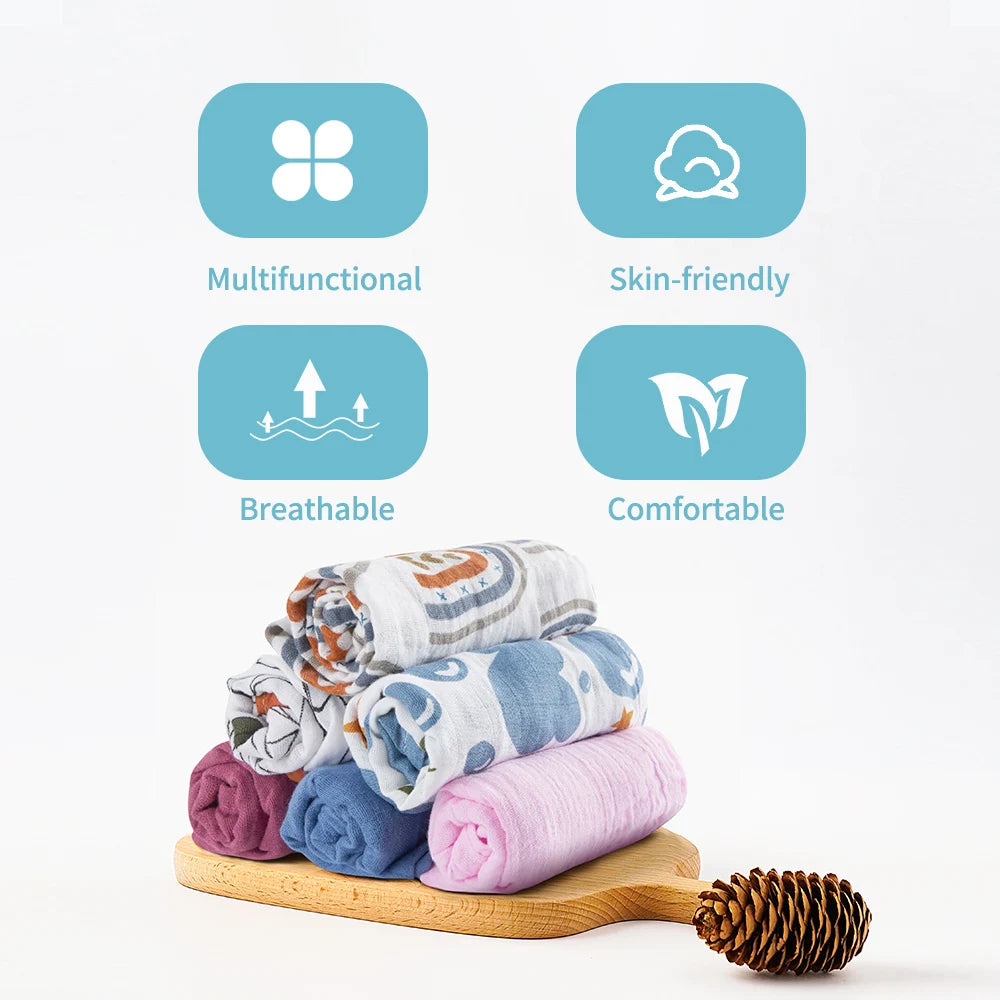
See the best bibs for infants in action and simplify your feeding routine
What Are the Best Baby Bibs and How to Choose the Right One?
The best baby bibs combine softness, coverage, absorbency, and easy cleaning. The right choice depends on your baby's feeding stage: newborns often need lightweight cloth bibs for drooling and spit-up, while babies eating solids benefit from waterproof or silicone bibs that catch food and prevent messes.
Quick Comparison Table: Best Baby Bibs by Category
| Bib Type | Best For | Main Benefits | Potential Drawback |
|---|---|---|---|
| Bamboo Cotton Bibs | Newborns, drooling, bottle feeding | Soft, breathable, gentle on sensitive skin | Requires frequent washing |
| Silicone Bibs | Baby-led weaning and solid foods | Waterproof, reusable, easy to clean | Less absorbent than fabric |
| Waterproof Bibs | Messy puree and bottle feeding | Protect clothing from liquid spills | Some materials may feel less soft |
| Sleeved Bibs | Toddlers and self-feeding | Maximum clothing protection | Bulkier for everyday use |
When comparing the best bibs for babies, consider mess level, comfort, cleaning routine, and how often your baby feeds. A newborn who mainly drinks milk may need a different bib than a baby exploring solid foods.
Why Baby Bibs Are Essential for Feeding and Daily Care
Bibs for infants are one of the simplest baby essentials for reducing daily messes. During bottle feeding, breastfeeding, and the transition to solids, babies often experience spills, drooling, and food drops that can quickly stain clothing.
The best bibs for baby feeding help:
- Protect clothes: Reduce stains from milk, formula, puree, and snacks.
- Keep babies comfortable: Prevent wet clothing from sitting against delicate skin.
- Reduce cleanup time: Limit laundry and make mealtimes easier for parents.
- Support feeding stages: Provide suitable protection from newborn drooling to independent eating.
Most babies begin needing bibs from the newborn stage because spit-up and drooling can happen before they start eating solid foods. Having several comfortable bibs available makes everyday care much simpler.
Types of Baby Bibs: Which Style Works Best?
Different types of baby bibs are designed for specific feeding situations. Choosing the right style helps balance comfort, protection, and convenience.
Silicone Bibs for Baby-Led Weaning and Solids
Silicone bibs are among the best bibs for babies eating solids because they are waterproof and easy to clean. Many include a built-in food catcher pocket that collects dropped pieces during self-feeding.
- Excellent stain resistance
- Quick wipe-clean design
- Durable for daily use
The main limitation is that silicone does not absorb moisture, making it less suitable for newborn drool or frequent spit-up.
Cloth Bibs for Newborns and Drooling
Soft cotton and muslin bibs are often considered the best bibs for newborns because they are lightweight, breathable, and gentle against sensitive skin.
- Comfortable for all-day wear
- Absorbs drool and small spills
- Suitable for bottle feeding and early infancy
Waterproof Bibs for Messy Feedings
Waterproof bibs are helpful during puree feeding and messy meals. They create a barrier between food and clothing while making cleanup faster.
- Protect against liquid spills
- Reduce clothing stains
- Useful during feeding transitions
Sleeved Bibs for Toddlers and Self-Feeding
Long-sleeve bibs provide full coverage for babies who enjoy exploring food independently or participating in messy activities.
- Protect sleeves and shoulders
- Useful for toddlers learning to self-feed
- Great for art activities and crafts
Materials and Features to Look for in the Best Baby Bibs
The best infant bibs should combine safe materials, comfortable sizing, and practical cleaning features. Parents should consider how the bib feels against the baby's skin and how well it performs during daily use.
Silicone vs Fabric vs Waterproof Materials
| Material | Comfort | Cleaning | Best Use |
|---|---|---|---|
| Bamboo Cotton | Very soft and breathable | Machine washable | Newborns and sensitive skin |
| Cotton Muslin | Lightweight and gentle | Requires regular washing | Drooling and bottle feeding |
| Food-Safe Silicone | Flexible but less absorbent | Very easy to wipe clean | Solids and baby-led weaning |
| Waterproof Fabric | Moderate comfort | Simple maintenance | Messy meals |
Important features to look for include:
- Adjustable closures: Snap or adjustable designs allow a better fit as babies grow.
- Wide coverage: Protects the chest and shoulders during feeding.
- Skin-friendly materials: Helps reduce irritation for sensitive babies.
- Easy washing: Prevents odors and buildup from frequent use.
Parents often ask, "Are bibs safe for newborns?" Yes, bibs are generally safe when they fit properly, use baby-friendly materials, and are removed after feeding to avoid unnecessary discomfort.
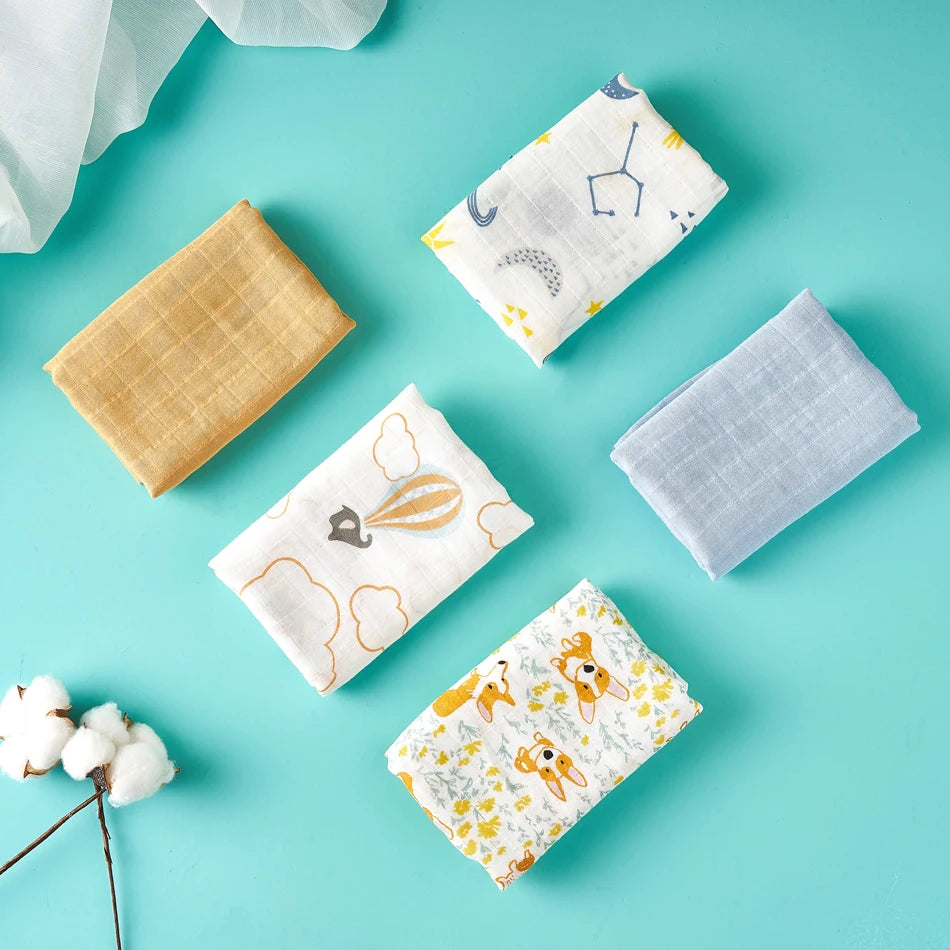
Explore bamboo cotton and waterproof bibs for everyday feeds
How We Choose the Best Baby Bibs
To identify the best baby bibs, we evaluate important factors that affect everyday performance:
- Absorbency and leak protection: Bibs should handle drool, milk spills, and food messes effectively.
- Ease of washing: We prioritize materials that maintain quality after repeated cleaning.
- Comfort and sizing: Bibs should provide coverage without restricting movement.
- Durability: Strong materials and reliable fasteners help bibs last through daily use.
- Feeding suitability: Each bib type should match specific stages from newborn care to self-feeding.
Best Baby Bibs: Top Picks for Every Feeding Need
The best choice depends on your baby's age, feeding habits, and daily routine. These category-based recommendations help parents find the right match.
Best Overall Baby Bib
Bamboo Cotton Baby Bib Set
Best for: Newborns, sensitive skin, drooling, and everyday feeding.
- Pros: Soft bamboo cotton material, comfortable fit, absorbent design.
- Cons: Requires regular washing after messy feeds.
The Bamboo Cotton Baby Bib Set is a practical choice for parents looking for soft and breathable bibs that work well throughout early infancy.
Best Silicone Baby Bib for Solids
Silicone Catcher Bib
Best for: Babies starting solids and baby-led weaning.
- Pros: Waterproof, reusable, easy to clean.
- Cons: Less absorbent for drool.
Best Bibs for Newborns
Soft Cotton or Muslin Bibs
Best for: Newborn spit-up, drooling, and sensitive skin.
- Pros: Lightweight and gentle.
- Cons: May need frequent replacement during heavy use.
Best Bibs for Bottle Feeding
Absorbent Bamboo Cotton Bibs
Best for: Formula feeding, breast milk leaks, and daily bottle sessions.
- Pros: Comfortable and absorbs moisture quickly.
- Cons: Requires washing after each use.
Best Budget Baby Bib
Basic Cotton Bib Sets
Best for: Parents who need multiple bibs for daily rotation.
- Pros: Affordable and easy to replace.
- Cons: May offer less coverage than premium options.
Best Practices for Using and Cleaning Baby Bibs
Proper care helps baby bibs stay comfortable, hygienic, and effective for longer.
- Use a clean bib before every feeding session.
- Choose the right size so the bib covers the chest without limiting movement.
- Wash fabric bibs after use to prevent odors and bacteria buildup.
- Wipe silicone bibs immediately after meals.
- Rotate multiple bibs throughout the day.
How Many Bibs Do I Need for a Newborn?
Most newborns need around 5–10 bibs for comfortable daily rotation. Babies who drool heavily or spit up frequently may need more. Having extra bibs available reduces laundry pressure and ensures a clean option is always ready.
Frequently Asked Questions
What makes the best baby bibs stand out?
The best baby bibs combine comfort, absorbency, coverage, and easy cleaning. They protect clothing while remaining gentle against delicate baby skin.
Are bibs safe for newborns?
Yes. Bibs are safe for newborns when they fit correctly, use baby-friendly materials, and are supervised during use. Remove bibs after feeding and avoid designs that restrict movement.
How many bibs do I need for a newborn?
Most parents find 5–10 bibs enough for daily use, depending on feeding frequency, drooling, and laundry routines.
What type of bib is best for babies eating solids?
Silicone bibs with food-catching pockets are often the best option for babies eating solids because they are waterproof and easy to clean.
How often should baby bibs be washed?
Fabric bibs should usually be washed after each use, especially when exposed to milk or food. Silicone bibs should be cleaned after every meal and washed regularly.
Are silicone bibs better than cloth bibs?
Silicone bibs are better for messy solid foods, while cloth bibs are often better for newborns because they are softer and more absorbent.
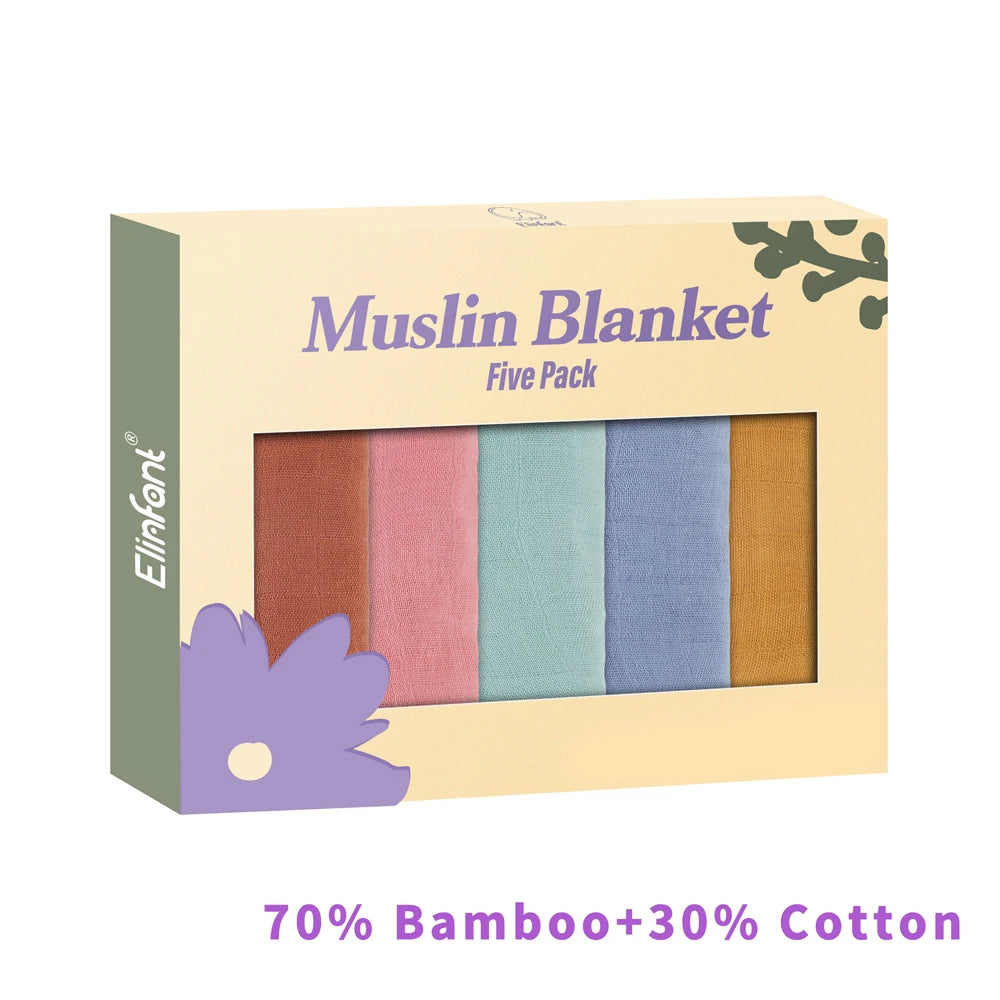
See why parents trust these best bibs for infants — get yours today!
Related Articles:
- Unisex Muslin Bibs for Infants: Benefits for Different Feeding Styles
- Sensitive Skin Baby Bib: How to Prevent Irritation During Feeding
Pillar Articles:





