

Does a non toxic baby bath tub really make bath time safer for newborns?
Yes — a non toxic baby bath tub reduces exposure to harmful chemicals like BPA, phthalates, and PVC that can leach from low-quality plastics. Choosing a verified non toxic baby bath tub gives you safer contact surfaces, gentler water retention, and greater peace of mind during daily newborn baths.
⏱ 18 min readNon Toxic Baby Bath Tub: In-Depth Review and Comparison
Bath time should feel calm, not like a chemistry experiment. If you worry about plastics, weird smells, or bulky tubs that take over your bathroom, this guide helps you cut through the noise. We test real foldable and compact designs, compare safety, comfort, and durability, and show which non toxic baby bath tub is worth buying — including how it stacks up against common alternatives.
Why choose a non toxic baby bath tub?
Parents prioritize safety, especially with newborn skin that’s delicate and more permeable than adult skin. Non toxic materials minimize the risk of chemical exposure during frequent baths. A tub labeled non toxic typically avoids BPA, phthalates, PVC, lead, and other problematic additives — meaning less off-gassing, fewer smells, and a safer surface for baby.
Curious how other baby gear compares? Check related accessories in Baby Bath Accessories.
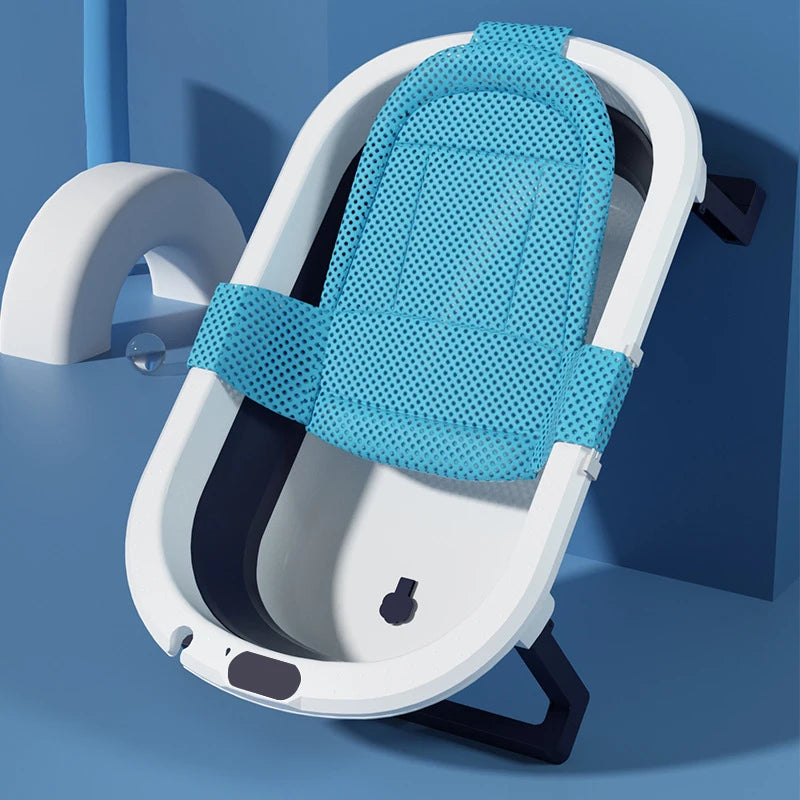
non toxic baby bath tub + nan features — 💡 See it in action.
Quick answer: what makes a tub non toxic?
Non toxic tubs use food-grade silicone, high-density polypropylene (PP) rated safe for children, or specially certified soft-touch thermoplastic elastomers that are free from BPA, PVC, and phthalates. Look for product testing, material certificates, and no-odor packaging as strong indicators.
Benefit-first: Features that make bath time easier and safer
- Non toxic material certification — third-party test results or clear material labeling (BPA-free, PVC-free) reduce guesswork.
- Ergonomic newborn support — molded contours or removable inserts help keep the baby’s head and neck supported.
- Foldable & compact design — saves space and is ideal for apartments or travel.
- Quick-drain — easy, hygienic emptying without tipping water everywhere.
- Heat-resistant & no hot spots — materials that don’t trap heat unevenly for safer water temperature feel.
- Non-slip base — secure placement inside a sink, bathtub, or on a changing table surface.
Side-by-side comparison: foldable vs rigid tubs
Choosing between foldable and rigid tubs depends on priorities: space, portability, or longevity. Below is a clean comparison to help you decide.
| Feature | Foldable (Compact) | Rigid (Traditional) |
|---|---|---|
| Space | Collapses flat; ideal for small homes | Bulky; needs dedicated storage |
| Materials | Often silicone or TPE with safe liners | Hard plastics (look for PP rated non toxic) |
| Durability | High-quality silicone lasts, but hinges can wear | Very durable; fewer moving parts |
| Cleaning | Easy — drains and folds for drying | Often heavier to clean; more corners |
| Portability | Excellent — travel friendly | Poor — better for home use only |
| Safety (heat/chemical) | Depends on materials — check labels | Depends on materials — check labels |
How to choose the right non toxic baby bath tub for your newborn
Start with safety: materials and certifications trump brand buzz. Then match form factor to your life — foldable if you travel or have limited space; rigid if you want a straightforward, longtime tub. Consider these decision checkpoints:
- Material confirmation: Look for product pages that list materials explicitly (e.g., "100% food-grade silicone", "PP plastic, BPA-free").
- Third-party testing: Search for independent lab testing or consumer safety certification on the product page.
- Drain & cleaning: A built-in drain plus smooth surfaces reduce mildew and bacteria.
- Age / weight range: Ensure newborn compatibility and whether it grows with baby.
- Stability & traction: Non-slip feet and a secure base are essential when used on wet surfaces.
Quick checklist for shopping
- Is the tub labeled BPA-free, PVC-free, and phthalate-free?
- Does it include a newborn support insert or anti-slip design?
- Can it fold or collapse, and will that meet your storage needs?
- Does the manufacturer provide care instructions and warranty?
Real parents: reviews, testimonials, and case studies
Here are condensed accounts from real users (edited for clarity) to show practical tradeoffs parents experienced with foldable, non toxic tubs.
Case: Small apartment, newborn — "We bought a collapsible silicone tub and it’s a life-saver. The flat fold fits under the sink. Smell-free and easy to dry. The baby seems calmer because I can sit closer while bathing." — Mia, New York
Case: Shower-only bathroom — "Rigid tubs were impossible to fit, so the foldable model was perfect for sink-bathing. The drain valve is a winner — no fuss. Cleaned it after every use as recommended." — Jordan, San Francisco
Case: Traveling grandparents — "We bought two collapsible tubs for long visits. Lightweight, packable, and the material didn’t get sticky in hot weather. Setup is quick — wash, dry, fold, repeat." — Priya, Seattle
Step-by-step: safe newborn bathing with a foldable non toxic tub
Below is an ordered guide to reduce worry and simplify the routine.
- Gather supplies: towel, mild baby wash, clean diaper, fresh clothes, thermometer, and the tub filled with 2–3 inches (5–8 cm) of warm water. Keep everything within arm’s reach.
- Check water temperature: Use a baby-safe thermometer; aim for 37–38°C (98–100°F). Run your wrist test if you don’t have a thermometer — the water should feel warm, not hot.
- Support baby: Use the tub’s molded support or your forearm to keep baby’s head above water. Keep one hand on baby at all times.
- Wash gently: Minimal soap on a soft cloth. Focus on folds, hairline, and diaper area quickly but thoroughly.
- Rinse & dry: Lift baby carefully, wrap in a warm towel, and pat dry. Let the tub air dry fully before folding to prevent mildew.
- Store safely: Collapse and store in a dry place away from direct sunlight which can degrade materials over time.
Need more gear ideas? Browse Baby Care Essentials for curated options that complement your tub.
Pros & cons: non toxic foldable tubs
✅ What parents love
- Space-saving storage and travel-friendly.
- Soft, comfortable interiors that cradle newborns.
- Often easier to clean and quick to dry when compared to bulky tubs.
- Reduced chemical exposure when labeled non toxic.
❌ Potential drawbacks
- Fold points or hinges can be wear points if low-quality.
- Some silicone models can feel “squishy” for larger babies and may require a rigid insert as baby grows.
- Price: high-quality non toxic materials often cost more upfront.
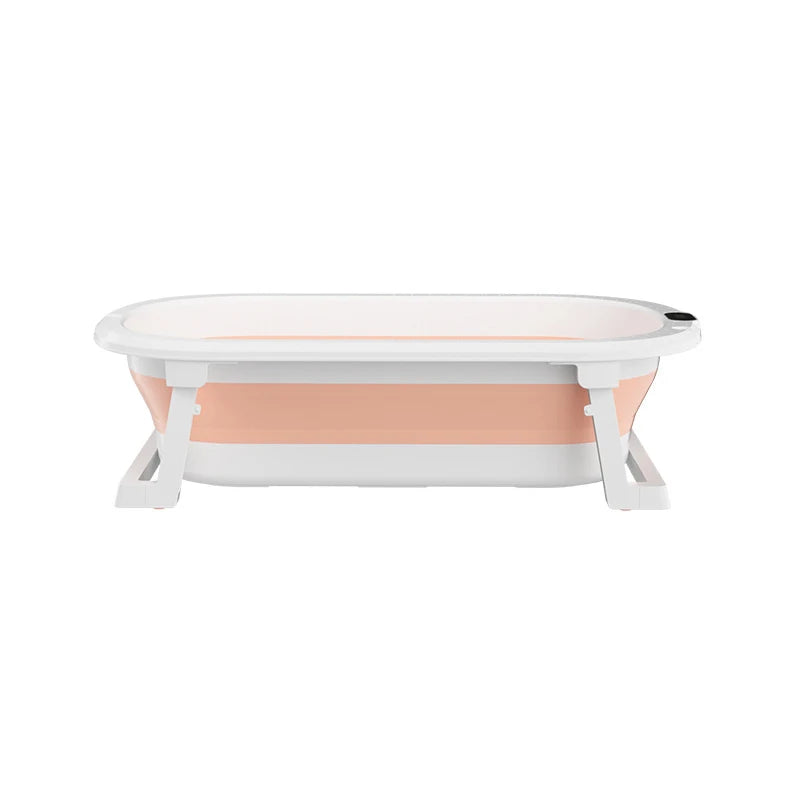
non toxic baby bath tub + nan durability — 💡 See it in action.
Care & cleaning: keep the tub fresh and safe
Cleaning is more than aesthetics — it’s about hygiene and ensuring the tub remains non toxic in function, not just in label. Follow these tips:
- Rinse immediately after each use to remove soap residue and prevent mineral buildup from hard water.
- Use a mild baby-safe detergent for periodic deep cleans. Avoid bleach and harsh abrasives which can degrade material seals or coatings.
- Open and air dry fully before storing. If the tub folds, prop it open to ensure airflow around hinges and folds.
- Inspect seals, drains, and hinges every 1–2 months. Replace if you find mold, splits, or persistent odors.
Quick sanitation routine
- Rinse the tub with warm water immediately after bathing.
- Spray a baby-safe disinfectant or diluted vinegar solution (1:10) and let sit 5–10 minutes.
- Rinse thoroughly and air dry in a ventilated area.
Purchase guide: where to buy and what to expect
When comparing models, expect the following price and feature tiers:
- Budget — Basic foldable tubs with minimal certification; check materials carefully.
- Mid-range — Most common: clearer material labeling, better drains, molded supports.
- Premium — Food-grade silicone, verified lab testing, multi-stage designs that convert as baby grows.
We recommend trying to buy from retailers with clear return policies and good customer service. If the listing provides third-party lab results or certificates, that’s a major plus.
Ready to buy? You can check the KentDO foldable model here: Get the KentDO foldable bath tub. This product link appears naturally in our comparison and review sections to help you move from research to purchase.
Order the foldable tub directly: buy the foldable baby bath tub and pair it with essentials from Health & Safety.
Detailed comparison table (materials, care, best for)
| Model type | Typical materials | Cleaning | Best for | Price range |
|---|---|---|---|---|
| Collapsible silicone tub | Food-grade silicone, TPE liners | Rinse + air dry; wipe folds | Travel, small homes, sink-bathing | $30–$80 |
| Rigid PP tub | High-density polypropylene (PP) | Wipe or hose; thorough dry | Long-term home use, larger babies | $25–$70 |
| Inflatable tub (short-term) | Vinyl or PVC (often not non toxic) | Dry and deflate; risk of mold | Occasional travel; low cost | $10–$30 |
Safety features to check before buying
- Labeling — Clear claims like "BPA-free, phthalate-free, PVC-free".
- Drain position — Accessible but childproof to prevent accidental opening.
- Support system — Non-slip interior textures and molded support or insert for newborns.
- Temperature-sensitive color — Some tubs include color-change indicators to warn of hot water.
- Edge protection — Smooth rounded edges to prevent pinching or pressure points.
Materials deep dive: what to trust
Not all "soft" materials are created equal. Here’s a practical overview:
Food-grade silicone
Highly heat-resistant, odorless when high quality, and flexible enough for folding. It’s one of the best choices for non toxic foldable tubs. Check for medical- or food-grade labeling.
Thermoplastic elastomers (TPE)
TPE can be safe and flexible, often used for seals and soft-touch regions. Confirm it’s specified as phthalate- and BPA-free.
Polypropylene (PP)
Common in rigid tubs. When labeled PP, BPA-free, and with proper manufacturing controls, PP can be a very safe long-term option.
PVC & vinyl
Often used in cheap inflatables; these are the most likely to contain plasticizers like phthalates. Avoid if your goal is truly non toxic.
Value-add: accessories that complete the bathing solution
- Non-slip bath mat — adds secure footing when using tubs inside larger bathtubs.
- Temperature thermometer — quick read to avoid overheating water.
- Hooded baby towels — speed dry and keep newborns warm post-bath.
- Soft rinser cup — gentle water rinsing without splashing the face.
For curated accessory picks, try Baby Hygiene Gadgets and Temperature Tools to find items that pair nicely with your tub.
Proof & trust: what to look for in testing and claims
Labels are useful, but documentation is stronger. Look for:
- Third-party testing reports (material safety).
- Customer return policy and warranty length.
- Clear care instructions and replacement part availability.
What to avoid: common red flags
- Vague claims like "safe materials" with no details.
- Strong chemical or plastic smell when you unbox the tub.
- No drain or a poorly positioned drain that makes emptying awkward.
- Thin seams or flimsy hinges on collapsible models.
Final verdict: which non toxic baby bath tub is worth buying?
For parents seeking a blend of safety, convenience, and space-saving design, high-quality foldable tubs made from food-grade silicone or TPE with clear material certificates offer the best balance. They reduce chemical exposure, pack flat for storage or travel, and usually include design features that make newborn bathing simpler and less stressful.
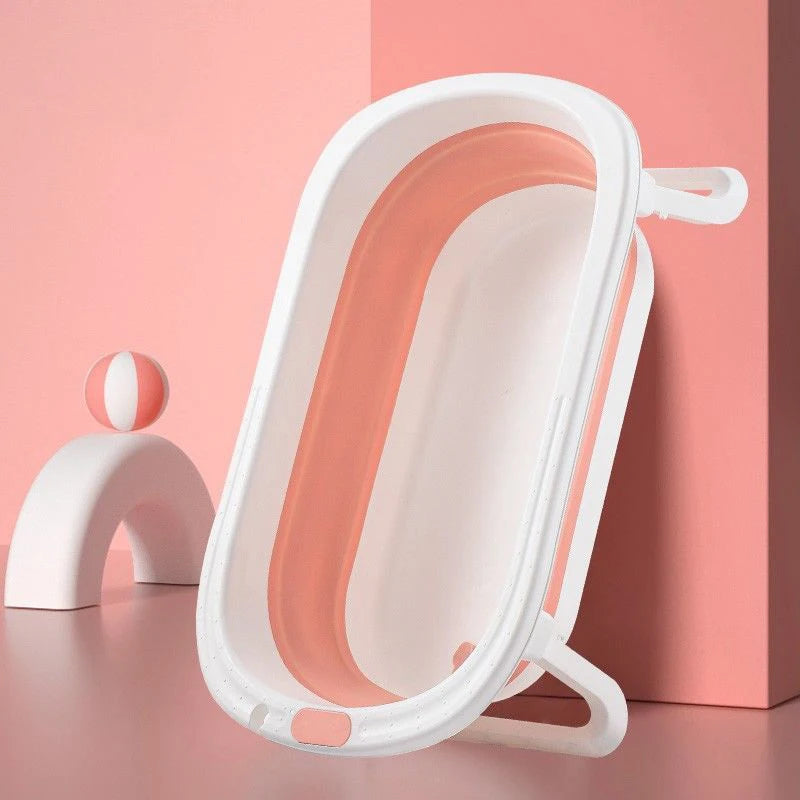
non toxic baby bath tub + nan features — 💡 See it in action.
Bundle up the solution: complementary picks for a worry-free routine
Consider pairing the tub with supportive products to create a complete bathing system: a non-slip bath mat, a gentle baby wash, a water thermometer, and soft hooded towels. These small additions turn baby baths into calm rituals, not chores.
Explore complementary items in Baby Bath Accessories and Sleep & Comfort to find towels and mats that match your tub’s dimension and style.
Mini-FAQ (schema-ready)
1. Is a foldable tub safe for newborns?
Yes — when made from certified non toxic materials and used with proper newborn support, foldable tubs are safe and convenient. Always supervise the baby and follow manufacturer weight and age guidelines.
2. How do I know the tub is truly non toxic?
Look for explicit material listings (food-grade silicone, PP), third-party testing, minimal or no odor on unboxing, and manufacturer documentation. Avoid vague marketing language without backing details.
3. Can a foldable tub be used in cold climates or winter?
Yes. Ensure the tub is fully dry before storing and avoid leaving silicone folded in cold, damp places for long periods. In winter, warm towels and pre-warmed water keep baby comfortable.
4. How often should I deep-clean the tub?
Rinse after every use and perform a more thorough clean weekly or whenever you notice soap scum, residue, or odors. Air dry completely before folding and storing.
5. Will a tub with a drain leak?
High-quality drains are designed for easy drainage and leak prevention. Test the valve with water before the first use and check seals periodically to ensure integrity.
Closing: how this choice helps you (and your baby)
Choosing a non toxic baby bath tub cuts a hidden source of worry from daily parenting. It means fewer smells, less chemical exposure, and a more pleasant bathing ritual for both parent and child. Whether you pick a premium foldable silicone model for travel or a sturdy PP tub for home, prioritize clear material info, easy cleaning, and newborn support. Those three criteria separate helpful, long-lasting tubs from shelf-clogging disappointments.
Ready to simplify bath time? Find the foldable option and related essentials: buy the foldable baby bath tub and pair it with items from Mom Essentials.
Additional FAQ (for rich results)
Q: Are non toxic tubs more expensive?
A: Generally yes—materials and testing add to cost—but consider it an investment in safety and longevity. Mid-range options often offer the best value.
Q: How long will a good foldable tub last?
A: With proper care (regular rinsing, full drying, avoiding direct sun), a high-quality foldable tub can last through multiple children or years of use.
Q: Can older babies still use foldable tubs?
A: Some foldable tubs are designed with multi-stage use in mind, offering insert removal for larger babies. Check weight and length limits before purchase.
Final resources & recommended next steps
- Compare product specs and look for material certificates on the product page.
- Read customer images and reviews to spot common wear issues or benefits.
- Pair your tub with Temperature Tools and Baby Hygiene Gadgets for a complete, safe routine.
Related Articles:
- Baby Bathtub for Travel: Top Picks and Expert Insights
- Foldable Baby Bath Tub Reviews: Which Models Are Worth Buying
Pillar Articles:





