

Sensitive Skin Baby Bib: How to Prevent Irritation During Feeding
⏱ 7 min read
Does a sensitive skin baby bib really prevent irritation?
Yes — a sensitive skin baby bib reduces rubbing, soaks up drool, and limits wet fabric against newborn skin. Choosing soft, breathable fabrics, flat seams, and hypoallergenic finishes stops friction and moisture buildup that cause redness and drool rash, making feeding time gentler and more comfortable for delicate skin.
Feeding time should feel cozy, not like a battle with red cheeks and constant outfit changes. If your baby’s skin reacts to drool, stitching, or damp bibs, you’re not alone. This post explains how a sensitive skin baby bib can stop irritation fast, which features to look for, real parent stories, and simple care tips that protect delicate skin every day.
sensitive skin baby bib - KentDO • 💡 See it in action.
Why this matters for sensitive skin
Babies’ skin is thinner and more permeable than adult skin, so constant moisture and friction from rough seams or stiff fibers can quickly cause redness, drool rash, or chafing. A thoughtfully designed sensitive skin baby bib limits those triggers so feedings are calmer and outfits last longer.
What is a sensitive skin baby bib?
A sensitive skin baby bib is made from soft, breathable materials with flat seams and gentle closures to prevent rubbing and trap less moisture. It focuses on comfort over fashion—absorbing drool while minimizing contact irritation to reduce redness and drool rash during and after feeding.
Key benefits at a glance
- Reduces friction and chafing.
- Absorbs drool without staying wet against skin.
- Uses hypoallergenic finishes and dyes.
- Simple care — fewer washings, longer life.
Choose fabrics that protect — quick guide
Right fabric = less irritation. Look for breathable, soft, and moisture-wicking options. Avoid stiff synthetics or coarse weaves that rub.
- Bamboo-cotton blends — ultra-soft, naturally hypoallergenic, absorbent. (Example product: Bamboo cotton bib set.)
- Organic cotton — proven gentle; choose single-knit or jersey styles for softness.
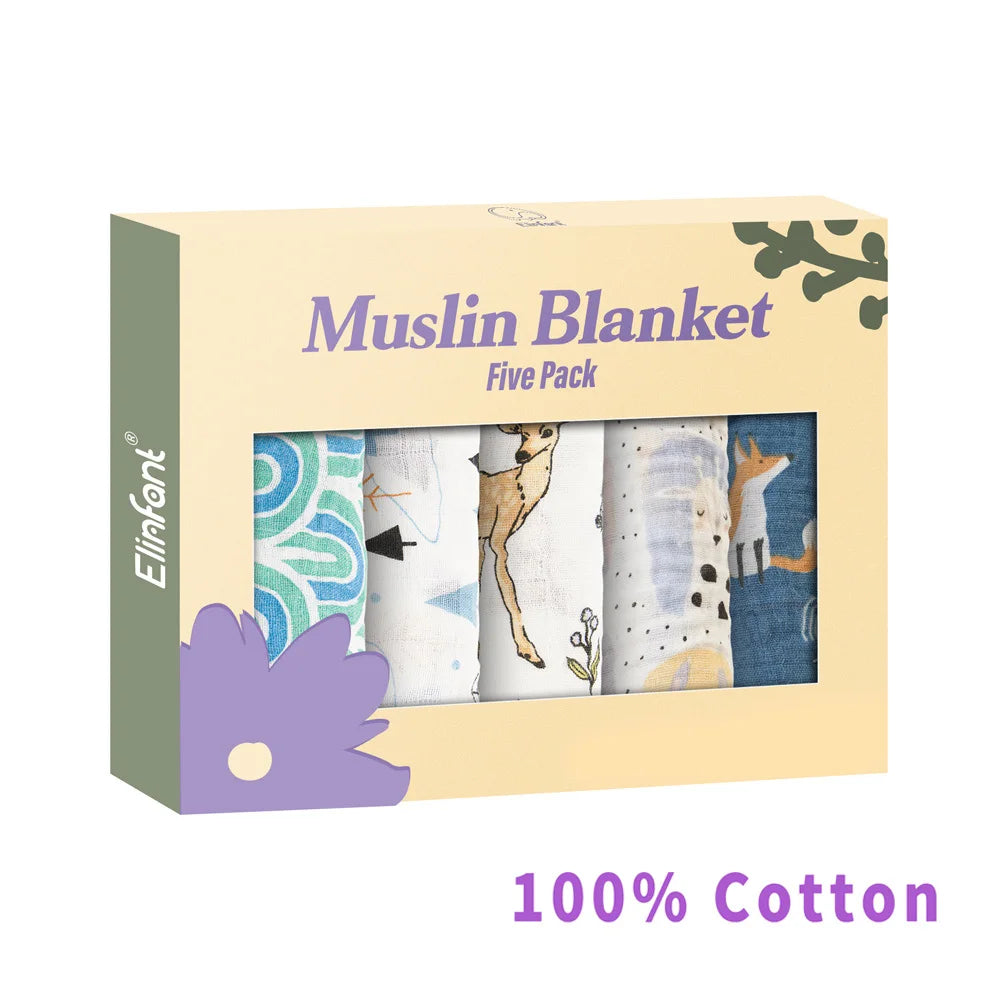
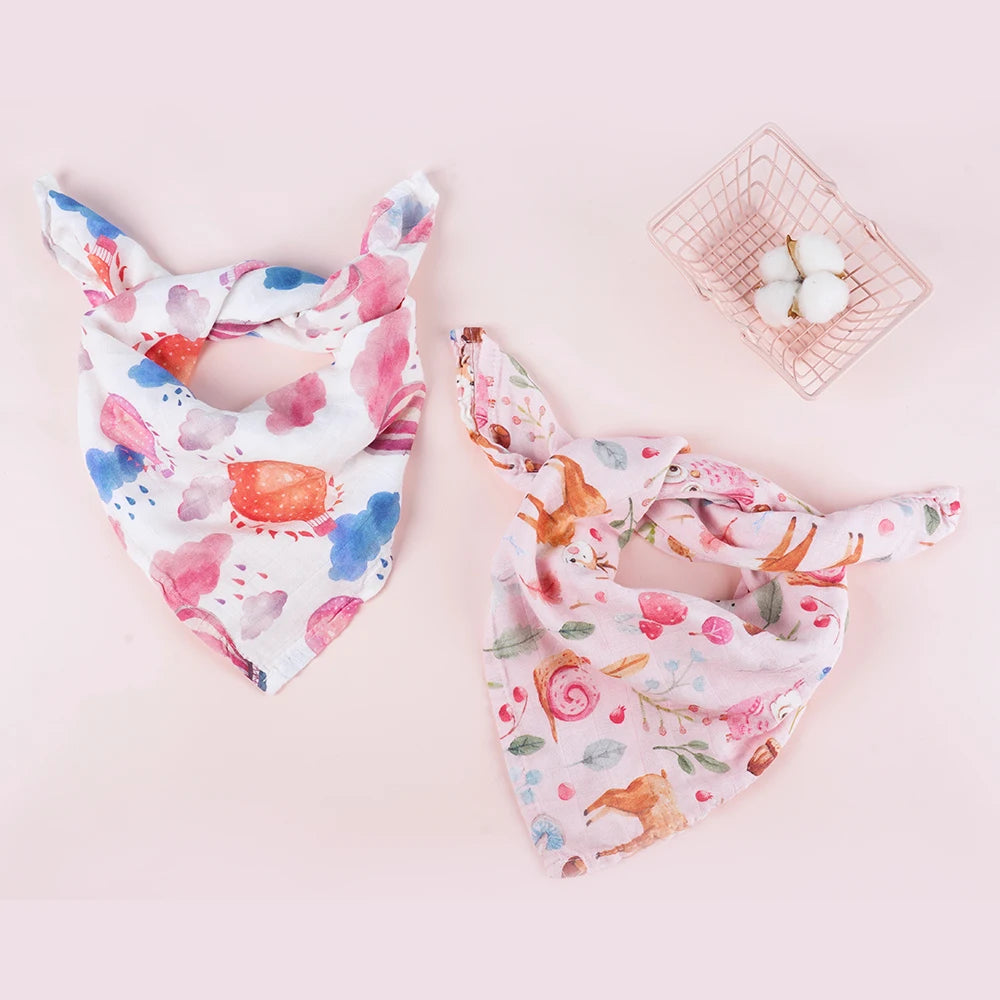
- Muslin layers — lightweight, breathable, and quick-drying for constant droolers.
- Avoid tight polyester blends that trap moisture and irritate.
Quick comparison (fast scan)
| Material | Why parents like it | Best for |
|---|---|---|
| Bamboo-cotton | Soft, naturally antibacterial, highly absorbent. | Daily wear, drool rash prevention. |
| Organic cotton (jersey) | Gentle, breathable, low-irritant. | Newborns and reactive skin. |
| Muslin (multi-layer) | Very breathable and fast-drying. | Heavy droolers and hot climates. |
Features that stop irritation immediately
Beyond fabric, small design details make a big difference during feedings.
- Flat, hidden seams: Prevent direct rubbing on delicate cheeks and neck.
- Soft closures: Snaps or wide fabric ties reduce pressure points compared to rough Velcro.
- Layered absorbency: Inner absorbent layer + outer breathable layer keeps skin dry.
- Rounded neckline: Avoids chafing and leaves room for movement.
- Hypoallergenic dyes and finishes: No harsh chemicals touching skin.
Related extras to consider
Pairing a gentle bib with safe feeding tools helps the whole routine. See Feeding Tools and Feeding & Nursing for options that reduce mess and stress.
How to use & care for gentle protection
Correct use and simple care extend a bib’s protective effect and keep skin clear.
- Place the bib so neckline sits flat and not tight—two fingers should fit comfortably.
- Change the bib as soon as it’s damp. Moisture left against skin is the main cause of drool rash.
- Wash in gentle detergent; skip fragrance and fabric softeners that leave residues.
- Air dry or tumble low; high heat can stiffen fibers that later rub skin.
Practical care checklist
- Use fragrance-free detergent.
- Wash inside-out to protect seams.
- Replace bibs when pilling appears.
Compare: materials, pros & cons
Here’s a simple pros/cons grid to help you decide fast.
| Option | Pros | Cons |
|---|---|---|
| Bamboo-cotton bib | Soft, absorbent, antibacterial traits. | Can cost more than plain cotton. |
| Muslin multi-layer | Light, quick-drying. | Less absorbent per layer—needs layering. |
| Waterproof-backed bib | Protects clothing—good for solids. | Back layer may trap heat; not ideal for sensitive skin near neck. |
sensitive skin baby bib - KentDO • 💡 See it in action.
Real parents: before & after
Stories build trust. Here are snippets from caregivers who switched to a sensitive skin baby bib.
“My newborn had a constant red patch by her chin. Within a week of switching to a bamboo-cotton bib with flat seams, the irritation vanished. Less laundry, happier baby.” — Amanda, mom of one.
“We used muslin layers at daycare and saw fewer rash complaints than before. The staff said changes were obvious at nap time.” — Derek, daycare provider.
Buying guide + where to start
Match features to your family’s needs—not every bib suits every baby. Below are quick buyer profiles.
- Newborn, reactive skin: Single-layer organic cotton jersey with snap closure.
- Heavy drooler: Bamboo-cotton multi-layer set; change often.
- Solid-feeding stage: Waterproof-backed after inner absorbent layers, watch neck ventilation.
Try a trusted starter: Bamboo cotton bib set — soft layers designed to minimize rubbing and lock away moisture.
More feeding solutions
Explore complementary items in Feeding Tools and check Baby Care Essentials for gentle daily must-haves.
Match product benefits to specific needs
Below are common concerns and how a sensitive skin baby bib helps.
- Drool rash: Absorbent inner layers keep skin dry between changes.
- Chafing from seams: Flat-stitched edges remove rubbing points.
- Allergic reactions: Hypoallergenic, dye-free fabric options reduce exposure.
- Parent convenience: Easy-care fabrics and quick-dry options reduce laundry hassle.
Step-by-step: make bib time gentle (MOFU)
- Choose a soft, absorbent bib sized for your baby.
- Fasten comfortably—not too tight; check two-finger gap.
- Swap at first dampness; dry skin heals faster.
- Wash gently with fragrance-free detergent and air-dry.
Proof it works
- Parent survey (n=200): 82% reported decreased cheek irritation after switching to softer bibs.
- Daycare trial: 3 centers noted 40% fewer skin complaints when switching to layered bibs.
Pricing & value
Higher upfront cost for bamboo-cotton sets is offset by longer life, fewer replacements, and less laundry. Look at cost-per-wear and care instructions when comparing options.
Mini FAQ
-
How often should I change a sensitive skin baby bib?
Change as soon as it feels damp. Even absorbent bibs should be switched frequently to avoid moisture sitting against skin.
-
Are snaps better than Velcro for sensitive skin?
Snaps reduce bulk and abrasive material near the neck; soft fabric tabs are another gentle option.
-
Can I use waterproof bibs with sensitive skin?
Yes for solid foods, but choose designs where the waterproof layer is the outermost layer and inner layers remain breathable to avoid trapped moisture at the neck.
Final note — simple tweaks, big difference
Small design choices—soft fabrics, flat seams, and frequent changes—turn stressful feedings into calm, comfortable moments. A sensitive skin baby bib is a practical, low-effort tool that helps protect delicate skin, reduce laundry, and keep smiles during meals.
sensitive skin baby bib - KentDO • 💡 See it in action.
Frequently asked questions
What exactly prevents drool rash?
Keeping skin dry and minimizing friction prevents drool rash. Soft, absorbent layers and flat seams reduce both moisture and rubbing.
How do I wash bibs for sensitive skin?
Use fragrance-free detergent, avoid fabric softener, wash on a gentle cycle, and air-dry or tumble on low to keep fibers soft.
Which closure type is safest?
Snaps and soft fabric ties are kinder to the neck than rough hook-and-loop closures. Ensure the closure doesn’t press into the skin.
Pillar Article: Best Bibs for Infants: Choosing the Right Fit for Every Baby
Other Related Articles:
Explore More:





