

Do unisex muslin bibs for infants really make feeding easier?
Yes. Unisex muslin bibs for infants provide lightweight, breathable protection that soaks up spills without weighing down your baby, adapts to bottle-feeding, breastfeeding, and baby-led weaning, and reduces wardrobe changes and irritation—making messy feeds quicker to manage while keeping your little one comfortable and dry.
⏱ 6 min read — Unisex Muslin Bibs for Infants: Benefits, Comparisons & Best Picks
Every parent knows the tiny moment between “all done” and a soaked shirt can feel like a small emergency. Whether you’re bottle-feeding at midnight, nursing in public, or letting a curious toddler explore finger foods, the right bib can turn chaos into calm. This guide goes further—helping you compare the best muslin bibs for babies, understand key features, and choose the right option for your feeding routine.
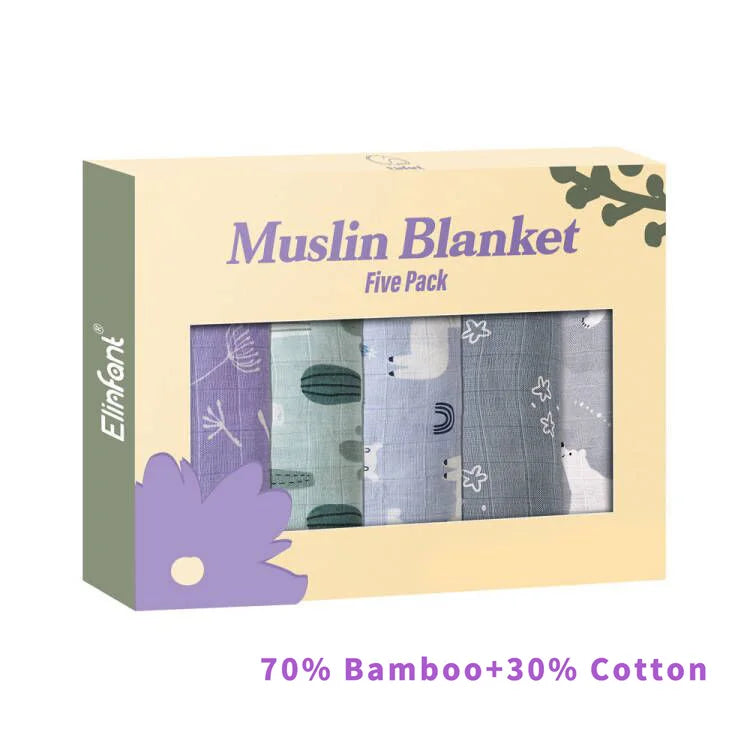
unisex muslin bibs for infants - Great for feeds and spills
Best Muslin Bibs for Babies: Quick Comparison
| Category | Best For | Key Feature |
|---|---|---|
| Best Overall | Daily feeding & drool | Balanced absorbency + comfort |
| Newborns | Sensitive skin | Ultra-soft lightweight muslin |
| Heavy droolers | Teething babies | Multi-layer absorbency |
| Organic option | Eco-conscious parents | Chemical-free cotton |
| Value pack | Daycare & travel | Multiple bib rotation |
Our Top Picks for the Best Muslin Bibs for Babies
Best Overall
Multi-layer muslin bib sets offer the best balance of softness, absorbency, and everyday usability. Ideal from newborn to toddler stages.
Best for Newborns
Single or double-layer muslin bibs are lightweight and gentle on delicate skin, preventing overheating and irritation.
Best for Heavy Droolers
Thicker, multi-layer bibs are designed to handle teething drool without soaking through clothes.
Best Organic Option
Organic muslin bibs minimize exposure to dyes and chemicals—ideal for babies with eczema or sensitive skin.
Best Value Multi-Pack
Bulk sets reduce laundry stress and are perfect for daycare or travel routines.
Best Feeding Bib
Wider-coverage muslin bibs provide extra protection during messy solids or baby-led weaning.
Why Choose Muslin Bibs Over Other Baby Bibs?
Breathability
Muslin’s loose weave allows airflow, reducing overheating during feeding.
Comfort for Sensitive Skin
Soft cotton fibers prevent friction and irritation around the neck area.
Lightweight for Everyday Wear
Unlike bulky alternatives, muslin bibs stay comfortable for all-day use.
Are Muslin Bibs Good for Newborns?
Newborn safety
Yes—when used under supervision, muslin bibs are safe and comfortable for newborns.
Age recommendations
Use lightweight bibs for newborns and upgrade to thicker versions as feeding increases.
When to size up
If the bib becomes tight or coverage is insufficient, move to adjustable or larger sizes.
Drool Bibs vs Feeding Bibs: Which Do You Need?
Everyday drooling
Drool bibs are smaller, lightweight, and designed for all-day wear.
Mealtime use
Feeding bibs offer wider coverage and higher absorbency.
When to own both
Most parents benefit from having both types—one for daily wear, one for meals.
How We Evaluated These Muslin Bibs
Absorbency tests
We assessed how quickly bibs soaked up milk and drool without leaking.
Wash durability
Bibs were tested over multiple wash cycles to check shrinkage and softness retention.
Comfort during daily use
We evaluated fit, softness, and baby comfort over extended wear.
Buying Guide: How to Choose the Right Muslin Bib
Fabric layers and GSM
2–4 layers offer optimal absorbency for most babies.
Closure types
Snaps are durable; ties allow adjustable fit.
Size and neck fit
Ensure a snug but comfortable fit to prevent leaks.
Certifications
Look for organic or OEKO-TEX certified materials.
Material Comparison: Single-Layer vs Multi-Layer Muslin
| Feature | Single Layer | Multi Layer |
|---|---|---|
| Absorbency | Moderate | High |
| Drying Speed | Very fast | Moderate |
| Best Use | Newborns | Drool & feeding |
How to Wash and Care for Muslin Bibs
Washing tips
Use mild detergent and warm water.
Drying
Air dry or tumble dry low to preserve softness.
Maintaining softness
Avoid fabric softeners to keep absorbency intact.
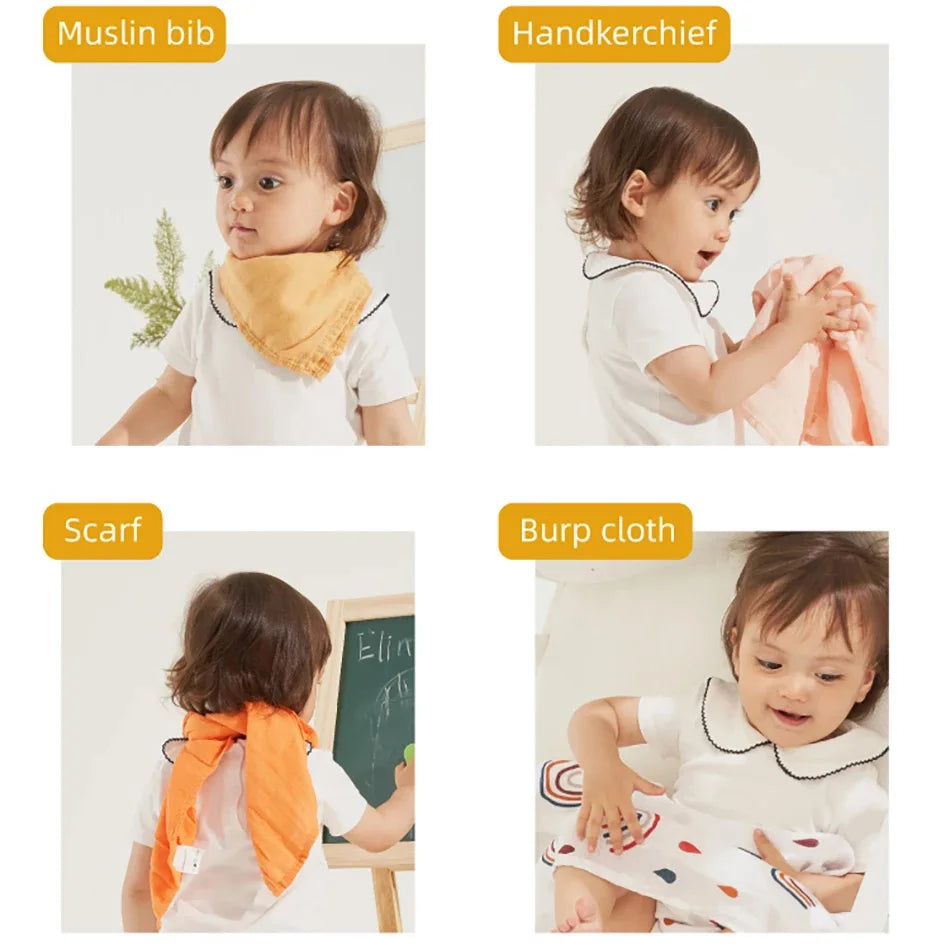
Soft, breathable, and quick-dry muslin layers
Frequently Asked Questions
-
What are the benefits of muslin bibs for babies?
They provide breathability, softness, and effective moisture absorption. -
Are muslin bibs good for newborns?
Yes, especially lightweight versions designed for sensitive skin. -
How many muslin bibs does a baby need?
Typically 6–10 for daily rotation. -
What's the difference between drool and feeding bibs?
Drool bibs are lighter; feeding bibs offer more coverage. -
Are organic muslin bibs worth it?
Yes, for babies with sensitive skin or allergies. -
How often should muslin bibs be washed?
After each heavy use or daily rotation. -
Do multi-layer bibs absorb better?
Yes, they handle heavier moisture effectively. -
What should I look for in breathable bibs?
Soft cotton, lightweight weave, and adjustable fit.
Final Recommendations
For most families, a multi-layer muslin bib set offers the best balance of comfort and absorbency. Newborns benefit from lighter options, while older babies need thicker bibs for drool and solids. Investing in a mix of styles ensures you’re covered for every feeding stage.
Explore coordinated essentials in Baby Care Essentials to build a smoother, stress-free feeding routine.
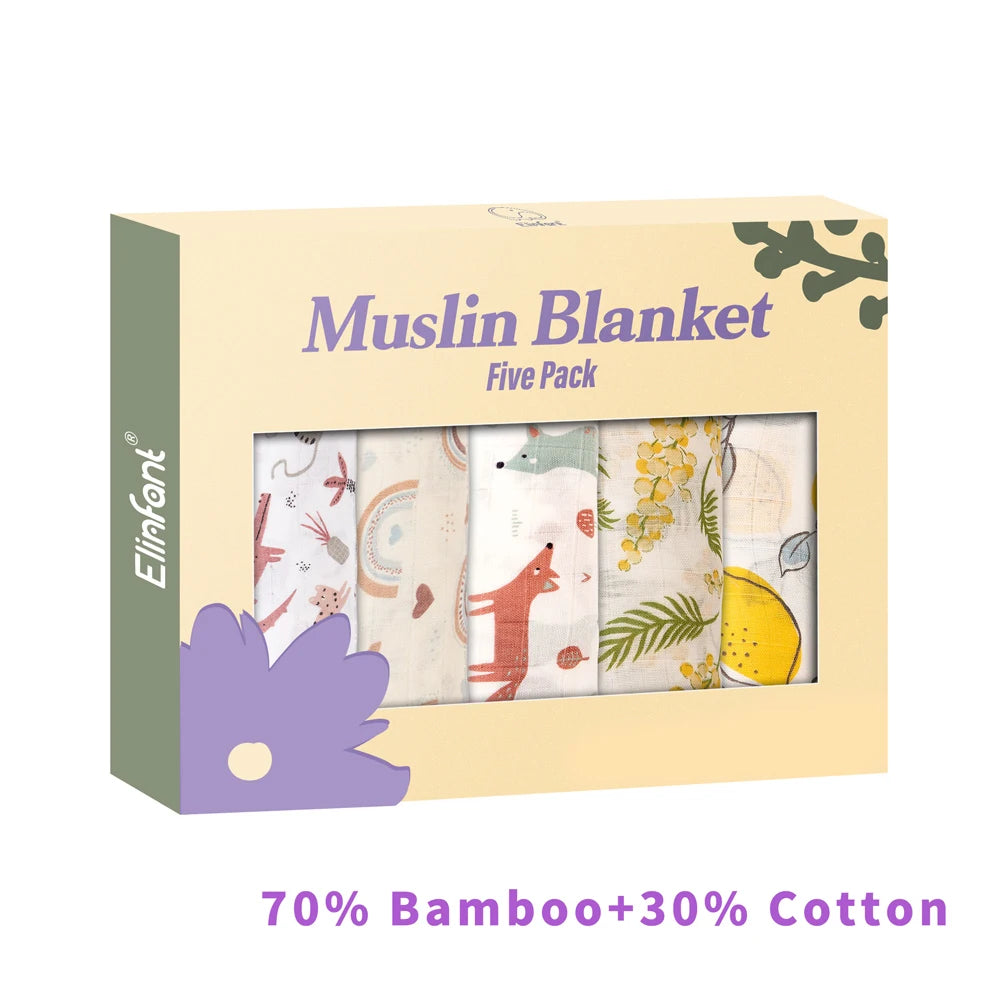
Gentle, absorbent, and travel-ready muslin bibs
Pillar Article: Best Bibs for Infants: Choosing the Right Fit for Every Baby
Other Related Articles:
Explore More:





