

Silicone Suction Cup Benefits: Best Silicone Suction Plates for Babies That Actually Stay Put
A silicone suction cup can make everyday feeding easier by helping plates stay firmly in place during messy baby and toddler meals. The best silicone suction plates combine strong suction, safe materials, and practical designs that encourage independent eating while reducing spills. Parents often ask, do suction cups work better with water, how do suction cups work, and why do suction cups lose grip over time? Understanding the technology behind suction feeding plates helps families choose safer, more reliable mealtime solutions.
Does a silicone suction cup really keep plates in place?
Yes, a silicone suction cup can keep plates in place by creating a vacuum seal between the soft silicone base and a smooth surface. When properly attached, silicone suction plates resist sliding and tipping, helping babies practice self-feeding with fewer spills. However, suction performance depends on surface type, plate design, cleanliness, and correct placement.
How do suction cups work?
A silicone suction cup works by removing air between the suction base and the table or high-chair tray. This creates lower pressure beneath the cup, allowing outside air pressure to hold the plate firmly against the surface. Smooth, clean, non-porous surfaces usually provide the strongest grip because they allow the silicone edge to form a complete seal.
Why suction cups lose grip
Many parents wonder why suction cups lose grip after repeated use. Common reasons include food residue, uneven surfaces, trapped air, worn silicone edges, or incorrect placement. A suction plate may also perform poorly on textured high-chair trays because the base cannot create a complete seal.
⏱ 8 min read
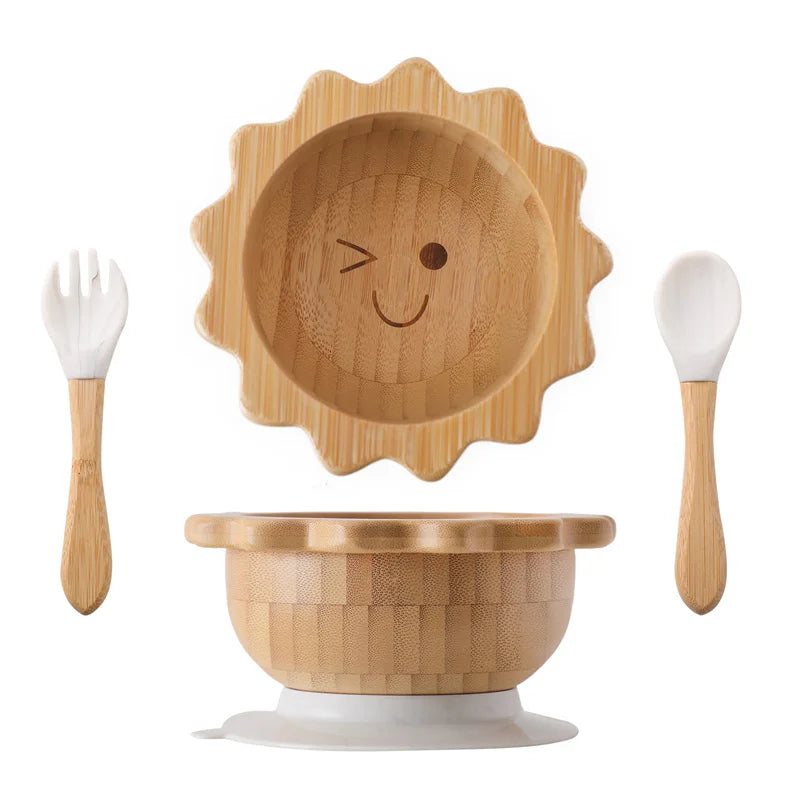
See silicone suction cup in action for safe feeding and spill reduction
Best Silicone Suction Plates for Babies in 2026
The best suction plates for babies should provide a reliable grip while supporting safe, independent feeding. Silicone suction plates are popular because they combine soft materials, easy cleaning, and flexible designs that work well for baby-led weaning and toddler meals.
Different babies have different feeding needs. Some families prefer divided plates for separating foods, while others choose simple bowls or flat plates for easier portion control. The following comparison highlights common plate styles and their best uses.
Quick Comparison Table
| Plate Type | Best Use | Main Benefit | Recommended Stage |
|---|---|---|---|
| Divided silicone suction plate | Baby-led weaning meals | Keeps foods separated and prevents sliding | 6+ months |
| Deep suction bowl | Purees, yogurt, and snacks | Higher sides support easier scooping | 6+ months |
| Large toddler suction plate | Independent toddler meals | More space for larger portions | 12+ months |
How We Tested
When evaluating silicone suction plates, important factors include:
- Suction performance: How well the plate stays attached during active feeding.
- Material quality: Food-grade silicone construction and safety-focused design.
- Cleaning convenience: Dishwasher compatibility and resistance to food buildup.
- Daily usability: Plate shape, portion design, and compatibility with common feeding setups.
Comparison Table: Which Silicone Suction Plate Is Right for Your Baby?
| Feature | Silicone Suction Plate | Traditional Baby Plate |
|---|---|---|
| Suction Strength | Strong grip when used on smooth surfaces | No anti-slip protection |
| Material and Certifications | Often made with food-grade, BPA-free silicone | Depends on material type |
| Cleaning and Safety | Soft, easy-to-clean surface | Varies by construction |
| Age Recommendation | Ideal for babies learning self-feeding | May require more supervision |
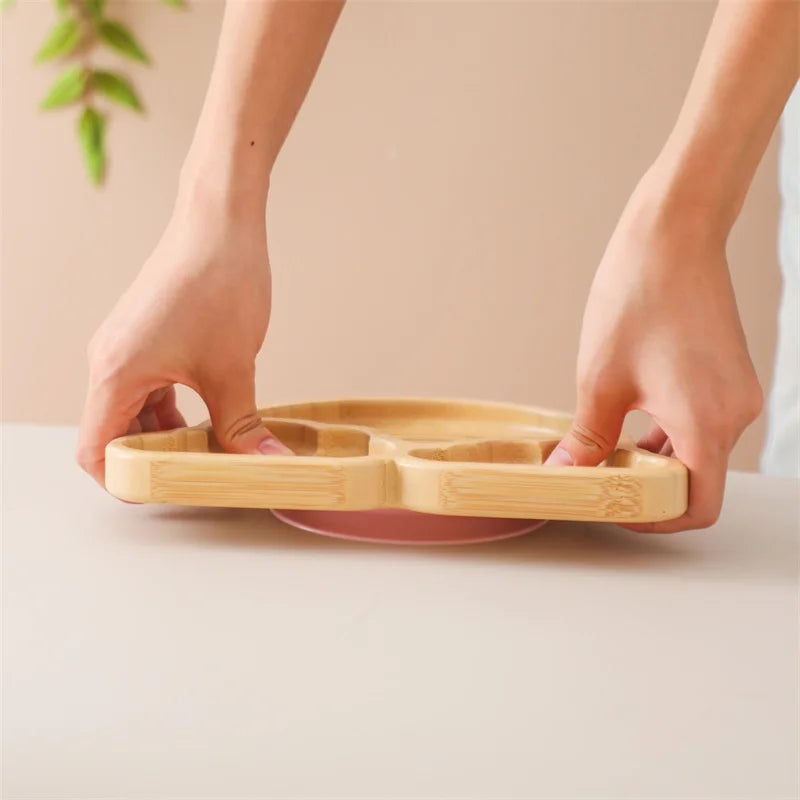
Follow suction cup instructions for silicone suction plates to reduce spills
Why Strong Suction Makes Mealtime Safer
A strong silicone suction plate creates a more stable feeding environment by preventing unnecessary movement. When babies can focus on picking up food instead of chasing a sliding plate, they can develop confidence and independence during meals.
Silicone suction plate benefits
- Reduces spills and accidental tipping
- Improves stability during self-feeding practice
- Helps minimize frustration during meals
- Supports baby-led weaning routines
- Reduces cleaning time after messy meals
Baby suction plates are especially helpful during early feeding stages because stability gives babies more opportunities to practice coordination, grasping, and food exploration.
How to Use Silicone Suction Plates Correctly
Knowing how to use suction plates correctly improves grip strength and helps prevent common suction failures.
Best surfaces for suction
Suction plates work best on smooth, clean surfaces such as plastic high-chair trays, glass tables, and polished countertops. Rough wood, textured plastic, or uneven surfaces may prevent a complete seal.
Do suction cups work better with water?
Yes, slightly dampening the suction base can improve contact and help create a stronger seal. The surface should be lightly moistened, not covered with excess water, because too much moisture may reduce stability.
- Clean the plate base and feeding surface.
- Remove crumbs, grease, and food residue.
- Add a small amount of water if needed.
- Press the silicone suction cup firmly into place.
- Check that the plate does not move before serving food.
- Lift the release tab gently when removing the plate.
Benefits of Silicone Suction Plates for Babies and Toddlers
What are the benefits of using suction plates for babies and toddlers? These plates provide stability while supporting important developmental skills, including independent eating, coordination, and food exploration.
Newborns vs toddlers
Most newborns do not require suction plates because they are typically caregiver-fed. Around six months and beyond, babies beginning complementary feeding can benefit from stable plates that support self-feeding practice. Toddlers often continue using suction plates because they encourage independence and reduce meal disruptions.
Compartment vs flat plates
Divided plates help organize different foods and support baby-led weaning by keeping flavors separate. Flat plates may work better for toddlers who prefer larger portions or mixed meals.
- Supports independent eating habits
- Encourages food exploration
- Helps with portion organization
- Provides long-term durability
- Works with feeding tools for complete mealtime solutions
Troubleshooting Suction Cup Issues
Even high-quality silicone suction plates can lose effectiveness if the base or surface is not prepared correctly.
Suction cup not sticking
- Clean away oils, crumbs, and soap residue.
- Make sure the silicone base is fully intact.
- Use a smoother surface if possible.
- Press firmly to remove trapped air.
High-chair tray compatibility
Some high-chair trays have textured finishes that make strong suction difficult. If the tray surface is uneven, a smooth silicone mat or compatible feeding surface may improve grip.
Replace a suction plate when cracks, warping, or permanent loss of suction affects performance.
How to Choose the Best Silicone Suction Plate
Food-grade silicone
The best suction plates for babies should use durable food-grade silicone designed for regular contact with meals. Look for BPA-free materials and clear product safety information.
Microwave, freezer and dishwasher safety
Daily convenience matters. Dishwasher-safe plates simplify cleanup, freezer-safe designs support meal preparation, and microwave-safe materials make reheating easier.
Shape and compartment options
Select a plate style based on your baby's feeding stage. Divided plates are useful for introducing multiple foods, while larger flat designs may suit older toddlers.
Are Silicone Suction Plates Safe for Babies?
Yes, silicone suction plates are generally safe for babies when they are made from food-grade, BPA-free silicone and used correctly. Their soft texture protects small hands, while suction bases help reduce plate movement during supervised feeding.
- Food-grade silicone supports safe daily use
- BPA-free materials provide added peace of mind
- Heat-resistant designs improve convenience
- Easy cleaning helps maintain hygiene
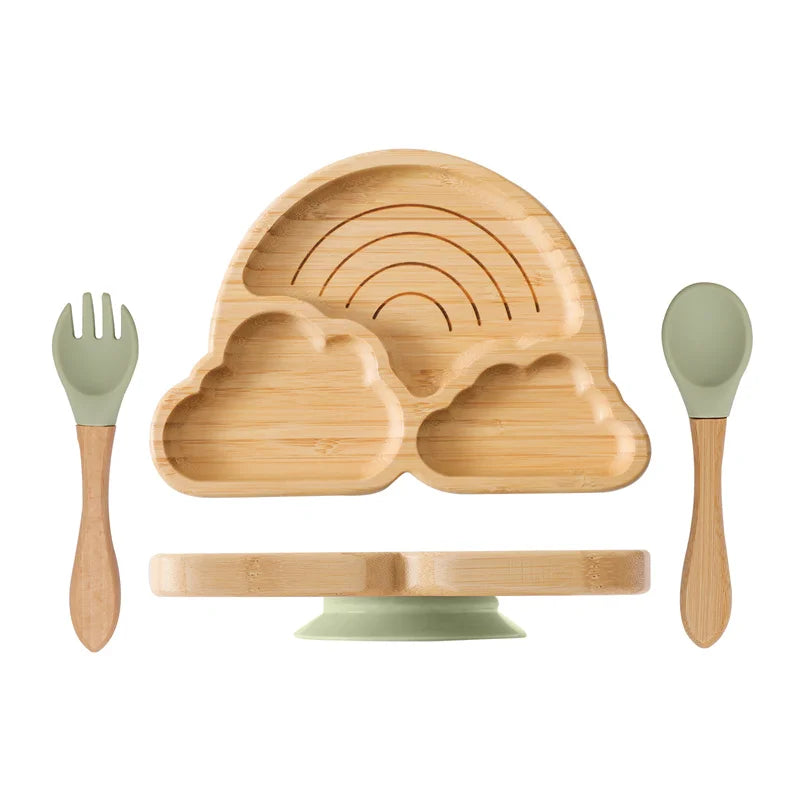
Using silicone suction cups with correct instructions supports safe feeding for infants
Frequently Asked Questions
Are silicone suction plates safe for babies?
Yes. Silicone suction plates made from food-grade, BPA-free materials are designed for safe supervised feeding and help create a stable eating surface.
How do suction cups work?
Suction cups work by creating a vacuum seal between the silicone base and a smooth surface. The pressure difference helps hold the plate securely in place.
Do suction cups work better with water?
Yes. A lightly dampened suction base can improve contact, but too much water may weaken the seal.
Why is my suction cup not sticking?
A suction cup may not stick because of residue, an uneven surface, trapped air, or a damaged silicone base.
Why do suction cups lose grip over time?
Suction cups can lose grip because of wear, repeated use on unsuitable surfaces, or buildup that prevents a proper seal.
Can silicone suction plates go in the microwave?
Many silicone suction plates are microwave safe, but always follow the product's care instructions.
Are silicone suction plates dishwasher and sterilizer safe?
Many silicone suction plates can be washed in dishwashers and some can be sterilized. Check the manufacturer's cleaning recommendations.
What is the best silicone suction plate for baby-led weaning?
The best option is usually a divided silicone suction plate with strong grip, safe materials, and easy cleaning features that match your baby's feeding style.
Related Articles:
- Toddler Dropping Plates Fix: The Design Details That Prevent Tossing
- Bamboo Melamine Plate Features That Make Toddler Mealtime Easier
Pillar Articles:





