

Toddler Dropping Plates Fix: The Design Details That Prevent Tossing
⏱ 7 min read
Does a toddler dropping plates fix really stop plate-throwing?
Answer: A toddler dropping plates fix focuses on design — strong suction bases, soft-grip edges, weighted rims, and safe, chew-friendly materials — to reduce tossing by making plates harder to detach and more satisfying to use. Combined with consistent routines and gentle limits, these plates cut down plate-throwing quickly.
Are you tired of clearing up lunchtime chaos every day? Parents of curious toddlers often face plate-throwing — a frustrating mix of exploration, testing boundaries, and sensory play. This article explains practical, design-first solutions using a silicone suction plate set and related tools to create safer, calmer mealtimes for both you and your child.
Why plates get thrown (and how design answers the behavior)
Toddlers don’t toss plates to be malicious — they’re exploring cause-and-effect, practicing motor skills, or reacting to sensory feedback (weight, sound, texture). Understanding the "why" helps you choose a plate that changes the feedback loop: if the plate can’t be easily lifted or it feels better to scoop from, tossing becomes less rewarding.
How design reduces tossing: 5 mechanics that matter
- Suction base: Strong vacuum suction anchors the plate to the tray or table so toddlers can push and prod without detaching it.
- Soft-grip rim: A tactile rim encourages holding and scooping rather than flinging; texture signals "handle here."
- Weighted edge: A slightly heavier rim or low center of gravity makes the plate harder to tip or throw.
- High-sided wells: Shallow partitions and raised sides help contain food and reduce the urge to shake contents out.
- Durable, chew-safe material: Silicone that’s flexible and forgiving feels better in little hands and survives drops without producing sharp edges.
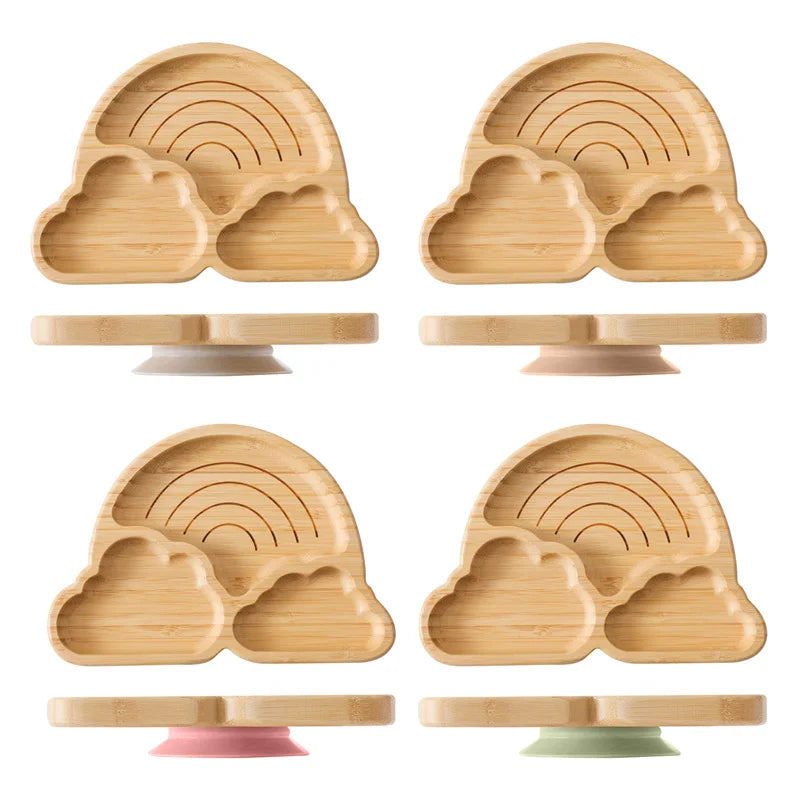
toddler dropping plates fix + silicone suction plate set — 💡 See it in action
Top features to look for in a silicone suction plate set
When comparing products, prioritize features that solve the real problem: preventing detachment, encouraging independent feeding, and keeping materials safe and easy to clean.
- Real-world suction strength: Look for a suction that sticks to a variety of surfaces (high-chairs, wood, laminate) and releases cleanly when you lift the tab.
- Easy-release tab: You want caregiver-friendly removal — a small tab that adults can lift without wrestling the child.
- BPA- and phthalate-free silicone: Safety first — food-grade materials that survive heat and chewing.
- Dishwasher-safe and stain-resistant: Parents need low-effort cleaning that doesn’t wear the suction down over time.
- Design cues for independence: Color contrast, shallow wells, and scoop-friendly rims help toddlers master finger-to-spoon coordination.
Quick comparison: suction vs. weighted vs. traditional
| Type | Why it helps | Best for |
|---|---|---|
| Silicone suction plate set | Anchors plate, soft rim, chew-safe | Most toddlers starting self-feeding |
| Weighted plates | Harder to lift or tip due to weight distribution | Older toddlers who muscle through suction |
| Traditional plastic/ceramic | No anti-toss features; easy to throw | Not recommended for persistent throwers |
Using the plate right: setup, routine, and gentle limits
Design alone won’t change behavior overnight. Combine the right plate with consistent caregiver moves to get fast, reliable results.
Step-by-step setup for success
- Wipe and dry the surface where the plate will stick (dry surfaces make suction stronger).
- Attach the plate and press firmly; test the pull strength before serving food.
- Model how to scoop and hand the spoon to the child; guide fingers to the rim if needed.
- If throwing begins, calmly remove the plate, name the behavior ("We do not throw plates"), then re-seat only if the child is ready to try again.
Simple rules that speed up change
- One-reminder rule: Give a single calm reminder; if throwing continues, pause the meal briefly.
- Positive reinforcement: Praise attempts to scoop or hold the plate correctly.
- Short, predictable meals: Toddlers thrive on routine — consistent start/stop signals reduce testing behaviors.
Real parent results & testimonials
Parents often report fewer plate-throws within 3–7 days when design and routine are combined:
- “My son used to throw at every meal — after switching to a suction plate set and the one-reminder rule, tossing dropped by 90% in a week.” — Maria, parent of a 2-year-old.
- “The soft rim makes scooping easier. He’s more independent and I don’t dread dinner.” — Jason, dad of a 19-month-old.
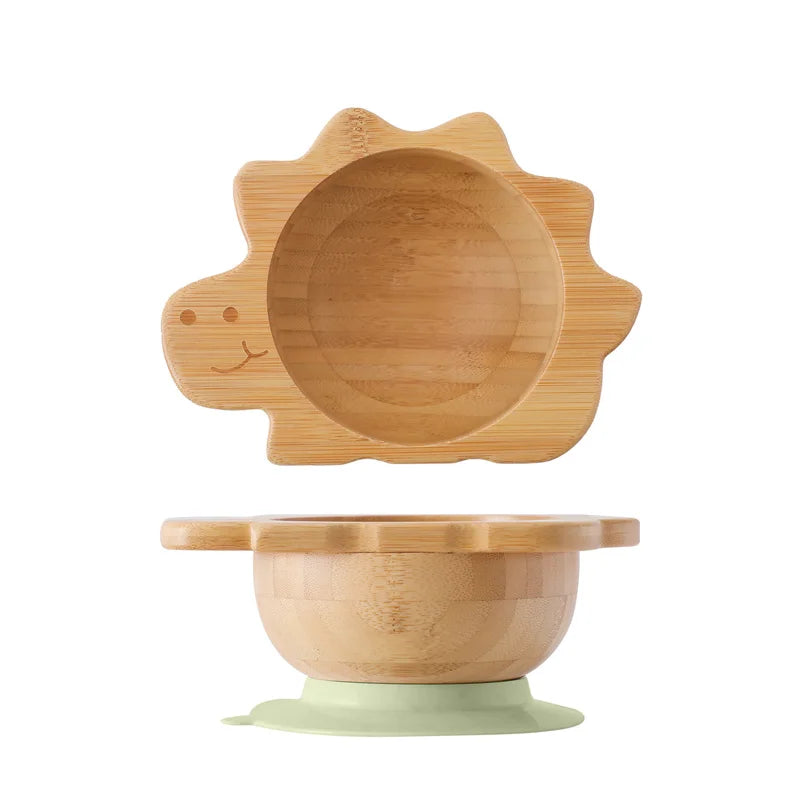
toddler dropping plates fix + safe feeding for infants — 💡 See it in action
Where this solution fits into your gear list
For families focused on safer, calmer mealtimes, a silicone suction plate set is a core feeding tool. It complements high-chairs, utensils, and snack systems that promote independence.
Looking for related tools? Check options like Feeding Tools and Baby Care Essentials to build a full, mealtime-ready kit.
Want to try a complete set? Consider pairing a suction plate with the baby wooden tableware set for a tactile, mixed-material approach that teaches both grip and control.
Pros & cons: quick decision helper
- ✅ Pros: Reduces throwing, dishwasher-safe, chew-resistant, supports independence.
- ❌ Cons: Suction can weaken on textured surfaces; some toddlers actively test the tab; caregivers must model removal.
When a suction plate might not be enough
If a toddler repeatedly damages plates on purpose, or shows other high-intensity testing behaviors, pairing the plate with clear behavior strategies or consulting a pediatrician/behavior specialist may be necessary.
Mini FAQ
-
Will a suction plate damage my high-chair?
Most silicone suction plates are safe for high-chair trays; always follow care instructions and check compatibility before long-term use.
-
How strong should suction be?
Strong enough that the plate resists toddler lifts but not so permanent that caregivers struggle — an easy-release tab is ideal.
-
Can suction plates be used for solids and liquids?
Yes — plates with shallow wells work for mixed textures, while divided plates keep wetter foods contained.
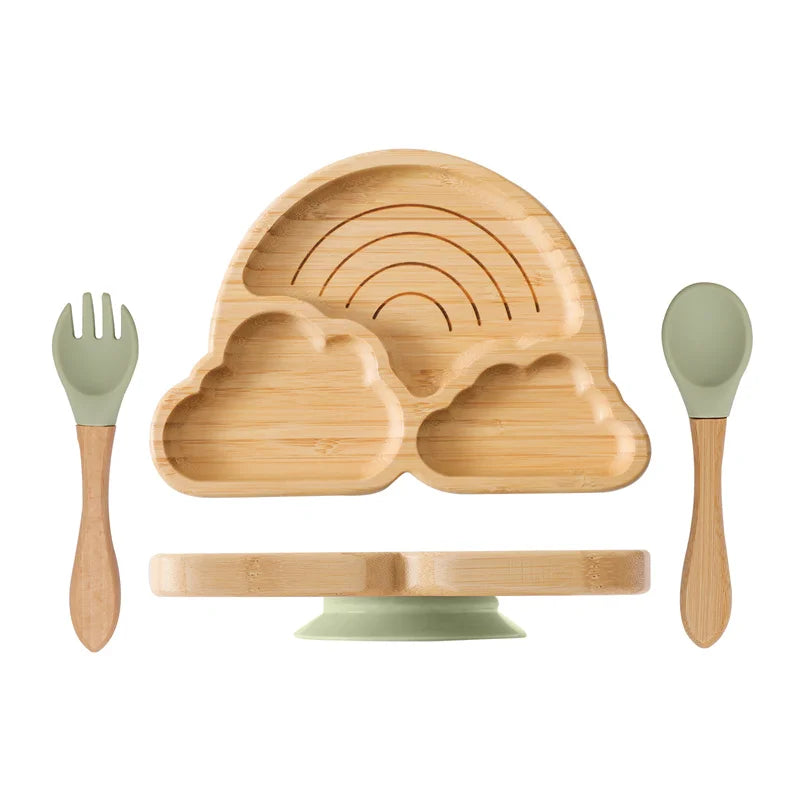
toddler dropping plates fix + baby messy eating help — 💡 See it in action
Final steps to try today: quick checklist
- Choose a silicone suction plate set with a reliable tab and high-sided wells.
- Set a short, calm routine: seat, press plate into place, one reminder if tossing starts.
- Celebrate small wins: scoops, self-feeding, and reduced throwing.
- Combine with feeding tools and learning-focused products from Baby Growth & Learning for an integrated approach.
Takeaway: why design + routine wins
Design features like suction, soft rims, and weighted edges change a toddler’s experience of a plate — making scooping easier and throwing less rewarding. Pair those features with short routines and consistent, calm responses to deliver faster, longer-lasting change. For many families, a silicone suction plate set becomes the simplest, most effective "toddler dropping plates fix."
Mini FAQ (quick answers)
- How quickly will throwing stop?
- Many parents see noticeable improvement within a week when combining the right plate with consistent mealtime rules.
- Are suction plates safe in the dishwasher?
- Most are dishwasher-safe — check the product care label for temperature limits to preserve suction longevity.
- Can older toddlers still throw them?
- Older toddlers with stronger hands might overcome suction; consider weighted plates or pairing with behavioral techniques.
Pillar Article: Silicone Suction Cup Benefits: Why Stronger Grip Improves Every Meal
Other Related Articles:
Explore More:





