

Bamboo Melamine Plate Features That Make Toddler Mealtime Easier
⏱ 7 min read
Does a bamboo melamine plate really make toddler mealtime easier?
Yes. A bamboo melamine plate for toddlers combines the durability of melamine with the natural look of bamboo-inspired materials, making everyday meals easier for both children and caregivers. The best bamboo melamine kids plate is lightweight, shatter-resistant, simple to clean, and designed with toddler-friendly features such as divided compartments and smooth, easy-to-grip edges. It is an excellent choice for families who want durable dinnerware for home, daycare, or travel while following the manufacturer's food-safety and care instructions.
- Lightweight enough for toddlers learning to self-feed.
- Drop-resistant construction reduces breakage compared with ceramic or glass.
- Divided sections support balanced portions and keep foods separated.
- Non-porous surfaces resist stains and odors for faster cleanup.
- Many high-quality options are BPA-free and top-rack dishwasher safe.
If you're replacing fragile children's dishes or looking for dinnerware that can withstand everyday drops, a bamboo melamine plate offers an excellent balance of durability, convenience, and attractive design. While it is not intended for high-heat cooking or microwave use unless specifically approved by the manufacturer, it performs exceptionally well for everyday serving, toddler self-feeding, daycare lunches, and family mealtimes. This guide explains what bamboo melamine is, how to choose a quality plate, and the features that matter most before you buy.
Explore Baby Growth & Learning
Why choose a bamboo melamine plate for toddlers?
A bamboo melamine plate for toddlers is designed to make everyday feeding more practical than traditional plastic or ceramic dishes. It combines the strength of melamine resin with bamboo-derived fibers or a bamboo-inspired finish to create dinnerware that is lightweight, durable, and suitable for repeated daily use.
For busy families, the biggest advantages are fewer broken plates, quicker cleanup, and a design that encourages toddlers to practice independent eating with greater confidence.
Best use cases
- Everyday meals for toddlers learning self-feeding skills.
- Daycare lunches where durable dinnerware is preferred.
- Travel and outdoor meals thanks to lightweight, shatter-resistant construction.
- Families replacing heavy ceramic dishes with safer alternatives for young children.
Who should avoid bamboo melamine
Bamboo melamine dinnerware may not be the best option if you regularly heat food directly on the plate in a microwave or serve very high-temperature foods. Parents who need suction-based feeding for younger babies may also prefer silicone suction plates until children develop better table skills.
What is bamboo melamine and how is it made?
Bamboo melamine dinnerware combines durable melamine resin with bamboo-derived fibers or decorative bamboo-inspired finishes to create children's tableware that offers the appearance of natural materials while maintaining the strength and easy maintenance of melamine. The result is a plate that is lightweight, resistant to everyday impacts, and suitable for frequent family use.
Bamboo fiber + melamine resin explained
Melamine resin provides the hard, scratch-resistant structure that helps these plates withstand repeated drops and daily wear. Bamboo fibers or bamboo-inspired finishes contribute to the natural appearance and texture, although the exact construction varies between manufacturers. Always check product descriptions to understand the materials used in a specific plate.
Pure bamboo vs bamboo composite
Pure bamboo dinnerware relies primarily on natural bamboo materials, while bamboo composite products combine bamboo with other materials to improve durability and longevity. Bamboo melamine products belong to the composite category and generally offer better impact resistance and easier maintenance than pure bamboo alternatives, making them especially practical for toddler mealtimes.
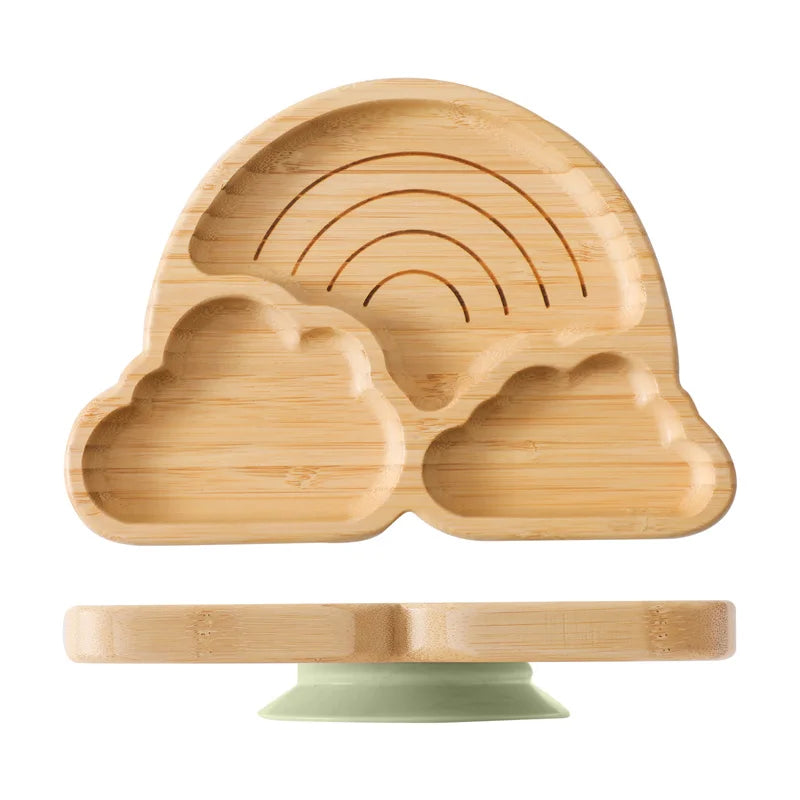
bamboo melamine plate, bamboo melamine dishes — See it in action.
Key features to compare before buying
Durability and drop resistance
A quality bamboo melamine kids plate should withstand the bumps, drops, and accidental throws that are common during toddler mealtimes. Unlike ceramic or glass, melamine-based dinnerware is highly resistant to breaking, helping reduce replacement costs and minimizing the risk of sharp fragments. Look for plates with a solid construction and smooth, reinforced edges that resist chipping over time.
Lightweight design for self-feeding
Lightweight dinnerware is easier for toddlers to lift, reposition, and carry independently. Compared with ceramic plates, bamboo melamine dishes place less strain on developing motor skills while remaining stable enough for everyday meals. This balance makes them well suited for children transitioning to independent eating.
Size and divided compartments
Many bamboo melamine plates include divided sections that help separate foods, control portions, and reduce unwanted mixing of textures. A divided layout also makes meal planning easier by providing space for vegetables, proteins, fruits, and grains without overcrowding the plate.
Suction-base compatibility
Most bamboo melamine plates do not include built-in suction bases. However, many flat-bottom designs work well with separate silicone suction mats or placemats, providing additional stability for younger toddlers who are still prone to pushing or sliding their plates across the table.
Stain, odor resistance, and dishwasher compatibility
The non-porous surface of melamine resists food stains, lingering odors, and moisture absorption better than many natural materials. Most reputable products are top-rack dishwasher safe, although gentle washing can help preserve their appearance for longer. Always confirm dishwasher recommendations on the manufacturer's label before cleaning.
Natural appearance with everyday practicality
The bamboo-inspired finish gives these plates a warmer, more modern appearance than standard plastic while maintaining the durability expected from melamine dinnerware. This combination allows parents to choose children's tableware that complements family dining without sacrificing practicality.
Visit Feeding & Nursing
Baby feeding plate materials comparison
| Material | Durability | Weight | Cleaning | Best for |
|---|---|---|---|---|
| Bamboo melamine | High (drop-resistant) | Light | Excellent | Everyday toddler meals and self-feeding |
| Silicone | Very high (flexible) | Medium | Excellent | Young babies needing suction-based feeding |
| Stainless steel | Very high | Heavy | Excellent | Travel, outdoor use, long-term durability |
| Plastic | Medium | Very light | Good | Budget-friendly everyday use |
| Ceramic | Low (fragile) | Heavy | Good | Older children with supervised meals |
Bamboo melamine vs silicone
Silicone plates excel when strong suction is the top priority, especially for babies just beginning solid foods. Bamboo melamine plates are generally more rigid, lightweight, and visually similar to traditional dinnerware, making them a popular choice for toddlers who have progressed beyond the earliest feeding stages.
Bamboo melamine vs stainless steel
Stainless steel offers exceptional durability and is ideal for outdoor meals or travel, but it is typically heavier and lacks divided toddler-friendly designs. Bamboo melamine provides a lighter option that many young children find easier to handle.
Bamboo melamine vs plastic
Compared with ordinary plastic plates, quality bamboo melamine dinnerware often provides greater scratch resistance, a more premium appearance, and improved long-term durability while remaining lightweight and easy to clean.
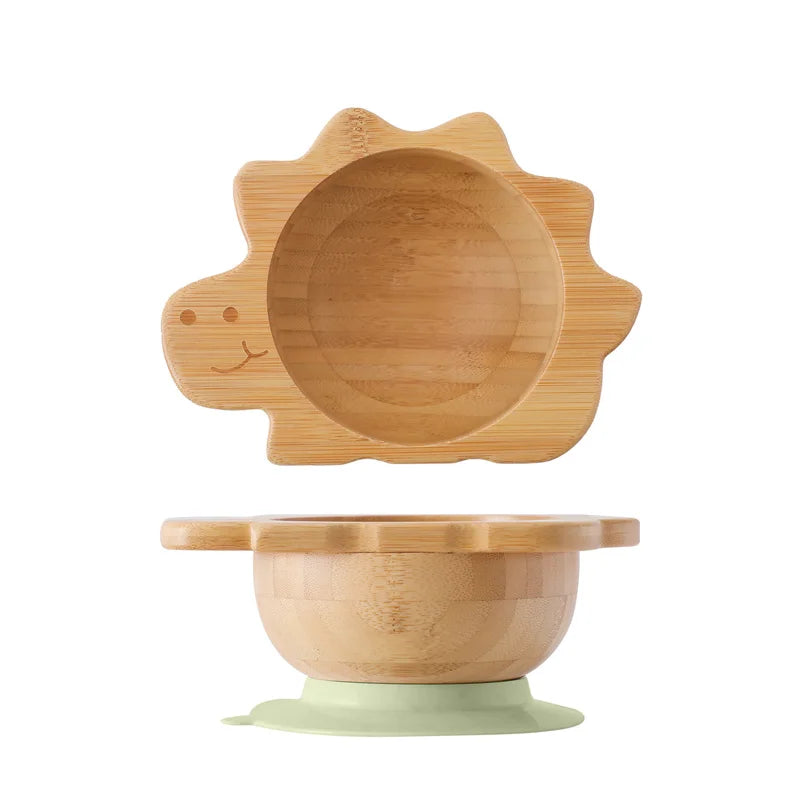
bamboo melamine dishes, melamine bamboo dinnerware — See it in action.
How to use and care for bamboo melamine dishes
Proper care helps bamboo melamine dishes maintain their appearance and food-safe surface for years of everyday use. Always follow the manufacturer's instructions, as care recommendations can vary slightly between brands.
Dishwasher dos and don'ts
- Wash new plates before first use.
- Place dishes on the top rack if the manufacturer states they are dishwasher safe.
- Avoid high-temperature sanitizing cycles unless specifically approved.
- Skip abrasive scrubbers or harsh cleaning powders that may dull the finish.
Microwave safety
Bamboo melamine dinnerware is generally intended for serving food rather than cooking or reheating at high temperatures. Unless the product is explicitly labeled as microwave-safe, avoid using it in the microwave, oven, or on the stovetop. Excessive heat can shorten the lifespan of the plate and may affect its surface.
Daily cleaning
- Rinse away food residue soon after meals to prevent dried-on stains.
- Wash with warm water, mild dish soap, and a soft sponge.
- Dry thoroughly before stacking to reduce moisture buildup.
- Avoid soaking for extended periods unless permitted by the manufacturer.
Storage tips
Store plates in a clean, dry cabinet and avoid placing heavy cookware directly on top of them. Inspect dishes regularly for cracks, deep scratches, peeling finishes, or other signs of damage. Replace any plate that shows structural wear or cannot be cleaned thoroughly to maintain bamboo melamine dinnerware safety.
Product highlight: For caregivers looking for a complete toddler mealtime solution, the /products/baby-wooden-tableware-set includes toddler-friendly tableware and utensils designed for everyday self-feeding.
Buy the Baby Wooden Tableware Set
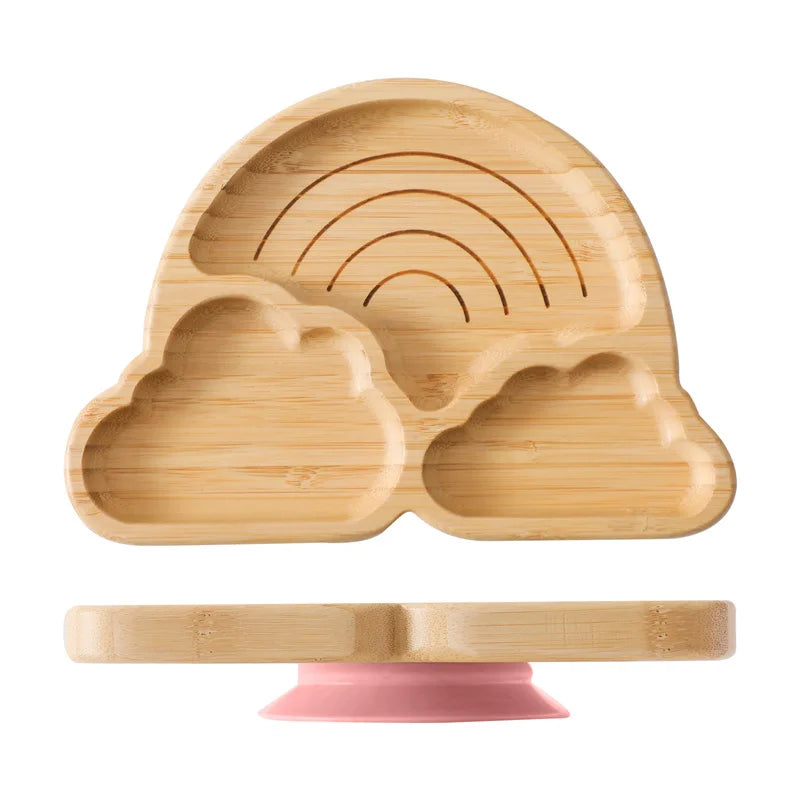
melamine bamboo dinnerware, eco friendly baby dishes set — See it in action.
Mini FAQ
- Is bamboo melamine safe for babies?
- High-quality bamboo melamine plates manufactured for children's food use are generally BPA-free and designed to meet applicable food-contact safety standards. Follow the manufacturer's instructions, avoid excessive heat, and replace damaged plates promptly.
- Can bamboo melamine plates go in the microwave?
- Most bamboo melamine plates are not intended for microwave cooking or high-heat reheating unless the manufacturer specifically states they are microwave-safe. Always check the product labeling before use.
- Are bamboo melamine plates dishwasher safe?
- Many products are top-rack dishwasher safe. Using gentle wash cycles and avoiding high-heat drying can help preserve the finish over time.
- What is the difference between bamboo composite and pure bamboo plates?
- Pure bamboo plates rely primarily on natural bamboo materials, while bamboo composite products combine bamboo-derived materials with other components, such as melamine resin, to improve durability, impact resistance, and ease of cleaning.
- Do bamboo melamine plates stain or retain odors?
- The non-porous melamine surface resists most everyday stains and food odors better than many natural materials. Prompt cleaning after meals further helps maintain the plate's appearance.
- Which plate material is best for toddler self-feeding?
- The best choice depends on your priorities. Bamboo melamine is an excellent option for families seeking lightweight, durable everyday dinnerware, while silicone remains a strong choice when suction is the highest priority for younger babies.
- When should I replace a bamboo melamine toddler plate?
- Replace the plate if it develops cracks, deep scratches, peeling finishes, permanent staining that cannot be cleaned, or any structural damage that could affect safe food use.
Related resources: Feeding & Nursing • Baby Care Essentials • Baby Growth & Learning
Pillar Article: Silicone Suction Cup Benefits: Why Stronger Grip Improves Every Meal
Other Related Articles:
Explore More:





