

How Do Suction Cups Work? A Parent-Friendly Guide to Better Plate Grip
Understanding how do suction cups work can make toddler mealtimes noticeably less messy. A properly applied silicone suction plate forms a secure seal on smooth, non-porous surfaces, helping reduce spills while encouraging independent eating. In this guide, you'll learn the science behind suction, practical suction cup instructions, whether do suction cups work better with water, and how to achieve a stronger, longer-lasting grip with silicone suction plates for safe feeding for infants.
⏱ 7 min read
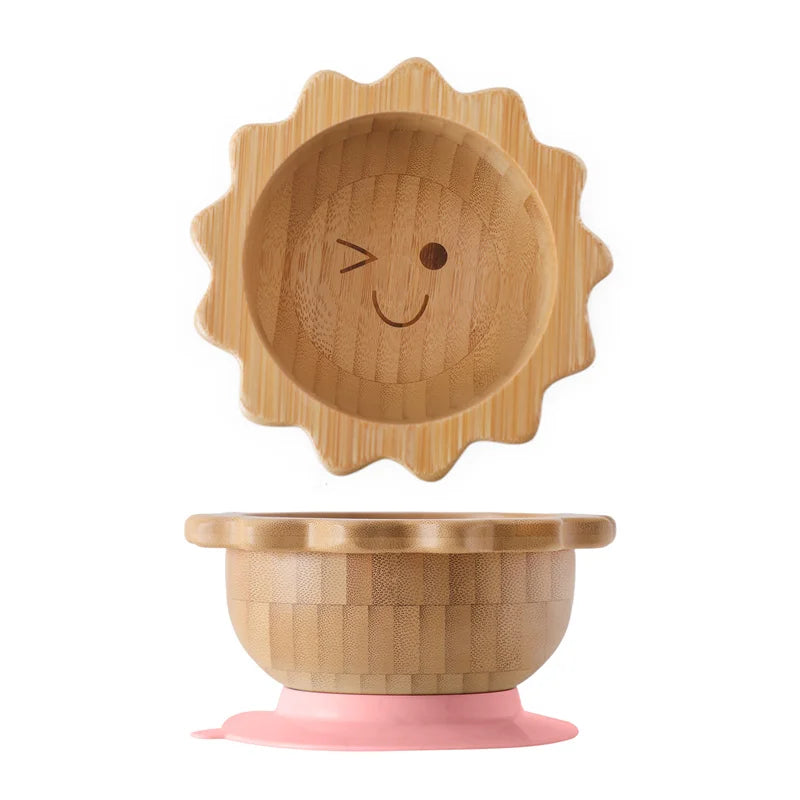
how do suction cups work + suction cup instructions — See it in action
Curious which dishes and grips reduce mess the most? Check our recommended picks to learn more.
How suction cups work — quick answer
Direct answer: Suction cups work by forcing air out from beneath a flexible cup when it is pressed onto a smooth, flat surface. This creates lower air pressure inside the cup than outside it. The greater atmospheric pressure surrounding the cup then pushes it firmly against the surface, helping resist lifting and sliding until air re-enters the seal.
For toddler feeding products, the strongest hold depends on three factors: a clean, non-porous surface, a soft silicone suction base that conforms to the table or high-chair tray, and firm pressure during application to remove as much trapped air as possible.
Why those parts matter (simple science)
- Flexible rim: Soft silicone molds to tiny surface imperfections to create a tighter seal.
- Air displacement: Pressing firmly pushes air out, allowing atmospheric pressure to hold the suction cup in place.
- Surface contact: Glass, sealed plastic, polished metal, and smooth high-chair trays generally provide the strongest grip.
- Material flexibility: Food-grade silicone maintains its shape while remaining flexible enough to preserve suction during everyday use.
Step-by-step: apply suction cups properly (do this every time)
Correct application has a greater impact on suction strength than the plate itself. Following these simple steps helps create a stronger seal and reduces the chances of a toddler pulling the plate loose during meals.
- Clean and dry the table or high-chair tray to remove crumbs, grease, and moisture.
- Rinse or wipe the silicone suction base to remove dust, lint, or food residue.
- If the manufacturer recommends it, warm the silicone in your hands or use a single drop of water around the rim.
- Center the plate on a smooth surface and press firmly in the middle until excess air is pushed out.
- Test the seal with a gentle upward pull before serving food. If it lifts easily, reposition and press again.
Common mistakes to avoid
- Using suction plates on textured wood, unfinished tables, or heavily patterned surfaces that prevent a complete seal.
- Leaving oil, soap residue, or food particles on the suction rim.
- Pressing lightly without fully removing trapped air beneath the silicone base.
- Moving the plate after the seal has formed instead of lifting and reapplying it.
Do suction cups work better with water?
The answer is sometimes. A tiny amount of water can help fill microscopic gaps between the suction cup and a very smooth surface, improving the seal on some products. However, this technique is not necessary for every silicone suction plate and should only be used when recommended by the manufacturer.
Excess water, soap, or oil can have the opposite effect by reducing friction and allowing the plate to slide. In most cases, a clean surface and proper application produce a stronger, more reliable hold than adding moisture.
When to use water (and when not to)
- Use one small droplet only if the product instructions recommend it or the surface is exceptionally dry and smooth.
- Never use soapy water, cooking oils, or cleaning sprays to improve suction.
- If the silicone feels stiff in a cold room, warming it briefly in your hands can help it conform more closely to the surface.
- Reapply the plate after cleaning instead of repeatedly adding more water.
Why silicone suction plates help (benefit-first)
Food-grade silicone combines flexibility, durability, and heat resistance, making silicone suction plates a practical choice for babies learning to self-feed. Their soft bases create a dependable seal on compatible surfaces while remaining gentle enough for everyday family use.
- Flexible seal: Soft silicone adapts to minor surface variations for stronger, more consistent suction.
- Durable construction: Resists cracking, tearing, and repeated dishwasher cycles.
- Safe feeding for infants: Quality food-grade silicone is typically BPA-free, non-toxic, and designed for direct food contact.
- Easy maintenance: Smooth surfaces are simple to wash and less likely to trap food residue.
Looking for related tools? Browse our Feeding & Nursing and Feeding Tools for bowls, suction plates, and gentle utensils that match your mealtime goals.
Parent-proof hacks & troubleshooting (fast fixes)
Even high-quality silicone suction plates can lose their grip if the seal is interrupted. Before replacing your plate, check these common problems and simple fixes.
- Problem: The plate lifts when your toddler pulls. Solution: Remove the plate completely, clean the surface, then press firmly in the center to expel trapped air before testing the seal.
- Problem: The table or tray is textured. Solution: Move to a smoother, non-porous surface whenever possible. If compatible with your setup, a thin silicone placemat can provide a more consistent base.
- Problem: Food residue or dust breaks the seal. Solution: Wash both the suction base and the eating surface with warm water, dry thoroughly, and reapply.
- Problem: Suction weakens during long meals. Solution: Lift the plate, wipe away any trapped crumbs or moisture, and reseal it instead of pressing harder.
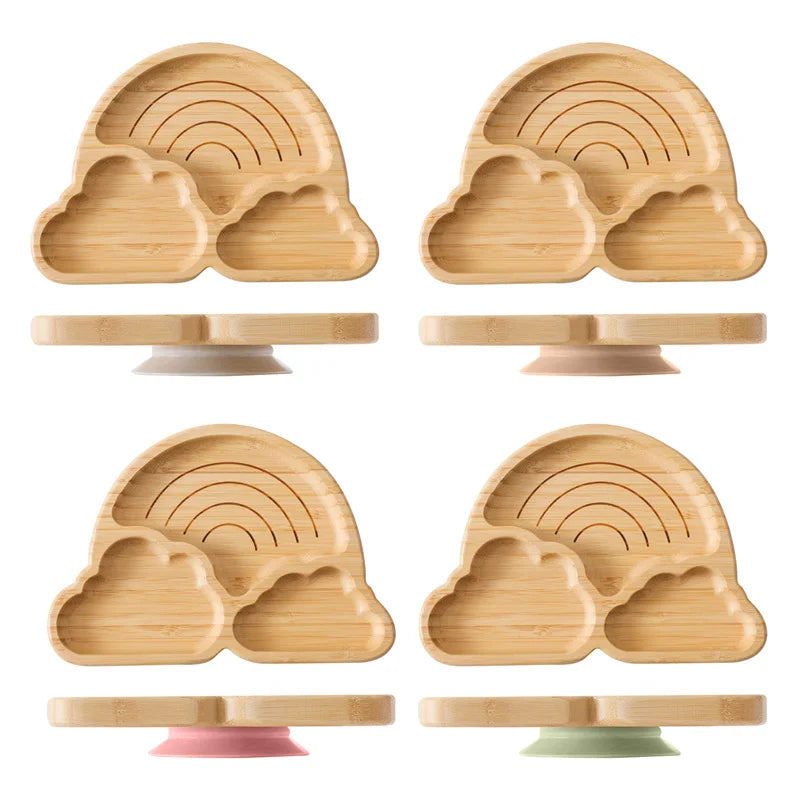
suction cup instructions + silicone suction plates — See it in action
Want plates that actually stay put? Compare materials and design in our feeding tools collection.
Safety & cleaning for infant feeding (protect tiny mouths)
- Inspect the silicone suction base regularly for cracks, tears, discoloration, or signs of mold, and replace damaged products promptly.
- Follow the manufacturer's cleaning instructions. Many food-grade silicone suction plates are dishwasher-safe and suitable for repeated daily washing.
- Rinse away food residue after every meal to prevent stains, odors, and bacteria buildup around the suction rim.
- Always supervise babies and toddlers during meals. A suction plate helps reduce spills but is not a substitute for adult supervision.
- Use Health & Safety resources, age-appropriate utensils, and safe seating practices to create a safer feeding environment.
Product spotlight: simple solution — wooden set + suction plate combo
For families who prefer natural tableware without sacrificing stability, pairing a quality silicone suction base with the baby wooden tableware set offers an excellent balance of functionality and style. The lightweight wooden dishes encourage independent eating, while a compatible suction base helps reduce sliding and accidental spills during everyday meals.
This combination works especially well for babies transitioning to self-feeding and toddlers who are learning to use spoons and forks more confidently. It also complements a variety of feeding accessories without adding unnecessary weight to the table.
Real parent feedback (social proof)
"We used to clean the floor three times a day—this suction plate cut spills by half, and our toddler started feeding more confidently." — Emma, parent of a 2-year-old
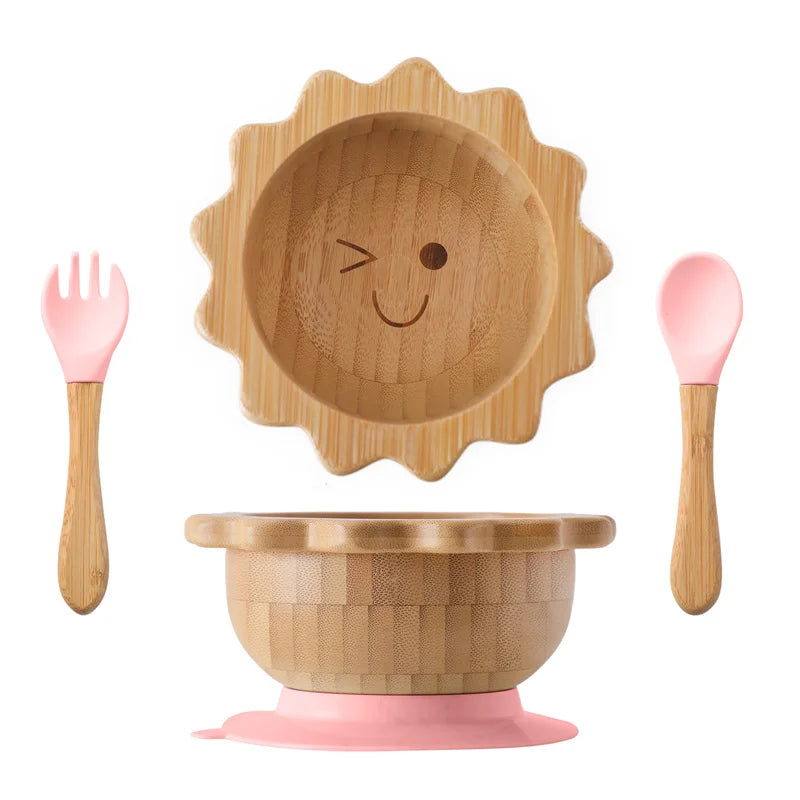
silicone suction plates + do suction cups work better with water — See it in action
Ready to try a set that reduces spills and encourages independent feeding? Grab the baby wooden tableware set today.
Mini-FAQ
-
How long will a suction plate stay attached?
A properly applied silicone suction plate typically remains secure throughout an entire meal. Hold time depends on surface smoothness, proper application, and how much force a child applies while eating.
-
Is silicone safe for infants?
Yes. High-quality food-grade silicone is commonly used for infant feeding products because it is durable, heat-resistant, BPA-free, and designed for direct food contact. Always choose products that meet applicable food-safety standards.
-
Can toddlers remove suction plates?
Many older toddlers eventually learn to break the suction seal by lifting an edge. Suction plates are intended to reduce spills and encourage independent eating, but adult supervision is still essential during every meal.
Pillar Article: Silicone Suction Plate Reviews: Top Picks That Actually Stay Put
Other Related Articles:
- Vacuum Suction Plate Comparison: Which Plates Truly Hold Up Against Tugging Toddlers?
- Toddler Bamboo Feeding Set Reviews: The Best Lightweight Picks for Daily Use
- Bamboo Melamine Dinnerware Compared: The Safest, Sturdiest Options for Toddlers
- Baby Wooden Tableware Set Review: Which Styles Work Best for Messy Meals?
Explore More:





