

How Do Suction Cups Work? A Parent-Friendly Guide to Better Plate Grip
⏱ 8 min read
Do suction cups really stop plates from slipping?
Yes. Suction cups work by pushing air out from beneath a flexible cup to create a lower-pressure space against a smooth surface. The higher atmospheric pressure outside the cup keeps it firmly in place, helping silicone suction plates resist sliding and tipping while supporting safer, less messy self-feeding for babies and toddlers.
Introduction — Why suction matters at mealtime
If you've ever watched a toddler toss a bowl across the room, you've seen why understanding how do suction cups work can make everyday meals much less stressful. A well-designed silicone suction plate helps reduce accidental spills, encourages independent eating, and gives little hands a more stable surface for practicing self-feeding.
This guide explains the simple science behind suction, provides easy-to-follow suction cup instructions, answers the common question of whether suction cups work better with water, and shares practical tips for getting the strongest possible grip on high-chair trays and dining tables.
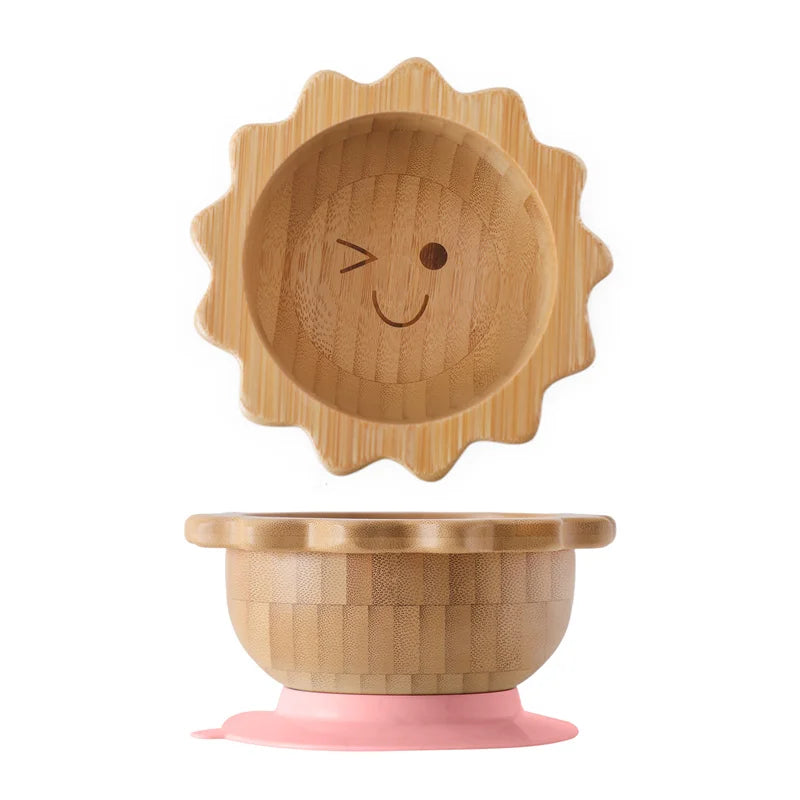
how do suction cups work + suction cup instructions — See it in action
How do suction cups work?
Understanding how does a suction cup work is easier than it sounds. A suction cup is made from a flexible material—usually silicone or rubber—that bends when pressed against a smooth, non-porous surface. As you press downward, most of the air underneath the cup is pushed out.
When the flexible rim tries to return to its original shape, it traps a pocket of lower-pressure air beneath the cup. Because the air pressure outside the cup is greater than the pressure inside, atmospheric pressure continuously pushes the cup against the surface, creating a strong seal that resists sliding and lifting.
Direct answer — why this reduces spills
For baby feeding products, this simple pressure difference helps keep plates and bowls in place while children scoop food. Rather than relying on adhesives or sticky materials, suction uses air pressure and a flexible seal to make accidental bumps and pushes far less likely to move the plate. It won't prevent a determined toddler from peeling the plate away, but it significantly reduces everyday slipping and tipping.
Quick setup: step-by-step (easy to follow)
- Clean both the table or tray surface and the suction base to remove crumbs, grease, soap residue, and dust.
- Warm the silicone slightly by rubbing it between your hands if it has been stored in a cool room.
- Place the suction plate on a smooth, flat surface and press firmly in the center to force out trapped air.
- Run a finger gently around the rim to confirm the seal is fully seated against the surface.
- Test the grip by lifting one edge lightly. If it releases easily, press again or move the plate to a smoother section of the tray. Only consider adding a tiny amount of water if additional sealing is needed.
Why these steps matter
- Clean surfaces help the silicone create a continuous airtight seal.
- Warm, flexible silicone conforms more easily to tiny surface imperfections.
- Firm, even pressure removes trapped air that weakens suction.
- Testing before serving food confirms the plate is securely attached before your child begins eating.
Do suction cups work better with water?
One of the most common questions parents ask is whether do suction cups work better with water. The answer is sometimes—but not always. A tiny amount of water can help improve the seal on very smooth, non-porous surfaces by filling microscopic gaps between the silicone rim and the table. However, too much moisture can reduce friction and make the plate easier to twist or slide.
Wet vs dry surfaces
For most silicone suction plates, a clean and dry surface is the best starting point. Proper cleaning and firm pressure solve the majority of suction problems without adding water.
- Best performance: clean glass, polished stone, smooth laminate, sealed wood, or high-quality plastic trays.
- Poor performance: textured wood, unfinished surfaces, rough plastic, fabric placemats, or damaged trays that prevent an airtight seal.
When water helps
If the plate almost seals but loses grip after a few minutes, a tiny bead of water around the suction rim may improve contact by filling microscopic surface imperfections. This technique works best on smooth, hard materials.
- Use only a light film or a single drop of clean water.
- Press firmly from the center for several seconds.
- Wipe away excess moisture around the outside edge after the seal forms.
When water does not help
Water cannot compensate for surfaces that are rough, porous, dirty, or warped. If the suction cup cannot create an airtight seal, additional moisture usually provides little benefit.
- Do not soak the suction base.
- Avoid using oils or petroleum products, which may damage some silicone materials or leave slippery residue.
- If the surface is textured, moving to a smoother location is typically more effective than adding water.
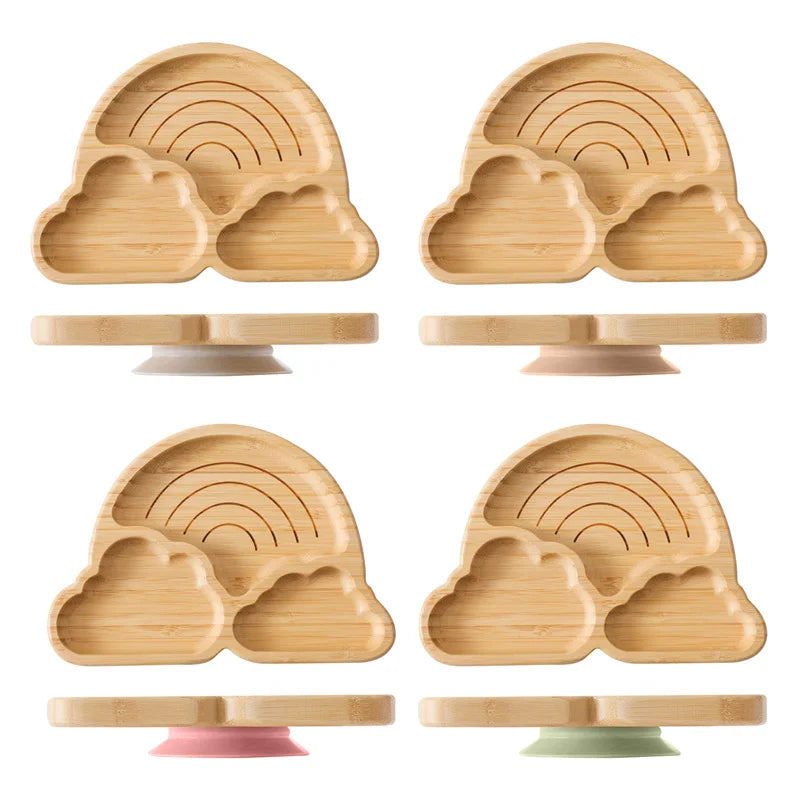
suction cup instructions + silicone suction plates — See it in action
Troubleshooting: when suction fails
If a suction plate will not stay attached, the cause is usually the surface, trapped air, or wear on the silicone rather than the suction cup itself. Work through this checklist before replacing the product.
Common causes of failure
- Textured surface: Move the plate to a smoother area of the table or high-chair tray.
- Dirty suction base: Wash away crumbs, grease, soap residue, or dried food before trying again.
- Insufficient pressure: Press firmly in the center for 5–10 seconds to remove trapped air.
- Worn silicone: Replace suction cups that are cracked, torn, permanently warped, or no longer flexible.
- Intentional pulling: Remember that suction reduces accidental spills but cannot completely prevent a determined toddler from lifting the edge.
Troubleshooting checklist
- Confirm both the surface and suction base are completely clean.
- Warm cold silicone with your hands before attaching it.
- Check that the tray or tabletop is flat rather than textured or uneven.
- Apply only a tiny amount of water if the surface is smooth and nearly sealing already.
- Inspect the suction rim regularly for damage that could allow air to leak in.
Silicone suction plates and infant safety
Silicone suction plates are designed to support safe feeding for infants by helping keep bowls and plates in place during self-feeding. While suction reduces accidental tipping and sliding, it does not replace adult supervision. Always stay with your child during meals and follow the manufacturer's instructions for age recommendations, temperature limits, and product care.
How suction plates help prevent spills
A secure suction base keeps the plate attached to smooth, non-porous surfaces, allowing babies and toddlers to focus on scooping and picking up food instead of chasing a moving plate. This added stability encourages independent eating while reducing mess at the table.
- Works best on clean, flat, non-textured high-chair trays and tabletops.
- Helps minimize accidental sliding during self-feeding.
- Supports developing hand-eye coordination by providing a stable eating surface.
- Should be checked before every meal to confirm the suction seal is secure.
Cleaning checklist
- Verify whether the product is dishwasher-safe by checking the packaging or manufacturer's instructions.
- If hand washing, use warm water with mild dish soap, rinse thoroughly, and allow the plate to air dry completely.
- Sterilize only if the manufacturer specifically recommends boiling or other high-temperature methods.
- Inspect the silicone regularly for tears, cracks, or permanent deformation that could reduce suction performance.
- Store the plate flat to help preserve the shape of the suction base.
Related picks for feeding time: find durable options under Feeding Tools and check Feeding & Nursing for complementary items like bibs and snack cups.
For particularly active toddlers, pairing a quality silicone suction plate with a smooth, compatible high-chair tray typically provides the most reliable grip. When traveling, compact suction bowls with deeper sides can help keep snacks and purees contained while maintaining the same easy-to-clean silicone design.
You can also browse Baby Care Essentials for coordinated mealtime products and visit Mom Essentials for practical cleanup solutions that make busy family meals easier.
Frequently asked questions
-
Do suction cups work on all tables?
No. Suction cups perform best on smooth, flat, non-porous surfaces such as glass, polished stone, sealed laminate, and many plastic high-chair trays. Rough wood, textured laminates, and uneven surfaces allow air to leak under the suction cup, weakening the seal. -
Do suction cups work better with water?
Sometimes. A tiny drop of water may help fill microscopic gaps on very smooth surfaces, improving the seal. However, too much water can reduce friction, so start with a clean, dry surface and only add a small amount if necessary. -
Will a toddler still remove a suction plate?
Possibly. Suction plates are designed to reduce accidental slipping and tipping rather than prevent intentional removal. Adult supervision and gentle teaching remain important during mealtimes. -
Why don't suction cups stick to textured surfaces?
Textured materials contain tiny gaps that prevent the suction cup from creating an airtight seal. Even strong silicone cannot maintain suction if air continually enters beneath the rim. -
Can suction cups work on wood or painted walls?
Only if the surface is completely smooth, sealed, and non-porous. Unfinished wood, matte paint, and porous finishes generally do not provide reliable suction. -
Do larger suction cups hold more weight?
Generally yes. A larger suction cup creates a bigger contact area, allowing atmospheric pressure to generate greater holding force when the seal is complete. -
Why do suction cups lose grip over time?
Loss of grip is commonly caused by dirt, food residue, worn silicone, temperature changes, or tiny air leaks around the edge of the suction cup. Regular cleaning and inspection help maintain performance. -
Can heat or cold affect suction cup performance?
Yes. Cold silicone becomes stiffer and may not conform as well to surfaces, while moderate warmth increases flexibility and helps create a stronger seal. -
Are silicone suction plates safe for babies?
Yes. When used according to the manufacturer's instructions, high-quality silicone suction plates are suitable for infant feeding. Always inspect the product for damage, clean it thoroughly, and supervise children while eating.
Final notes: easy wins for calmer mealtimes
Understanding how suction cups work makes it easier to choose and use feeding products that reduce everyday spills. The strongest suction comes from a clean, smooth surface, a flexible silicone base, and firm, even pressure during installation. While a tiny amount of water may occasionally improve the seal, it is usually unnecessary when the surface is properly prepared.
With the right setup, silicone suction plates can support independent eating, simplify cleanup, and create a more enjoyable mealtime experience for both parents and toddlers.
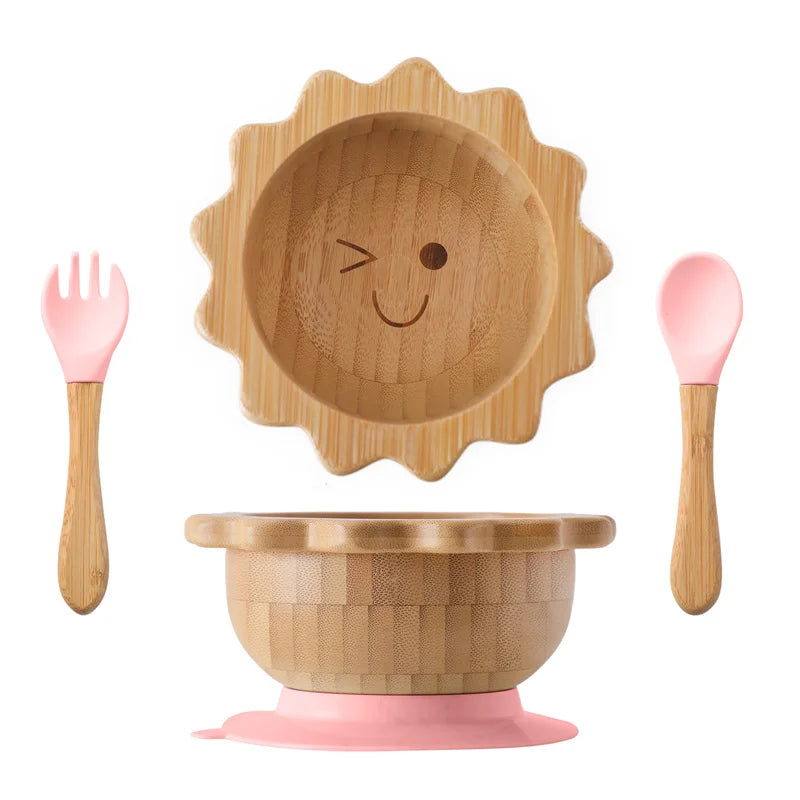
do suction cups work better with water + silicone suction plates — See it in action
How do suction cups work?
Suction cups work by pushing air out from beneath a flexible cup. The higher atmospheric pressure outside the cup then presses it firmly against a smooth surface, creating a seal that resists sliding and lifting.
Do suction cups work better with water?
A small amount of water can help fill microscopic gaps on very smooth surfaces, but excessive water may reduce friction. In most situations, a clean, dry surface provides the best results.
Why don't suction cups stick to textured surfaces?
Textured surfaces allow air to leak beneath the suction cup, preventing the airtight seal needed for reliable suction.
Can suction cups work on wood or painted walls?
They work only on smooth, sealed, non-porous finishes. Unfinished wood and many painted walls usually do not provide dependable suction.
Do larger suction cups hold more weight?
Yes. Larger suction cups typically provide greater holding force because they have a larger sealing area, provided the surface is smooth and the seal remains airtight.
Why do suction cups lose grip over time?
Dirt, grease, worn silicone, temperature changes, and gradual air leaks can all weaken suction over time. Cleaning and inspecting the suction cup regularly helps maintain performance.
Can heat or cold affect suction cup performance?
Yes. Cold temperatures make silicone less flexible, while moderate warmth allows it to conform better to smooth surfaces and create a stronger seal.
Are silicone suction plates safe for infants?
Yes. Silicone suction plates are safe when used according to the manufacturer's instructions. Inspect them regularly for damage, clean them thoroughly, and always supervise infants and toddlers during meals.
Pillar Article: Not Found
Other Related Articles:
- How to Make a Suction Cup Stick Again When Your Toddler Keeps Pulling It Off
- How to Use Suction Plates Correctly for Less Mess and More Independent Eating
- How to Make a Suction Cup Stick: Simple Steps for Stronger Baby Plate Hold
- Best Utensils for Toddlers Review: Top Picks for Safer, Easier Self-Feeding
Explore More:





