

Best Nursery Rhyme Books Review for Early Learning Gains
What are the best nursery rhyme books for early learning gains?
The best nursery rhyme books combine rhythmic language, repetition, and engaging visuals to boost memory and early literacy. These books help children ages 3–6 improve vocabulary, develop listening skills, and build calming bedtime routines, making them powerful tools for both learning and bonding.
Best Nursery Rhyme Books Review for Early Learning Gains
Struggling to make bedtime smooth and meaningful? The best nursery rhyme books can transform chaotic evenings into calm, joyful routines while boosting your child’s vocabulary and early learning skills. With the right picks, you’re not just reading—you’re building habits, confidence, and lifelong love for stories.
⏱ 7 min read
Which nursery rhyme books truly help your child learn faster while making bedtime easier? Let’s explore the options that parents trust—and why they work.
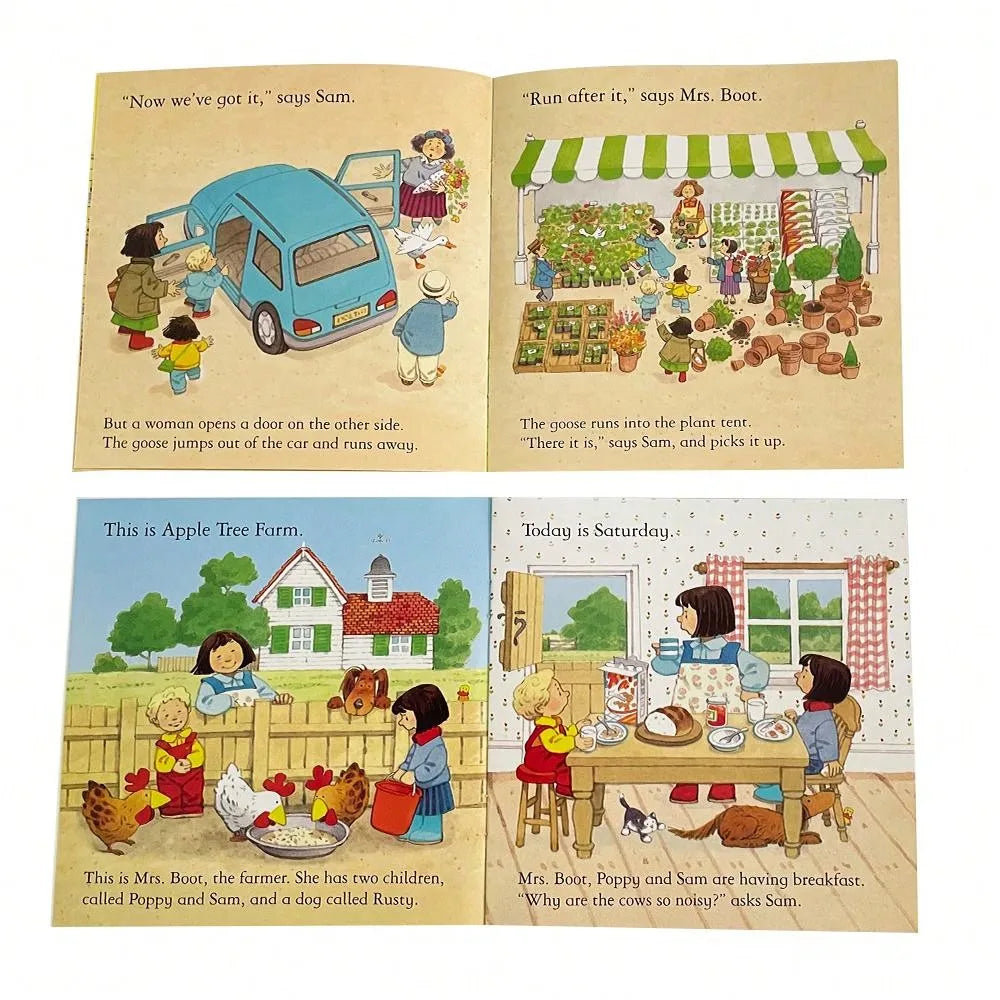
Best nursery rhyme books that double as bedtime story books for ages 3-6 💡 See it in action
👉 Discover engaging learning tools that support early literacy and bonding
Baby Growth & LearningWhy Nursery Rhymes Boost Early Learning Faster
Nursery rhymes are more than simple songs—they are structured learning tools. Their rhythm and repetition help children predict sounds and patterns, strengthening memory and language skills.
- Build phonemic awareness through repetition
- Improve listening and comprehension skills
- Introduce new words naturally
- Create emotional comfort during bedtime
Parents often notice that children memorize rhymes within days—this repetition is exactly what accelerates vocabulary growth.
Top Picks: Best Nursery Rhyme Books Compared
| Book | Best For | Key Strength | Potential Drawback |
|---|---|---|---|
| Farmyard Tales | Interactive learning | Engaging stories + repetition | Limited classic rhymes |
| Classic Mother Goose | Traditional rhymes | Wide variety | Less interactive |
| Sing-Along Rhymes | Audio learning | Musical engagement | Requires parent participation |
While traditional collections offer variety, newer interactive books often deliver better engagement and learning retention.
Why Farmyard Tales Stands Out for Early Learning
The best nursery rhyme books like Farmyard Tales combine storytelling with repetition and relatable scenes. This approach strengthens vocabulary, keeps children engaged longer, and makes bedtime routines smoother—especially for ages 3–6 who benefit from predictable, rhythmic language.
Unlike generic rhyme collections, this book focuses on storytelling flow, helping children connect words with real-life scenarios.
- ✅ Encourages active listening
- ✅ Builds word association quickly
- ✅ Keeps kids engaged without screens
- ❌ Fewer classic rhymes compared to traditional books
👉 Explore the full experience here: Farmyard Tales Preschool Books
👉 Learn how to choose the perfect bedtime books for your child
Sleep & Comfort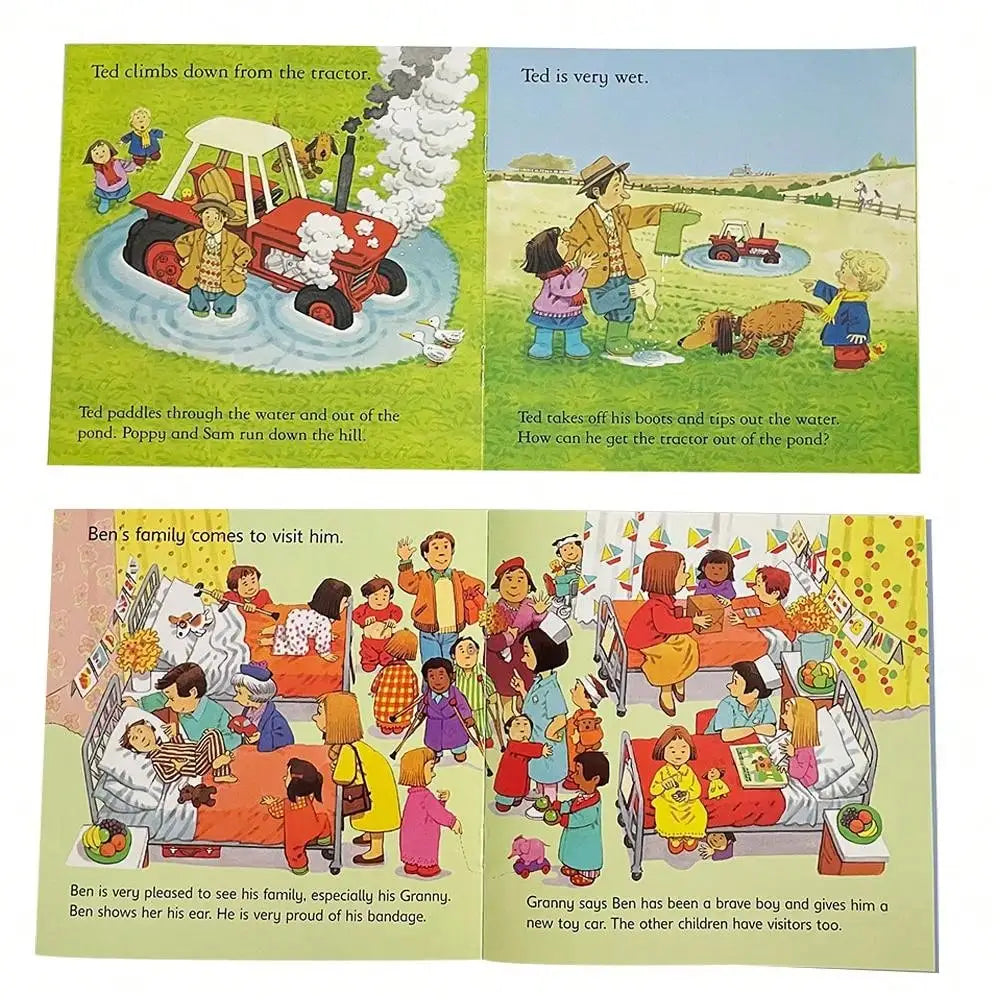
Bedtime story books for ages 3-6 that improve child vocabulary early 💡 See it in action
How to Choose the Right Nursery Rhyme Book
- Look for repetition: Helps children memorize and learn faster
- Choose engaging visuals: Keeps attention longer
- Match age level: Ages 3–6 need simple but meaningful stories
- Prioritize interaction: Books that encourage participation work best
Pairing books with tools from Sensory Toys can further enhance engagement and retention.
How to Make Bedtime Reading Fun and Effective
- Use expressive voices for characters
- Repeat favorite rhymes nightly
- Let your child “read along” from memory
- Create a consistent bedtime routine
Combining reading with a calming environment from Sleep & Comfort can significantly reduce bedtime resistance.
Real Parent Experiences
“My 4-year-old started using new words within a week.”
Parents consistently report noticeable improvements in vocabulary and confidence after introducing structured rhyme books.
“Bedtime went from stressful to peaceful.”
Many families say these books help signal winding down time, making routines easier.
“He memorized entire rhymes in days!”
This repetition builds confidence and encourages independent reading habits.
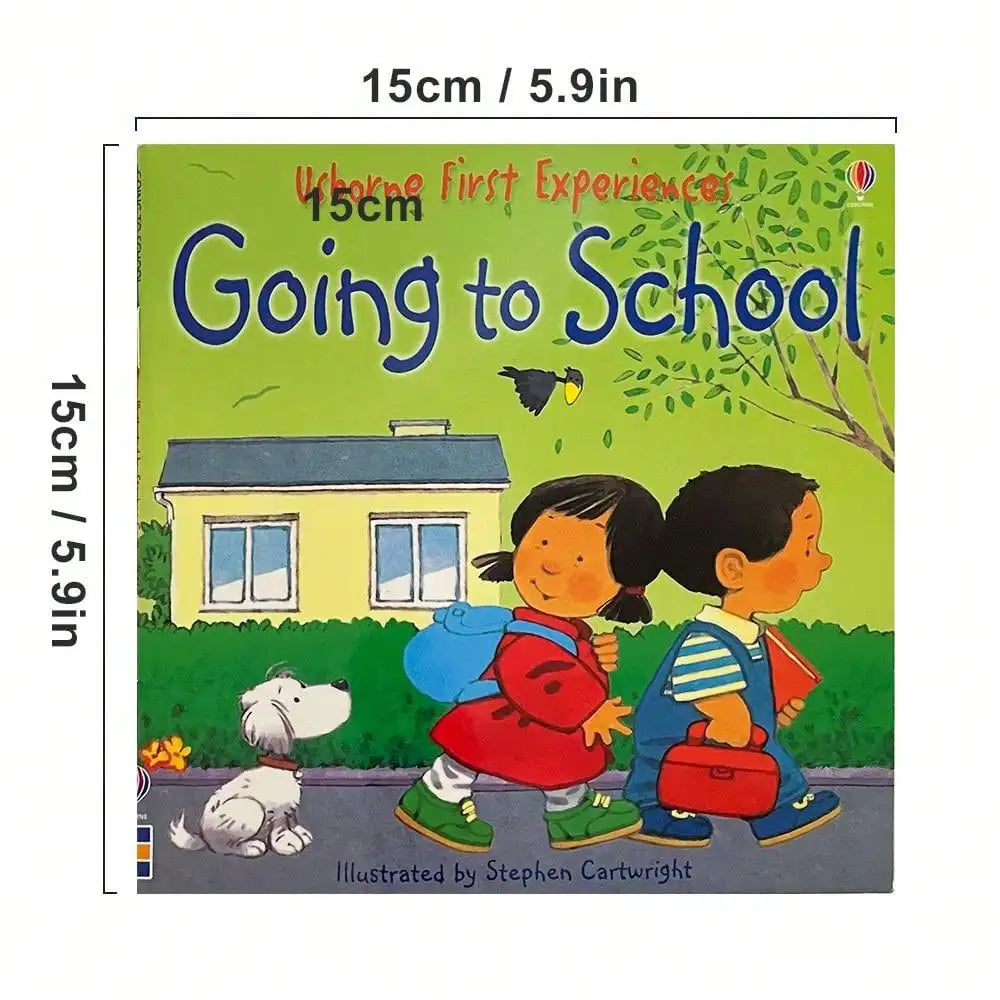
Fun bedtime reading that builds vocabulary and learning habits 💡 See it in action
Why These Books Are Worth It
Choosing the best nursery rhyme books is not just about entertainment—it’s about building your child’s future learning foundation.
- Stronger vocabulary development
- Better listening and comprehension skills
- Improved bedtime routines
- Deeper parent-child bonding
👉 Get yours now — limited stock!
Farmyard Tales Preschool Books
👉 Explore more tools to support your child’s growth and learning journey
Baby Growth & LearningFAQ
What age are nursery rhyme books best for?
They are ideal for children ages 3–6, when language development is rapid and repetition helps build strong vocabulary foundations.
How often should I read nursery rhymes to my child?
Daily reading, especially during bedtime, is most effective for building memory, vocabulary, and consistent routines.
Can nursery rhyme books really improve vocabulary?
Yes, repetition and rhythm help children learn and retain new words faster than standard storytelling methods.
Pillar Article: Recommended Books for Preschoolers Parents Actually Trust
Other Related Articles:
Explore More:





