

Recommended Books for Preschoolers Parents Actually Trust
Do recommended books for preschoolers really help?
Recommended books for preschoolers help build vocabulary, improve focus, and strengthen emotional bonding through daily reading. The right titles combine repetition, rhythm, and engaging visuals to accelerate language development and make learning enjoyable—often showing noticeable improvements in communication skills within just a few weeks of consistent reading.
Recommended Books for Preschoolers Parents Actually Trust
Looking for recommended books for preschoolers that parents truly rely on? From the best bedtime books for preschoolers 2026 to educational picture books for early learners, this guide reveals titles that actually boost engagement, focus, and language skills. Discover the best preschool books for vocabulary building and learn which books improve toddler vocabulary fastest through real-world reading habits and proven techniques—are you choosing the ones that make the biggest difference?
⏱ 12 min read
Every parent has been there—standing in front of a shelf filled with colorful children’s books, wondering which ones will actually help your child learn, not just pass the time.
Which books truly make a difference in your preschooler’s development?
The answer isn’t about picking the most popular titles. It’s about choosing books that are designed to build language, spark curiosity, and create meaningful daily routines.
👉 Discover tools that support early learning beyond books: Baby Growth & Learning
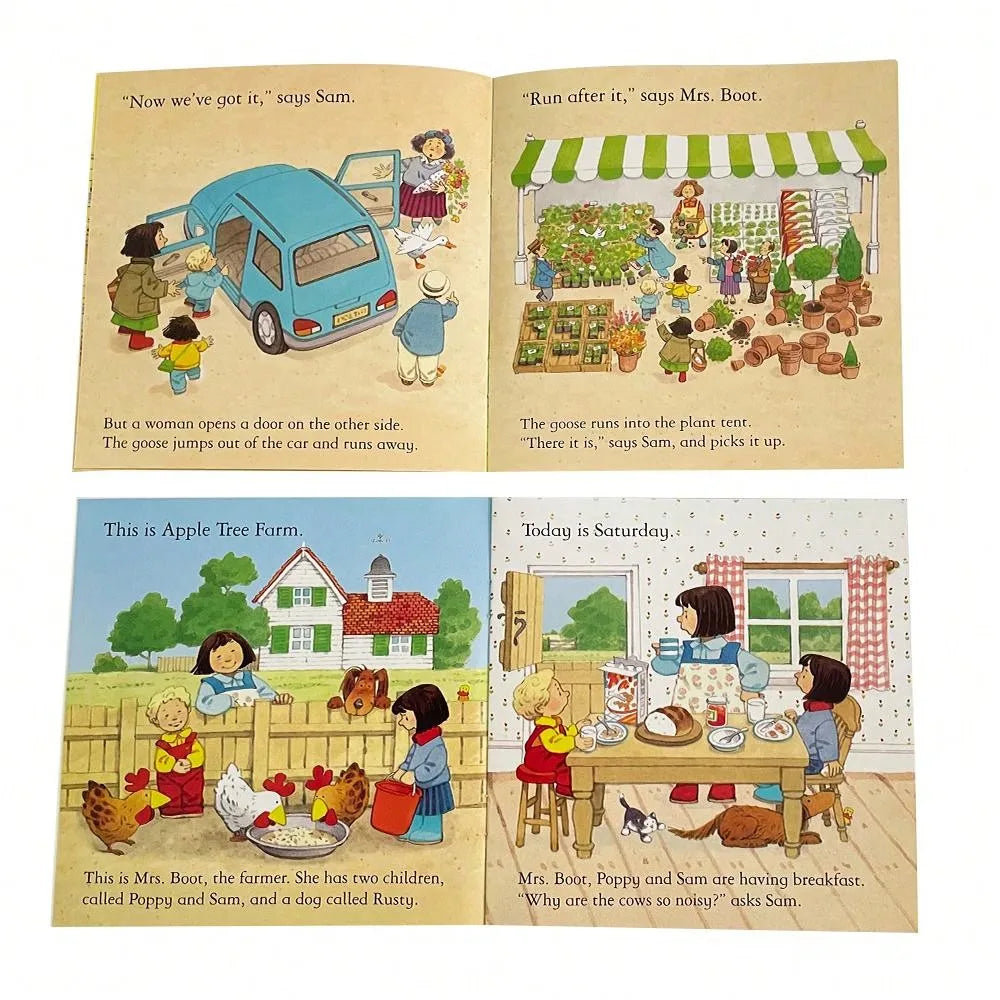
recommended books for preschoolers + best bedtime books for preschoolers 2026 💡 See it in action
Why Trusted Preschool Books Matter More Than Ever
Children aged 2–5 absorb language faster than at any other stage. The books you introduce now directly influence how they speak, understand, and express themselves.
- Build foundational vocabulary through repetition
- Develop listening and attention skills
- Encourage emotional understanding through storytelling
- Create calming, structured routines (especially at bedtime)
But not all books are equal. Some entertain, while others actively shape your child’s development.
What are the most recommended books for preschoolers?
Recommended books for preschoolers include titles that combine repetition, engaging illustrations, and simple storytelling. These books help children recognize patterns, expand vocabulary, and stay focused longer. Parents consistently trust books that balance fun with educational value, especially those designed for daily reading routines and interactive learning.
Top Picks Parents Trust
- Interactive storybooks that encourage participation
- Rhyming books for memory and phonics
- Visual-rich picture books for comprehension
- Routine-based books for bedtime and daily habits
👉 Explore engaging tools that enhance reading time: Sensory Toys
Comparison: What Sets These Books Apart
| Feature | Standard Books | High-Quality Preschool Books |
|---|---|---|
| Vocabulary Growth | Limited | Structured and repetitive learning |
| Engagement | Short-lived | Interactive and immersive |
| Bedtime Suitability | Inconsistent | Calming and predictable |
| Learning Impact | Minimal | Long-term development benefits |
How the Best Bedtime Books for Preschoolers 2026 Improve Sleep
Bedtime struggles are one of the biggest challenges for parents. The right book can transform chaos into calm.
- Gentle rhythms signal sleep readiness
- Predictable storytelling reduces anxiety
- Repetition creates comfort and familiarity
- Short formats prevent overstimulation
Parents report that consistent bedtime reading reduces resistance and shortens sleep time significantly.
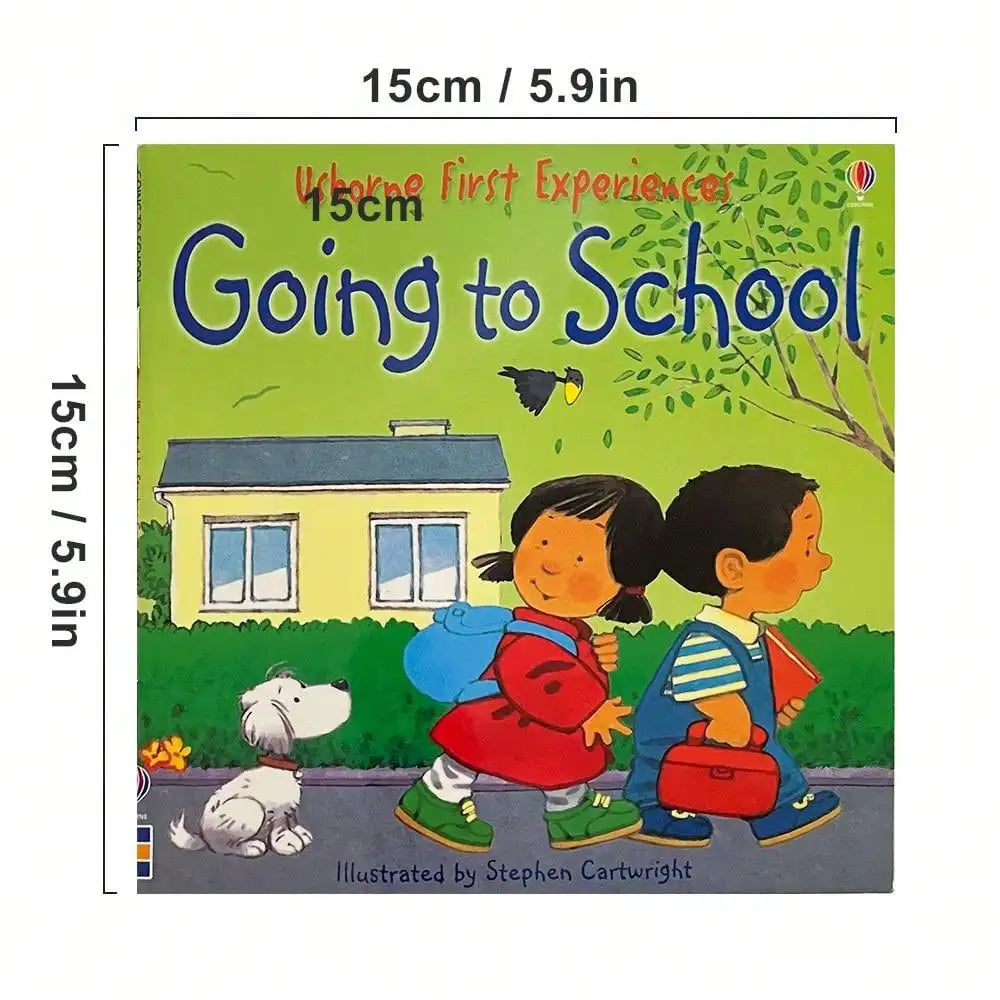
educational picture books for early learners 💡 See it in action
How Educational Picture Books Build Vocabulary Faster
Visual learning is powerful. Preschoolers connect words to images instantly, making picture books one of the fastest ways to expand vocabulary.
- Clear illustrations reinforce meaning
- Repetition strengthens memory retention
- Context-based learning improves comprehension
- Interactive prompts encourage speaking
Books that combine images with simple, repeated phrases consistently outperform others in language development.
Which Books Improve Toddler Vocabulary Fastest?
- Books with repeated phrases and patterns
- Stories with strong visual cues
- Interactive “point and say” formats
- Short, daily reading routines
Consistency matters more than complexity. Reading the same book daily often produces faster results than introducing new ones constantly.
Real Parent Reviews & Case Studies
Case Study 1: A 3-year-old improved sentence formation within 4 weeks of daily reading.
Case Study 2: Parents reported 40% fewer bedtime struggles after introducing structured bedtime books.
Case Study 3: Vocabulary increased noticeably when using repetitive story formats.
- “My child started using new words within days.”
- “Bedtime became something we look forward to.”
- “The difference in focus was immediate.”
Why Farmyard Tales Stands Out Among Competitors
Farmyard Tales combines repetition, engaging storytelling, and vivid illustrations to deliver consistent learning outcomes. Unlike many alternatives, it’s designed specifically for preschool development—supporting vocabulary growth, attention span, and emotional engagement. Parents trust it because it balances education with enjoyment, making daily reading effortless and effective.
- Designed for real learning, not just entertainment
- Encourages interaction and participation
- Ideal for both daytime learning and bedtime routines
👉 Explore the full experience here: Farmyard Tales Preschool Books
How to Choose the Right Book for Your Preschooler
- Look for repetition and simple language
- Choose engaging, colorful illustrations
- Prioritize books that encourage interaction
- Select age-appropriate story length
Pairing books with supportive tools can enhance the experience.
👉 Explore calming routines with Sleep & Comfort
Common Mistakes Parents Make
- Choosing overly complex stories
- Switching books too frequently
- Focusing only on entertainment value
- Skipping daily reading routines
Benefits You’ll Notice Quickly
- Improved vocabulary within weeks
- Better focus and listening skills
- Stronger emotional bonding
- Easier bedtime routines
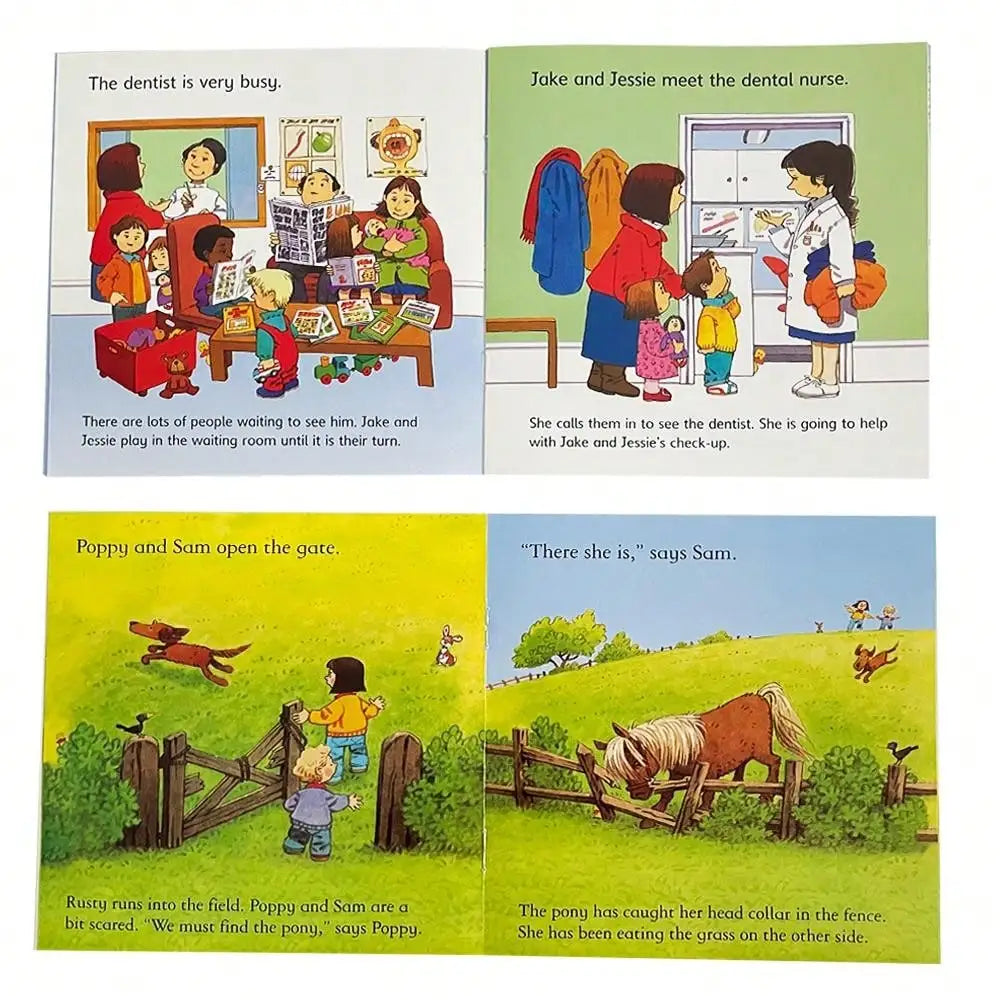
best preschool books for vocabulary building 💡 See it in action
👉 Get yours now — limited stock! Shop Farmyard Tales
Frequently Asked Questions
What age should preschoolers start reading these books?
Most children benefit from structured reading as early as age 2. Early exposure helps build vocabulary and listening skills.
How often should I read to my preschooler?
Daily reading, even for 10–15 minutes, creates consistent learning and improves retention.
Are bedtime books really effective?
Yes, they help create predictable routines and reduce resistance to sleep.
What type of books are best for vocabulary growth?
Books with repetition, strong visuals, and simple language are the most effective.
How long before I see results?
Many parents notice improvements in vocabulary and engagement within 2–4 weeks.
Related Articles:
- Best Nursery Rhyme Books Review for Early Learning Gains
- Preschool Farm Books Review: Are They Worth Buying
Pillar Articles:





