

Preschool Farm Books Review: Are They Worth Buying
Are preschool farm books worth buying?
Preschool farm books help young children build vocabulary, recognize animals, and develop early storytelling skills through repetition and simple narratives. Many parents find that preschool farm books—especially engaging sets like farmyard collections—keep kids interested longer while supporting language growth and bedtime routines.
Preschool Farm Books Review: Are They Worth Buying
Looking for books that actually keep your child engaged—and help them learn at the same time? Preschool farm books are often recommended for early learning, but do they really deliver results? In this detailed review, we break down what works, what doesn’t, and whether popular farmyard story sets are worth adding to your child’s routine.
⏱ 6 min read
💬 Which books actually help your child speak more, faster? Keep reading to find out what most parents miss.
👉 Discover how simple storybooks can boost your child’s learning fast
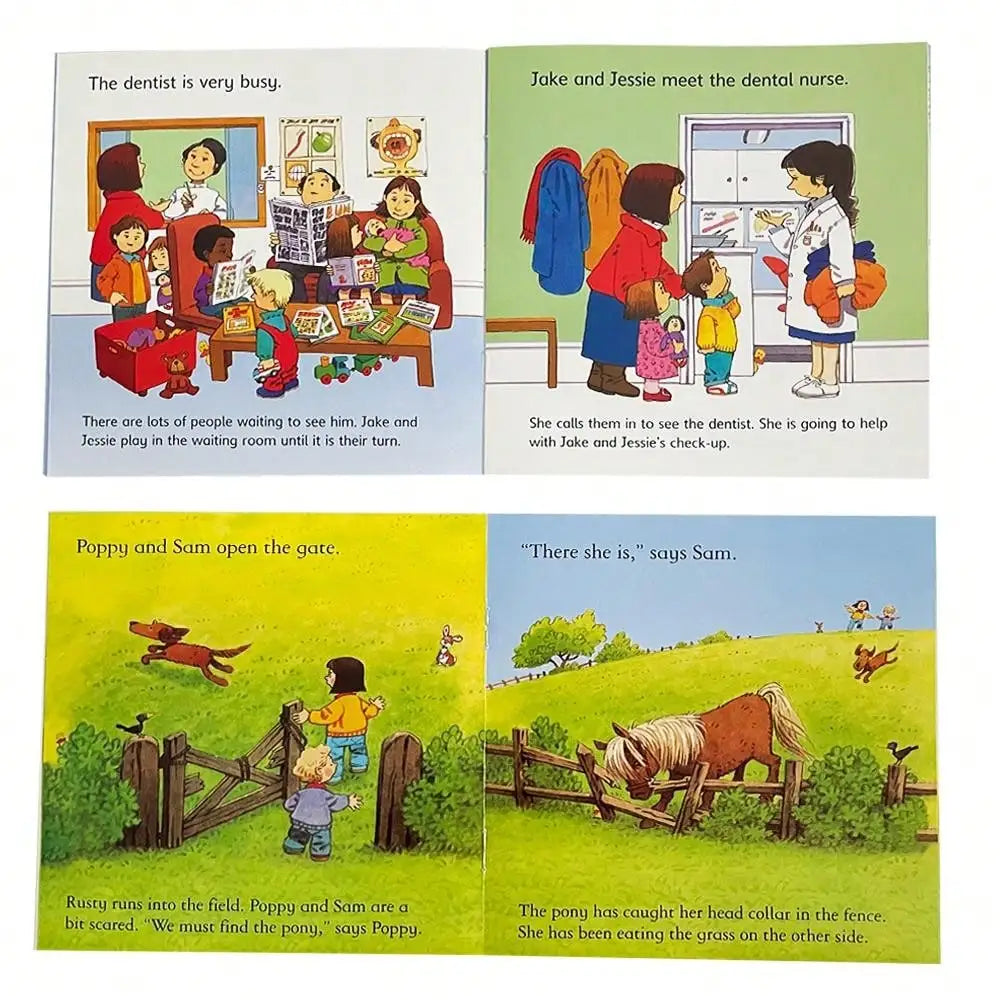
preschool farm books that build early vocabulary 💡 See it in action
Why Parents Love Preschool Farm Books for Early Learning
Preschool farm books are simple—but that’s exactly why they work.
Young children thrive on repetition, predictable patterns, and familiar topics. Farm animals naturally grab attention, making learning feel like play.
- Easy-to-follow storylines
- Repetitive words for faster memory
- Bright illustrations that hold attention
- Relatable everyday scenarios
Parents juggling busy routines often rely on tools from Baby Growth & Learning to keep development on track—books like these fit perfectly into that system.
What Makes Farmyard Tales Preschool Books Set Stand Out?
Preschool farm books like the farmyard tales preschool books set stand out because they combine storytelling with interactive elements. Children aren’t just listening—they’re actively engaging by spotting animals, repeating phrases, and predicting what happens next, which strengthens comprehension and vocabulary faster than passive reading.
The farmyard tales preschool books set is one of the most talked-about options—and for good reason.
Key Features Parents Notice Immediately
- Short stories perfect for bedtime routines
- Consistent characters that children recognize
- Gentle humor that keeps kids engaged
- Clear, simple sentence structures
Unlike random picture books, this set builds familiarity across stories—helping kids feel confident and excited to read again.
👉 Learn how to choose books your child will actually love
Farmyard Tales Books vs Usborne Stories: Which Is Better?
| Feature | Farmyard Tales | Usborne Stories |
|---|---|---|
| Story Length | Short & simple | Longer narratives |
| Vocabulary Level | Beginner-friendly | Moderate |
| Engagement | Highly repetitive & interactive | More story-driven |
| Best For | Ages 2–4 | Ages 4+ |
Bottom line:
- Choose Farmyard Tales for early vocabulary building
- Choose Usborne Stories for slightly older preschoolers
If your goal is faster speech development, Farmyard Tales often wins.
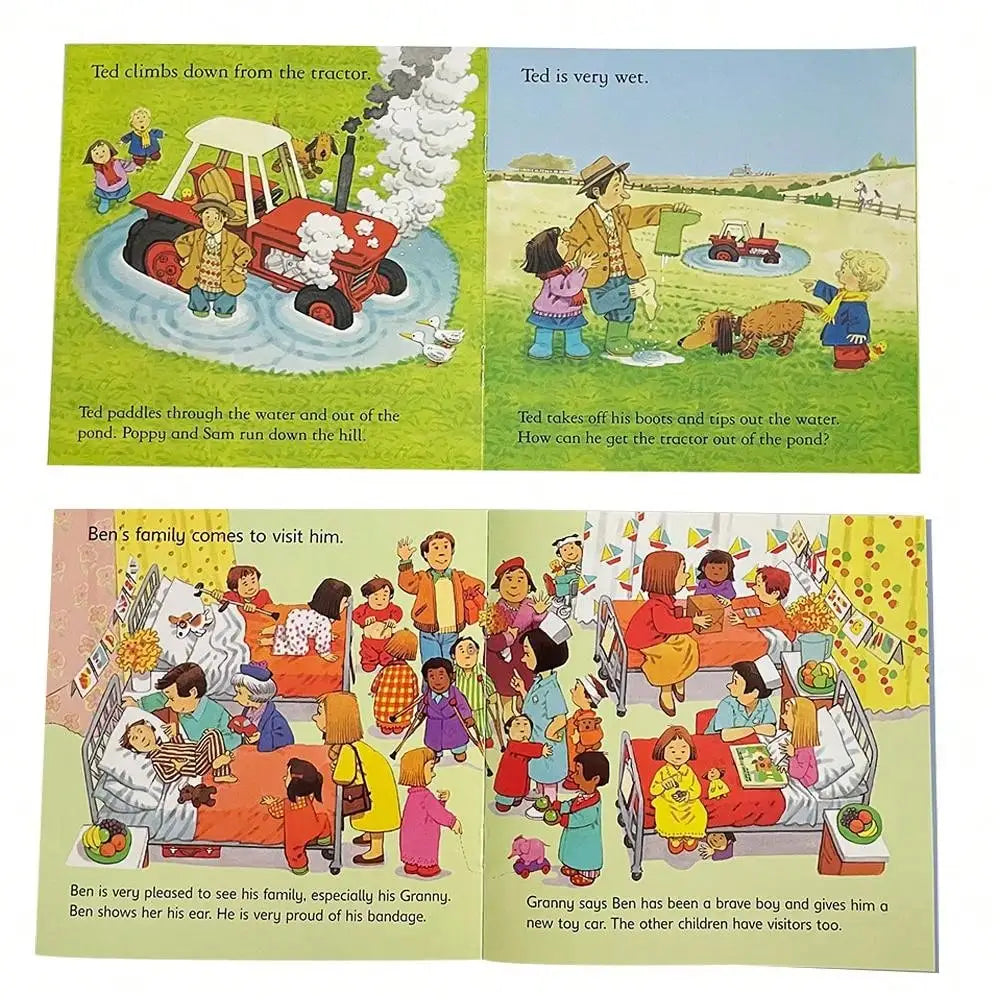
review farmyard tales preschool books set for real learning results 💡 See it in action
Real Parent Reviews & Experiences
Parents consistently report noticeable improvements within weeks.
What Parents Are Saying
- “My toddler started repeating animal names after just a few readings.”
- “Bedtime became easier—he actually asks for these books.”
- “Less screen time, more engagement.”
Many families combine reading with calming routines from Sleep & Comfort to create a consistent bedtime environment.
Before vs After Using These Books
| Before | After |
|---|---|
| Short attention span | Focused listening for 10+ minutes |
| Limited vocabulary | Recognizing animals & simple phrases |
| Resistance to bedtime | Excited for storytime |
How to Use These Books for Faster Learning
- Read the same story daily for repetition
- Pause and ask simple questions (“What animal is this?”)
- Encourage your child to repeat words
- Use expressive voices to keep it fun
- Link stories to real-life objects or toys
Pairing books with items from Sensory Toys can make learning even more interactive.
Pros and Cons Breakdown
✅ Pros
- Excellent for early vocabulary development
- Short attention-friendly stories
- Builds reading habits early
- Great for bedtime routines
❌ Cons
- May feel too simple for older preschoolers
- Repetition can feel repetitive for parents
Final Verdict: Should You Buy Preschool Farm Books?
If you’re deciding whether preschool farm books are worth it—the answer depends on your goal.
If you want:
- Faster vocabulary growth
- Stress-free bedtime routines
- More engagement without screens
Then the farmyard tales preschool books set is a strong choice.
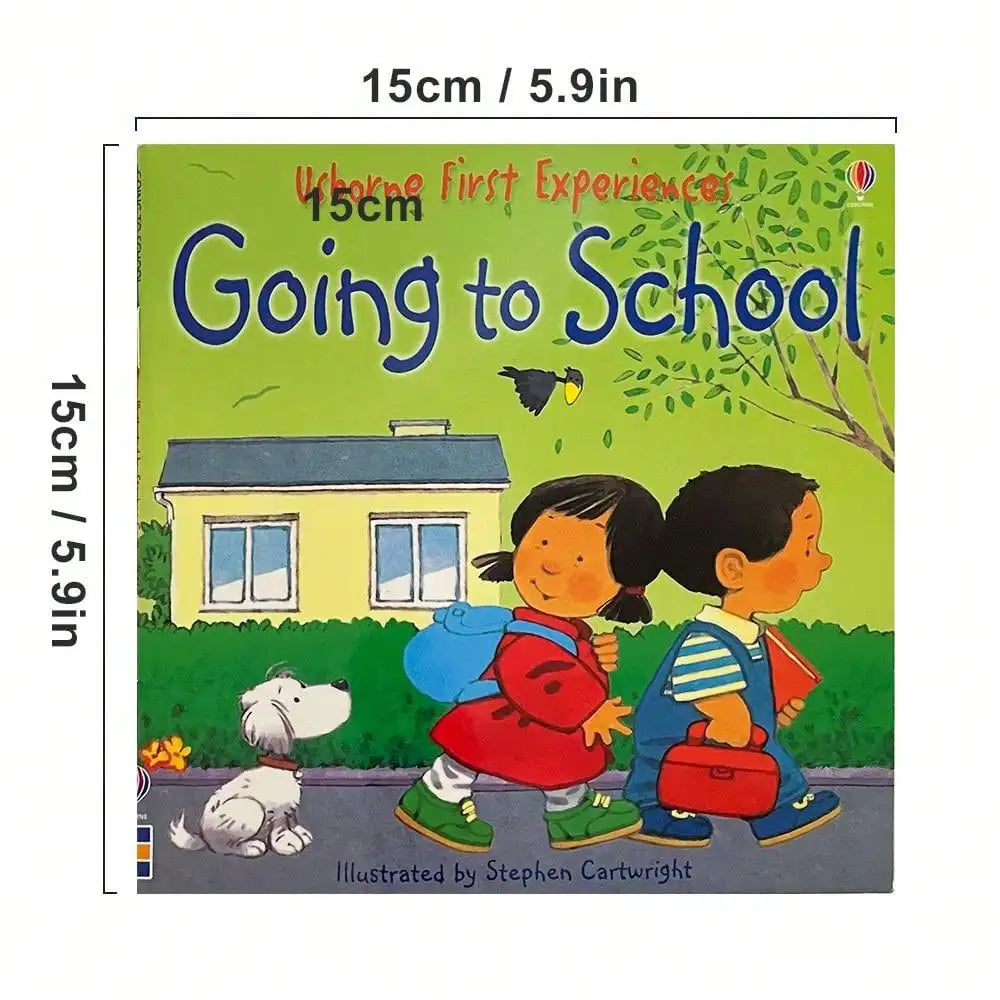
farmyard tales books vs usborne stories comparison 💡 See it in action
👉 Get yours now — limited stock!
Many parents say they wish they started sooner—because once kids connect with reading, everything else becomes easier.
FAQ
Are preschool farm books good for speech development?
Yes. Their repetitive language and simple structure help children recognize and repeat words, which supports early speech development.
What age are farmyard tales books best for?
They are ideal for ages 2–4, especially toddlers just beginning to speak and recognize objects.
How often should I read these books to my child?
Daily reading works best. Repetition helps reinforce vocabulary and builds confidence.
Are these better than digital learning apps?
For early development, physical books often lead to better engagement and bonding compared to passive screen time.
Can these books replace other learning tools?
They work best when combined with other activities like play, conversation, and tools from Baby Growth & Learning.
Pillar Article: Recommended Books for Preschoolers Parents Actually Trust
Other Related Articles:
Explore More:





