

DIY Tracing Projector: Easy Build With Household Materials
Does a DIY Tracing Projector Really Work?
A diy tracing projector really can work for simple drawing and tracing projects when it's built correctly and used in the right environment. By combining a light source with a magnifying lens or reflective surface, a diy drawing projector enlarges an image onto paper so children and beginners can trace outlines more easily. While the projected image won't match the sharpness or brightness of a commercial projector, it provides enough accuracy for practicing drawing, improving fine motor skills, and encouraging creative, screen-free activities.
The quality of a diy tracing projector depends on several factors, including the lens used, the distance between the projector and the paper, room lighting, and how steadily the phone or image source is positioned. Using a dark room, a quality magnifying glass or Fresnel lens, and careful alignment produces noticeably clearer tracing results.
DIY Tracing Projector: How to Make One at Home Easily
A diy tracing projector is an affordable way to build a homemade drawing tool using everyday materials such as a cardboard box, smartphone, flashlight, and magnifying lens. This guide explains what you can realistically expect from a diy projector for tracing, how to improve image quality, and which simple upgrades can make projection clearer. You'll also learn when basic household materials are enough and when options like a magnifying glass or Fresnel lens provide better results.
⏱ 8 min read
Building your own tracing projector is a practical weekend project that combines creativity with simple optics. Whether you're helping a child practice drawing or experimenting with a homemade art tool yourself, understanding how projection works will help you achieve cleaner, brighter, and more accurate tracing.
Yes. With proper lighting, careful phone positioning, and a suitable lens, a diy tracing projector can project simple images accurately enough for tracing practice and creative art projects.
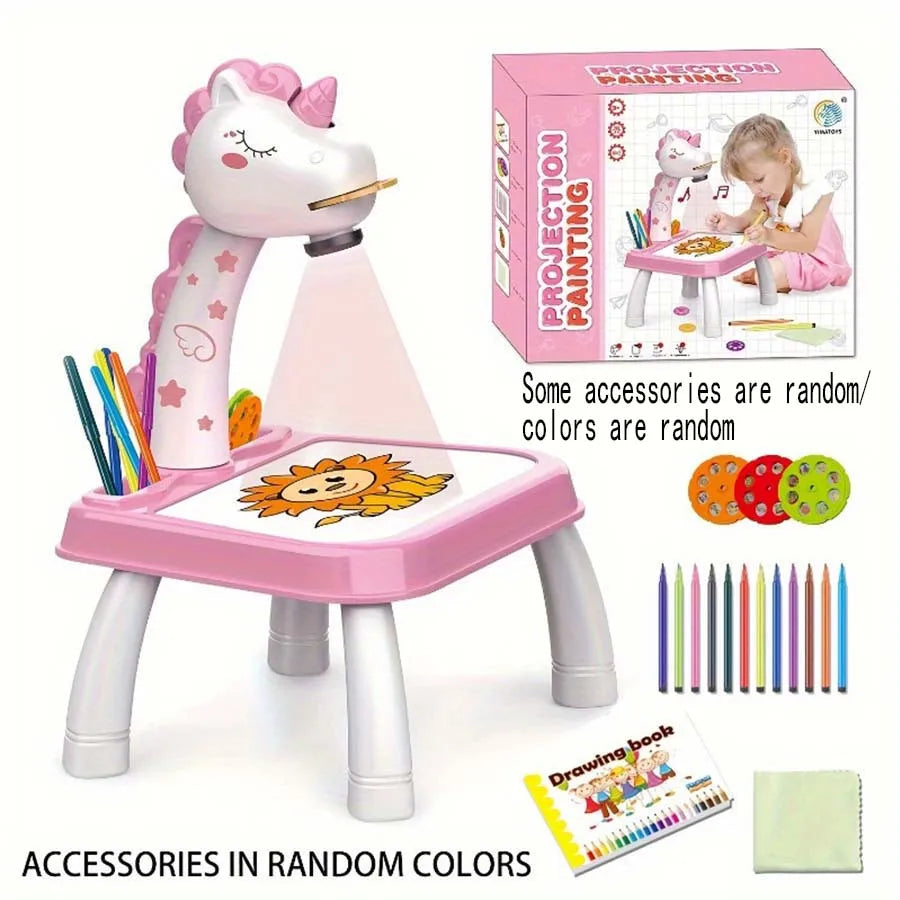
DIY tracing projector setup at home — See it in action
How to Make a DIY Tracing Projector Step-by-Step
Building a diy projector for tracing requires only a few inexpensive materials and about 20–30 minutes. The steps below create a simple projector that works well for tracing bold outlines, cartoons, letters, and basic illustrations. For the clearest results, use a smartphone with maximum screen brightness and work in a dimly lit room.
-
Step 1: Prepare a sturdy projector box
Choose a shoebox or another rigid cardboard box with a fitted lid. Seal any unnecessary openings with tape to reduce light leaks, then mark the front panel where the lens will be installed. -
Step 2: Cut the lens opening
Cut a circular opening slightly smaller than your magnifying glass or Fresnel lens so it fits securely. Tape or glue the lens in place, making sure it sits flat and centered for better image focus. -
Step 3: Mount the smartphone inside
Position your phone at the opposite end of the box using cardboard supports, books, or a simple phone holder. Lock the screen orientation and display the image you want to trace. Because lenses invert images, rotate the image 180 degrees before projecting if needed. -
Step 4: Darken the room and test the projection
Aim the projector toward a sheet of white paper or a smooth wall. Slowly move the box closer or farther away until the projected image becomes as sharp as possible. Small adjustments in distance often make a noticeable difference. -
Step 5: Fine-tune brightness and alignment
Increase your phone's brightness, keep the lens clean, and ensure the phone stays centered behind the lens. If the image appears distorted, realign the phone before making additional focus adjustments. -
Step 6: Begin tracing
Secure your paper with masking tape to prevent movement while tracing. Start with bold, high-contrast images before progressing to more detailed artwork as you become comfortable using the projector.
Materials Needed for a Homemade DIY Tracing Projector
Most homemade diy tracing projector builds use inexpensive household items, with optional upgrades for sharper and brighter projections. Start with the basic materials below, then add a magnifying glass or Fresnel lens if you want improved image quality.
| Item | Purpose | Optional Upgrade |
|---|---|---|
| Cardboard box | Creates the projector housing | Use a rigid box to reduce movement |
| Smartphone or LED flashlight | Provides the light source and image | Increase screen brightness to maximum |
| Magnifying glass or Fresnel lens | Enlarges and focuses the projected image | Fresnel lenses often provide a larger viewing area |
| Tape or hot glue | Secures the lens and phone holder | Foam tape helps reduce vibration |
| Cardboard supports or phone holder | Keeps the phone aligned with the lens | Adjustable holders make focusing easier |
| Printed images or digital artwork | Tracing templates | Choose high-contrast designs with bold outlines |
If you don't have a magnifying lens, you can still experiment using simple household materials, but expect a smaller and less defined projection than a dedicated lens provides.
Tips to Get the Best Projection Results Every Time
A few adjustments can dramatically improve the clarity and brightness of your diy projector for tracing without rebuilding the entire setup.
- Use a dark room so the projected image stands out against the paper.
- Clean the lens before each use to reduce haze and improve sharpness.
- Keep the phone perfectly centered behind the lens to minimize distortion.
- Use high-contrast images with bold outlines instead of detailed photographs.
- Adjust the projection distance gradually until the image comes into focus.
- Stabilize the box on a flat surface so the image doesn't shift while tracing.
Pro tip: If the image appears dim, increase your phone's screen brightness, move the projector slightly closer to the tracing surface, and reduce ambient room lighting before changing the lens position.
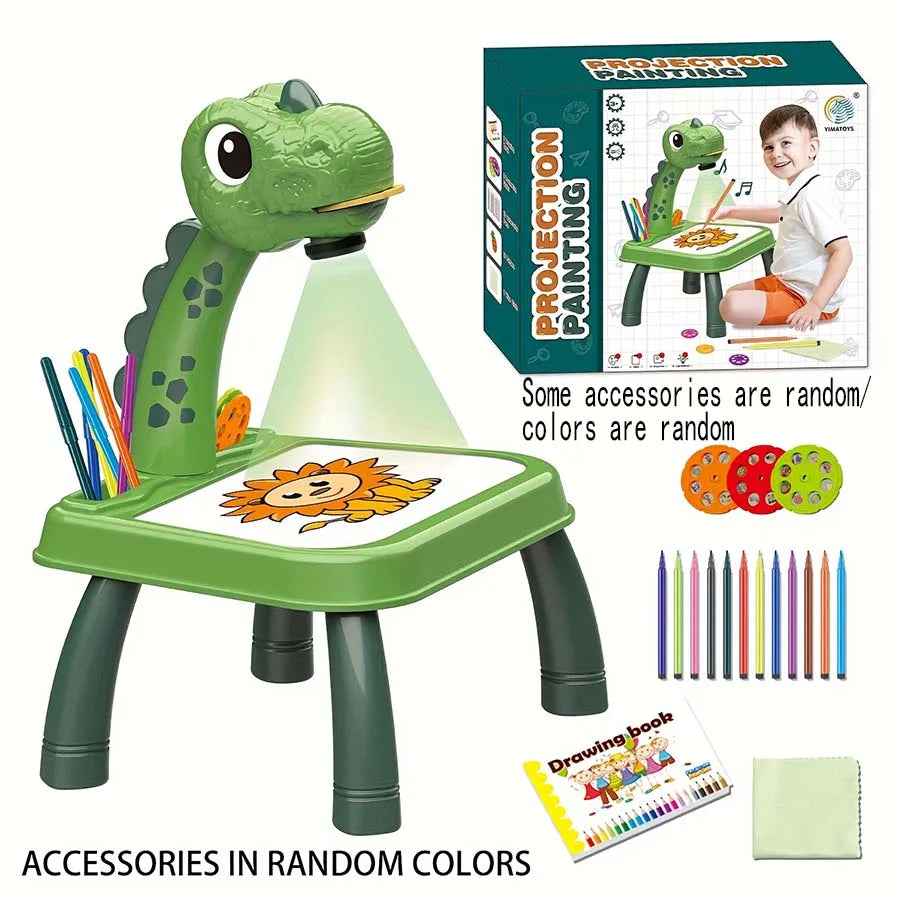
DIY projector for tracing in use — See it in action
DIY Tracing Projector vs Ready-Made Drawing Projector
Both options help children and beginners practice tracing, but they serve different purposes. A homemade diy drawing projector is ideal for learning basic projection techniques and completing occasional art projects, while a dedicated drawing projector offers greater consistency, convenience, and image quality for frequent use.
| Feature | DIY Tracing Projector | Drawing Table |
|---|---|---|
| Cost | Very low using household materials | Higher initial investment |
| Setup Time | Requires assembly and focus adjustments | Ready to use within minutes |
| Image Quality | Depends on lens quality, lighting, and alignment | More consistent brightness and clarity |
| Durability | Suitable for temporary or occasional projects | Designed for long-term use |
| Ease of Use | May require adult assistance for younger children | Kid-friendly with minimal setup |
| Best For | Learning, experimenting, and DIY crafts | Regular drawing practice and creative activities |
A diy projector for tracing is an excellent way to understand how image projection works without purchasing specialized equipment. If tracing becomes a regular hobby or classroom activity, a ready-made drawing projector can save setup time and provide more reliable results.
Creative Ways to Use a DIY Drawing Projector
A homemade tracing projector is useful for more than copying simple pictures. Once your setup is working well, you can use it for a variety of creative and educational projects.
- Trace favorite artwork to practice line control, proportions, and confidence before freehand drawing.
- Create handmade cards and decorations by projecting seasonal designs, lettering, or simple illustrations onto paper or cardstock.
- Practice drawing skills by enlarging small reference images, animals, plants, maps, or geometric shapes for repeated sketching.
- Support classroom and homeschool activities with custom worksheets, coloring pages, and educational diagrams.
Using a diy tracing projector encourages hands-on creativity while reducing passive screen use. Instead of simply viewing digital images, children actively recreate them through drawing, helping develop observation, coordination, and artistic confidence.
For more daily routines that support balanced habits, explore Health & Safety .
When to Upgrade From a DIY Tracing Projector
A homemade tracing projector is an excellent starting point, but there are times when a dedicated drawing tool becomes the more practical option. If you find yourself rebuilding the projector frequently, struggling to keep the phone aligned, or wanting brighter, more consistent images, upgrading can save time while making tracing sessions more enjoyable.
A kids projection drawing table is worth considering if you want:
- Consistent image quality without repeated focus adjustments
- Stable projection designed for younger children
- Built-in image templates for regular drawing practice
- A durable solution for frequent home or classroom use
Many families start with a diy projector for tracing to explore the concept, then switch to a dedicated drawing table once tracing becomes a regular hobby.
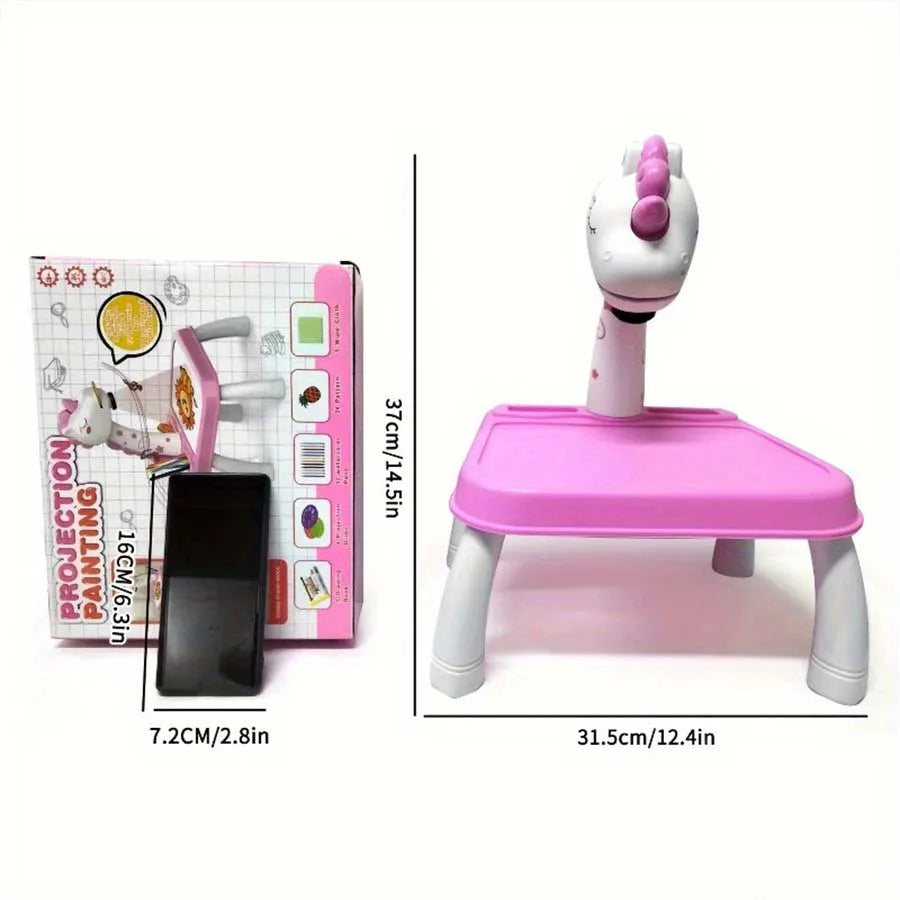
Homemade projector upgraded experience — See it in action
FAQs
What age is a DIY tracing projector suitable for?
A diy tracing projector is generally suitable for children aged 3–10 with adult supervision during setup. Older children can usually adjust focus and positioning independently, while younger kids benefit from help when aligning the projector and tracing images.
Is a DIY projector for tracing safe for kids?
Yes. Use low-heat LED light sources or a smartphone instead of hot incandescent bulbs. Make sure the cardboard box is stable, the lens is securely attached, and any cutting or assembly is completed by an adult.
Can a phone projector be used for accurate tracing?
Yes. A smartphone works well for basic tracing when paired with a magnifying glass or Fresnel lens. The sharpest results come from maximizing screen brightness, centering the phone behind the lens, and using the projector in a dim room.
Why is my DIY tracing projector blurry?
Blurry images are usually caused by incorrect projection distance, a dirty lens, poor phone alignment, or too much ambient light. Move the projector gradually closer or farther from the paper, clean the lens, and keep the phone centered until the image comes into focus.
What lens works best for a homemade tracing projector?
A quality magnifying glass is the easiest option for beginners, while a Fresnel lens typically produces a larger projection and requires less space inside the box. Either option performs better than using reflective plastic sheets alone.
Pillar Article: How to Draw Step by Step: Easy Guide for Kids
Other Related Articles:
- How to Develop Fine Motor Skills with Fun Drawing Games
- Tracing Shapes Preschool: How to Teach Without Stress
- Drawing Activities for Preschoolers: 7 Easy Ways to Start
Explore More:





