

How to Draw Step by Step: Easy Guide for Kids
How to draw step by step for kids?
How to draw step by step helps kids break complex pictures into simple shapes, making drawing easier and more fun. By following clear steps—like sketching basic forms, adding details, and finishing with color—children build confidence, improve focus, and enjoy creative play without frustration.
How to Draw Step by Step: Easy Guide for Kids
Drawing activities for preschoolers can transform quiet moments into creative breakthroughs, especially when kids hesitate to engage in art. With simple, structured methods and fun approaches, parents can turn frustration into excitement. This guide shows how to draw step by step in a way that builds confidence, improves skills, and makes drawing an enjoyable daily habit.
⏱ 8 min read
Ever noticed your child saying, “I can’t draw that”? You’re not alone. Many kids get frustrated learning to draw because they don’t know where to start. The good news? A step-by-step approach can turn that frustration into confidence—fast.
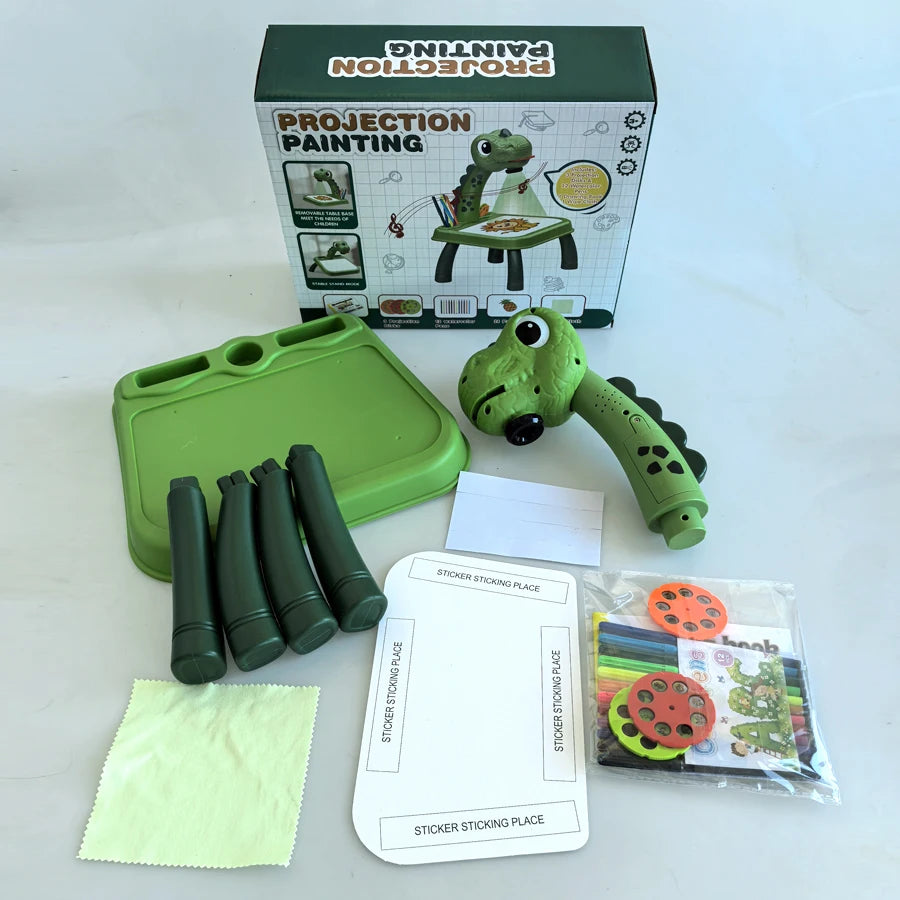
Easy how to draw step by step method for beginners 💡 See it in action
Explore the Kids Projection Drawing Table
Why Step-by-Step Drawing Builds Confidence Fast
Kids often feel overwhelmed when they try to draw something complex all at once. A step-by-step method breaks big drawings into small, manageable pieces.
- Reduces pressure and fear of mistakes
- Helps kids focus on one step at a time
- Builds confidence with small wins
- Improves hand-eye coordination
Instead of guessing what to do next, children follow a clear path. This structure is especially helpful for preschoolers and beginners.
Parents looking for more developmental tools can explore Baby Growth & Learning to support creative skills.
How to Draw Step by Step (Simple Method for Kids)
How to draw step by step becomes easy when kids follow a clear process: start with simple shapes, build structure, add details, and finish with color. This method reduces overwhelm, improves accuracy, and helps children enjoy drawing while developing creativity and confidence.
-
Start with basic shapes
Circles, squares, and triangles form the base of most drawings. -
Connect the shapes
Turn simple shapes into recognizable objects like animals or people. -
Add details
Eyes, patterns, textures, and small features bring drawings to life. -
Outline and refine
Clean up lines and define the final form. -
Add color
Let kids choose colors freely to boost creativity.
| Step | What Kids Learn |
|---|---|
| Shapes | Structure and proportion |
| Connecting | Logical thinking |
| Details | Creativity and expression |
| Coloring | Confidence and style |
Try a drawing projector for easy tracing and learning
How to Help When Kids Get Frustrated Learning to Draw
It’s completely normal for kids to feel frustrated. The key is to change the experience, not force the outcome.
- Break drawings into smaller steps
- Celebrate effort, not perfection
- Allow tracing as a starting point
- Keep sessions short and fun
Many parents notice a huge improvement when they introduce guided drawing tools. These tools remove guesswork and help kids succeed faster.
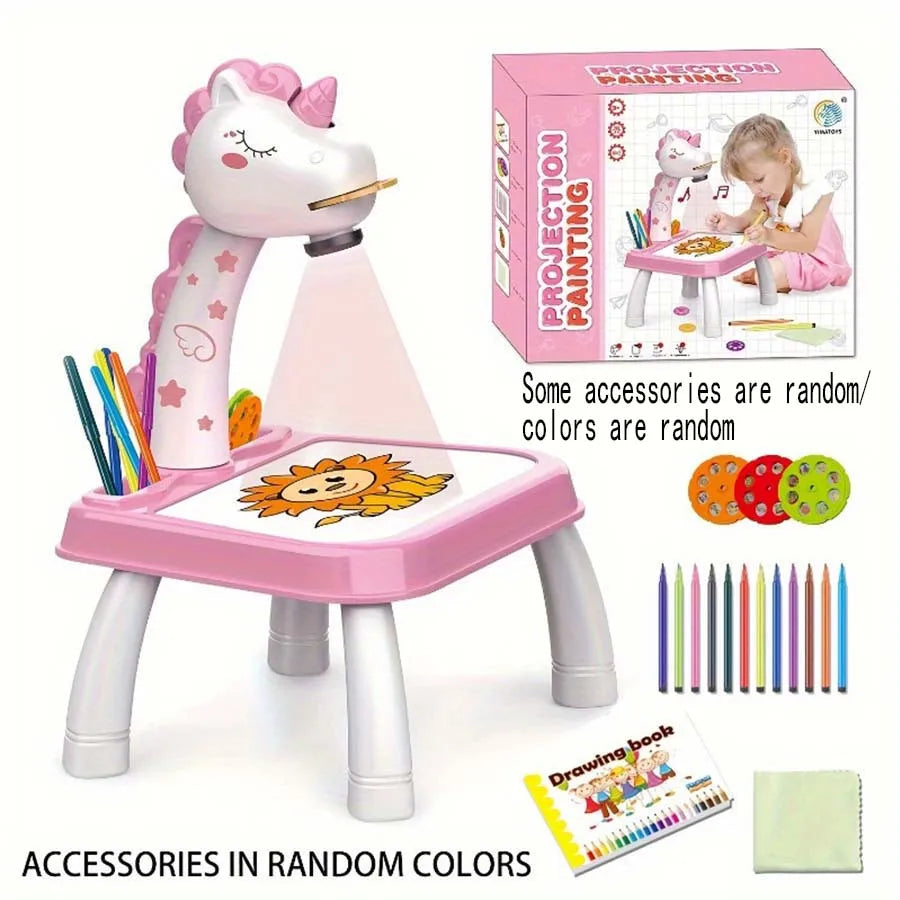
How to teach kids drawing step by step with fun tools 💡 See it in action
Fun Ways to Improve Kids Drawing Skills at Home
Making drawing fun is the secret to consistent practice.
- Turn drawing into a game (guess the picture)
- Draw together as a family
- Use light-up or projection tools
- Switch between drawing and coloring
Combining drawing with play keeps kids engaged longer. Pairing art with sensory experiences can also help—explore Sensory Toys for creative inspiration.
Real parent feedback: Many families report their kids spending 2–3x longer on drawing activities when tools make it interactive and fun.
Tools That Make Drawing Easier and More Fun
Sometimes, the right tool makes all the difference.
- Projection drawing tables for guided tracing
- Washable markers for stress-free cleanup
- Step-by-step drawing books
- Reusable drawing pads
One standout option is the Kids Projection Drawing Table. It helps kids follow outlines easily, improving accuracy and confidence.
Parents also love combining art time with calm routines—browse Sleep & Comfort for relaxing setups.
How to Build a Simple Daily Drawing Routine
Consistency matters more than skill level. A short daily routine can transform progress.
- 10–15 minutes per session
- Same time each day
- Start with easy drawings
- End with praise and display artwork
Creating a dedicated space helps kids focus. Keep supplies accessible and organized.
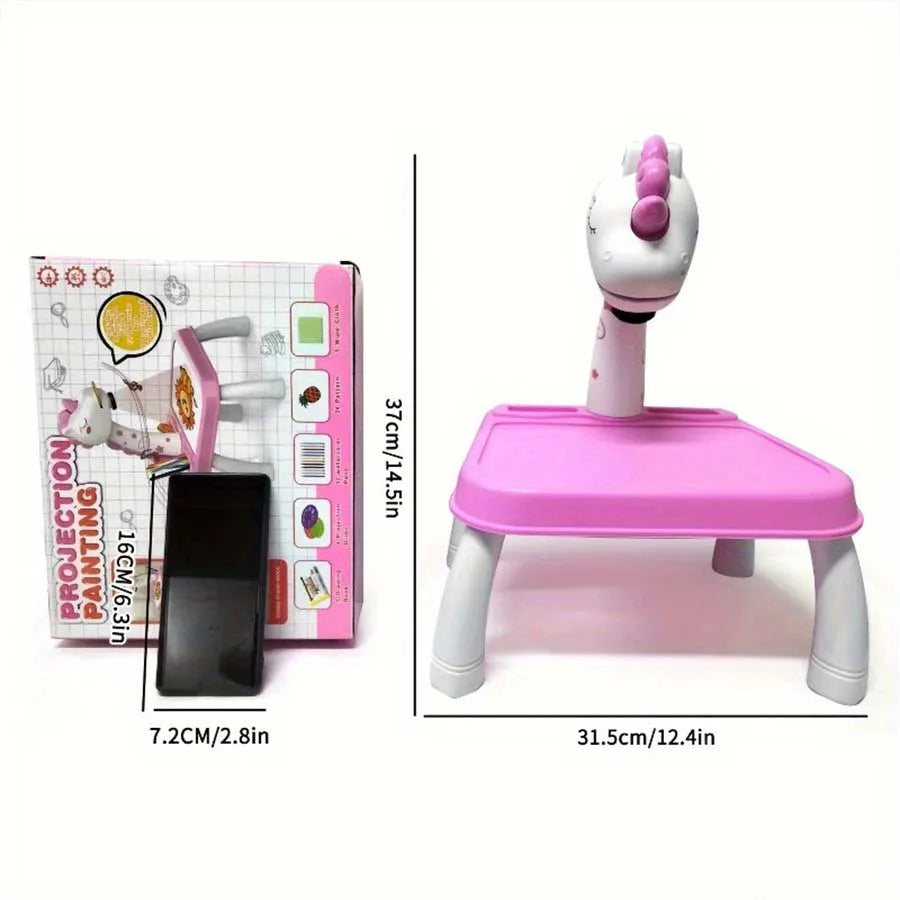
Fun ways to improve kids drawing skills with daily practice 💡 See it in action
Shop the Kids Projection Drawing Table
FAQs
How do I teach my child to draw step by step?
Start with simple shapes and guide your child through each step. Keep instructions clear and short. Use visual aids or tracing tools to make learning easier and more enjoyable.
Why do kids get frustrated learning to draw?
Kids often feel frustrated because they try to draw complex images without guidance. Breaking drawings into steps reduces pressure and helps them succeed faster.
What are fun ways to improve kids drawing skills?
Make drawing playful by turning it into games, drawing together, and using interactive tools. Keeping sessions short and positive encourages consistency and growth.
What tools help kids learn drawing faster?
Guided tools like projection drawing tables, tracing pads, and step-by-step books help kids understand structure and improve confidence quickly.
How often should kids practice drawing?
Daily practice for 10–15 minutes is ideal. Short, consistent sessions help build skills without overwhelming your child.
Related Articles:
- DIY Tracing Projector: How to Make One at Home Easily
- How to Develop Fine Motor Skills with Fun Drawing Games
- Tracing Shapes Preschool: How to Teach Without Stress
- Drawing Activities for Preschoolers: 7 Easy Ways to Start
Pillar Articles:





