

Tracing Shapes Preschool: How to Teach Without Stress
Does tracing shapes preschool really work?
Tracing shapes preschool builds early writing confidence by strengthening hand control, coordination, and visual tracking. With playful practice and the right tools, most children improve within weeks—even if a child struggles with tracing and drawing shapes or a preschooler lacks fine motor drawing skills. Consistency and fun are the keys.
Tracing Shapes Preschool: How to Teach Without Stress
Tracing shapes preschool doesn’t have to feel frustrating or overwhelming for you or your child. With simple, playful methods and proven tips to help kids learn tracing shapes, you can turn resistance into excitement—even if your child struggles with tracing and drawing shapes or your preschooler lacks fine motor drawing skills. Discover how small tweaks can unlock confidence, improve coordination, and make learning feel like play… but what’s the one mistake most parents don’t realize they’re making?
⏱ 6 min read
Is your child gripping the pencil too tightly, avoiding worksheets, or getting upset when lines don’t match? You’re not alone. Many parents face this exact moment—and the good news is, there’s a gentle, stress-free way forward.
👉 Discover fun ways to build early skills through play
Explore engaging tools in Baby Growth & Learning to support your child’s development naturally.
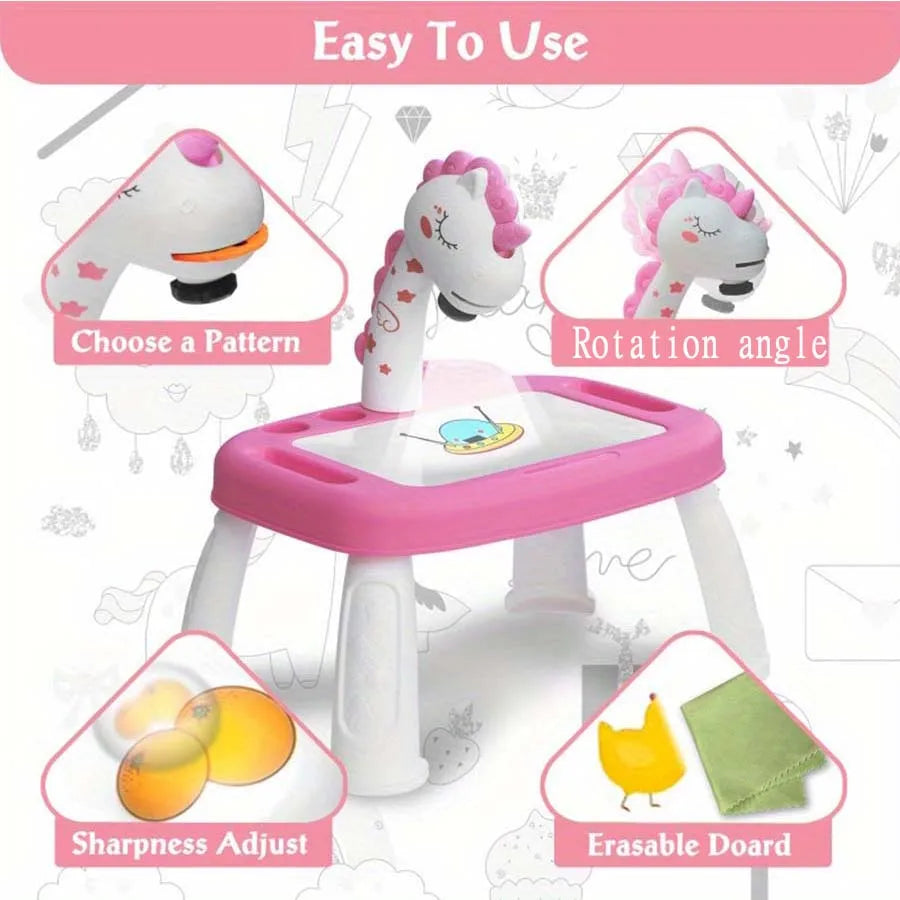
Tracing shapes preschool becomes fun and engaging 💡 See it in action
Why Tracing Shapes Builds Real Skills (Not Just Drawing)
Tracing shapes preschool is more than drawing—it’s the foundation of writing.
- Strengthens hand muscles needed for pencil control
- Improves eye-hand coordination
- Teaches direction (left-to-right, top-to-bottom)
- Builds confidence before writing letters
When done right, tracing becomes a stepping stone to writing—not a stressful task.
Why Some Kids Struggle With Tracing Shapes
If your child avoids tracing, there’s usually a reason—not laziness.
- Weak fine motor skills: Small hand muscles aren’t ready yet
- Poor grip control: Holding pencils feels uncomfortable
- Low confidence: Fear of “doing it wrong”
- Boredom: Repetitive worksheets feel dull
Understanding this changes everything. Instead of pushing harder, you can adjust smarter.
How to Teach Tracing Shapes Preschool Without Stress
Tracing shapes preschool works best when it feels like play, not pressure. Follow these simple steps:
-
Start big, not small
Use large shapes first—chalk on the floor, finger tracing in sand, or drawing in the air. -
Use hands before pencils
Let kids trace with fingers before introducing tools. -
Break shapes into parts
Teach lines and curves separately before combining them. -
Keep sessions short
5–10 minutes is enough to build consistency without frustration. -
Make it playful
Turn tracing into games—follow the path, connect dots, or trace glowing lines.
👉 Learn step-by-step ways to improve fine motor skills
Browse helpful tools in Sensory Toys that make learning feel like play.
The #1 Mistake Parents Make
Most parents jump straight to worksheets too early.
This creates frustration because the child hasn’t developed the muscle control yet. Instead, focus on movement, play, and exploration first—then introduce structured tracing later.
Think of it like learning to walk before running.
Tools That Make Learning Easier (and More Fun)
Some tools can instantly transform how your child feels about tracing.
- Light-up drawing boards for visual guidance
- Projection drawing tables for guided tracing
- Reusable tracing mats
- Chunky crayons for easier grip
One highly effective option is a projection-based drawing tool that shows shapes clearly for kids to follow. It removes guesswork and builds confidence quickly.
Try it here: /products/kids-projection-drawing-table
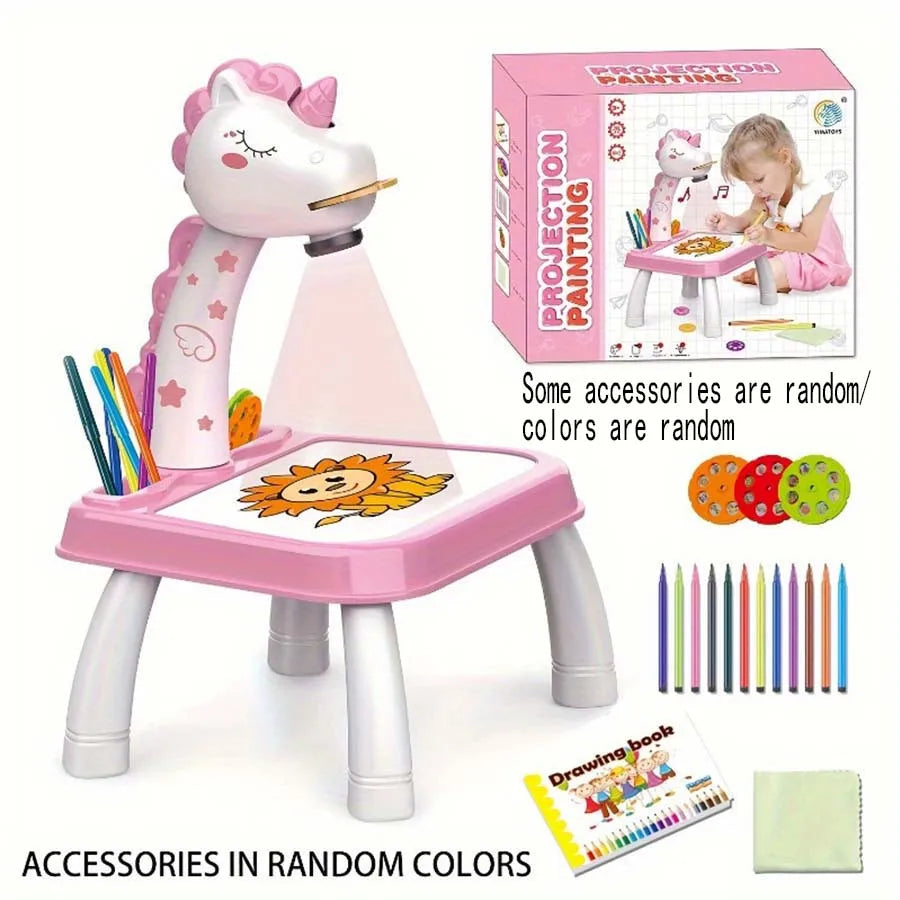
Perfect for kids who struggle with tracing and drawing shapes 💡 See it in action
Why Parents Love This Approach
| Feature | Benefit |
|---|---|
| Guided projection | Helps kids trace accurately without frustration |
| Interactive play | Keeps children engaged longer |
| Reusable practice | No wasted paper or repeated printing |
| Confidence boost | Kids feel successful quickly |
A Simple Daily Routine That Actually Works
Consistency beats intensity. Here’s a realistic routine:
- Day 1–2: Finger tracing (sand, air, textured boards)
- Day 3–4: Large shapes with crayons
- Day 5–6: Guided tracing using tools
- Day 7: Free drawing + praise progress
This keeps learning fresh and avoids burnout.
Pair this with calming activities from Massage & Relaxation to help children stay focused and relaxed during practice.
How to Know Your Child Is Improving
Progress isn’t about perfection—it’s about small wins.
- Smoother lines over time
- Less frustration during practice
- Better pencil grip
- Willingness to try independently
Many parents report noticeable improvement within 2–3 weeks when using guided tools and playful methods.
👉 Get yours now — limited stock!
Make tracing easier and more fun: /products/kids-projection-drawing-table
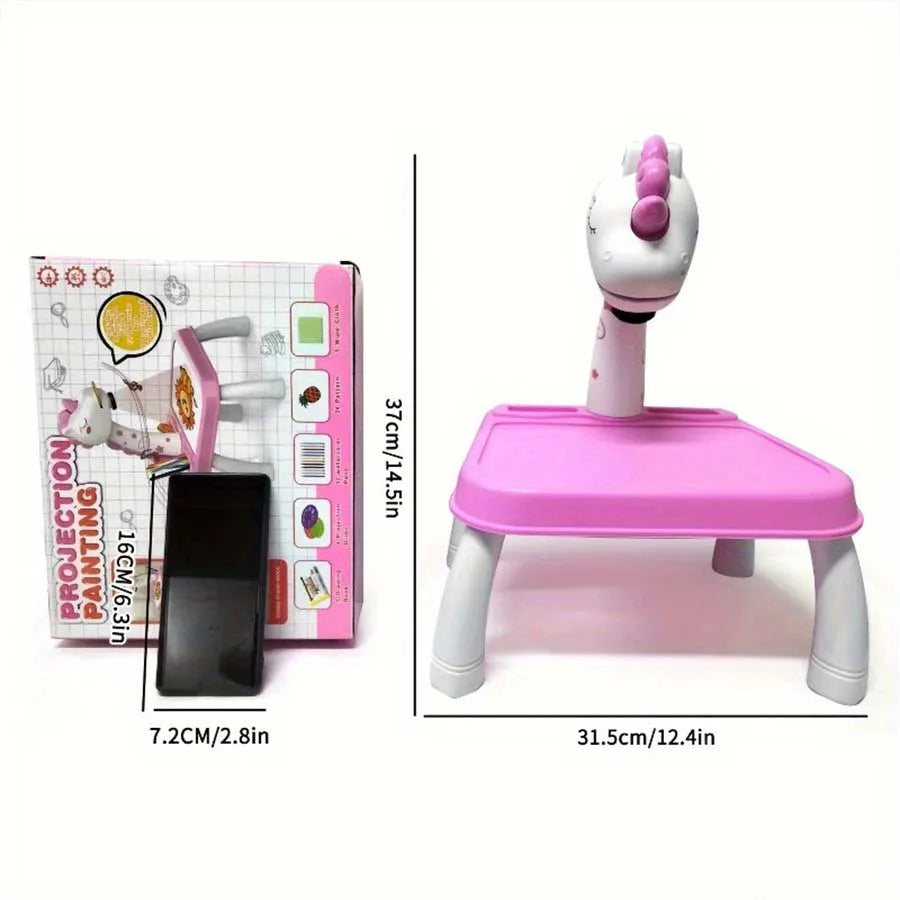
Boost fine motor skills and confidence in preschoolers 💡 See it in action
FAQs
At what age should kids start tracing shapes?
Most children begin tracing shapes preschool around ages 2.5–4. Start with simple lines and large shapes, then gradually introduce more detailed tracing as their fine motor skills improve.
What if my child refuses to trace shapes?
Switch to play-based methods like finger tracing, drawing in sand, or using interactive tools. When tracing feels fun instead of forced, children are much more willing to participate.
How can I improve my child’s fine motor skills quickly?
Focus on activities like squeezing clay, stacking blocks, and using guided drawing tools. These strengthen hand muscles and improve coordination, making tracing shapes preschool much easier over time.
Pillar Article: How to Draw Step by Step: Easy Guide for Kids
Other Related Articles:
- DIY Tracing Projector: How to Make One at Home Easily
- How to Develop Fine Motor Skills with Fun Drawing Games
- Drawing Activities for Preschoolers: 7 Easy Ways to Start
Explore More:





