

How to Develop Fine Motor Skills with Fun Drawing Games
How to develop fine motor skills with fun drawing games?
How to develop fine motor skills becomes easier when drawing turns into play. Simple activities like tracing, coloring, and guided sketching strengthen finger control, improve hand-eye coordination, and build confidence. With consistent practice through fun drawing games, children can improve precision, focus, and creativity in just minutes a day.
How to Develop Fine Motor Skills with Fun Drawing Games
How to develop fine motor skills doesn’t have to feel like work—especially when drawing becomes play. Discover how to develop fine motor skills drawing through simple, engaging games that double as fun ways to improve kids drawing skills and the best indoor activities for bored toddlers. These creative ideas boost hand control, focus, and confidence faster than you’d expect. Ready to turn everyday doodles into powerful developmental wins?
⏱ 6 min read
Struggling to keep your toddler engaged indoors? Worried their hand control isn’t improving fast enough? You’re not alone. Many parents feel stuck between messy play and screen time. The good news: drawing games can quietly build essential skills while your child thinks they’re just having fun.
Which activity actually helps your child hold a pencil better? Keep reading—you might be surprised how simple the answer is.
👉 Discover playful tools that make learning feel effortless
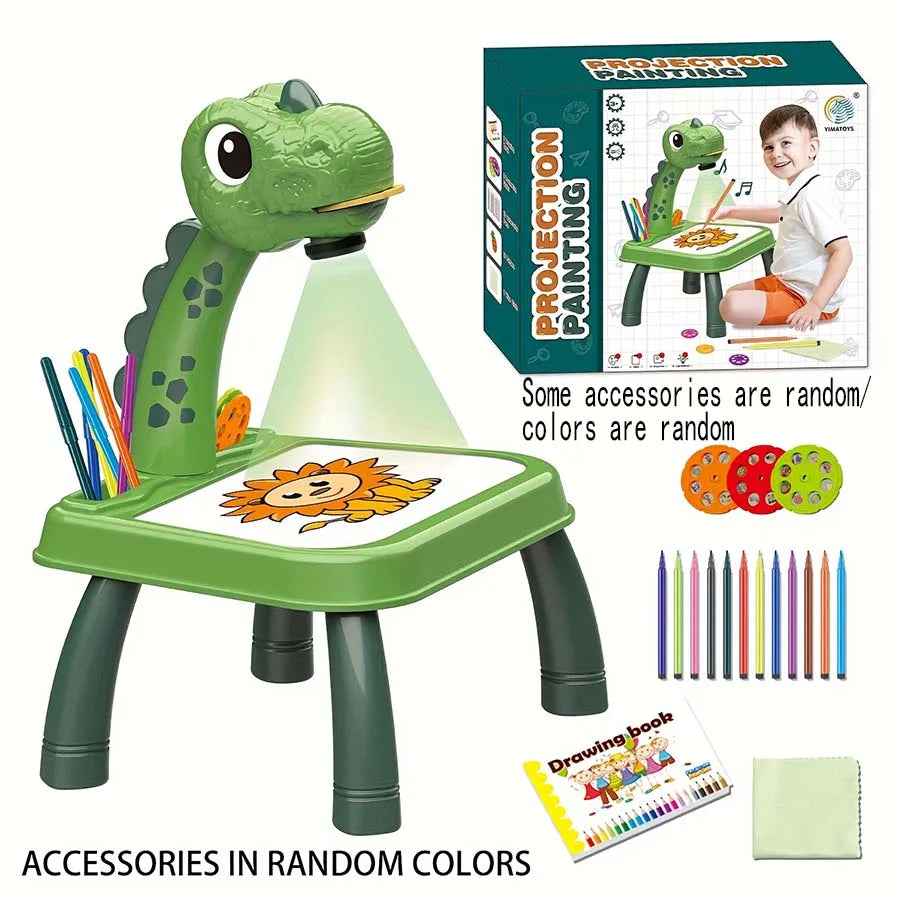
how to develop fine motor skills drawing through fun play 💡 See it in action
Why Drawing Games Work So Well for Little Hands
Drawing isn’t just creative—it’s developmental gold. Every scribble strengthens tiny muscles in the hands and fingers.
- Builds grip strength: Holding crayons improves control
- Enhances coordination: Eyes guide hand movement
- Boosts focus: Kids stay engaged longer
- Encourages independence: They create on their own
Compared to passive toys, drawing requires active participation. That’s what makes it one of the best indoor activities for bored toddlers.
For even better results, pair drawing with sensory play from Sensory Toys to stimulate multiple skills at once.
How to Develop Fine Motor Skills Step by Step
How to develop fine motor skills effectively starts with simple, consistent drawing-based activities. Begin with large movements like scribbling, then progress to tracing and controlled shapes. Over time, these steps improve grip strength, coordination, and precision while keeping learning fun and stress-free for young children.
- Start with free scribbling: Let your child explore movement
- Introduce tracing lines: Straight, zigzag, and curves
- Move to shapes: Circles, squares, simple objects
- Practice guided drawing: Follow step-by-step visuals
This gradual approach avoids frustration and builds confidence naturally.
👉 Learn step-by-step how to choose the right drawing tools for your child
Fun Drawing Games That Build Skills Fast
1. Connect-the-Dots Challenge
Kids connect numbered dots to reveal a picture. It strengthens control and sequencing.
2. Copy the Shape
Draw a simple shape and ask your child to copy it. Increase complexity over time.
3. Mystery Drawing Game
Give verbal instructions like “draw a big circle, then two small ones.” This improves listening and coordination.
4. Light Projection Tracing
Using guided projection makes tracing easier and more exciting for beginners.
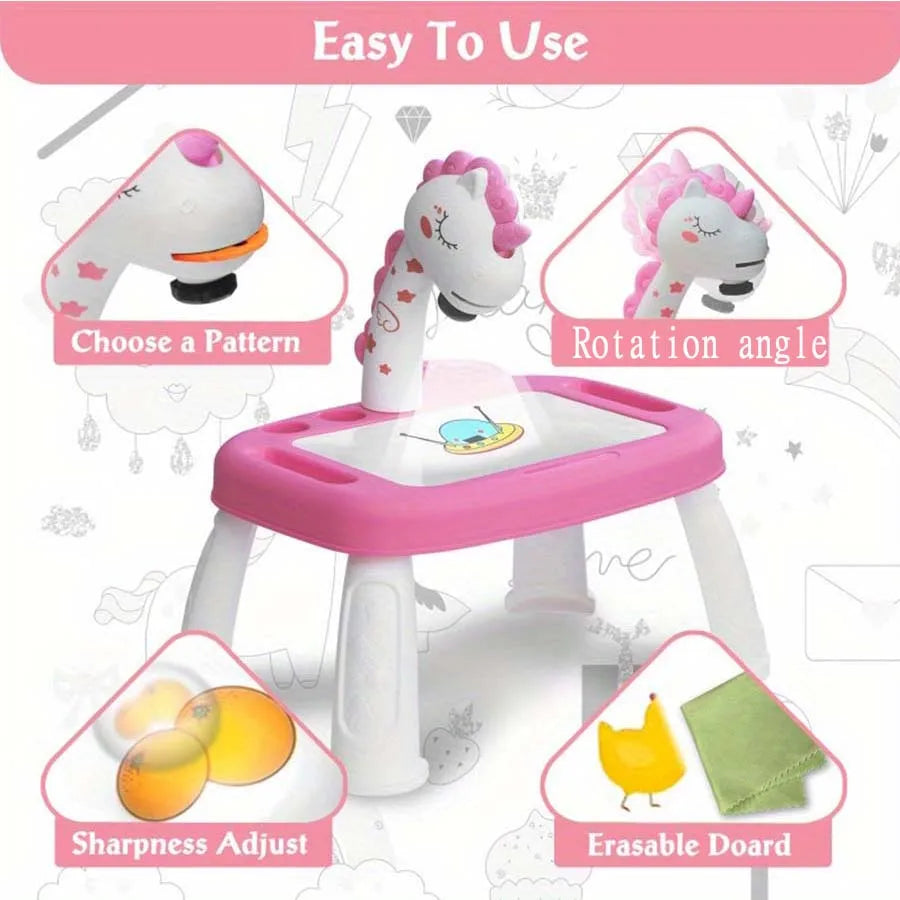
fun ways to improve kids drawing skills with guided tracing 💡 See it in action
Parents report that kids stay engaged 2–3x longer when drawing feels like a game instead of practice.
| Game | Skill Developed | Best Age |
|---|---|---|
| Connect-the-Dots | Control & sequencing | 3+ |
| Copy the Shape | Precision | 4+ |
| Mystery Drawing | Listening & coordination | 3+ |
| Projection Tracing | Confidence & accuracy | 2+ |
Common Mistakes That Slow Progress
- ❌ Forcing perfect drawings too early
- ❌ Using tools that are too small or slippery
- ❌ Turning play into pressure
- ❌ Skipping consistency
Instead, focus on progress—not perfection. A messy drawing still builds strong skills.
Pair drawing time with calm environments from Sleep & Comfort tools to reduce distractions.
Tools That Make Drawing Easier and More Fun
Sometimes, the right tool makes all the difference. Kids engage more when activities feel effortless.
- Guided drawing boards for easy tracing
- Chunky crayons for better grip
- Reusable drawing surfaces
- Interactive projection tools
One popular solution is a projection drawing table that helps children follow outlines visually while improving control.
👉 Try the Kids Projection Drawing Table to make drawing frustration-free
How This Simple Routine Builds Skills in Just 10 Minutes
You don’t need hours. Just consistency.
- 5 minutes: Free drawing or scribbling
- 3 minutes: Guided tracing
- 2 minutes: Fun drawing game
That’s it. Short, focused sessions prevent boredom and build habits.
Many parents notice improved pencil control within 2 weeks of daily play.
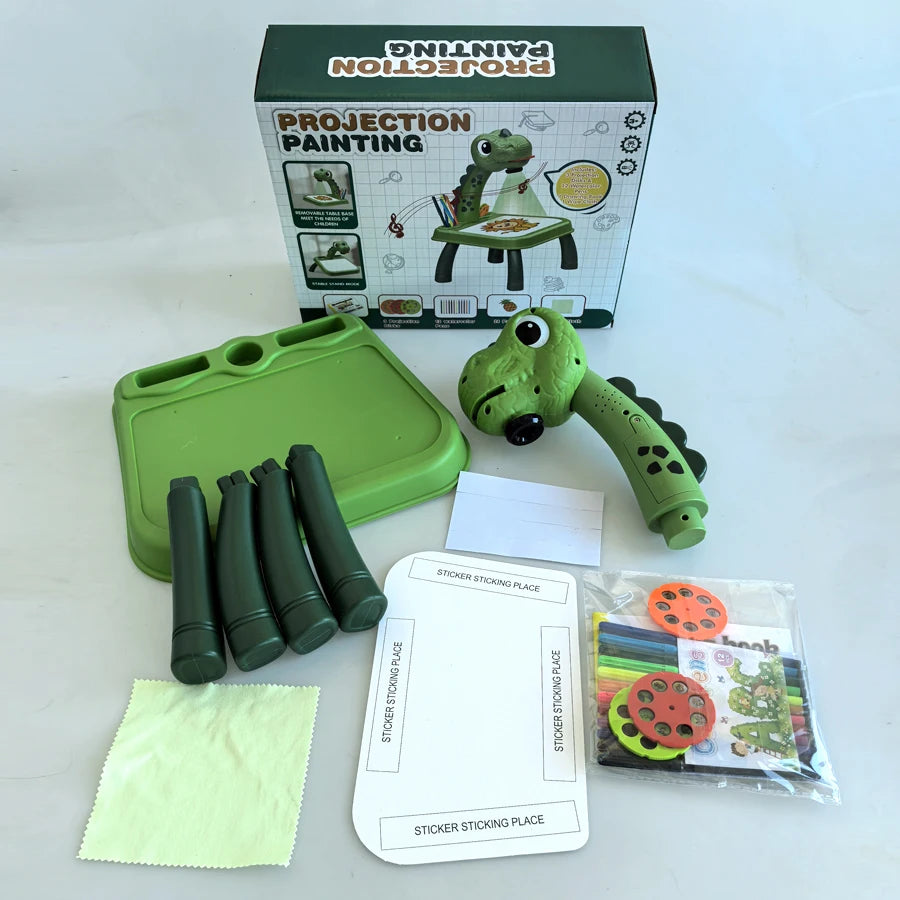
best indoor activities for bored toddlers that build real skills 💡 See it in action
Real Parent Results
“My 3-year-old went from avoiding crayons to drawing every day. The guided drawing games made a huge difference.”
“We replaced screen time with drawing games, and his hand control improved in just a few weeks.”
“Finally, an activity that’s fun AND actually helps development.”
FAQs
What is the fastest way to improve fine motor skills?
Daily short activities like drawing, tracing, and simple games are the fastest way. Consistency matters more than duration.
At what age should kids start drawing?
Children can start scribbling as early as 12–18 months. Structured drawing games work best from age 2 and up.
How often should my child practice drawing?
Just 10–15 minutes a day is enough to see noticeable improvement within a few weeks.
Do drawing tools really make a difference?
Yes. Tools designed for small hands or guided drawing significantly improve engagement and skill development.
👉 Get yours now — limited stock!
Pillar Article: How to Draw Step by Step: Easy Guide for Kids
Other Related Articles:
- DIY Tracing Projector: How to Make One at Home Easily
- Tracing Shapes Preschool: How to Teach Without Stress
- Drawing Activities for Preschoolers: 7 Easy Ways to Start
Explore More:





