

Drawing Activities for Preschool: Easy Daily Routine Guide
What are drawing activities for preschool and why do they matter?
Drawing activities for preschool help young children develop fine motor skills, creativity, and confidence through simple, guided play. By introducing fun drawing activities for preschool learning in short daily routines, kids become more willing to express ideas, reduce hesitation, and enjoy independent creative play.
Drawing Activities for Preschool: Easy Daily Routine Guide
Drawing activities for preschool can transform quiet moments into powerful learning experiences your child actually loves. From fun drawing activities for preschool learning to simple routines that help a child afraid to start drawing alone, this guide unlocks easy wins for parents. Discover parent child creative play drawing ideas that build confidence, spark imagination, and strengthen bonding in minutes a day—but what simple tweak makes kids ask to draw every day?
⏱ 6 min read
Does your child avoid drawing or say “I can’t do it”? You’re not alone—and the fix is simpler than you think.
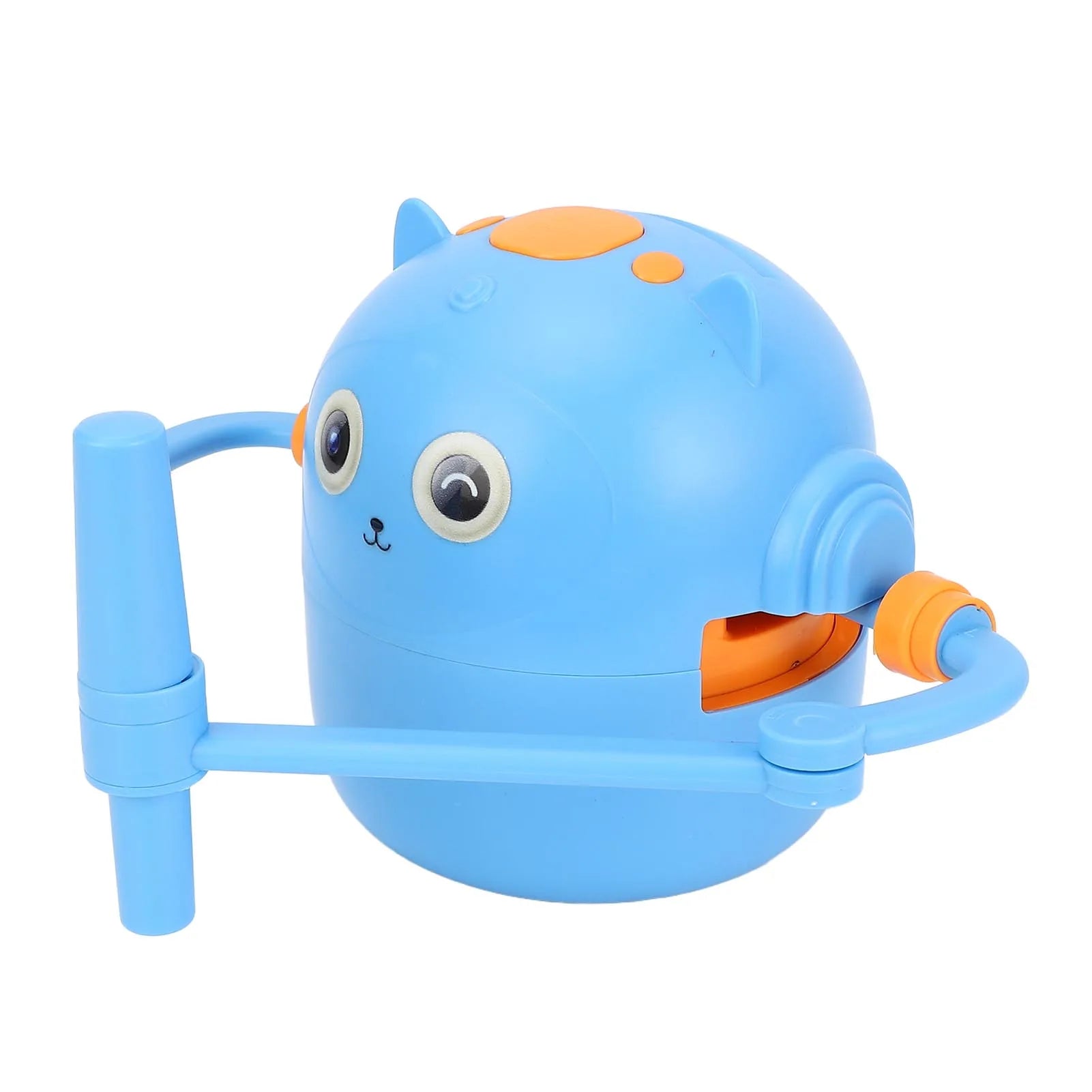
Fun drawing activities for preschool learning that spark creativity 💡 See it in action
👉 Discover the easiest way to make kids love drawing from day one
Why Some Kids Resist Drawing (And How to Fix It Fast)
Many preschoolers hesitate because drawing feels like a test—not play.
- Fear of “doing it wrong”
- Lack of structure or ideas
- Overwhelm from blank pages
- Too much pressure from adults
A child afraid to start drawing alone doesn’t need more instructions—they need a gentle starting point.
That’s where structured yet playful routines come in.
How a Simple Daily Drawing Routine Builds Confidence
Drawing activities for preschool work best when they become predictable and low-pressure. A short, daily habit helps children feel safe experimenting, making mistakes, and improving naturally.
- Builds consistency without boredom
- Encourages independent play
- Reduces fear of starting
- Strengthens parent-child bonding
Pair this with tools from Sensory Toys to create a richer creative environment.
Step-by-Step Daily Drawing Routine That Actually Works
- Start with a prompt: “Let’s draw a happy sun” removes pressure from a blank page.
- Draw together for 2–3 minutes: Model, don’t correct.
- Let them continue alone: Build independence gradually.
- Celebrate effort, not results: Focus on fun, not perfection.
- Repeat daily at the same time: Routine builds comfort.
This approach turns drawing into a habit—not a challenge.
👉 Learn step-by-step how to make drawing time stress-free and fun
Fun Drawing Activities for Preschool Learning That Kids Love
| Activity | What It Builds | Why Kids Love It |
|---|---|---|
| Trace & Color | Fine motor skills | Easy success from the start |
| Draw with Stories | Imagination | Feels like play, not learning |
| Follow-the-Line Drawing | Focus & control | Like a fun challenge |
| Parent-Child Drawing | Confidence | Shared experience |
Explore more creative routines in Baby Growth & Learning for age-appropriate ideas.
How the Right Tools Make Drawing Easier (and More Fun)
Sometimes the biggest barrier isn’t motivation—it’s difficulty.
Kids give up when drawing feels too hard. That’s why guided tools can help bridge the gap.
- Provides clear visual guidance
- Removes fear of “getting it wrong”
- Encourages independent drawing
- Makes learning feel like play
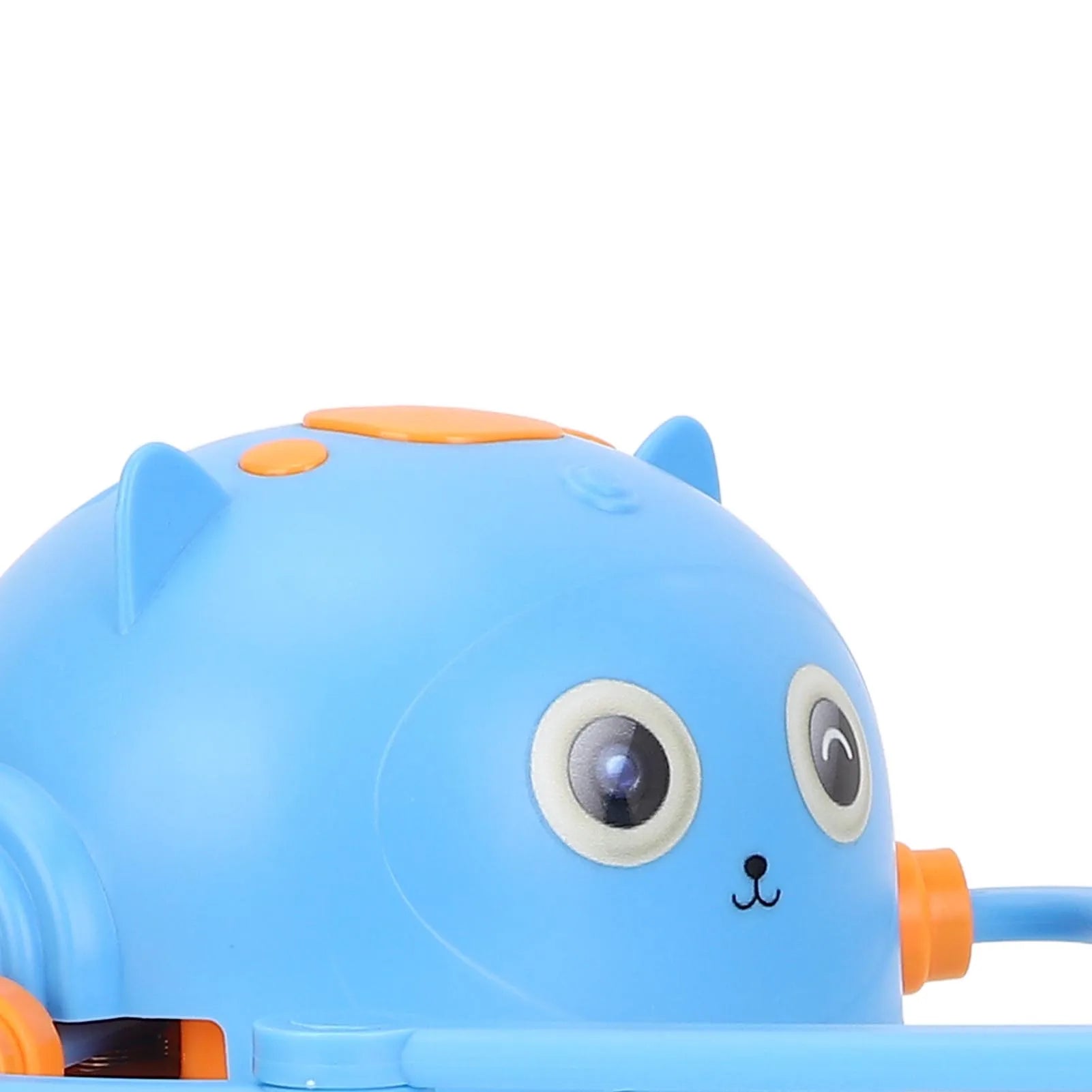
Parent child creative play drawing ideas made simple 💡 See it in action
Parents often combine drawing tools with Smart Baby Gadgets to simplify learning routines at home.
Common Mistakes That Kill Drawing Motivation
- ❌ Correcting every mistake
- ❌ Expecting “perfect” drawings
- ❌ Skipping routines
- ❌ Giving no guidance at all
Instead, aim for consistent, playful exposure.
Think: “Let’s try together,” not “Do it better.”
What Parents Notice After 7 Days
Parents who follow a simple drawing routine often report:
- Kids asking to draw on their own
- Less screen time resistance
- Improved focus during quiet play
- Stronger bonding moments
One parent shared:
“My child used to avoid drawing completely. After a week of guided activities, they now draw every afternoon without being asked.”
Pair routines with calming products from Sleep & Comfort to create a balanced daily rhythm.
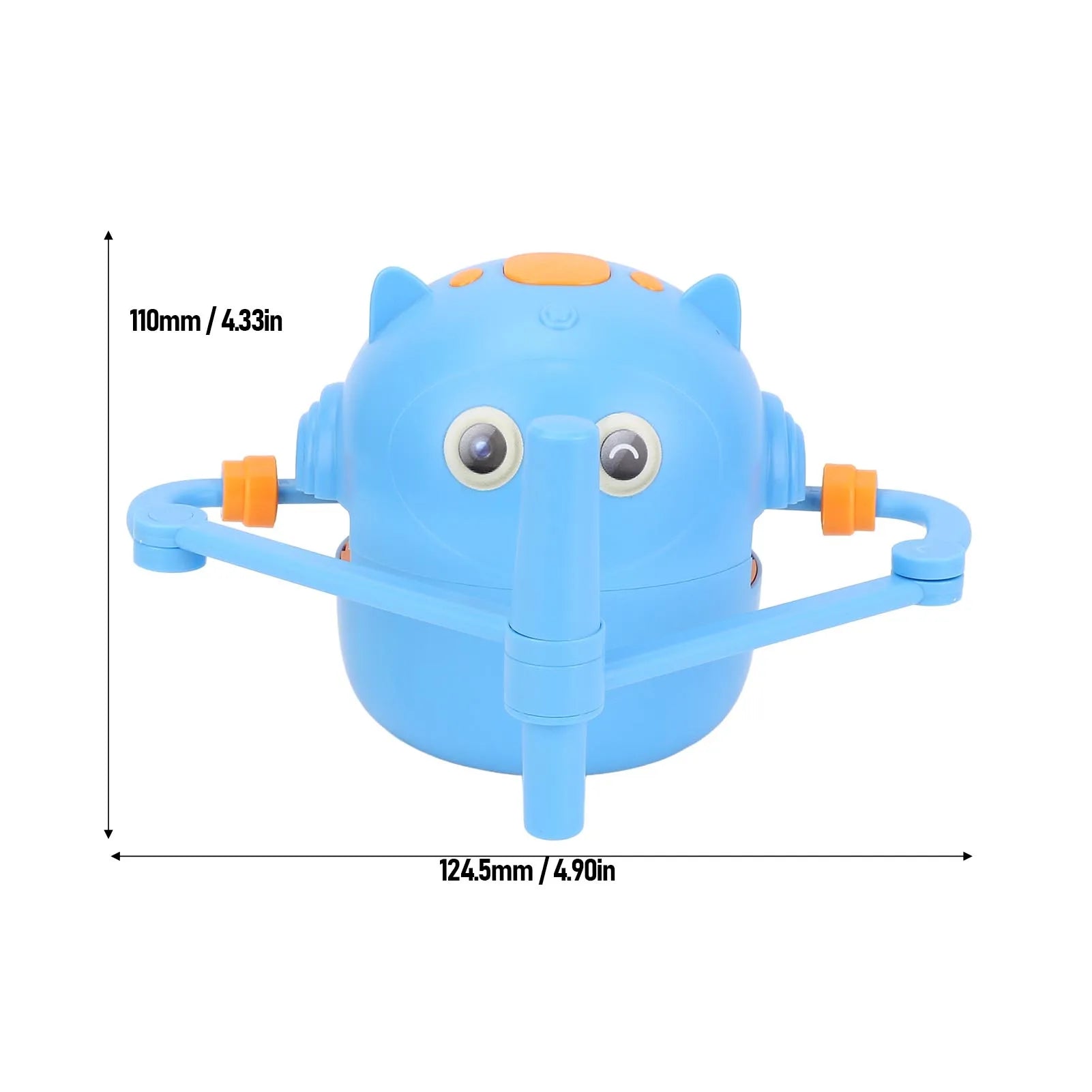
Confidence building art routines for preschool kids 💡 See it in action
👉 Get yours now — limited stock!
Frequently Asked Questions
How often should preschoolers do drawing activities?
Daily short sessions of 5–10 minutes work best. Consistency matters more than duration, helping children build comfort and confidence over time.
What if my child refuses to draw?
Start with guided or shared drawing. Remove pressure and focus on fun. Simple prompts or tools can help reduce hesitation and make starting easier.
Are drawing activities important for early learning?
Yes, they support fine motor development, creativity, focus, and emotional expression—key foundations for preschool learning.
Pillar Article: Robot Drawing Easy: Step-by-Step Guide for Beginners
Other Related Articles:
- Robots for 4 Year Olds: How to Set Up and Use Safely
- Interactive Learning Toy: How to Boost Kids Creativity Fast
- Interactive Toys for 3 Year Olds: How to Use Them Right
Explore More:





