

Robot Drawing Easy: Step-by-Step Guide for Beginners
What is the easiest way to start robot drawing for beginners?
Robot drawing easy starts with simple shapes like squares, rectangles, and circles combined step by step. By following guided drawing methods for young children, kids quickly build confidence, improve coordination, and enjoy creativity without frustration. Using structured steps or an interactive drawing robot makes learning faster and more engaging.
Robot Drawing Easy: Step-by-Step Guide for Beginners
Robot drawing easy is the perfect starting point for kids and beginners who feel stuck or overwhelmed. This guide blends how to teach toddlers drawing step by step with guided drawing methods for young children, making learning fun and stress-free. You’ll also discover how to help kids draw better using simple shapes and even explore the idea of an interactive drawing robot for kids learning. Ready to unlock creativity faster than you thought possible?
⏱ 8 min read
Struggling to get your child interested in drawing? Or maybe they get frustrated because “it doesn’t look right”? You’re not alone. Many parents face this challenge.
Here’s the good news: robot drawing easy is one of the simplest and most effective ways to build confidence, improve motor skills, and make art fun again.
Which drawing method works best for your child’s learning style? Read on!
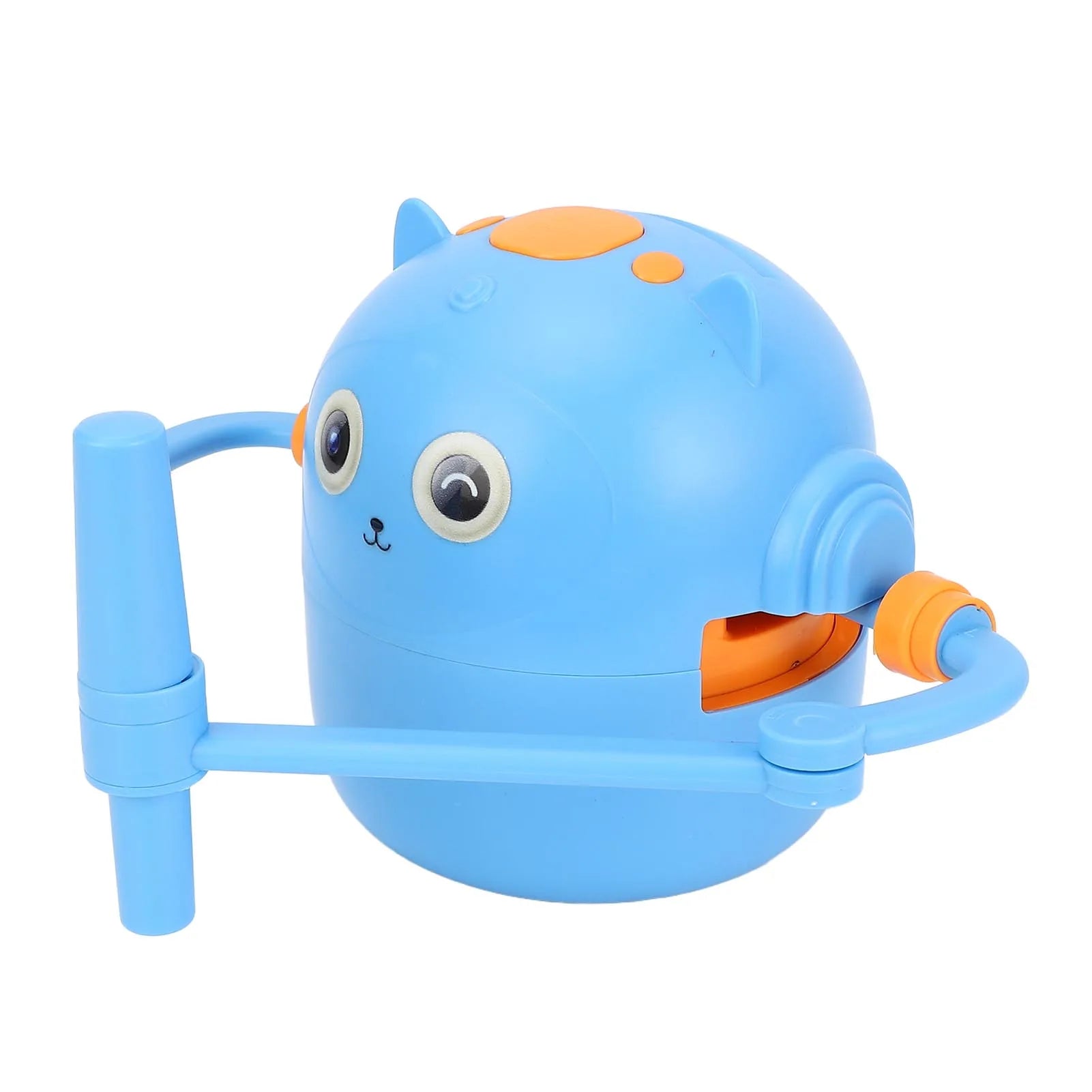
robot drawing easy using guided drawing methods for young children 💡 See it in action
Why Robot Drawing Makes Learning Easier for Kids
Robot drawing easy works because it removes complexity. Instead of trying to draw something abstract, kids follow clear shapes and patterns.
- Simple geometric shapes reduce confusion
- Step-by-step process builds confidence
- Predictable structure keeps kids engaged
- Fun theme motivates repeated practice
Unlike free drawing, this method provides direction while still encouraging creativity.
Parents often notice their kids stay focused longer and feel proud of their results—especially when using tools from Baby Growth & Learning.
Step-by-Step Robot Drawing Guide for Beginners
Robot drawing easy becomes effortless when you break it into clear steps.
- Draw the head: Start with a square or rectangle
- Add eyes: Use circles or dots
- Create the body: Draw a larger rectangle below
- Add arms: Use straight lines with small shapes
- Draw legs: Simple lines or rectangles
- Decorate: Add buttons, antennas, or patterns
This structure helps children focus on one step at a time instead of feeling overwhelmed.
| Step | Purpose |
|---|---|
| Shapes | Build basic drawing skills |
| Details | Encourage creativity |
| Repetition | Improve confidence |
How to Teach Toddlers Drawing Step by Step Without Frustration
Teaching toddlers requires patience and the right approach.
- Keep sessions short (5–10 minutes)
- Use large, easy shapes
- Guide their hand gently if needed
- Praise effort, not perfection
Consistency matters more than complexity. Even simple daily practice leads to noticeable improvement.
Parents often combine drawing time with sensory play using tools from Sensory Toys to make learning more engaging.
Guided Drawing Methods for Young Children That Actually Work
Guided drawing methods provide structure while allowing creativity.
Here are the most effective approaches:
- Copy-and-follow: Kids replicate simple drawings
- Trace-and-draw: Builds muscle memory
- Step-by-step prompts: Clear instructions reduce stress
- Interactive tools: Technology-guided drawing enhances learning
These methods are especially helpful for beginners who don’t know where to start.
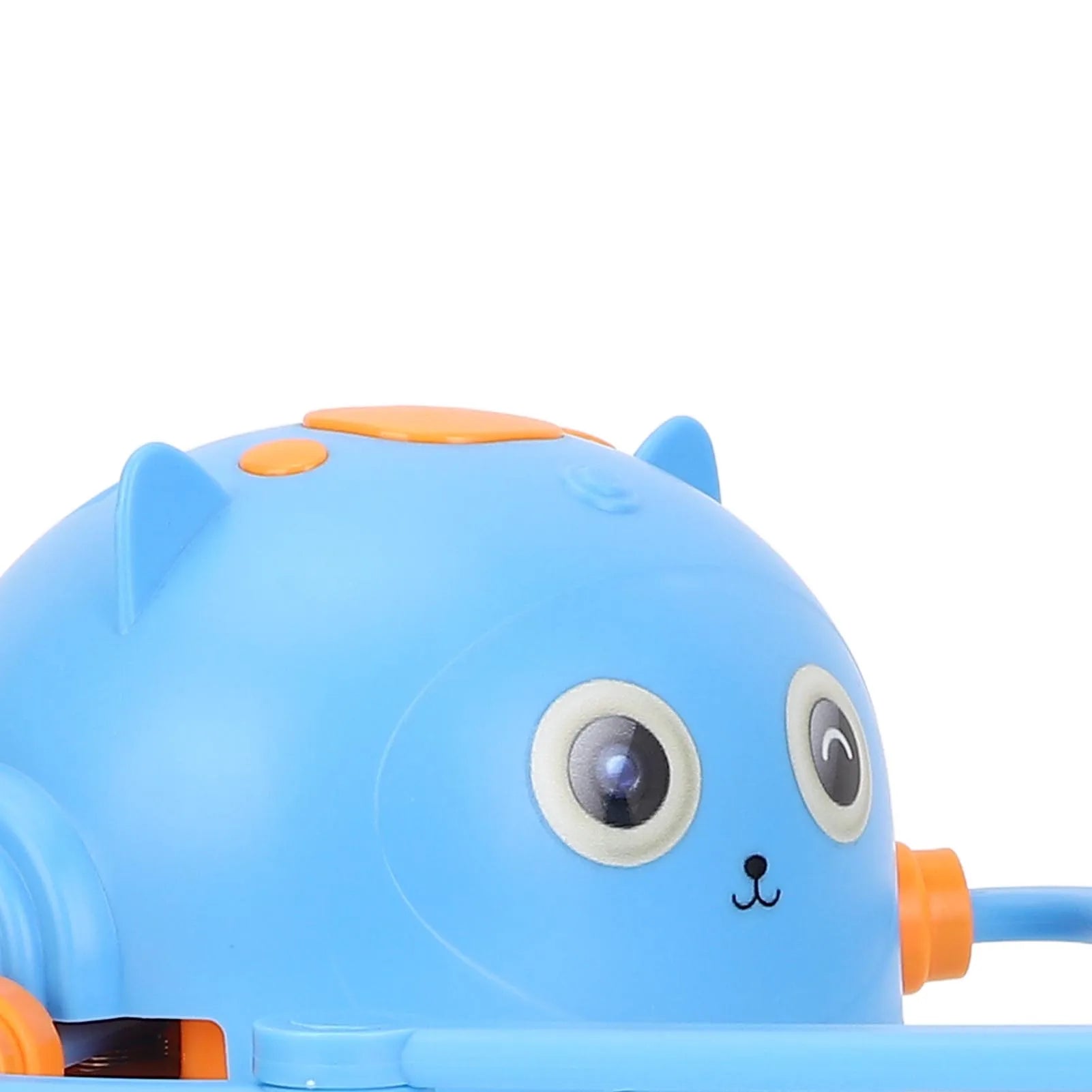
how to help kids draw better with guided drawing kids 💡 See it in action
How to Help Kids Draw Better Faster (Even If They Struggle)
Improvement doesn’t require talent—it requires the right method.
- Break drawings into simple steps
- Practice regularly with fun themes
- Use visual guides instead of verbal instructions
- Introduce tools that guide hand movement
Parents report that children improve up to 2x faster when using structured drawing systems compared to free drawing alone.
Creating a comfortable environment also helps. Explore calming setups from Sleep & Comfort to reduce distractions during learning time.
Why an Interactive Drawing Robot for Kids Learning Changes Everything
An interactive drawing robot takes robot drawing easy to the next level by guiding children in real time.
Instead of guessing what to draw next, kids follow visual cues, making learning smoother and more enjoyable.
- Provides step-by-step drawing guidance
- Reduces frustration and guesswork
- Encourages independent learning
- Makes drawing feel like play
Many parents say their kids stay engaged longer and ask to draw more often when using interactive tools.
You can explore this solution here: interactive drawing robot for kids learning
Real Parent Feedback
- “My child went from avoiding drawing to doing it daily.”
- “It made learning so much easier and more fun.”
- “Perfect for beginners who get frustrated quickly.”
Common Mistakes That Slow Down Progress
Even simple drawing can become frustrating if approached incorrectly.
- Expecting perfect results too soon
- Skipping foundational shapes
- Giving too many instructions at once
- Not making it fun
| Do | Avoid |
|---|---|
| Use step-by-step guidance | Jumping into complex drawings |
| Encourage creativity | Criticizing mistakes |
| Practice regularly | Long, exhausting sessions |
Balancing structure and fun is the key to success.
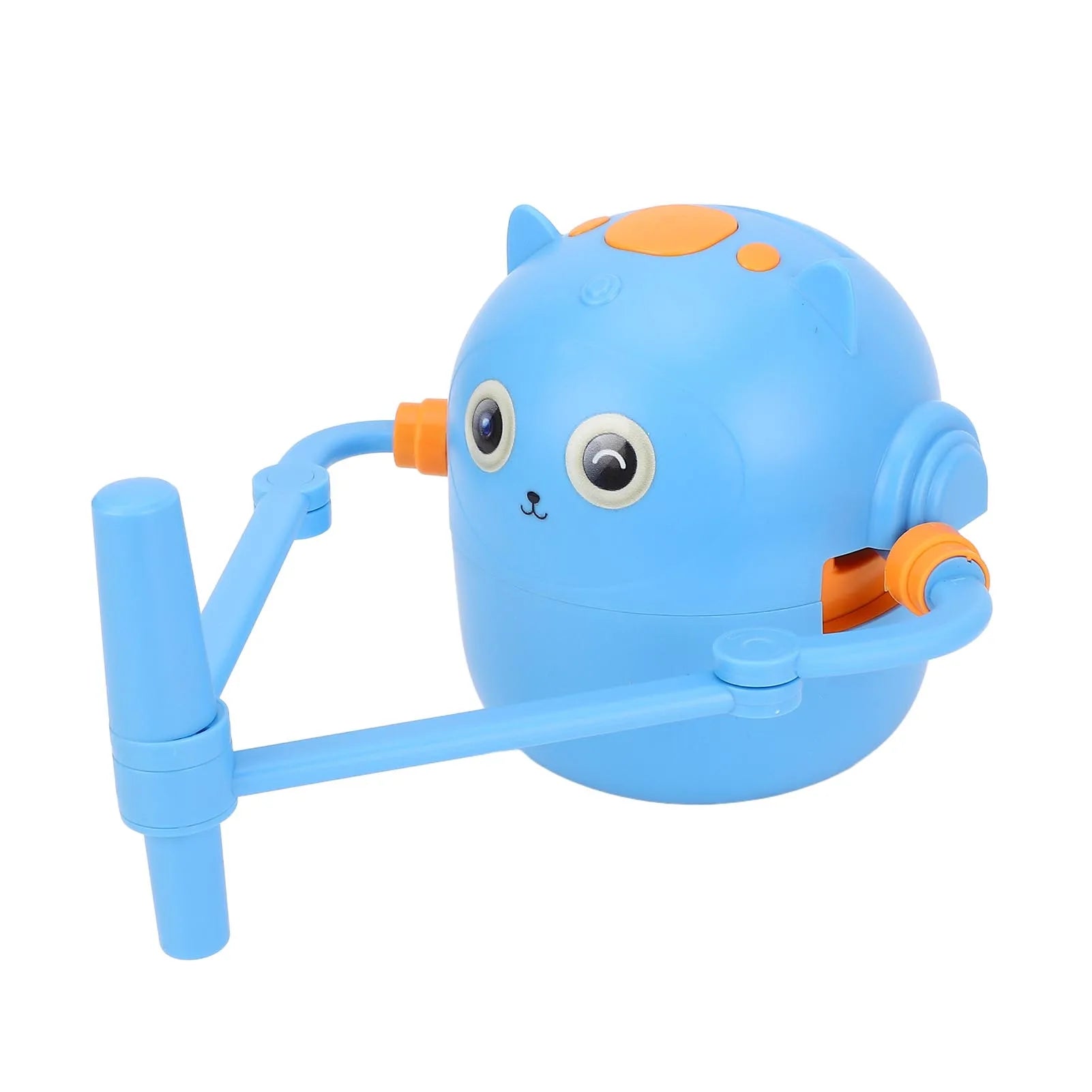
interactive drawing robot for kids learning makes robot drawing easy 💡 See it in action
Make Drawing a Daily Habit Without Stress
Consistency builds confidence faster than anything else.
- Set a daily drawing time
- Keep tools easily accessible
- Celebrate small wins
- Rotate drawing themes
Combining drawing with everyday routines makes it feel natural rather than forced.
Many parents integrate drawing into learning routines using tools from Smart Baby Gadgets for better engagement.
Frequently Asked Questions
Is robot drawing easy suitable for toddlers?
Yes, robot drawing easy is ideal for toddlers because it uses simple shapes and step-by-step guidance. It helps develop motor skills and builds confidence without overwhelming young learners.
How long does it take for kids to improve drawing skills?
With consistent practice using guided drawing methods for young children, most kids show noticeable improvement within a few weeks. Daily short sessions are more effective than long, occasional practice.
Do I need special tools to teach kids drawing?
Basic tools work, but interactive solutions like a drawing robot can significantly speed up learning by providing structured guidance and making the process more engaging.
What is the best way to keep kids interested in drawing?
Use fun themes like robots, keep sessions short, and incorporate interactive tools. Positive reinforcement and variety also help maintain interest.
Can drawing help with child development?
Yes, drawing improves fine motor skills, creativity, focus, and problem-solving abilities. It’s a valuable activity for overall cognitive and emotional growth.
Related Articles:
- Robots for 4 Year Olds: How to Set Up and Use Safely
- Interactive Learning Toy: How to Boost Kids Creativity Fast
- Drawing Activities for Preschool: Easy Daily Routine Guide
- Interactive Toys for 3 Year Olds: How to Use Them Right
Pillar Articles:





