

Interactive Learning Toy: How to Boost Kids Creativity Fast
Does an interactive learning toy really boost kids creativity fast?
An interactive learning toy helps children unlock creativity quickly by turning learning into hands-on play. These tools guide kids step-by-step, reduce fear of mistakes, and encourage self-expression. For children who struggle early, interactive art learning tools for toddlers can improve drawing confidence and spark imagination within days.
Interactive Learning Toy: How to Boost Kids Creativity Fast
⏱ 6 min read
An interactive learning toy can completely change how your child approaches creativity. If your child hesitates to draw, avoids coloring, or says “I can’t do it,” you’re not alone. Many parents notice kids lack creativity in early learning—not because they aren’t capable, but because they lack the right tools and guidance. The good news? With the right interactive art learning tools for toddlers, you can build drawing confidence kids need—fast, naturally, and without pressure.
Which learning tool actually helps your child feel confident creating? Keep reading—you’ll discover a simple solution that makes creativity click almost instantly.
👉 Curious how to unlock your child’s creativity effortlessly?
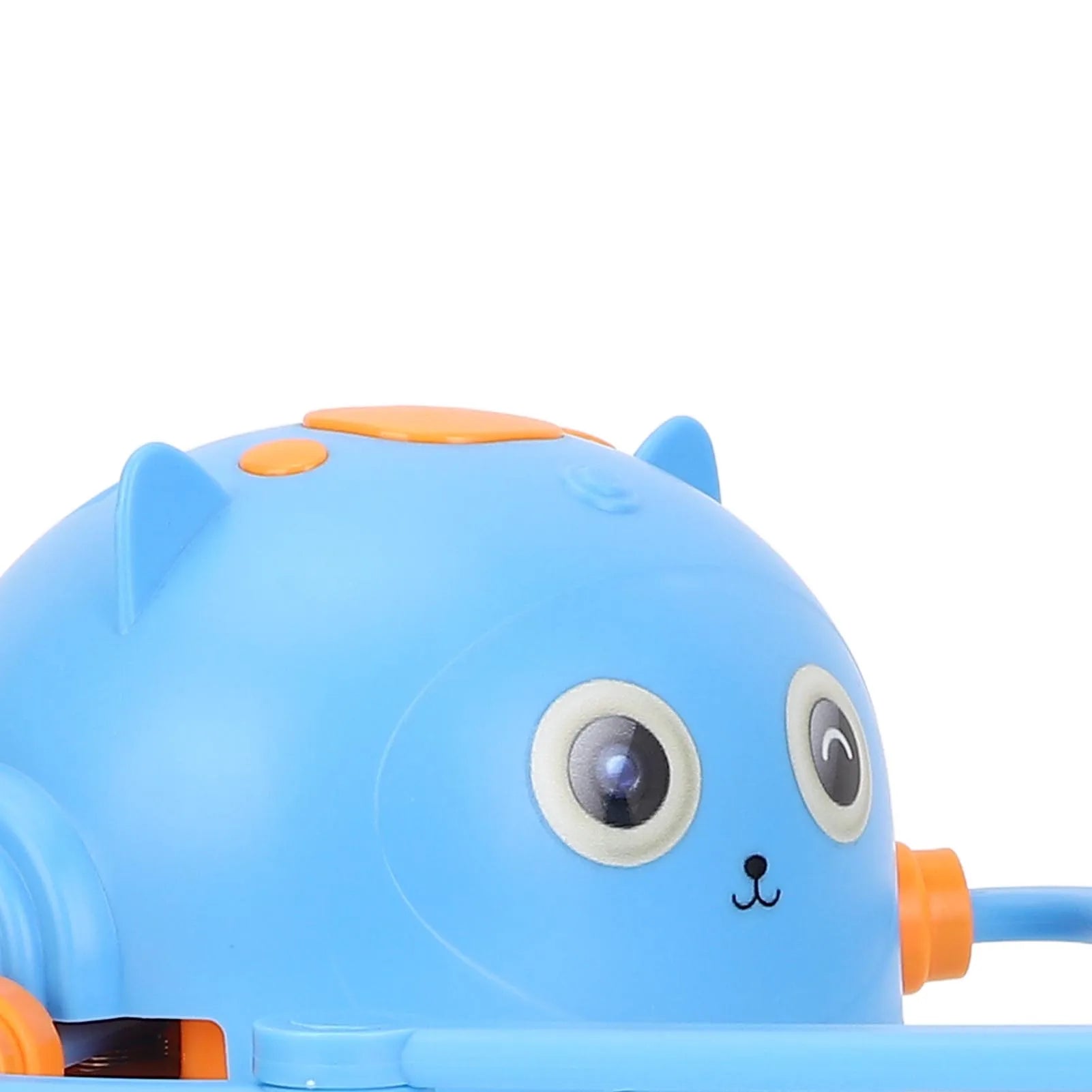
Interactive learning toy helping kids overcome early creativity struggles 💡 See it in action
Why Kids Lack Creativity in Early Learning (And It’s Not What You Think)
When kids avoid drawing or creative play, it’s rarely due to lack of talent. Instead, it often comes down to fear, frustration, or unclear guidance.
- They don’t know where to start
- They fear making mistakes
- They compare themselves to others
- They lack structured creative support
Traditional tools—like blank paper and crayons—can feel overwhelming. Without direction, children may freeze instead of explore.
That’s why many parents turn to Baby Growth & Learning tools designed to guide creativity step by step.
How an Interactive Learning Toy Builds Confidence Fast
An interactive learning toy works by removing guesswork and replacing it with guided creativity. Instead of asking kids to “just draw,” it shows them how—one step at a time.
An interactive learning toy supports creativity by guiding children through structured drawing steps, offering instant feedback, and turning complex ideas into simple actions. This builds confidence quickly, especially for kids who struggle early, making creative expression feel easy, fun, and achievable from the very first attempt.
- Breaks drawings into simple, achievable steps
- Encourages repetition without boredom
- Builds muscle memory for drawing skills
- Turns learning into play instead of pressure
This approach is especially effective when paired with tools from Sensory Toys, which engage multiple senses for deeper learning.
Step-by-Step: How to Use Interactive Art Tools Effectively
-
Start with guided drawing sessions
Let your child follow the toy’s instructions without pressure to be perfect. -
Repeat favorite drawings
Repetition builds confidence and reinforces skills naturally. -
Encourage personalization
After guided practice, let your child add their own creative touches. -
Create a routine
Short daily sessions (10–15 minutes) work better than long, occasional ones. -
Celebrate effort, not results
Focus on progress to build lasting confidence.
👉 Want a step-by-step tool that does this automatically?
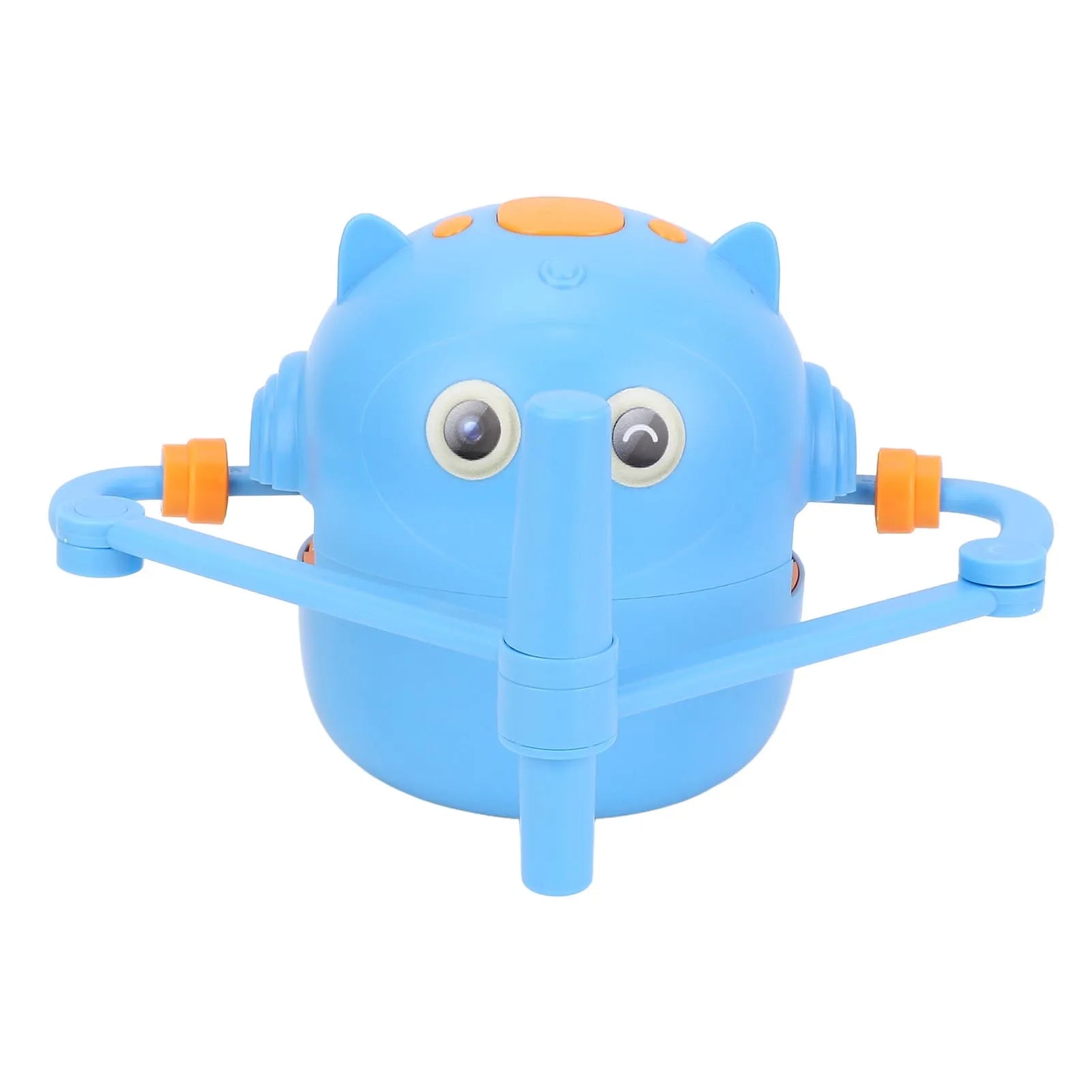
Interactive art learning tools for toddlers building drawing confidence fast 💡 See it in action
Interactive vs Traditional Learning Methods
| Feature | Interactive Learning Toy | Traditional Drawing |
|---|---|---|
| Guidance | Step-by-step support | None |
| Confidence Building | Fast and consistent | Slow, uncertain |
| Engagement | High (fun + play) | Varies |
| Skill Development | Structured learning | Trial and error |
For many families, combining structured tools with resources from Smart Baby Gadgets creates a more engaging and effective learning environment.
Key Benefits Parents Notice Within Days
- ✅ Kids start drawing willingly without prompting
- ✅ Reduced frustration during creative activities
- ✅ Improved focus and patience
- ✅ Visible improvement in drawing skills
- ✅ Increased confidence in trying new ideas
Parents often pair these tools with calming routines from Sleep & Comfort collections to create balanced daily habits.
Real Parent Experiences: What Changes First?
Before:
- “My child refused to draw.”
- “They got frustrated quickly.”
- “They kept saying they weren’t good enough.”
After introducing an interactive learning toy:
- “Now they draw every day.”
- “They’re excited to show their work.”
- “They try new ideas without fear.”
One parent shared: “Within a week, my child went from avoiding drawing to asking for it daily.”
How to Choose the Right Interactive Learning Toy
- Age-appropriate design for toddlers or young kids
- Simple instructions that kids can follow independently
- Durable and safe materials
- Engaging features that keep attention
You can explore more supportive tools in Baby Care Essentials to complement your child’s development journey.
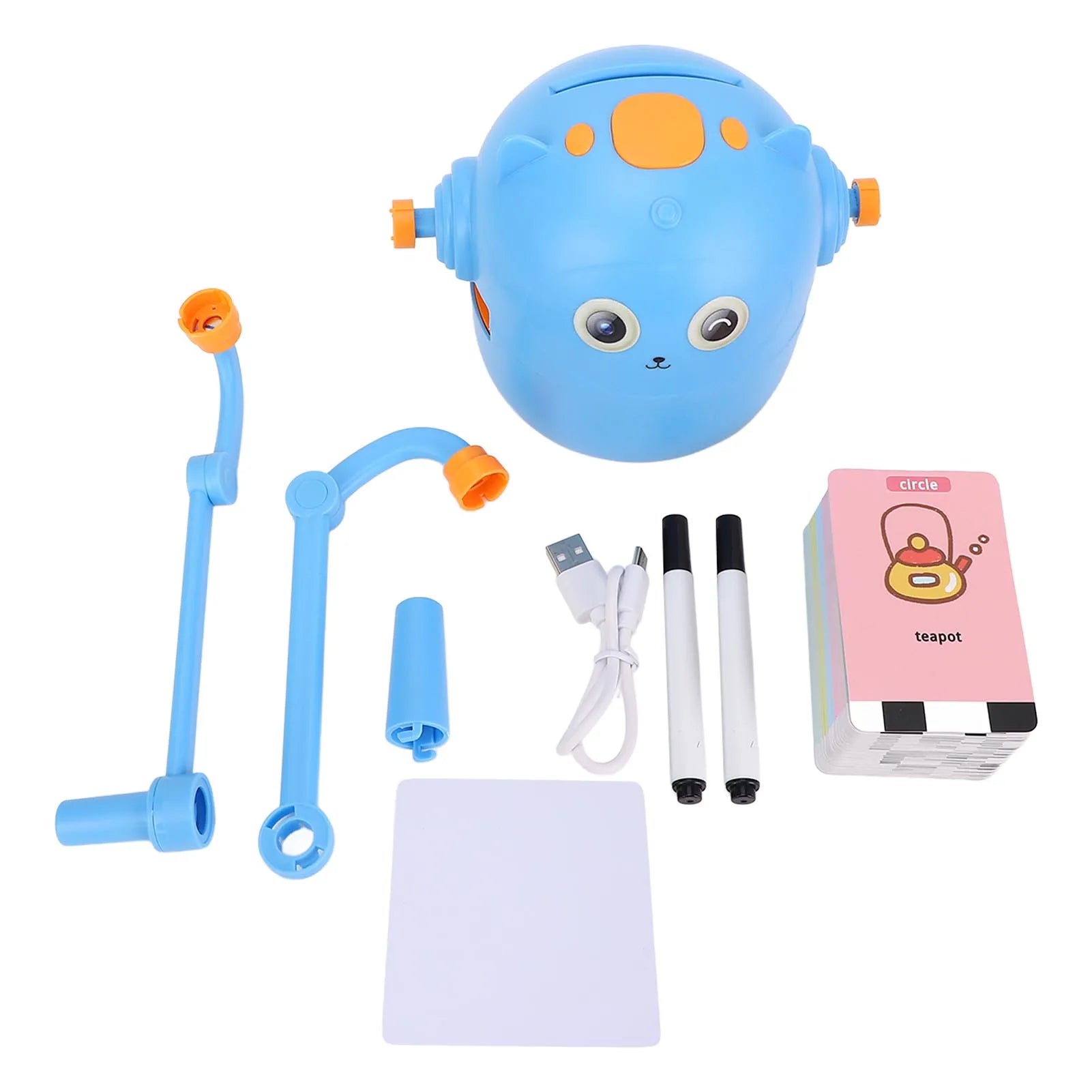
Best ways to build drawing confidence kids need using interactive learning toy 💡 See it in action
👉 Ready to boost your child’s creativity today?
FAQs
1. What age is best for using an interactive learning toy?
Most interactive art learning tools for toddlers are suitable from ages 2–6. Early exposure helps children build confidence and creativity during critical developmental stages.
2. How quickly can I see results?
Many parents notice changes within a few days. Kids often become more engaged and willing to draw after just a few guided sessions.
3. Can these tools replace traditional learning?
They work best as a complement. Interactive tools provide structure, while traditional methods allow free expression once confidence is built.
Pillar Article: Robot Drawing Easy: Step-by-Step Guide for Beginners
Other Related Articles:
- Robots for 4 Year Olds: How to Set Up and Use Safely
- Drawing Activities for Preschool: Easy Daily Routine Guide
- Interactive Toys for 3 Year Olds: How to Use Them Right
Explore More:





