

Educational toys math: Key benefits for stronger number skills
Does educational toys math really improve number skills?
Educational toys math helps children understand numbers faster by turning abstract ideas into hands-on play. Kids who struggle with quantities or show slow progress in early numeracy skills often improve when they can see, touch, and manipulate numbers, making learning more concrete, engaging, and easier to retain.
Educational toys math: Key benefits for stronger number skills
⏱ 7 min read — Struggling to help your child understand numbers? You’re not alone. Many parents notice slow progress in early numeracy skills or see their kids have trouble understanding quantities. The good news: the right educational toys math approach can turn frustration into confidence through simple, playful learning experiences.
Which learning method actually helps kids “get” numbers instead of memorizing them? Read on!
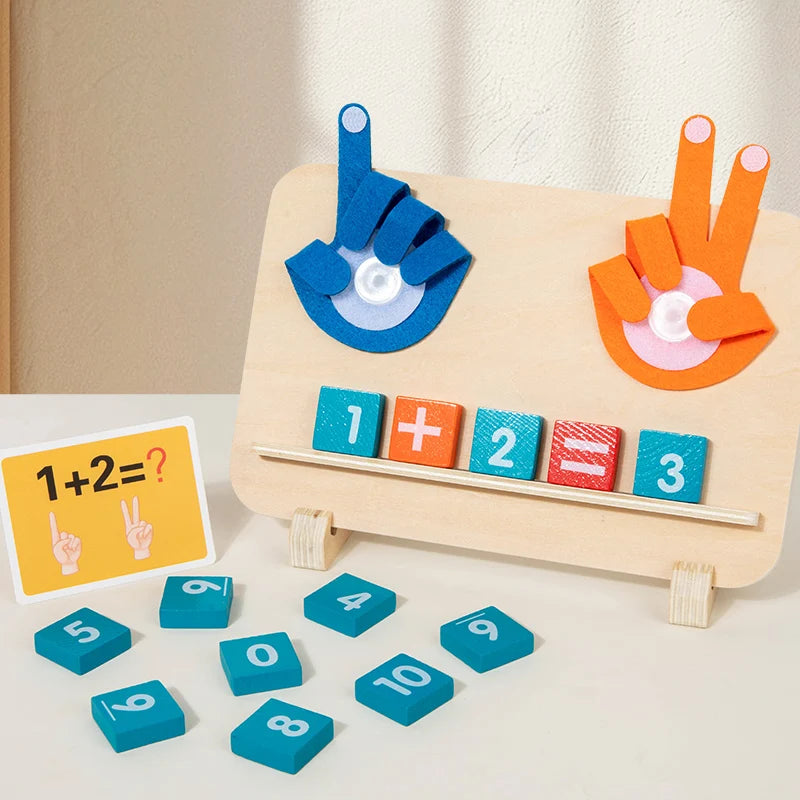
💡 See it in action - educational toys math / best educational toys for early math, slow progress in early numeracy skills, kids have trouble understanding quantities, early childhood math learning strategies parents
Explore hands-on learning tools designed to make numbers click naturally.
Why kids struggle with early math concepts
It’s easy to assume counting is simple—but for many children, numbers are abstract and confusing.
- They memorize numbers without understanding meaning
- They can count but don’t grasp quantity
- They struggle to connect numbers to real objects
- They lose confidence after repeated mistakes
When kids have trouble understanding quantities, traditional teaching methods often fall short. Worksheets and repetition don’t provide the sensory feedback young learners need.
That’s where hands-on tools from Baby Growth & Learning and Sensory Toys collections can make a real difference.
How educational toys math builds real understanding
Educational toys math transforms learning by connecting numbers to physical actions.
Instead of just hearing “3,” children see three objects, touch them, and move them. This multi-sensory approach builds stronger neural connections and deeper understanding.
What makes this approach effective?
- Visual learning: Numbers become visible, not abstract
- Kinesthetic interaction: Kids learn by doing
- Immediate feedback: Mistakes are corrected through play
- Emotional engagement: Learning feels fun, not stressful
This is one of the most effective early childhood math learning strategies parents can use at home.
Key benefits of math-focused toys
Here’s how the best educational toys for early math create lasting improvements:
- ✅ Faster number recognition
- ✅ Stronger counting accuracy
- ✅ Better understanding of quantities
- ✅ Improved problem-solving skills
- ✅ Increased confidence in learning
Parents often report noticeable progress within weeks—especially when replacing passive learning with interactive play.
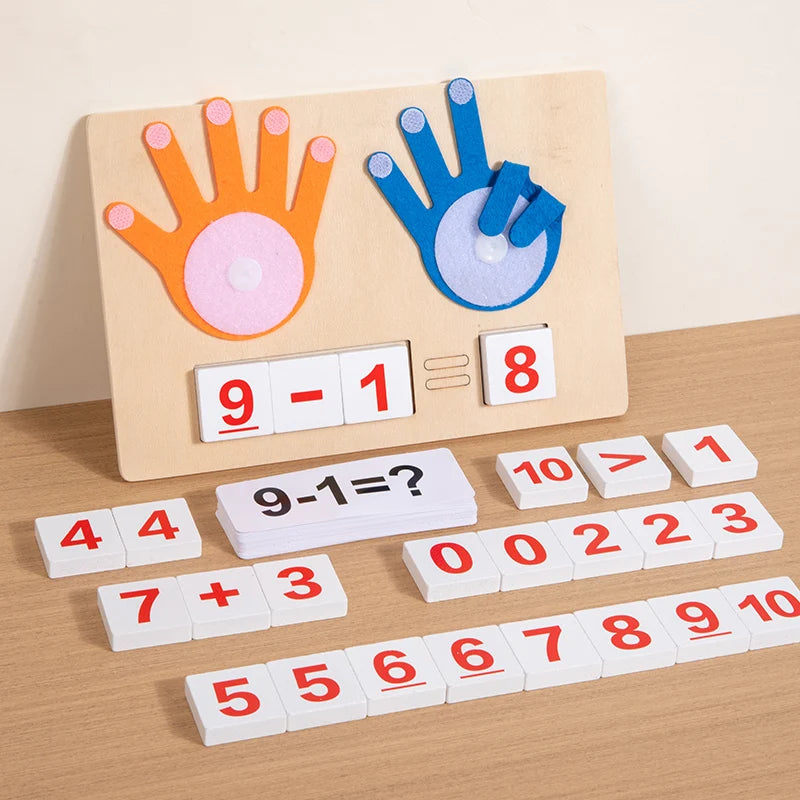
💡 See it in action - educational toys math / best educational toys for early math, slow progress in early numeracy skills, kids have trouble understanding quantities, early childhood math learning strategies parents
Find tools that match your child’s learning stage and needs.
Why the wooden finger counting toy stands out
Educational toys math like the wooden finger counting toy provide a simple yet powerful way to teach numbers through movement and visual cues.
Direct answer: Educational toys math tools like wooden finger counting systems help children connect numbers to real quantities by using finger-based counting and tactile interaction. This method reduces confusion, improves retention, and accelerates early numeracy development compared to passive learning methods.
Key features
- Natural finger-counting system kids instinctively understand
- Durable wooden design for safe, long-term use
- Bright visual cues for easy number recognition
- Compact and travel-friendly for learning anywhere
Why it works better than alternatives
- Unlike apps, it engages physical interaction
- Unlike flashcards, it teaches quantity—not just symbols
- Unlike worksheets, it reduces pressure and frustration
Parents using tools like this often see children move from guessing to confidently understanding numbers.
Comparison: traditional learning vs hands-on toys
| Method | Engagement | Understanding | Results |
|---|---|---|---|
| Worksheets | Low | Memorization only | Slow progress |
| Flashcards | Medium | Symbol recognition | Limited retention |
| Educational toys math | High | Concept + quantity | Faster improvement |
How to use math toys effectively at home
- Start with simple counting (1–5) using physical objects
- Encourage your child to touch and move each piece
- Ask questions like “How many do we have?”
- Gradually introduce addition and subtraction
- Keep sessions short and playful
Consistency matters more than duration. Even 10 minutes a day can create noticeable improvement.
Pairing math toys with items from Mobility & Training can also support active learning through movement.
Common mistakes parents make
- ❌ Pushing memorization too early
- ❌ Relying only on digital learning tools
- ❌ Expecting fast results without consistency
- ❌ Not adapting to the child’s learning pace
A balanced approach using physical tools and patience creates the best results.
Frequently asked questions
At what age should kids start using math toys?
Children as young as 2–3 years old can begin exploring basic counting with simple educational toys math tools.
What if my child still struggles?
Focus on consistency and simplify tasks. Hands-on repetition with engaging tools often solves slow progress in early numeracy skills.
Are digital apps enough?
Apps can help, but physical interaction is essential for understanding quantities and building real number sense.
How long until I see results?
Many parents notice improvement within 2–4 weeks of regular use.
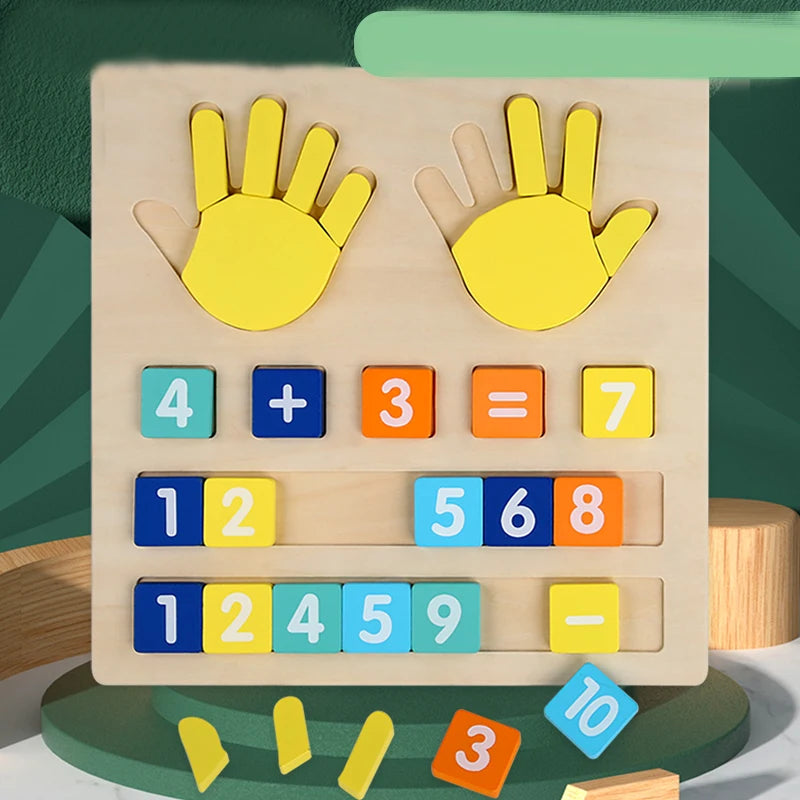
💡 See it in action - educational toys math / best educational toys for early math, slow progress in early numeracy skills, kids have trouble understanding quantities, early childhood math learning strategies parents
Help your child build confidence and strong number skills starting today.
Pillar Article: Math learning toys: Key features that boost early skills
Other Related Articles:
Explore More:





